Alfama is Lisbon's oldest lived-in neighborhood, a steep district where Roman, Moorish, medieval, and working-class layers still sit on top of one another.
Its lanes run between Castelo de Sao Jorge and the Tagus River, folding into stairways, tiny squares, wash lines, tiled facades, and sudden river views.
For travelers comparing Lisbon oldest neighborhoods facts, Alfama matters because it is not a reconstructed heritage quarter. It is a surviving fragment of pre-1755 Lisbon best read on foot, from the castle slope down to the old waterfront.
Alfama: The Soul and Origins of Lisbon
Alfama is often called the soul of Lisbon because it preserved the city's older rhythm when much of the lower capital was rebuilt in straight Enlightenment-era blocks.
The neighborhood rises from the former riverside trade zone toward the defensive heights of the castle. That geography shaped defense, water access, fishing work, steep circulation, and the dense housing pattern that still defines the district.
Its streets were shaped by slope, shade, property walls, wells, workshops, and the need to climb without exposure to heat or attack.
That is why Alfama feels less like a grid and more like a stone archive. Doorways, fountains, staircases, and small largos show residents adapting the same hillside across many eras.
| Era | What survives in Alfama |
|---|---|
| Roman | Theater remains, street levels, and archaeological layers near the lower slopes. |
| Moorish | The name, tight lanes, shaded courtyards, and defensive urban logic. |
| Medieval | Castle approaches, parish life, river trades, and traces of the Judaria. |
| Modern | Fado houses, viewpoints, tram routes, and a residential culture still under pressure from tourism. |
Alfama's Roots: Roman, Visigothic, and Moorish Influence
The name Alfama is usually traced to the Arabic al-hamma, meaning hot springs or warm waters. That origin points to a real water landscape near Rua das Pedras Negras and the lower edge of the old city.
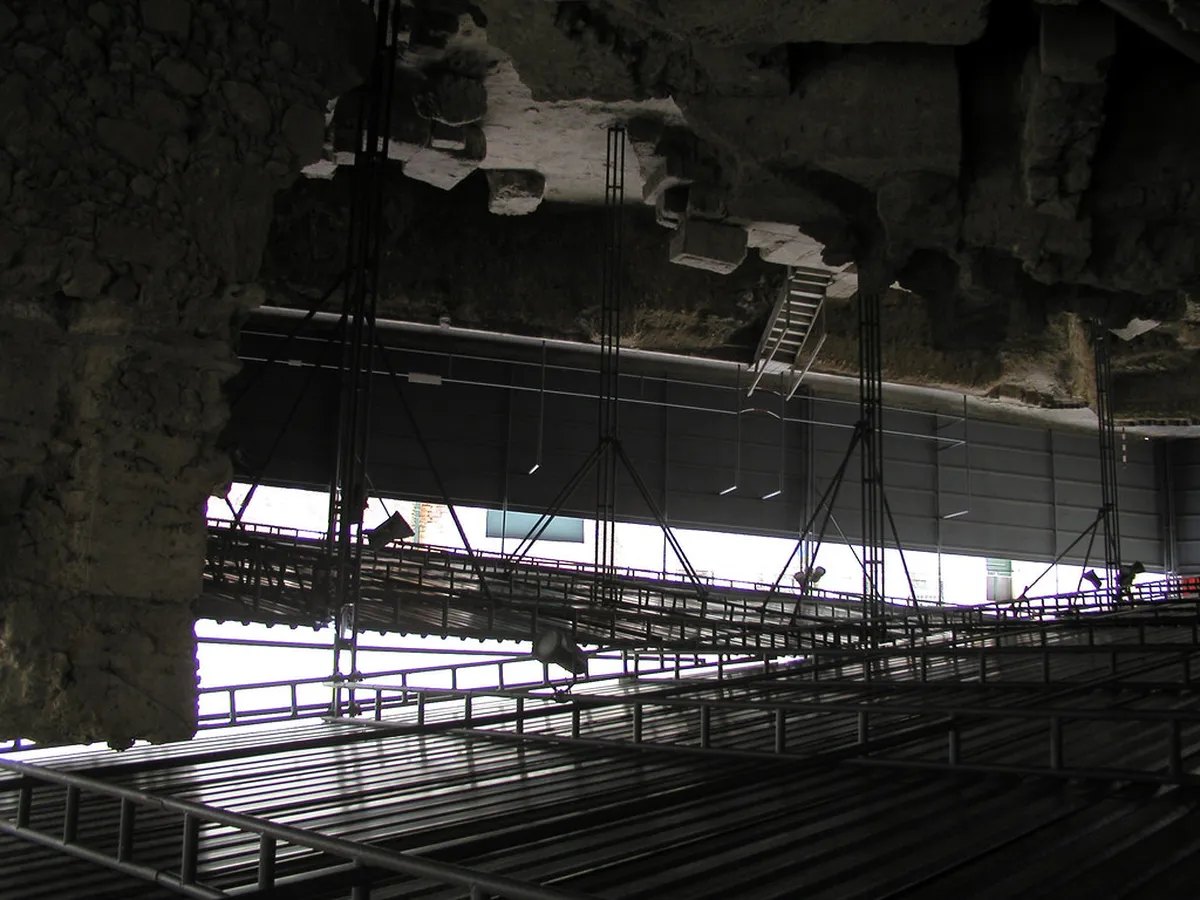
Long before the Moorish period, Roman Olisipo used the same hillside for public life, trade, and performance. The Roman Theater Museum, close to Rua de Sao Mamede, shows that Alfama's story began before Portugal existed.
Visigothic and early Christian layers followed, but the Moorish occupation gave Alfama much of its recognizable street character. Narrow passages, irregular turns, shaded walls, and compact houses helped residents manage heat, slope, privacy, and defense.
That urban inheritance connects Alfama with the wider Islamic footprint explored in Mouraria Moorish quarter history. Alfama was part of a broader medieval Lisbon shaped by Arabic-speaking rule, trade, water systems, and hilltop fortification.
Medieval Alfama: Life Outside the Castle Walls
After the Christian conquest of Lisbon in 1147, Alfama did not freeze in time. It changed owners, languages, religious institutions, and social status while keeping much of its older street plan.
One of the most important shifts was economic. A district associated with Moorish elites and strategic high ground gradually became a working neighborhood tied to sailors, dock laborers, washerwomen, fish sellers, and small taverns near the river.
The medieval district also held Jewish life. The old Judaria de Alfama occupied part of the lower neighborhood, and careful walkers can still look for carved stone marks and reused masonry around the lanes between the cathedral side and the old waterfront.
For a wider defensive context, compare these lanes with the Moorish walls of Lisbon. The walls, castle slopes, and river approach explain why Alfama developed as a compact quarter rather than an open suburb.
Surviving the Devastating 1755 Earthquake
The 1755 Lisbon earthquake, followed by fire and tsunami, destroyed much of the lower city. Alfama survived with far more of its medieval fabric intact, which is why its lanes feel so different from the rebuilt Baixa grid nearby.
Elevation helped. Alfama's slope protected much of the neighborhood from the worst riverfront tsunami damage, while its irregular lanes were less exposed to the same fire pattern that consumed commercial districts below.
Did you know? Alfama also sits on harder volcanic formations often described through the Basaltic Complex of Lisbon. That rock base likely reduced some local ground amplification compared with softer alluvial areas, helping explain why older buildings and street lines endured.
This survival is central to any walk through Lisbon 1755 earthquake impact sites. Alfama is not simply "old"; it is one of the clearest places to see what Lisbon looked like before the disaster forced the city to rebuild itself.
The Soul of Fado: Alfama's Musical Legacy
Fado gives Alfama its night voice. The music grew from 19th-century urban life, where sailors, dockworkers, migrants, tavern owners, and working families turned longing, risk, love, and loss into song.
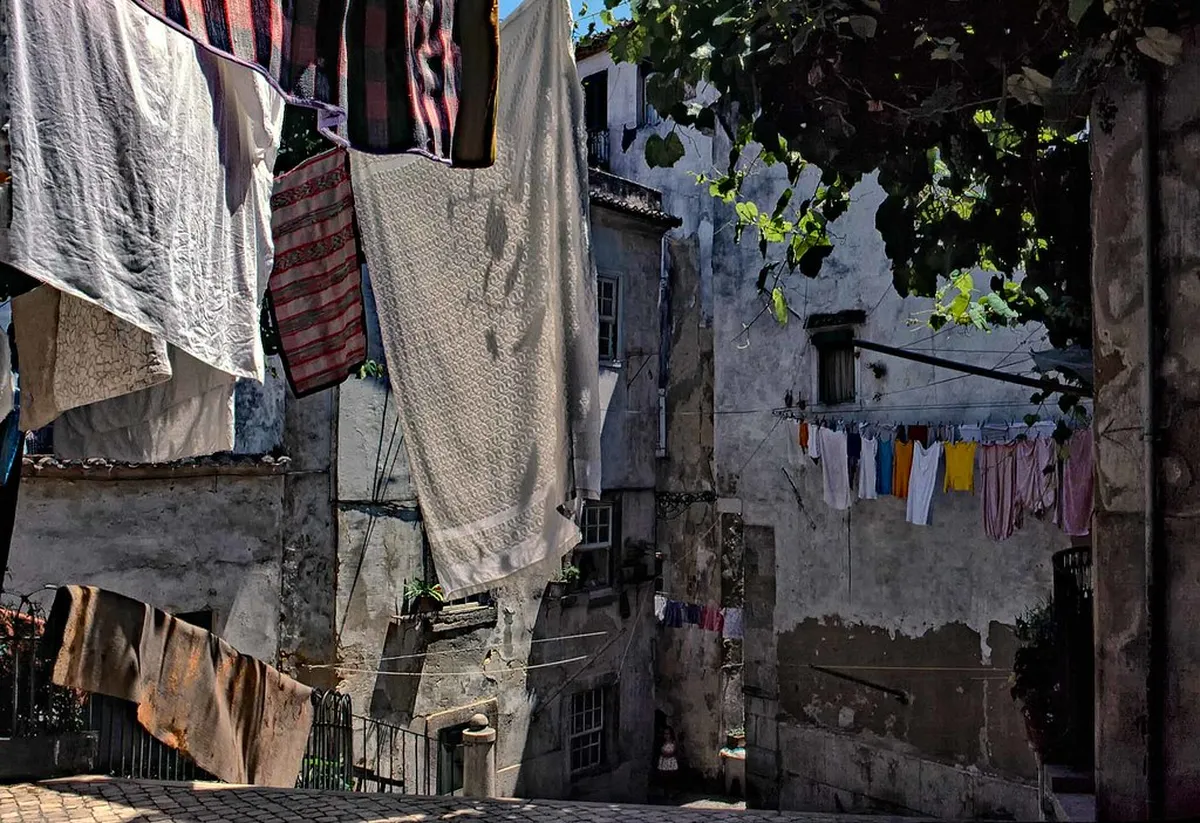
The Portuguese word saudade is often used to explain Fado, but in Alfama it belongs to small rooms, late dinners, narrow streets, and voices that rise without needing a large stage.
The Fado Museum at Largo do Chafariz de Dentro gives useful context before an evening performance. It explains the guitars, recordings, performers, and social history behind a tradition now recognized internationally.
For a deeper night itinerary, pair this history with a dedicated guide to the best Fado houses in Lisbon. In Alfama, the best experience is usually an intimate house on Rua dos Remedios, Beco do Espirito Santo, or nearby lanes rather than a large tourist show.
Iconic Landmarks and Historic Sites in Alfama
Alfama's landmarks work best when visited as a sequence rather than a checklist. Start high at the castle, descend through viewpoints and church squares, then end near the old riverside.
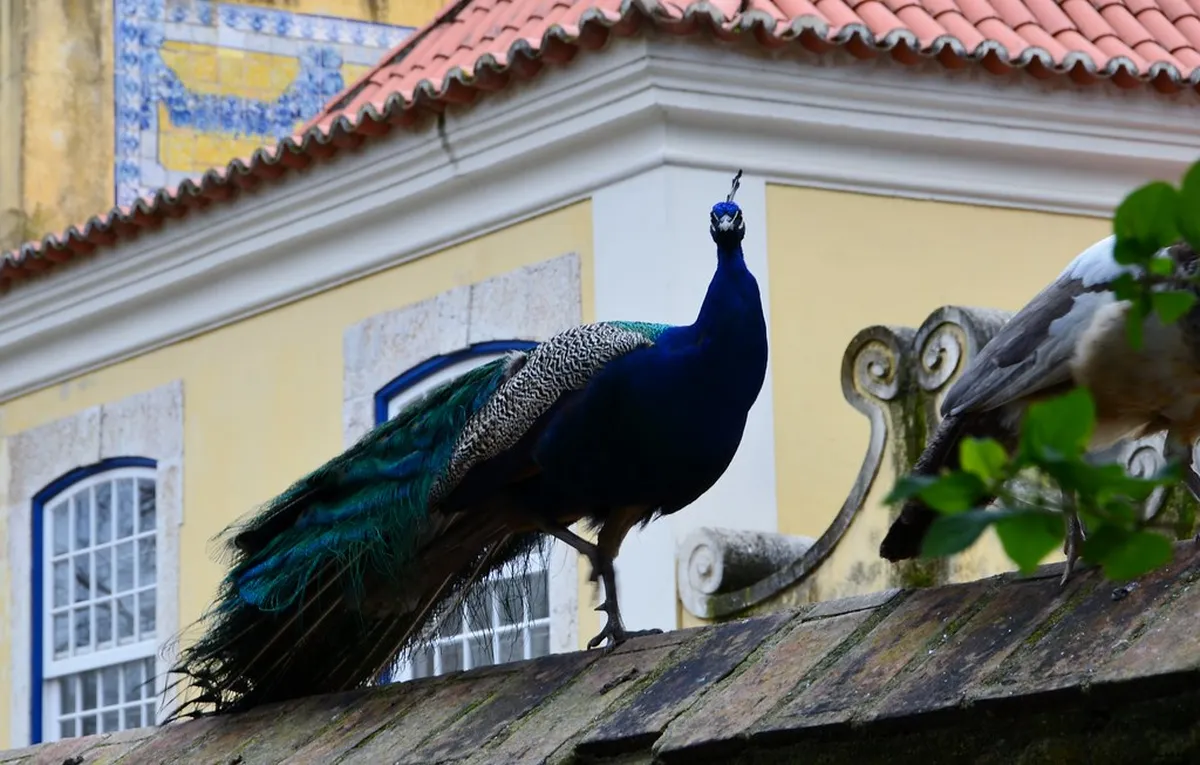
Castelo de São Jorge medieval history anchors the upper district. Its walls preserve the logic of hilltop defense, and its archaeological area points back to earlier Roman, Visigothic, and Moorish occupation.
Below the castle, the Sé de Lisboa stands with a fortress-like Romanesque facade built after the 1147 conquest. Its cloister excavations reveal deeper layers, making the cathedral a good place to understand how Christian Lisbon was built directly over older urban life.
The Roman Theater Museum is the most overlooked ancient stop in Alfama. Many visitors race to the castle, but the theater remains are the clearest accessible reminder that this hillside was already part of a Roman city nearly two thousand years ago.
| Sight | What it is | Good to know |
|---|---|---|
| Castelo de São Jorge | Hilltop castle anchoring the upper district, with walls and an archaeological area reaching back to Roman, Visigothic, and Moorish occupation. | Highest point of the quarter — start here and walk downhill. |
| Miradouro de Santa Luzia & Portas do Sol | Twin viewpoints (largos) over Alfama's rooftops and the Tagus River. | Use them as orientation points as you descend. |
| Sé de Lisboa | Fortress-like Romanesque cathedral built after the 1147 conquest, with cloister excavations revealing older layers. | A clear place to see Christian Lisbon built over earlier urban life. |
| Roman Theater Museum | Remains of the theater of Roman Olisipo, near Rua de São Mamede. | The most overlooked ancient stop — easy to miss on the rush to the castle. |
| Fado Museum | Museum on the guitars, recordings, and social history of Fado, at Largo do Chafariz de Dentro. | Useful context before an evening Fado performance. |
| Lower Judaria lanes | The old Jewish quarter around Rua de São João da Praça, with reused stones and carved marks. | Walk slowly and read the pattern rather than any single mark. |
The Hidden Springs, Stone Walls, and Judaria Traces
The most rewarding Alfama history is often below eye level. Near Rua das Pedras Negras, the memory of the old al-hamma springs survives in the place-name and in the neighborhood's long relationship with water, washing, fountains, and bathing.
Lower Alfama also rewards a slow Judaria walk. Move between the cathedral edge, Rua de Sao Joao da Praca, and the lanes leading toward Largo do Chafariz de Dentro, looking for older stones reused in walls, small carved marks, and street lines that do not follow later planning logic.
Do not treat every mark as proof of a single story. Alfama has been rebuilt, patched, and reused for centuries, so the value is in reading the pattern: Jewish, Moorish, Christian, maritime, and working-class traces sharing the same walls.
Exploring Alfama: Practical Tips for Navigating the Labyrinth
Alfama is easiest to understand from top to bottom. Begin near Castelo de Sao Jorge or Portas do Sol, then descend through Santa Luzia, the cathedral, and the lower lanes toward the Fado Museum.
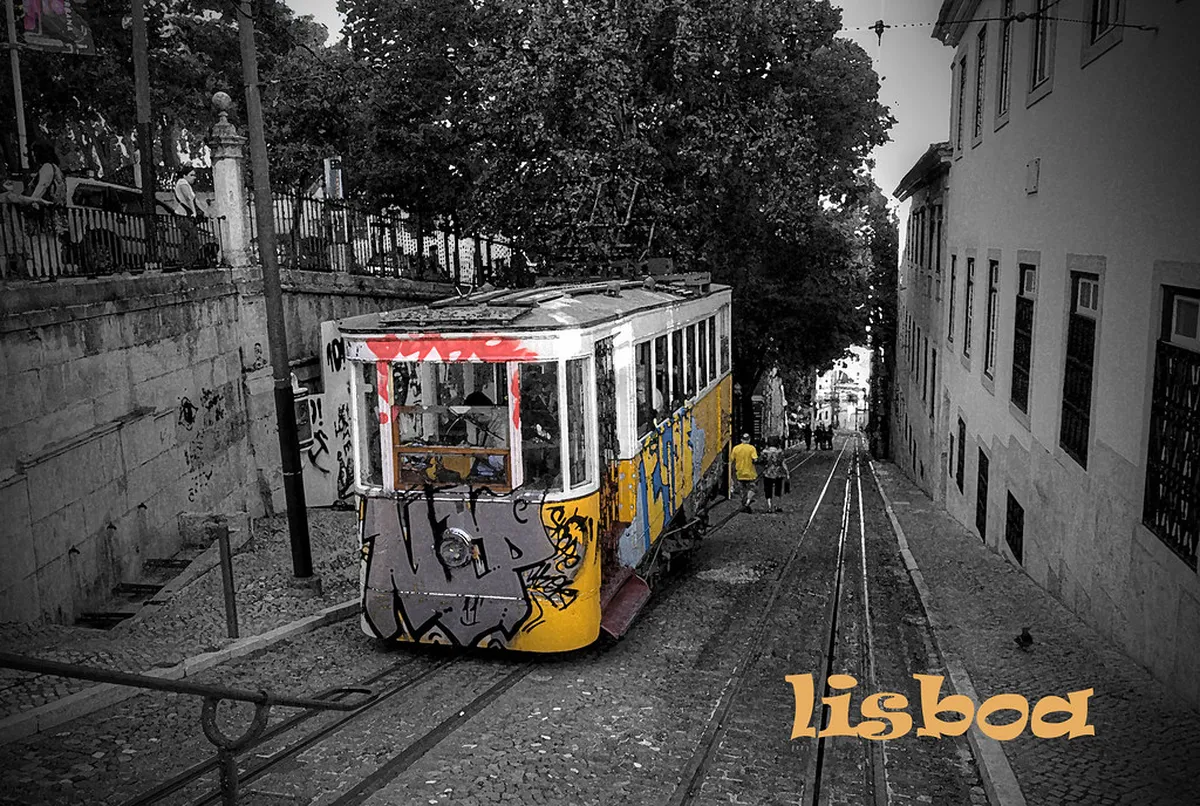
Tram 28 is scenic, but by 2026 it is also one of Lisbon's most crowded visitor routes. Use it early in the morning if you want the experience, then walk the smaller stairways where the real district appears.
Tram 28 is at its quietest before 09:00. Boarding at the Martim Moniz stop heading uphill gives you the scenic ride with far fewer crowds than midday departures from the Baixa end.
Many lists of the most important things to do in Lisbon include simply getting lost in Alfama. That advice works only if you respect the neighborhood as a residential place: keep voices low at night, do not block doorways for photos, and step aside on narrow stairs.
For a simple local stop, try ginjinha from a small counter or stool-and-table vendor rather than a polished souvenir shop. A small glass often costs EUR1 to EUR2, and locals may drink it with the cherry in the cup.
- Start high and walk downhill if steep climbs are difficult.
- Wear shoes with grip because polished calçada stones become slippery after rain.
- Use Largo das Portas do Sol and Miradouro de Santa Luzia as orientation points.
- Visit Fado venues after 20:00, but book ahead for intimate rooms with limited seats.
Alfama's polished calçada portuguesa (limestone cobblestone) pavements become dangerously slippery when wet. Smooth-soled shoes or sandals significantly increase fall risk on the steeper lanes — wear rubber-soled footwear even if rain is only forecast.
How to Experience Alfama’s History in 2026
In 2026, the best Alfama visit balances history with patience. The district is popular, but its strongest details still appear in quiet morning streets, church thresholds, worn steps, and old stone corners before the first large tour groups arrive.
A practical route starts at the castle, continues to Portas do Sol and Santa Luzia, drops to the Roman Theater Museum and Sé, then finishes around Largo do Chafariz de Dentro for the Fado Museum or an evening meal.
If you want the oldest layers, prioritize the Roman Theater Museum, the cathedral cloister, the castle archaeology, Rua das Pedras Negras, and the lower Judaria lanes. If you want living culture, add a Fado house and a small ginjinha stop rather than another viewpoint photo.
Alfama's history is not only in monuments. It is in how the neighborhood still asks visitors to slow down, listen through open windows, and notice how much of Lisbon's pre-earthquake city remains under everyday life.
Self-Guided Alfama Walking Route
This route works with Alfama's slope rather than against it, starting at the castle heights and descending to the old waterfront over roughly 1.5 to 2 hours of unhurried walking and viewing.
- Start — Castelo de São Jorge: Take in the hilltop ramparts and the archaeological area that points back to Roman, Visigothic, and Moorish occupation, then leave by the main gate and head downhill into the lanes.
- Largo das Portas do Sol: Pause at this classic viewpoint over Alfama's rooftops and the Tagus, using it as your first orientation point before dropping further.
- Miradouro de Santa Luzia: Just below Portas do Sol, this smaller, quieter viewpoint with its tiled panels marks the next step down toward the cathedral.
- Roman Theater Museum: Continue down toward Rua de São Mamede to the easily missed theater remains of Roman Olisipo — the oldest accessible layer on the walk.
- Sé de Lisboa: Reach the fortress-like Romanesque cathedral built after the 1147 conquest; its cloister excavations show how Christian Lisbon was built directly over older urban life.
- Judaria lanes (Rua de São João da Praça): From the cathedral edge, wander the lower Judaria lanes, watching for reused stones and carved marks before heading toward the old waterfront.
- Finish — Largo do Chafariz de Dentro: End at the Fado Museum for context on the music, then settle in for an evening meal or an intimate Fado house on Rua dos Remédios or a nearby lane.
Frequently Asked Questions
What is Alfama known for historically?
Alfama is primarily known for being the oldest neighborhood in Lisbon and the birthplace of Fado music. Its history spans from Roman times through the Moorish occupation. You can explore this rich timeline at various historic quarters throughout the city.
Why is Alfama considered one of Lisbon's oldest neighborhoods?
It is considered the oldest because it was the only major district to survive the 1755 earthquake. Its foundation on solid basalt rock protected its medieval street plan. This survival preserved the original Moorish and medieval urban layout for modern visitors.
Can visitors experience Alfama's history firsthand in 2026?
Yes, visitors in 2026 can explore ancient Roman ruins, Moorish walls, and traditional Fado houses. Many historic sites have updated their facilities to provide better educational contexts. Walking tours remain the best way to see the architectural markers of the past.
How did Alfama survive the 1755 earthquake?
The district survived because it sits on a dense geological formation known as the Basaltic Complex. This volcanic rock acted as a natural shock absorber against the seismic waves. Most of the city's softer ground led to total collapse elsewhere.
Alfama remains the beating heart of Lisbon, offering a direct connection to the city's ancient past.
From Roman ruins to the soulful notes of Fado, every alleyway tells a story of resilience.
Planning a visit to this historic labyrinth ensures an unforgettable experience in the Portuguese capital.
Respect the local traditions and take your time to discover the secrets of this timeless neighborhood.
For the wider context, see our Lisbon oldest neighborhoods historical guide.
For related Lisbon old-quarter deep-dives, see our Mouraria — Lisbon's Moorish Quarter and Bairro Alto's Bohemian History guides.