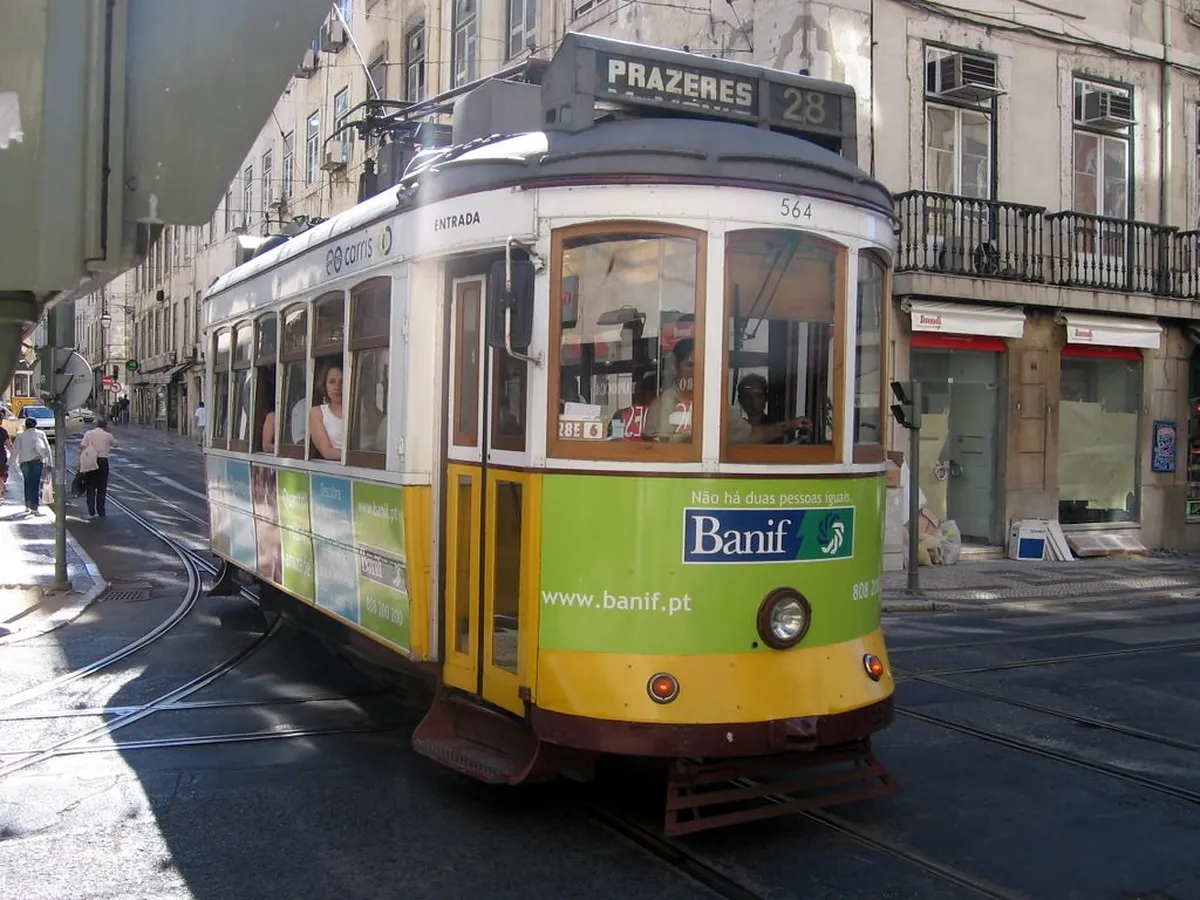
Chiado is Lisbon's most concentrated literary quarter, where bookshops, cafes, theaters, clubs, and satirical public art sit within a short walk of Rua Garrett. This 2026 guide focuses on the historic places that still help visitors understand Fernando Pessoa, the bica espresso, and the intellectual circles that shaped modern Portuguese culture.
Start early if you want A Brasileira, Bertrand, and Benard before the midday crowds. Skip the generic souvenir shops near Rua do Carmo and spend your time in the rooms that still preserve Chiado's older habits: reading, arguing, lingering over coffee, and treating a cafe table as part of the cultural life of the city.
A Brasileira do Chiado: The Iconic Literary Hub
A Brasileira is the essential first stop because it gives Chiado's literary story a visible address: Rua Garrett 120-122, beside the Baixa-Chiado metro exits. Adriano Teles opened the cafe in 1905 to promote Brazilian coffee from Minas Gerais, and the room soon became a meeting place for writers, artists, journalists, and modernists. Its gilded mirrors, dark wood, painted panels, and Art Deco mood still explain why visitors queue even when cheaper coffee is available nearby.
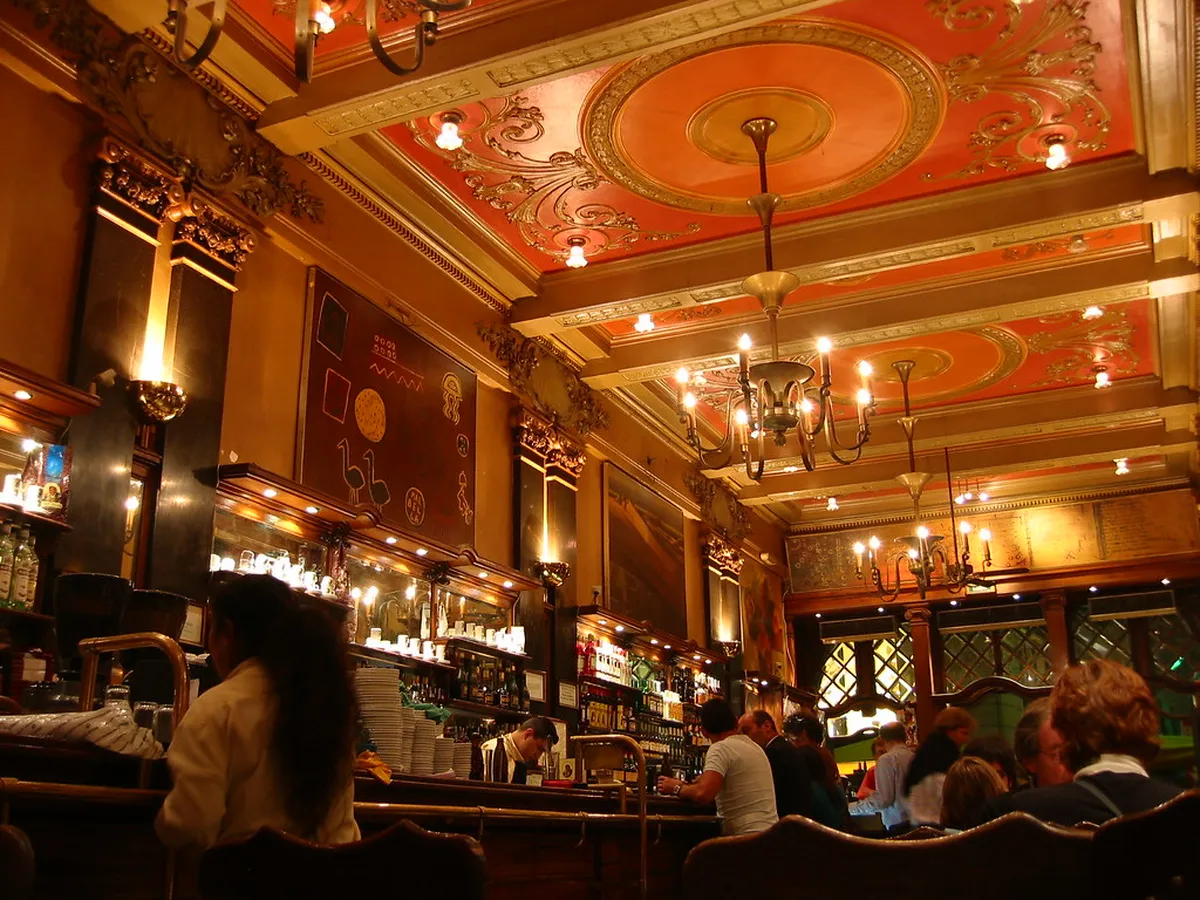
The bronze Fernando Pessoa statue outside is not just a photo prop. It was installed in 1988, on the centenary of Pessoa's birth, and shows the poet seated at a table with an empty chair beside him. Pessoa was a regular here, along with figures connected to Portugal's early twentieth-century avant-garde, including Mário de Sá-Carneiro and Almada Negreiros. For a deeper Pessoa walk, pair this stop with the nearby bohemian Bairro Alto streets where literary and political circles often crossed.
In 2026, come before 09:30 or after 21:00 if you want the room without the worst crowds. A counter bica is the cheapest way to experience the cafe, while a seated coffee and pastry on the terrace can feel expensive for Lisbon. Sit inside for the historic interior; sit outside only if the Pessoa statue photo matters more.
A counter bica at A Brasileira costs roughly EUR 1.50 to EUR 3 — far cheaper than a seated terrace order. Visit before 09:30 or after 21:00 to enjoy the Art Deco interior without the worst midday crowds.
Livraria Bertrand: Stepping Into the World's Oldest Bookstore
Livraria Bertrand is a short walk along Rua Garrett and anchors Chiado's bookish identity as strongly as A Brasileira anchors its cafe culture. Founded in 1732, it is recognized by Guinness World Records as the world's oldest operating bookstore. The current Chiado location became its home after Lisbon's post-earthquake reconstruction, so the shop also connects directly to the urban rebuilding that shaped the modern post-1755 city center.
The store is still useful, not just symbolic. You can browse Portuguese literature, translated fiction, travel writing, children's books, and a smaller English-language selection. If you buy a book, ask for the Bertrand stamp; it turns an ordinary purchase into a compact souvenir with real local context. Entry is free, and most visitors need 30 to 45 minutes.
Bertrand also matters because nineteenth-century intellectual life did not happen only at cafe tables. Booksellers, publishers, and newspapers formed the infrastructure behind the debates that later filled the cafes and clubs. Its links to Alexandre Herculano and Oliveira Martins make it a more substantial stop than many visitors expect from a busy shopping street.
The Bica Espresso and the Rise of Lisbon's Cafe Culture
The bica is the small espresso that defines a Lisbon cafe visit, and A Brasileira is often linked with the popular story behind the name. One explanation says the word came from the phrase "beba isto com açúcar", a prompt to drink the strong Brazilian coffee with sugar. Another explanation is more practical: bica simply became the Lisbon term for the short coffee pulled from the machine. Either way, ordering "uma bica" in Chiado places you inside a ritual that locals still understand instantly.
This matters for literary travel because the bica changed how people used public interiors. A small coffee could be ordered quickly at the counter, but it could also justify a long conversation, a newspaper, or a notebook at a marble table. By the early twentieth century, cafes were extensions of the newsroom, the salon, and the private study. A Brasileira's fame comes from that social role as much as from its decoration.
Expect a bica to cost more in historic Chiado cafes than in a neighborhood pastelaria. At the counter, budget roughly EUR 1.50 to EUR 3; at a prime outdoor table, the total can climb because you are paying for service and location. Pair it with a pastel de nata or croissant, and save larger meals for places where the food is the reason to sit down.
Pastelaria Benard: 19th-Century Elegance and Croissants
Pastelaria Benard gives the walk a gentler pause between the crowded icons. Founded in 1868 and moved to Rua Garrett in the early twentieth century, it belongs to the old Chiado pattern of pastry rooms, formal tea, and street-facing tables. The house is especially known for croissants, and it remains a good choice when A Brasileira feels too hectic.
The literary connection here is atmospheric rather than tied to one famous statue. Benard shows the social elegance that made Chiado a meeting ground for readers, theatergoers, journalists, and shoppers. Its location also makes it easy to link Bertrand, A Brasileira, and the theaters in one compact route. Check the official e-chiado.pt portal before a special holiday visit, because seasonal openings and cultural programming can shift.
For 2026 planning, treat Benard as a breakfast or mid-afternoon stop. A coffee and pastry can be modest if you order simply, while a fuller tea or snack service can move toward EUR 10 to EUR 15 per person. The best reason to choose it is not bargain pricing; it is the chance to sit in a historic Chiado room without making every minute revolve around Pessoa.
Grémio Literário de Lisboa: The Exclusive Intellectual Guild
Grémio Literário de Lisboa is the stop most visitors miss because it still feels private. Founded in 1846 under Queen Maria II and located since 1875 in Palacete Loures on Rua Ivens, it was created to promote letters, conversation, and cultural refinement. Its membership history is tied to Portuguese Romanticism, including Alexandre Herculano and Almeida Garrett, and it appears in the broader world of nineteenth-century literary Lisbon.
The key 2026 detail is access. Do not expect to wander in like a museum visitor, but non-members can usually experience the building by reserving the restaurant for lunch or dinner. That reservation may also allow a look toward the garden, one of Chiado's most elegant hidden spaces. Confirm directly before going, dress smart-casual, and do not treat the lobby as a sightseeing shortcut.
Grémio is more formal and expensive than a coffee stop, with meals often around EUR 30 to EUR 60 per person depending on the menu and wine. It is best for travelers who want a quiet architectural and literary setting, not for anyone trying to tick off eight places in two hours. Choose Grémio for exclusivity and A Brasileira for public symbolism.
Grémio Literário de Lisboa is not open to walk-in visitors. Non-members must book a table at the restaurant in advance to access the building. Confirm availability directly before visiting and follow the smart-casual dress code.
Café Nicola: A Legacy of Enlightenment Debates
Café Nicola sits outside Chiado proper, on Rossio, but it belongs in this literary route because the old intellectual geography of Lisbon did not stop at one district border. Its story begins with the eighteenth-century Botequim do Nicola, associated with Nicola Breteiro, before the modern Cafe Nicola identity took shape in the twentieth century. The current facade and interior references make it one of the easiest historic cafes to recognize on Praça Dom Pedro IV.
The literary figure attached to Nicola is Bocage, the sharp eighteenth-century poet whose satirical spirit fits the cafe's reputation for debate and social agitation. The paintings and references inside can feel commercial today, but they point back to a period when coffee houses helped circulate political argument, poetry, and gossip. This makes Nicola a useful contrast with A Brasileira: older roots, more Rossio bustle, and a stronger Enlightenment flavor.
Visit Nicola if your walk continues downhill into the Baixa district. A quick coffee keeps the stop affordable, while a full meal can cost much more than the literary value alone justifies. The best approach is to look at the facade, step inside for the Bocage connection, and decide whether the room feels calm enough before committing to a table.
Martinho da Arcada: The Oldest Cafe in Lisbon
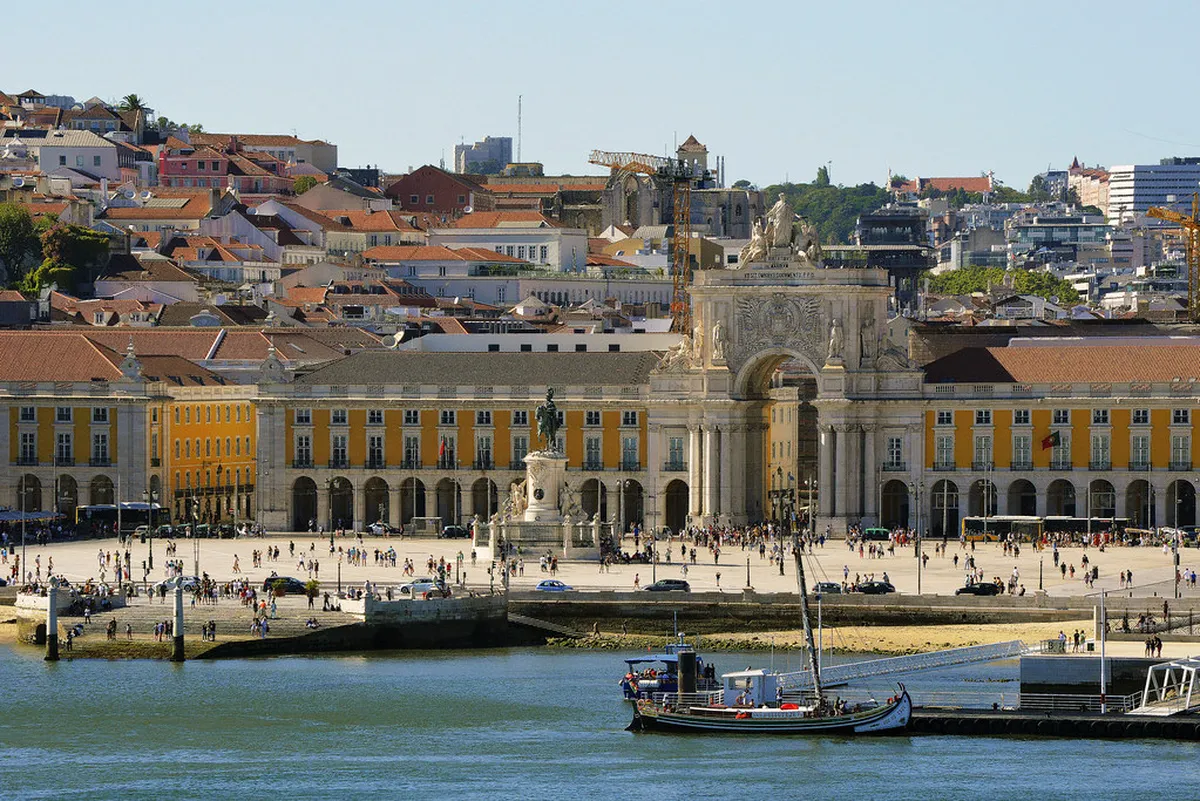
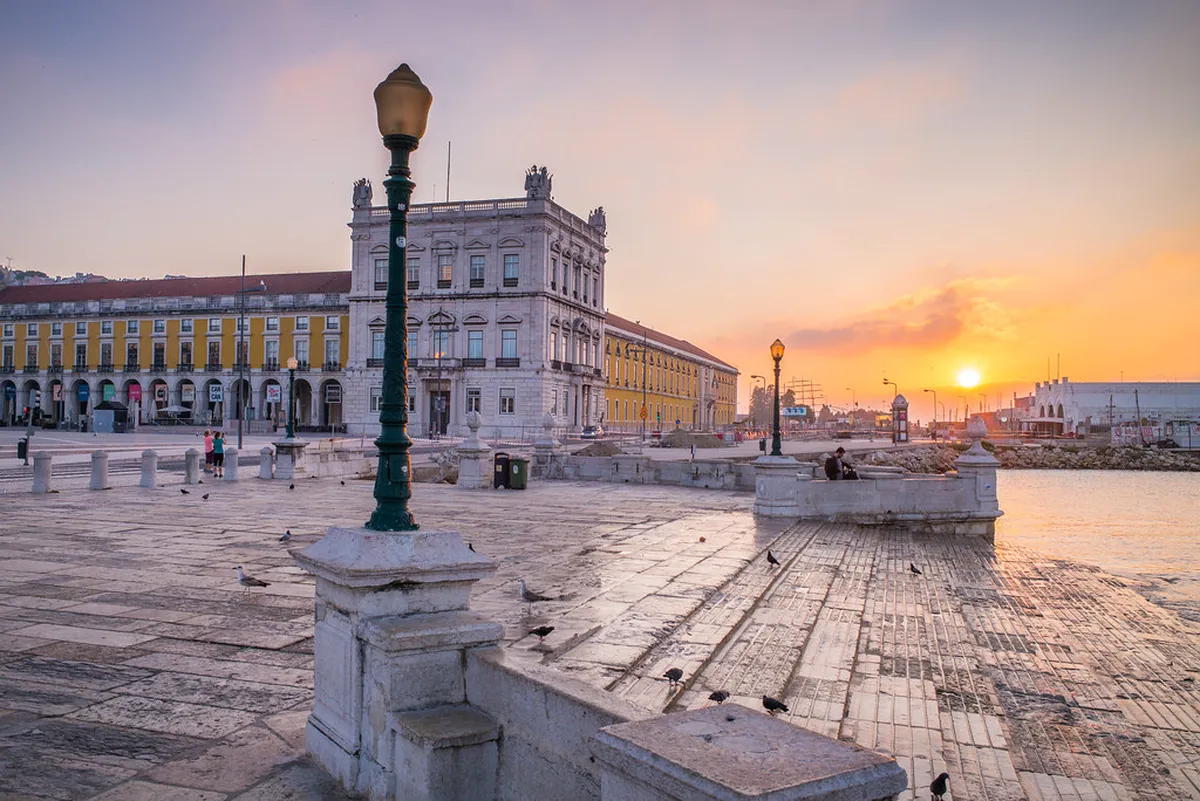
Martinho da Arcada is in Praça do Comércio rather than Chiado, but it closes the Pessoa circuit better than almost any other cafe in Lisbon. Founded in 1782 and known by its current name since the nineteenth century, it has served politicians, artists, soldiers, and writers for more than two centuries. Its arcaded setting places it in the grand riverfront geometry of the rebuilt capital.
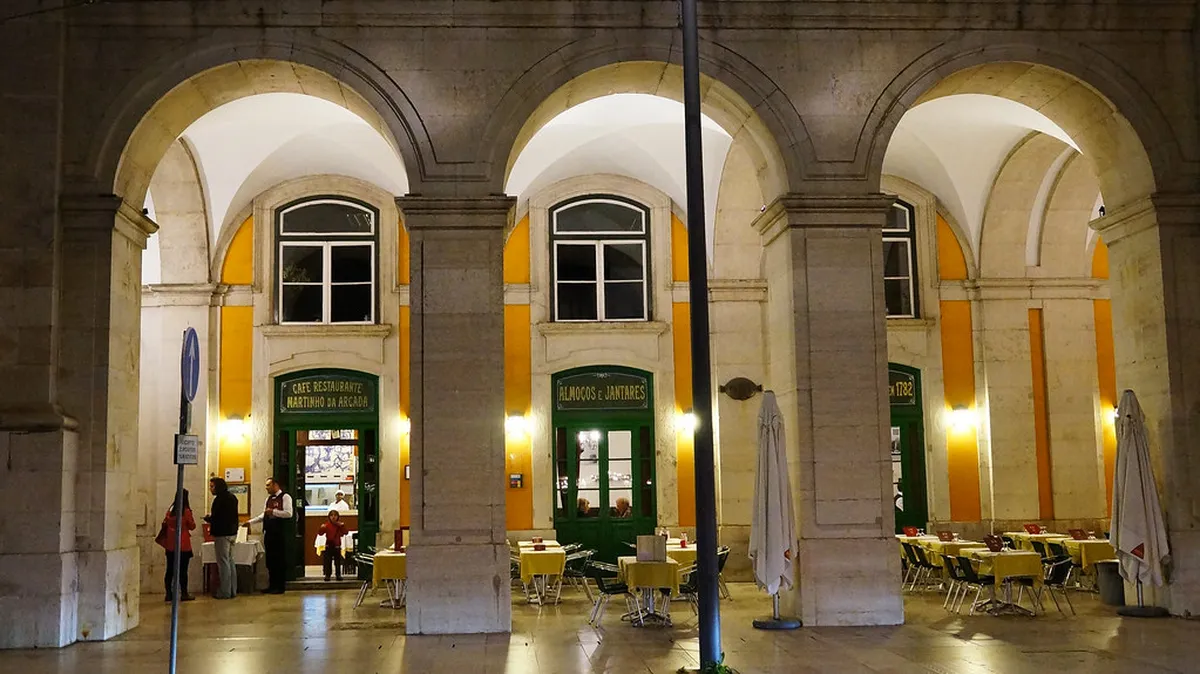
Pessoa's association with Martinho da Arcada is more intimate than a statue queue. He used the cafe as a writing and dining address, and the house still leans into that memory. Ask politely about the Pessoa table if the room is quiet, but do not expect a private shrine. The point is to understand how his Lisbon stretched from Chiado's cafe terraces to the formal squares of Baixa.
For practical planning, Martinho works better for lunch or dinner than for a fast literary checklist. Main courses can sit around EUR 22 to EUR 40, and reservations are sensible during spring, summer, and December weekends. If you are following this route on foot, descend from Chiado through Baixa and finish here near the river rather than climbing back uphill afterward.
Rafael Bordalo Pinheiro Square: Art Meets Literature
Rafael Bordalo Pinheiro Square is small, free, and easy to miss, yet it gives the route an important satirical edge. Bordalo Pinheiro was a caricaturist, ceramicist, and social critic, best known for creating Zé Povinho, the everyman figure who became a sharp symbol of Portuguese popular identity. His world of caricature belongs beside the writers of Chiado because satire, journalism, theater, and literature fed one another in the same urban circles.
The square also connects to the 1871 Democratic Conferences at the Casino Lisbonense, led by Antero de Quental and associated with the Geração de 70. That group included major intellectuals such as Eça de Queirós and helped modernize Portuguese cultural debate. Pessoa later treated Antero as an important precursor, so the square quietly links nineteenth-century reformist argument to twentieth-century modernism.
The square can feel less polished than the famous cafe interiors, but it rewards context: caricature as a literary weapon, ceramics as social commentary, and public space as cultural memory. Allow 15 to 20 minutes, then continue toward Carmo or stop at Paris in Lisbon for a historic retail detour nearby.
Casa Fernando Pessoa: The Poet's Final Sanctuary
Casa Fernando Pessoa is not in Chiado, but it is the right final stop if Pessoa is the reason you came. The museum occupies his former home in Campo de Ourique, where he lived from 1920 until his death in 1935. It holds a library, exhibitions, and material that helps turn the cafe mythology into a fuller picture of the writer's working life.
The move from Chiado to Campo de Ourique also helps correct a common first-timer mistake. Pessoa was not only the man in the bronze chair outside A Brasileira. He was a translator, advertising writer, critic, and creator of heteronyms with distinct biographies and voices. Seeing the house after the cafes makes the public image feel less flat.
Plan this as a separate add-on rather than a casual extension of the Rua Garrett walk. Campo de Ourique is reachable by tram, bus, taxi, or a longer walk, but it is not next door. In 2026, check the museum's current schedule before going and allow at least one hour if you want more than a quick look at the displays.
How to Order, Linger, and Avoid the Tourist-Trap Feeling
The easiest way to enjoy Chiado's famous cafes is to decide what kind of visit you want before sitting down. If you want value, order a bica at the counter, drink it standing, and move on. If you want architecture, ask for an inside table and accept that the bill buys time in a historic room. If you want a photograph, take it quickly and do not block servers or regular customers.
Portuguese cafe etiquette is relaxed but not careless. Greet staff with "bom dia" or "boa tarde", order clearly, and ask for the bill with "a conta, por favor" when you are ready. Lingering over one coffee is normal when the room is not under pressure, but it is less graceful when a queue is forming. Carry a little cash for small orders even though most central places accept cards.
The best route starts at Bertrand and A Brasileira before 10:00, moves through Benard and the Bordalo Pinheiro area, then drops toward Rossio or the river. This keeps the steepest climbing early and shows how Chiado fits into Lisbon's oldest neighborhoods instead of treating each cafe as an isolated stop.
| Place | Type | Approx Cost | Best Visit Time |
|---|---|---|---|
| A Brasileira | Historic cafe | EUR 1.50–3 (counter bica) | Before 09:30 or after 21:00 |
| Livraria Bertrand | Bookstore (free entry) | Free to browse | 30–45 min; any time |
| Pastelaria Benard | Pastelaria / tearoom | EUR 10–15 (tea/snack) | Breakfast or mid-afternoon |
| Grémio Literário | Private literary club | EUR 30–60 (lunch/dinner) | Reservation required |
| Café Nicola | Historic cafe (Rossio) | Low for quick coffee | On walk toward Baixa |
| Martinho da Arcada | Restaurant / cafe | EUR 22–40 (main course) | Lunch or dinner; reserve |
| Bordalo Pinheiro Square | Public square (free) | Free | 15–20 min; any time |
| Casa Fernando Pessoa | Museum / former home | Check current schedule | Allow 1+ hour; Campo de Ourique |
Frequently Asked Questions
Is Café A Brasileira worth the hype?
Yes, the cafe is worth visiting for its stunning Art Deco interior and historical significance. While it is often crowded, the architectural details and the connection to Fernando Pessoa provide a unique cultural experience. I recommend sitting inside to fully appreciate the mirrored walls and woodwork.
What is the oldest bookstore in the world?
Livraria Bertrand in Lisbon holds the Guinness World Record as the oldest bookstore still in operation. It was founded in 1732 and has survived earthquakes and political changes over the centuries. You can visit the original shop on Rua Garrett in the heart of Chiado.
How do I visit the Grémio Literário as a non-member?
Non-members can access the Grémio Literário by making a reservation at its private restaurant for lunch or dinner. This allows you to see the historic interior and the beautiful hidden garden. Be sure to book in advance and follow the smart-casual dress code.
Chiado remains a compact lesson in Lisbon's love of literature, art, and conversation. Visit slowly, choose the rooms that match your budget and curiosity, and leave time to sit with a book or a bica instead of turning the route into a checklist.