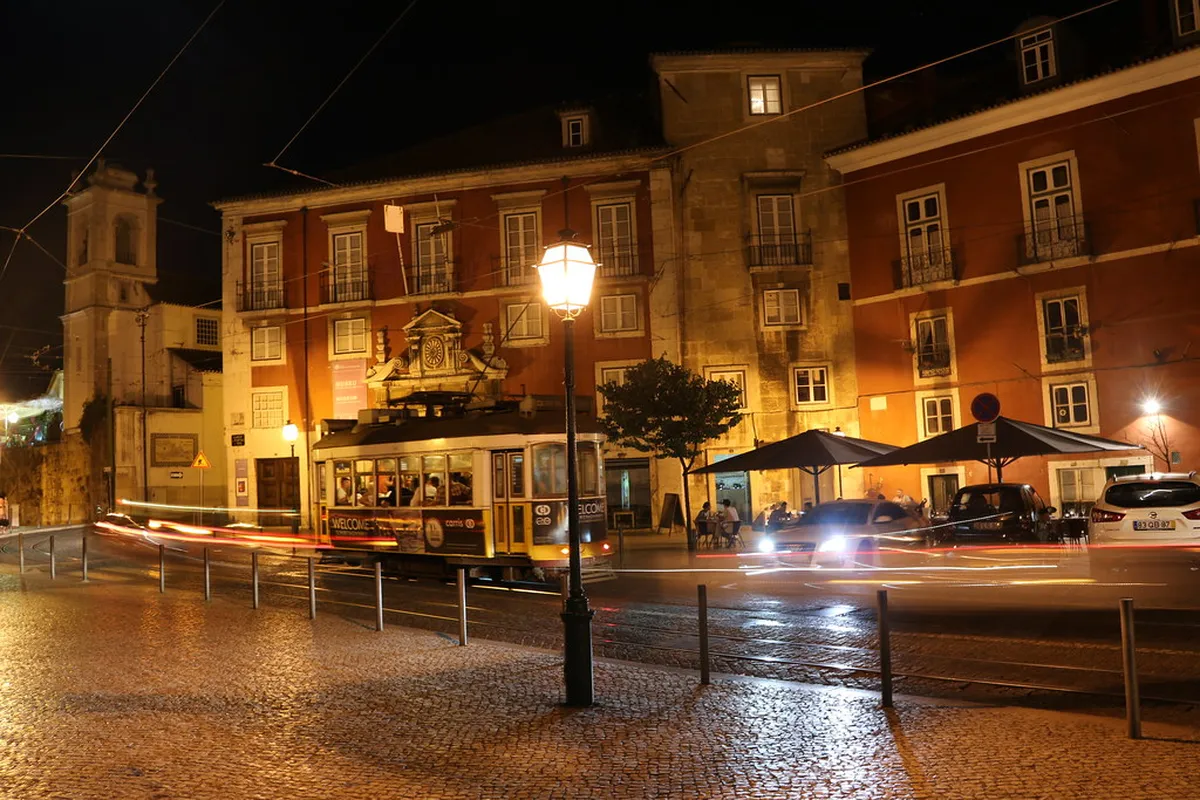
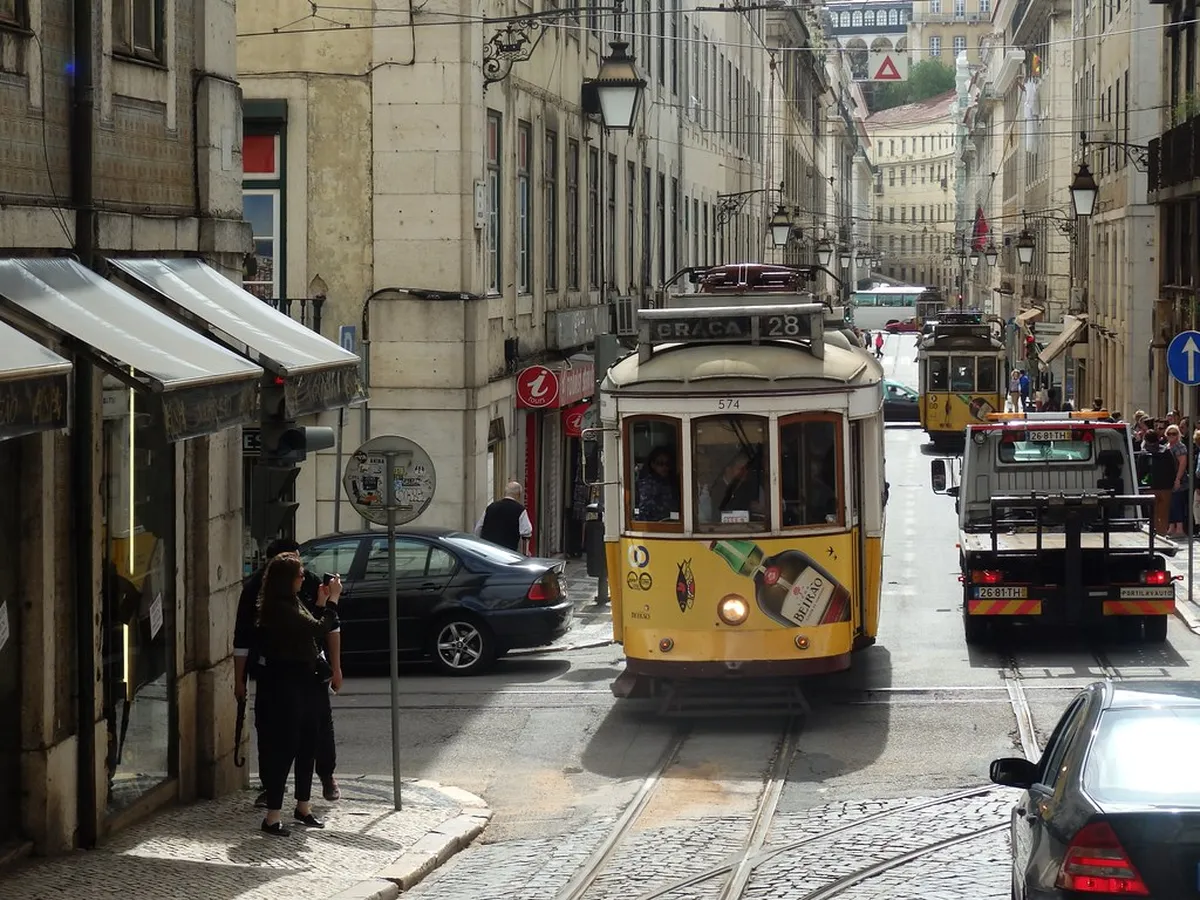
I have ridden every single tram line in this beautiful city, from the packed 28 to the empty 24. This guide was refreshed after my autumn return to Portugal to ensure all details are current. The yellow carriages are iconic symbols of the capital and offer a unique way to see the hills. You can find more information about the region on Historic Quarters for your trip planning.
While many visitors focus only on one route, the city offers several fantastic alternatives for sightseeing. I once spent forty minutes waiting at Martim Moniz only to find the tram was completely full. That experience taught me that the most famous option is not always the best one for every traveler. If you are short on time, pick the 12E for a faster Alfama experience without the long wait.
Remodelado vs. Articulado: Two Very Different Tram Types
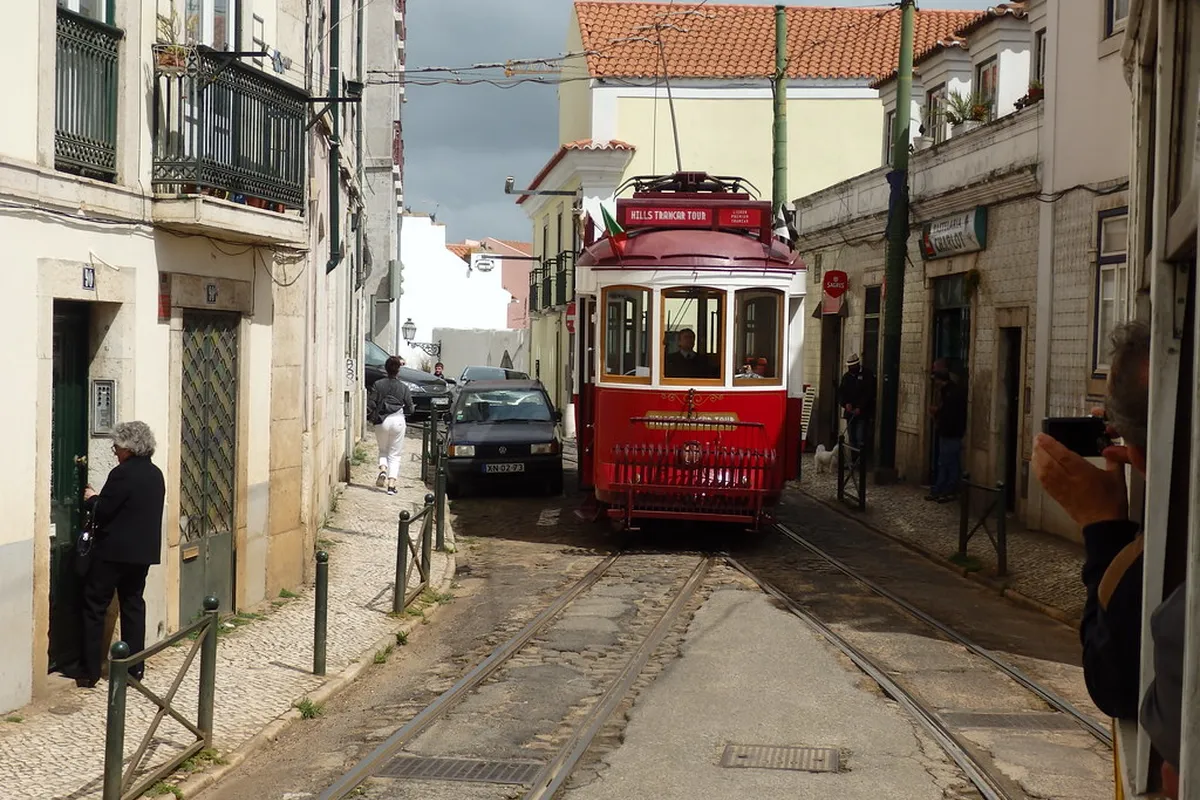
Lisbon operates two completely different classes of tram. The historic Remodelado trams are the small vintage yellow carriages dating to the 1930s. They rattle, screech, and creak through narrow hillside streets where no other vehicle can fit. Five of the six routes in the city run on Remodelado stock: the 12E, 18E, 24E, 25E, and 28E.
The modern Articulado trams are the large Siemens-built cars used exclusively on the 15E. They are air-conditioned, low-floor, and capable of carrying several times more passengers than the vintage models. The 15E is the only route that is fully flat and wheelchair accessible. If your priority is comfort or you are traveling with a stroller, the 15E is your only genuine option.
Understanding this split matters when choosing your route. The Remodelado lines give you the authentic historic-carriage experience. The Articulado line gives you modern transit. Neither is better in absolute terms — they serve different needs.
Why Tram 28 is the Most Famous Route in Lisbon
The historic tram 28 Lisbon route is world-famous for its incredible scenery and vintage charm. It connects Martim Moniz to Campo Ourique (Prazeres), threading through the Baixa, Alfama, Graça, and Estrela districts in one continuous 40-minute ride. No other single route in Lisbon crosses so many distinct historic neighbourhoods in a single journey. This is what makes the 28E irreplaceable for first-time visitors who want the full sweep of the city.
Passengers enjoy views of Saint George's Castle and the beautiful Sé Cathedral during the climb through Alfama. The tram rattles through Rua Augusta-adjacent alleys where you can almost reach out and touch the azulejo tiles. It serves as a vital link between the Baixa commercial district and the Campo Ourique neighbourhood for daily commuters as well. Riding this line in 2026 still feels like stepping back in time, even as the city around it modernises.
The Downside of Fame: Crowds and Pickpockets on the 28
The massive popularity of the 28E has created real problems for modern travelers. Wait times at the Martim Moniz terminal routinely exceed one hour between June and September. Trams fill to a capacity of around 30 people almost immediately, meaning many passengers must stand for the entire journey. The congestion is also why this route is the city's most active ground for professional pickpockets.
Always keep your bag in front of you and your phone out of reach during boarding — the push of crowds at stops is when theft happens most. One effective strategy is to board at Campo Ourique at the western end instead of the crowded Martim Moniz terminal. Riding in reverse often lets you find a seat before the crowds board. Always check the Carris Official Site for any temporary route closures or service updates before you travel.
Crowd levels vary significantly by season. In April, the 28E runs with manageable queues — 15 to 20 minutes at most — and the mild weather makes standing tolerable. By late July, the same stop at 10:00 can have 80-plus people in line. If your trip falls in peak summer and you only have one morning for Alfama, strongly consider the 12E instead.
The 28E is the city's most active ground for professional pickpockets. Keep your bag in front of you and your phone out of reach — theft most often happens during the push of crowds at boarding stops, especially at Martim Moniz in peak summer.
Tram 12E: The Best Alternative for Alfama Views
If you want to see the Alfama district without the stress, the 12E is your best choice. This line runs in a short clockwise loop starting and ending at Praça da Figueira, and covers much of the scenic hillside section shared with the 28E. You can view the Lisbon tram map all routes to see exactly how they overlap near the castle area.
The full loop takes about 21 minutes and passes by the Portas do Sol viewpoint and offers a glimpse of the Sé Cathedral on the descent. Most tourists bypass this line, so a window seat is easy to find even at midday. The timetable runs roughly every 15 to 25 minutes from 08:00 to 20:45 Monday to Friday, and 09:00 to 20:15 on weekends. If you have 30 minutes and want the Remodelado experience without the queues, this is the most efficient choice in the city.
Tram 15E: Modern Comfort to the Belém District
The 15E route is fundamentally different from the historic lines. It uses large Articulado trams that run flat along the riverfront from Praça da Figueira all the way to Algés, well past the Belém monuments. The journey from central Lisbon to the Jerónimos Monastery takes around 30 minutes in light traffic. This is the primary route for visitors heading to the Torre de Belém, the Pastéis de Belém pastry shop, and the MAAT museum.
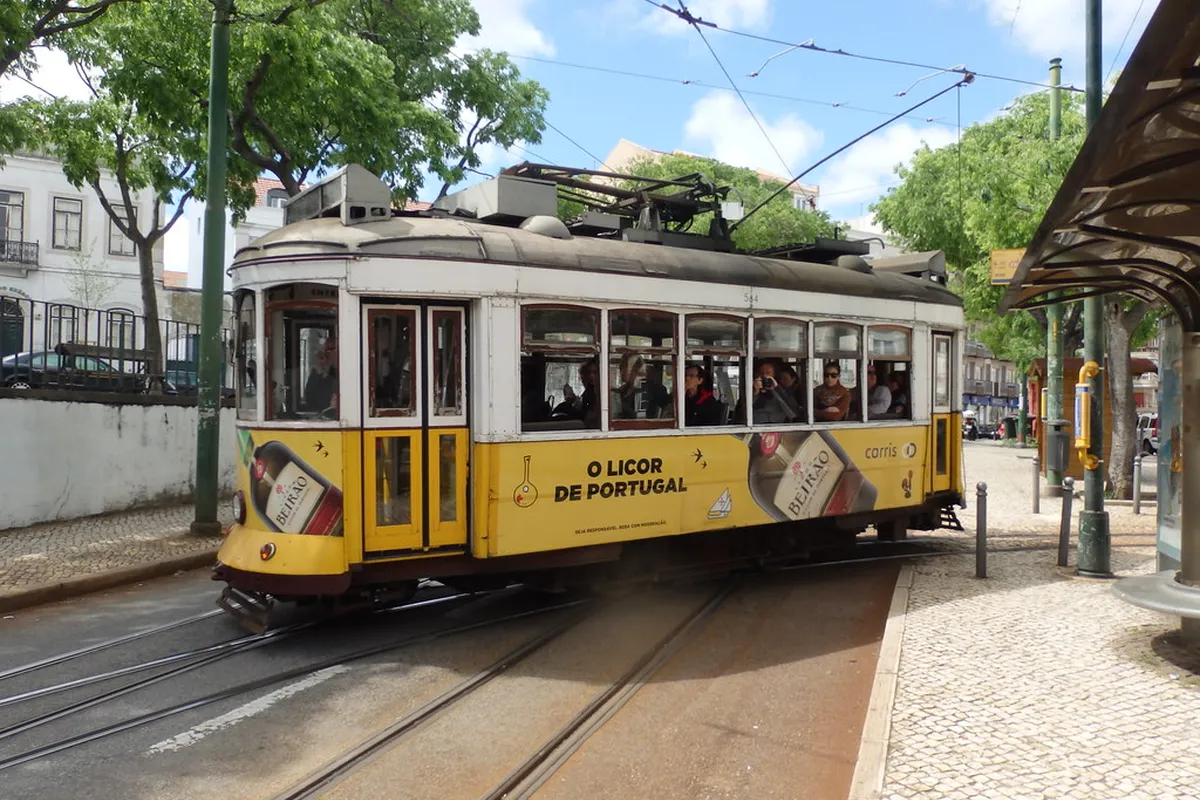
The 15E is the only route fully accessible for wheelchairs and large strollers — the historic Remodelado trams have steep entry steps and narrow doors that rule them out entirely for mobility-impaired travelers. You can also find more details on tram attractions along the route that connect to this line. Note that pickpockets also operate on the crowded 15E — the same vigilance applies as on the 28E.
Tram 18E: The Quiet Ride to Ajuda
The 18E is the least-visited of the historic Remodelado routes, which is precisely its appeal. It runs between Cais do Sodré and Cemitério da Ajuda, following a similar riverside corridor to the 15E before branching north into the residential Ajuda neighbourhood. The full one-way ride takes about 30 minutes. Almost no tourists board it intentionally.
The route descends Calçada da Ajuda on the return leg, offering fleeting views of the Rio Tejo below — a genuinely local perspective that the 28E crowds will never experience. The 18E timetable runs approximately every 30 minutes from 06:20 to 20:15 on weekdays; Saturday service is limited and the route does not run on Sundays or in August. Plan accordingly if you want to combine it with a walk to the Palácio Nacional da Ajuda. For a no-crowds Remodelado ride, the 18E and the 24E are your two best options in 2026.
Tram 24E: The Scenic Route to Campolide
The 24E is often called the hidden gem of the local transport network. Suspended for 23 years, it was restored in April 2018 and now runs between Largo do Camões in Chiado and Campolide, climbing through the elegant Príncipe Real neighbourhood. The route is among the quietest in the city — tourist density on this line is close to zero at most hours.
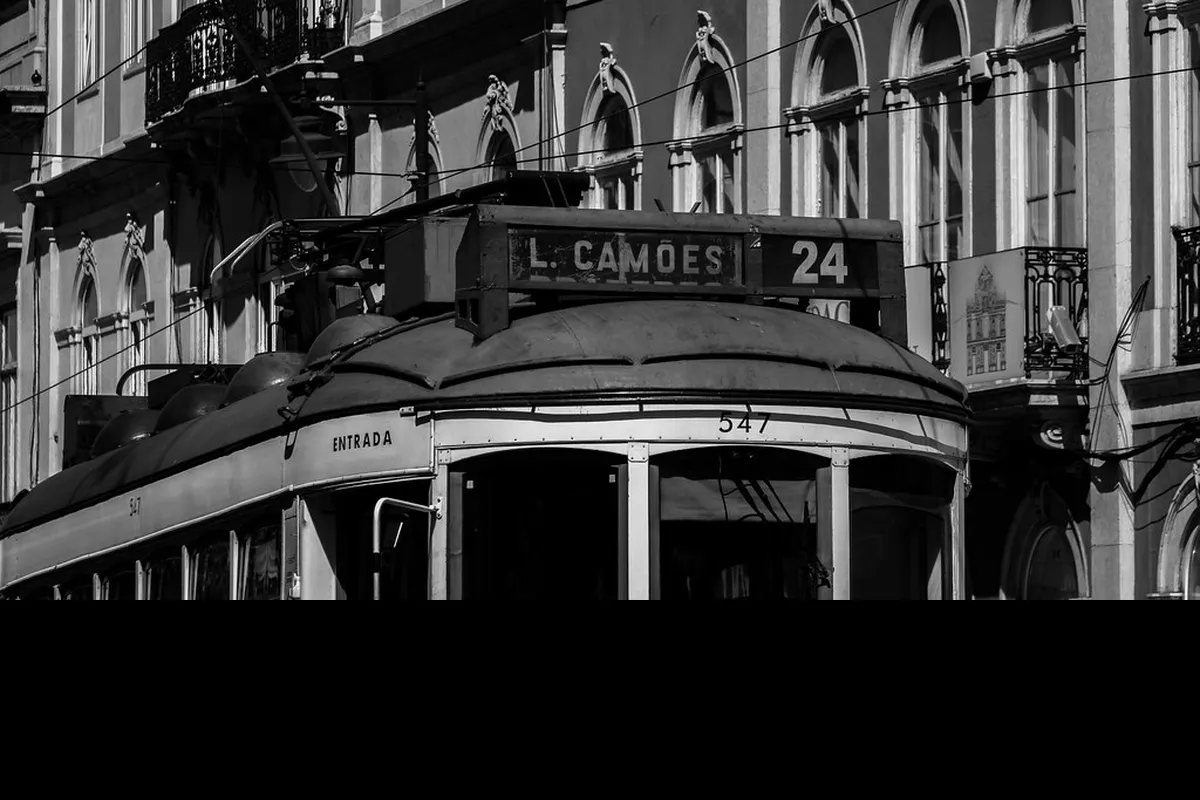
You can find excellent local restaurants near the final stops in the Campolide area, and the Jardim das Amoreiras is a beautiful quiet park located directly along this line. A useful strategy is to ride north to Príncipe Real, explore the antique shops and garden squares on foot, then walk south back through Chiado — the downhill return is easy and pleasant. According to Lisbon Guru, this line provides some of the best garden views in the city. My honest recommendation is the 24E followed by a long lunch in Príncipe Real.
Funiculars and the Santa Justa Lift: The Vertical Alternatives
Lisbon's three funiculars and one vertical lift are operated by Carris on the same fare system as the trams. They are not tourist attractions in the commercial sense — locals use them daily. The Ascensor da Bica connects Rua de São Paulo to Largo do Calhariz and is widely considered the most photogenic funicular in the city. The Ascensor da Glória climbs from Praça dos Restauradores up to Bairro Alto in about two minutes — a useful link if you are heading to the miradouros there at night.
The Ascensor do Lavra is the oldest of the three and the least visited. It climbs Calçada do Lavra to a small park, Jardim do Torel, which offers panoramic views over Baixa without the crowds of the main viewpoints. The Elevador de Santa Justa is the only vertical lift, built in 1902, connecting Rua do Ouro to the Carmo ruins at the top. It now functions primarily as a tourist attraction and the queue can be long — but walking five minutes uphill to Largo do Carmo gives you the same elevated view for free via the terrace beside the upper Santa Justa exit.
All four accept the Navegante card and the Carris/Metro day ticket. Timetables align roughly with the tram network — check Carris for the current schedule, as funiculars occasionally close for maintenance without notice.
The Anti-28 Walking Strategy: Bairro Alto to Cais do Sodré
None of the competitors covering this topic mention what locals actually do when the 28E queue is too long: they walk. The descent from Bairro Alto to Cais do Sodré takes 20 to 25 minutes on foot and passes through Chiado, Rua Nova do Carvalho (also known as Pink Street), and the Santos neighbourhood. You get river views, street art, several of the best natural wine bars in the city, and arrive at the LX Factory area without standing in a single queue.
The route is: start at Praça Luís de Camões → walk south down Rua do Alecrim → cross Largo de Santos → continue to Cais do Sodré and the Time Out Market Lisboa. From Cais do Sodré you can catch the 15E to Belém or the 18E north. This walk functions as a complete alternative morning itinerary for anyone who arrived at the 28E stop and saw a 60-minute queue. It is not a compromise — it is a better use of an hour for most travelers.
Wait-Time and Scenery Comparison Table
Choosing the right tram depends on your priorities for speed, comfort, and sightseeing goals. This table compares the most popular lines to help you make a quick decision. All single-journey fares are in EUR. On-board cash fares apply to all historic Remodelado lines and the 15E.
| Route | Best for | Scenery highlight | Crowd level | On-board fare | Journey time | Peak wait | Tram type |
|---|---|---|---|---|---|---|---|
| 28E | Full historic neighbourhood sweep | Alfama, Graça, Estrela, Sé Cathedral | Very high (tourist) | €3.00 | 40 min | 60–90 min | Remodelado |
| 12E | Alfama loop, short on time | Portas do Sol viewpoint, Sé Cathedral | Low–medium | €3.00 | 21 min | 5–10 min | Remodelado |
| 24E | Príncipe Real, quiet ride | Príncipe Real gardens, Chiado | Very low | €3.00 | 20 min | 5 min | Remodelado |
| 18E | Ajuda, local experience | Rio Tejo views, Calçada da Ajuda | Near zero | €3.00 | 30 min | 0 min | Remodelado |
| 15E | Belém, accessibility | Riverfront, Torre de Belém, MAAT | Medium (tourist) | €3.00 | 30 min | 10–15 min | Articulado |
Practical Guide: Tickets, Fares, and the Navegante Card
Understanding the fare system is essential for saving money while using the local transport network. You should avoid buying tickets from the driver because they cost significantly more than pre-paid options. The tram 28 Lisbon tickets guide explains exactly how to use the Navegante card for all routes. This rechargeable card uses a 'zapping' balance that reduces individual journey cost to around €1.55 on historic trams — roughly half the on-board cash price.
A Carris/Metro day ticket costs around €6.90 and gives unlimited rides for 24 hours across all trams, funiculars, the lift, and the bus network. For two or more tram journeys in a single day, the day ticket is worth buying. The best time to ride tram 28 Lisbon is before 09:00, when queues are short and the morning light on the azulejos is at its best. Pick up a Navegante card at any Carris or Metro station kiosk — the €0.50 card fee is refundable.
Using the rechargeable Navegante card reduces the per-journey cost to around €1.55 on historic trams — roughly half the on-board cash price of €3.00. For two or more rides in a day, the Carris/Metro day ticket at €6.90 is an even better deal and covers all trams, funiculars, and buses.
Instead of Tram 28, Take This Line for Each Stretch
The 28E packs five neighbourhoods into one ride, but you rarely want all five in a single sitting. The smarter move is to match the specific stretch you actually came to see with the substitute line that covers it without the queue. Each alternative below uses the same Carris fare — €3.00 on board, or roughly €1.55 with a zapping-loaded Navegante card as of 2026 — so the only thing you trade is crowd level, not money.
| Instead of the 28E for… | Take this line | Why it covers it | Where to board |
|---|---|---|---|
| Alfama, Portas do Sol, Sé Cathedral | Tram 12E | Shares the castle-hill loop with the 28E; 21-min circuit, seats easy to find | Praça da Figueira |
| Chiado, Príncipe Real gardens | Tram 24E | Quiet restored line through elegant Príncipe Real; near-zero tourist density | Largo do Camões |
| Riverside, Ajuda, a true local ride | Tram 18E | Riverside corridor to Ajuda; almost no tourists (no Sunday/August service) | Cais do Sodré |
| Belém monuments, step-free access | Tram 15E | Modern Articulado, only fully wheelchair/stroller-accessible line | Praça da Figueira |
| Skipping the queue entirely | Walk it | Bairro Alto down to Cais do Sodré in 20–25 min via Pink Street | Praça Luís de Camões |
The single most reliable swap is the 12E: it runs the same Portas do Sol and Sé Cathedral views as the 28E in a tighter 21-minute loop, with a peak wait of 5 to 10 minutes against the 28E's 60-plus. If you want the historic Remodelado carriage with no crowd at all, the 24E and 18E are the genuine local picks. Reserve the 28E itself for a sub-09:00 start, when the Martim Moniz queue is shortest, and use these substitutes the moment the line stretches past the terminal.
Frequently Asked Questions
Is Tram 28 better than the other routes?
Tram 28 is the most scenic but also the most crowded. The 12E offers similar views with much shorter wait times. Choose based on your patience for long queues.
How do I avoid pickpockets on Lisbon trams?
Keep your bags in front of you and stay alert during boarding. Read the tram 28 pickpocket safety tips for more advice. Avoid hanging cameras loosely around your neck.
Which Lisbon tram is wheelchair accessible?
Only the modern 15E route to Belém is fully wheelchair accessible. The historic Remodelado trams have steep steps and narrow doors. These older models cannot accommodate strollers or chairs.
Lisbon's tram network is a living museum that connects the city's past with its vibrant present. Whether you choose the famous 28 or a quiet alternative, the experience will be memorable. Plan your journey early in the day to enjoy the best views and the fewest crowds. Safe travels as you navigate the beautiful, winding streets of this historic European capital.