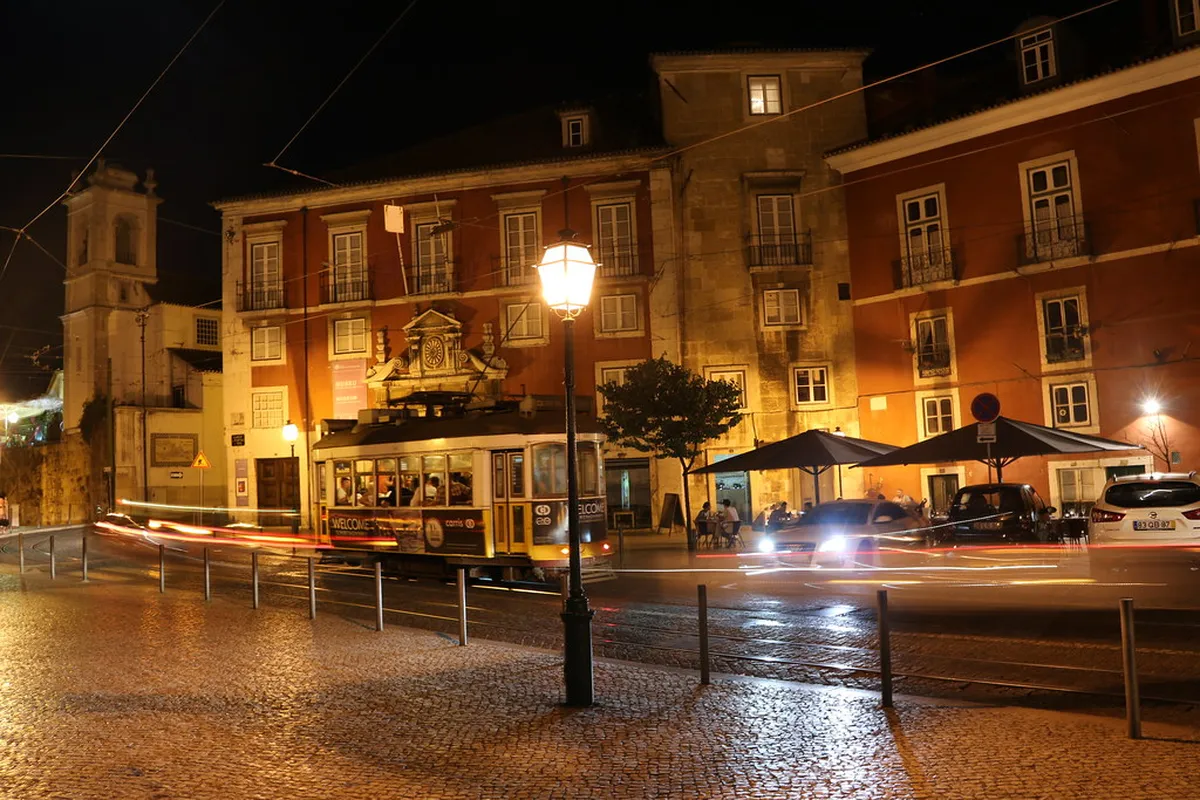
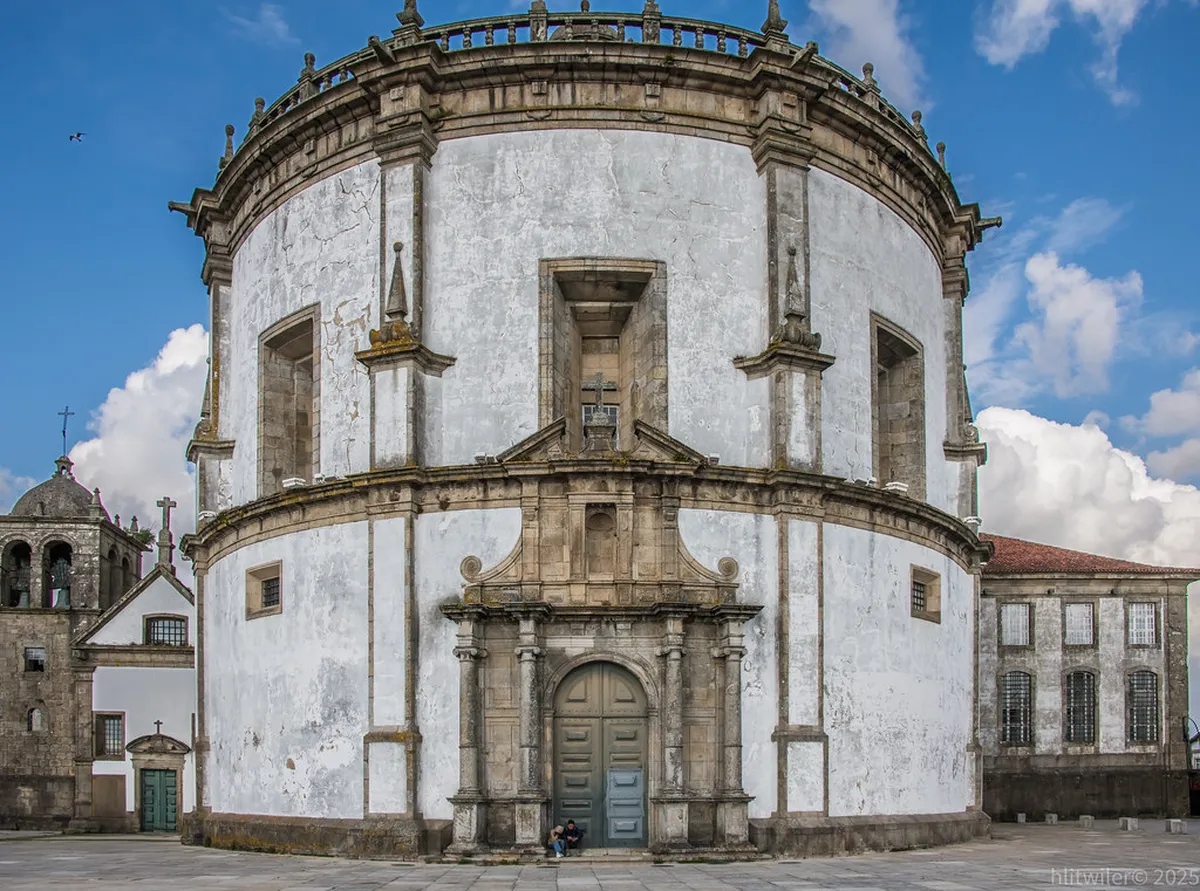
Arriving in Lisbon by sea offers one of the most beautiful port entries in the world. Most cruise passengers prioritize a ride on the iconic yellow vintage tram during their short stay. Finding the best way to reach the tram 28 from cruise port locations requires a bit of local knowledge. This guide helps you navigate the terminals and avoid the massive crowds waiting at the stops.
The historic 28E line winds through narrow alleys that larger modern vehicles simply cannot enter. Riding this wooden carriage provides a nostalgic glimpse into the city's rich architectural history. You will see the famous Sé Cathedral, the steep hills of Alfama, and the grand Estrela Basilica. Proper planning ensures you spend more time sightseeing and less time standing in long queues.
Many travelers struggle to find where to board tram 28 in Lisbon when they first disembark. Different docking locations require unique transit strategies to reach the starting points efficiently. Choosing the right ticket type can also save you significant money compared to paying onboard. Follow these expert tips to make your independent Lisbon shore excursion a complete success.
Where Do Cruise Ships Dock in Lisbon?
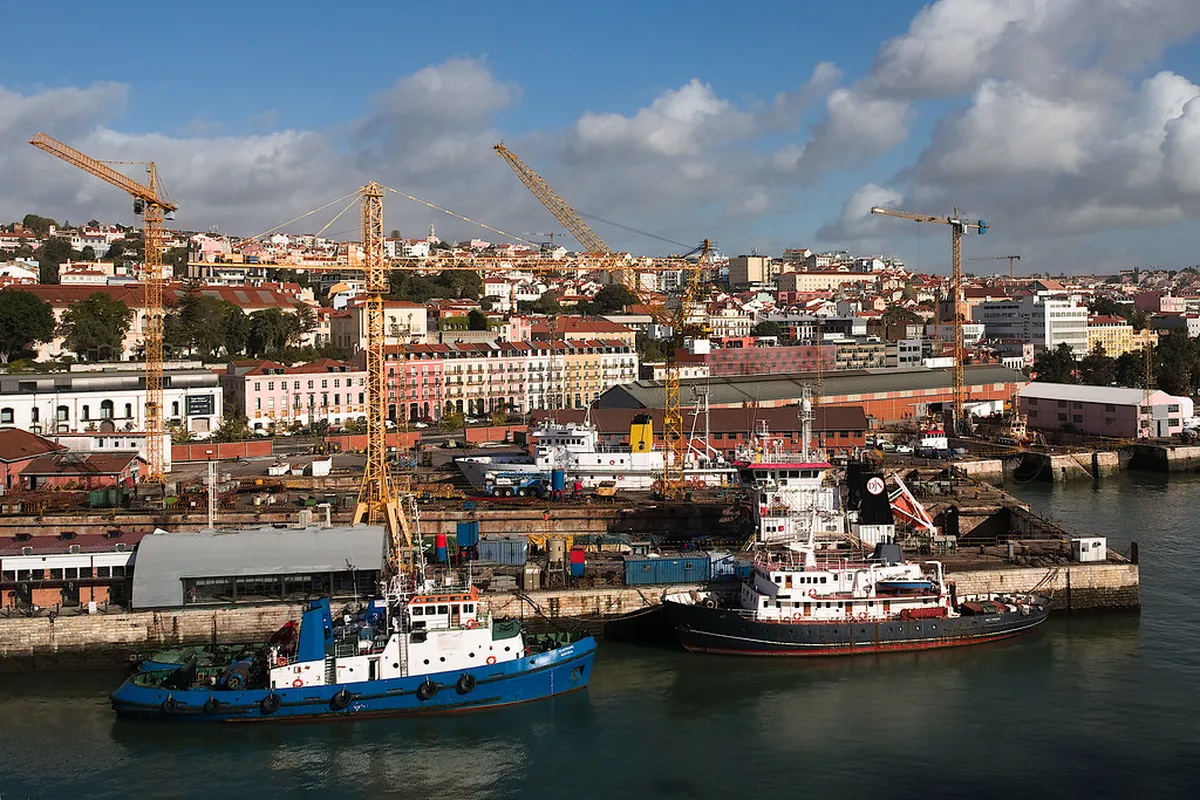
Lisbon features four cruise terminals spread along the northern bank of the Tagus River. The most frequently used are Santa Apolónia and Jardim do Tabaco, which together handle around 70% of cruise traffic and are collectively called the New Lisbon Cruise Terminal. Alcântara and Rocha Conde de Óbidos handle overflow vessels during peak season. Your cruise documents will specify which terminal is assigned to your ship — check before you disembark.
The Santa Apolónia terminal is the most convenient for independent travelers. It sits directly across from the Santa Apolónia metro and train station, giving you fast, cheap access to the tram network without a taxi. The Jardim do Tabaco quay is slightly closer to the city center on foot and is a 15-minute walk from the Alfama district. Both terminals have modern facilities, tourist information desks, restrooms, and free Wi-Fi.
The Alcântara and Rocha Conde de Óbidos terminals sit further west, near the 25 de Abril Bridge. Reaching Tram 28 from these western docks requires a short train ride or bus into the center — details below. If you have any doubt about your specific berth, the terminal building will display your ship's name and the exit to follow.
Lisbon Cruise Port Essentials: Quick Facts
Before you step off the gangway, a few facts save significant hassle. Currency is the Euro; cards are accepted almost everywhere in tourist Lisbon, but carry small coins or a loaded transit card for the tram. The emergency number is 112. English is spoken in tourist areas and by most younger locals, though less so than in northern European ports. Pick-pocket risk on Tram 28 is moderate to high — see the safety section below.
The walk from Santa Apolónia or Jardim do Tabaco to the Alfama district is 1–2 km, but Lisbon's hills mean that is steeper than it sounds. Sensible footwear is non-negotiable; cobblestones will destroy sandals or new shoes in an hour. Download an offline map (Google Maps or Citymapper both work in Lisbon) before you leave the ship, as mobile data roaming can be expensive. The official Visit Lisboa website at visitlisboa.com has current tram schedules and disruption notices.
Port days in Lisbon typically run 7–10 hours. A 6-hour stop gives you enough time for Tram 28 through Alfama, pasteis de Belém, and a walk along the waterfront. With 10 hours you can add Belém Tower or even a train to Sintra. Plan your return time conservatively — the walk back to the terminal in summer heat is more tiring than the outward trip.
How to Get from the Cruise Terminal to the Tram 28 Start
The official starting point for the 28E line is the square at Martim Moniz. If you dock at Santa Apolónia, the easiest option is the Blue Metro line. Ride one stop to Baixa-Chiado and transfer to the Green line heading toward Telheiras. Exit at Martim Moniz and the tram terminus is in the center of the square. The metro is fast, air-conditioned, and runs every four to six minutes during daytime hours.
Walking is a viable alternative if you dock at Jardim do Tabaco. A fifteen-minute uphill walk through Alfama's lower streets leads toward the Graça neighborhood. Boarding at Graça rather than at the busy Martim Moniz terminus is often the smarter move for cruise passengers. The tram still has seats at Graça and you skip the longest queues entirely, while still catching the best scenic stretch of the route.
If you dock at the Alcântara or Rocha Conde de Óbidos terminals, take the suburban train from Alcântara-Mar station one stop to Cais do Sodré, then walk to the Prazeres terminus at the western end of the 28E line. This reversal strategy is underused: most tourists start at Martim Moniz, so the Prazeres end is noticeably quieter and boarding there almost guarantees a seat for the full ride into the city center. Taxis and rideshare apps like Uber or Bolt are also available at all terminal exits — a ride to Martim Moniz typically costs €5–8 depending on traffic.
Tram 28 Fares, Tickets, and 24-Hour Passes
Understanding the fare system is essential for a smooth transit experience from the cruise port. Purchasing a ticket directly from the driver costs 3.10 EUR for a single one-way journey. This is the most expensive option and requires exact change — drivers often cannot break large bills, which delays boarding for everyone. Avoid onboard payment if possible.
The most cost-effective choice for cruise passengers is the 24-hour public transport pass at 6.80 EUR, which covers all trams, buses, and the metro for a full day. You must first buy a reusable Viva Viagem card for 0.50 EUR at any metro station machine. With two tram rides and one metro journey, the pass already pays for itself over individual onboard fares. Detailed instructions are available in our tram 28 tickets guide for first-time visitors.
Another flexible option is the Zapping method — preloading credit onto your Viva Viagem card. Each tram ride using Zapping costs only 1.61 EUR, making it cheaper than the onboard fare without the fixed-day commitment. This suits passengers who only plan one or two rides. All three options require purchasing the Viva Viagem card first, which you can only buy at metro station ticket machines, not on the tram itself.
The reusable Viva Viagem card costs €0.50 and is available only at metro station ticket machines — not on the tram itself. With a 24-hour pass loaded (€6.80), you cover the metro from Santa Apolónia, both tram rides, and any other bus or metro trip for your entire port day.
Cruise Line Shuttle vs. Public Transit: What You Actually Pay
Many cruise lines offer a shuttle bus from the terminal to the city center priced at $15–20 USD per person return (around €14–18 at 2026 exchange rates). The shuttle typically drops off at Praça do Comércio, Lisbon's main riverside square, which is a pleasant location but still a 20-minute walk or two metro stops from the Tram 28 boarding points. You then need a separate fare to continue onward.
Compare that to the 24-hour public transit pass: 6.80 EUR covers the metro from the terminal to Martim Moniz, the Tram 28 ride in both directions, and any bus or metro journey you make for the rest of your port day. For a couple, the public transit route costs roughly €14 total versus €28–36 for two shuttle tickets — and it gives you more flexibility, since the shuttle runs to a fixed schedule.
The shuttle makes sense if you have mobility concerns, are traveling with young children and strollers, or if your ship docks at Alcântara and the terminal feels disorienting. For any reasonably mobile independent traveler, the metro and Viva Viagem card is the smarter and significantly cheaper option. Pick up the card at the ticket machines immediately inside the Santa Apolónia station — it takes about three minutes and machines have English-language menus.
| Option | Route to Tram 28 | Approx. Time | Cost (2026) | Notes |
|---|---|---|---|---|
| Metro (Santa Apolónia → Martim Moniz) | Blue line 1 stop to Baixa-Chiado, transfer Green line to Martim Moniz | ~15 min | €6.80 (24h pass) or €1.61 (Zapping) | Fastest; air-conditioned; requires Viva Viagem card from station machine |
| Walk from Jardim do Tabaco | 15-min uphill walk through lower Alfama to Graça stop | ~15 min | Free (board at Graça) | Skip busy Martim Moniz; tram has seats at Graça |
| Suburban train (Alcântara) + walk | Alcântara-Mar to Cais do Sodré (1 stop), then walk to Prazeres terminus | ~25 min | Included in 24h pass | For western terminals; board at quiet Prazeres end |
| Taxi / Uber / Bolt | Any terminal direct to Martim Moniz or Prazeres | ~10–20 min | €5–8 | Convenient in rain or heat; metered taxis available at all terminal exits |
| Cruise line shuttle | Ship shuttle to Praça do Comércio, then walk or metro to tram stop | ~30–40 min total | €14–18 per person return | Fixed schedule; still requires extra transit leg to reach tram |
The Tram 28 Route: Key Stops and Sightseeing Highlights
The 28E route runs from Martim Moniz to Prazeres, passing through Graça, Alfama, Baixa, Chiado, São Bento, Estrela, and Campo de Ourique. The full journey takes approximately 25–30 minutes end to end. After leaving Martim Moniz, the carriage climbs steeply into the narrow streets of Alfama. Look out for the Sé Cathedral, which is the oldest church in Lisbon — the tram passes within inches of its ancient stone walls, creating one of the most photographed moments in Portugal.
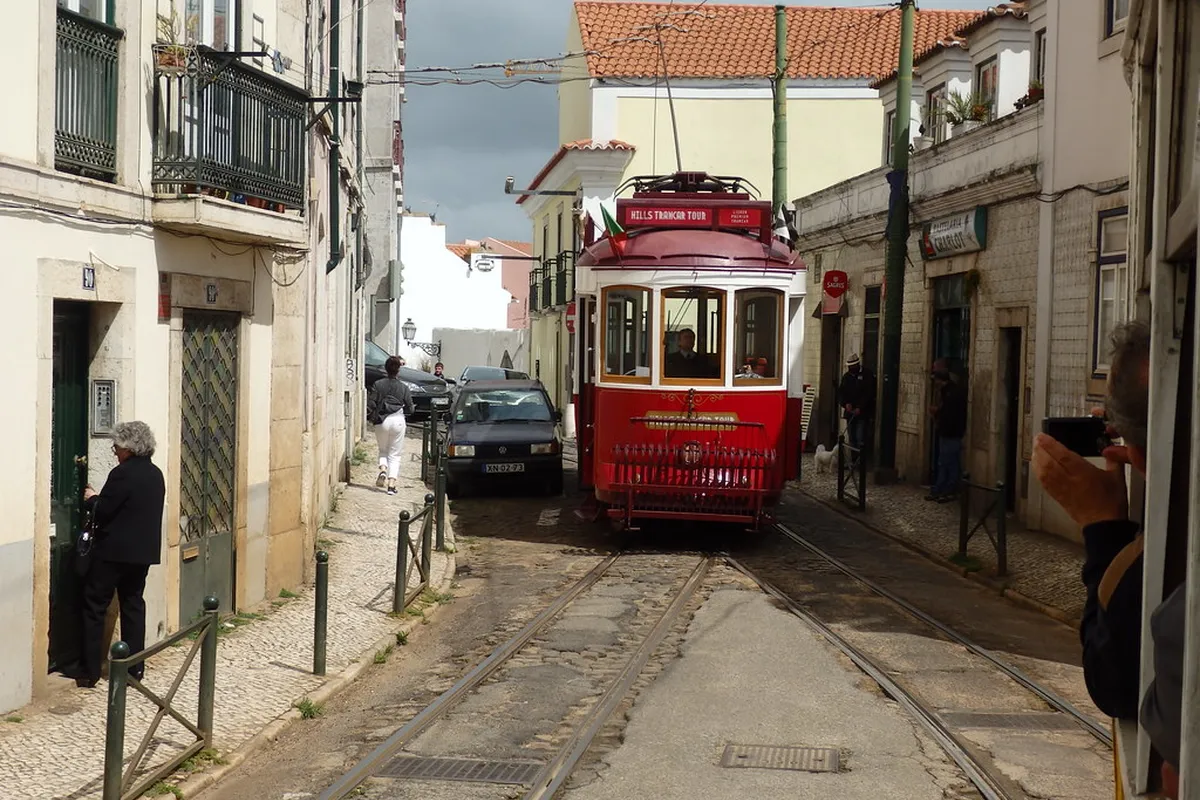
Further along the line, the tram crosses through the bustling Baixa and Chiado districts. The stop at Rua da Conceição is popular for a walk to the riverfront at Praça do Comércio. The Praça Luís de Camões stop in Chiado puts you in the heart of the city's best cafes and bookshops. Refer to the tram 28 route map to plan your specific sightseeing stops in advance.
The final section of the route takes you toward the peaceful Estrela neighborhood. Here you can visit the magnificent Estrela Basilica and its lush public gardens across the street. The tram eventually ends at the Prazeres cemetery terminus — a quiet, local-feeling area far removed from the tourist crowds of central Alfama. If you started at Martim Moniz, riding to Prazeres and back gives you the complete experience in around one hour.
Avoiding the Crowds: Best Times to Ride from the Port
Cruise days bring thousands of extra visitors to the already popular tram 28 line. To avoid the longest waits, aim to board before 09:00 or after 18:00. Early birds who disembark as soon as the ship clears customs often get the best seats and the most atmospheric light for photography. Watching the city wake up from the window of a vintage tram is a genuinely special experience that midday crowds make impossible.
Use the Carris app (available free on iOS and Android) to check real-time tram positions before you walk to the stop. You can see exactly where the next 28E is on the route and roughly how full it looks based on departure spacing. This beats standing in the sun at Martim Moniz wondering if the next tram has room. The app also shows delays due to traffic or mechanical issues, which happen occasionally on the steep Alfama sections.
Avoid boarding at popular mid-route stops like the Sé Cathedral or Portas do Sol. Trams are usually full by the time they reach these viewpoints, and you may watch two or three packed trams pass before one has standing room. Always start your journey at either end of the line — Martim Moniz if docking at the east terminals, Prazeres if docking at the western terminals.
Port days in Lisbon typically last 6–10 hours. Budget your time carefully — the walk back to the terminal in summer heat takes more out of you than the outward trip. Plan your final tram or metro ride to leave at least 60–90 minutes before the ship's all-aboard time to account for crowds and transit delays.
Safety and Pickpockets on the 28E
Crowded tourist transport is a primary target for professional pickpockets in Lisbon. These thieves often work in small groups and look for distracted travelers with expensive cameras or open bags. They frequently operate at the busiest boarding points like Martim Moniz and the Sé Cathedral. Staying alert and keeping your belongings secure is vital for a stress-free shore excursion.
Wear your backpack on your front and keep your wallet in a zipped internal pocket. Avoid hanging your bag on the back of your seat if you find one. If you are standing, hold the rail firmly with one hand while guarding your pockets with awareness. Our tram 28 safety tips offer more detailed advice on protecting your valuables, including the specific techniques pickpockets use during boarding.
Be particularly careful during the boarding and disembarking process when the crowd is densest. Pickpockets use the jostling of boarding to mask their movements. If someone pushes you unnecessarily in a crowd, move away immediately and check your pockets. Report any theft to the Polícia de Segurança Pública (PSP) station in Baixa-Chiado — they have English-speaking staff and can issue a police report needed for travel insurance claims.
Alternative Tram Routes to Avoid the 28E Queues
If the line for the 28E looks too long, several other routes offer similar historic charm. The 12E tram runs a shorter loop through the Alfama district starting at Praça da Figueira. It uses the same vintage Remodelado carriages — the same polished wood interiors and brass fittings — and climbs many of the same steep, picturesque streets. This route is consistently overlooked by cruise passengers, which means wait times are significantly shorter than the 28E even on busy port days.

The 15E tram is a modern high-capacity line connecting the city center to Belém, departing from Praça do Comércio. Use this route to visit the Jerónimos Monastery, Belém Tower, and the famous Pasteis de Belém bakery that has been serving custard tarts since 1837. Comparing tram 28 vs other Lisbon trams helps you choose the best option given your available time.
The 25E tram is another vintage route that travels through the Lapa district to Estrela, offering a more local atmosphere with far fewer tourists. You can board near Cais do Sodré station, easily reached by metro from the Santa Apolónia terminal. One tram most guides never mention: the 24E, which runs between Praça Luís de Camões and Campolide, uses the same Remodelado carriages, and virtually never has a queue. If you simply want the experience of riding a vintage tram without the 28E chaos, the 24E is the insider's choice.
Is Lisbon Easy to Explore Independently?
Lisbon is widely considered one of the most accessible European cities for independent cruise passengers. The central location of the port allows you to reach major attractions without expensive ship excursions. Public transit is reliable, affordable, and easy to navigate with basic English skills. Most historic sites are concentrated in a walkable area, though the hills can be quite steep for anyone with knee or mobility issues.
Exploring the historic tram 28 in Lisbon on your own offers much more flexibility than any organized shore excursion. You choose where to hop off and how long to spend at each scenic viewpoint. Ship tours often move in large groups, which feels restrictive on the narrow cobblestone streets of Alfama. DIY travel allows you to stop for a coffee or a custard tart whenever you please — and at a fraction of the cost.
Keep in mind that the vintage 28E trams are not wheelchair or large stroller accessible. The high boarding step and narrow aisle make it impossible to bring bulky mobility equipment on board. If you have mobility concerns, the modern 15E tram or a licensed taxi provides a comfortable alternative. The hop-on-hop-off bus also departs from a stop directly outside the main cruise terminals and covers most of the same landmarks if standing on a moving vintage tram feels unsafe.
Pair this with our main Historic Tram 28 Lisbon guide for the full overview.
Frequently Asked Questions
Can I ride tram 28 directly from the cruise terminal?
No, the tram 28 does not stop directly at the cruise terminals. You must walk about 10-15 minutes to the Alfama district or take a short metro ride to Martim Moniz. Check the tram 28 schedule and times to plan your walk accordingly.
Which metro station is closest to the Lisbon cruise port?
The Santa Apolónia station is the closest metro stop for most cruise passengers. It is located directly across from the main terminal building. From here, you can easily reach the starting points for several historic tram lines.
Is the 24-hour pass worth it for a one-day cruise stop?
Yes, the 24-hour Carris pass is excellent value for cruise passengers. At 6.80 euros, it pays for itself after just three trips on trams or the metro. It also saves you the hassle of carrying exact change for onboard fares.
Are there day trips from the port if the tram is too busy?
If the city center is too crowded, consider a train ride to nearby coastal towns. You can find a Lisbon to Sintra Guide for mountain palaces or a Lisbon to Cascais Guide for beautiful beaches.
Riding the tram 28 from cruise port locations is a highlight for many visitors to Portugal. While the lines can be long, using the Graça or Prazeres boarding strategy helps you save time. Investing in a 24-hour pass offers the best value and flexibility for a short port visit. Always remain vigilant about your belongings to ensure your day remains enjoyable and safe.
Lisbon's historic charm is best experienced at a slow pace through its winding alleys. Whether you choose the famous 28E or a quieter alternative, the vintage trams are unforgettable. Take time to enjoy the views from the many miradouros located along the route. Your independent adventure in this beautiful city will surely be the highlight of your cruise.