History of Rua Augusta Arch: Lisbon's Triumphal Gate
Table of Contents
The Rua Augusta Arch stands as a powerful symbol. It commemorates Lisbon's resilience after a devastating event. This iconic monument offers a glimpse into the city's past. Understanding its history deepens your appreciation.
This guide explores the fascinating history of Rua Augusta Arch. Discover its origins, design, and significance. The arch is more than just a gateway. It tells a story of triumph and rebirth in Lisbon, Portugal.
Lisbon's Rebirth: The 1755 Earthquake
Lisbon faced immense destruction in 1755. A massive earthquake struck the city. It was followed by a tsunami and widespread fires. Most of central Lisbon lay in ruins.
This catastrophe prompted a complete urban renewal. The Baixa district needed total rebuilding. Prime Minister Marquês de Pombal led this effort. He envisioned a new, modern Lisbon.
The city's reconstruction became a symbol of hope. It represented Portugal's ability to overcome disaster. This period set the stage for the arch's future construction. It embodied a spirit of progress.
Learn more about this pivotal event. The Lisbon earthquake history shaped the city. Its impact is still visible today.
A Grand Vision: Baixa Pombalina Reconstruction
The reconstruction of the Baixa district began swiftly. Engineers and architects worked tirelessly. They implemented a grid-like street plan. This was revolutionary for its time.
This new layout featured wider streets and robust buildings. These structures were designed to withstand earthquakes. The Baixa Pombalina style became famous. It influenced urban planning across Europe.
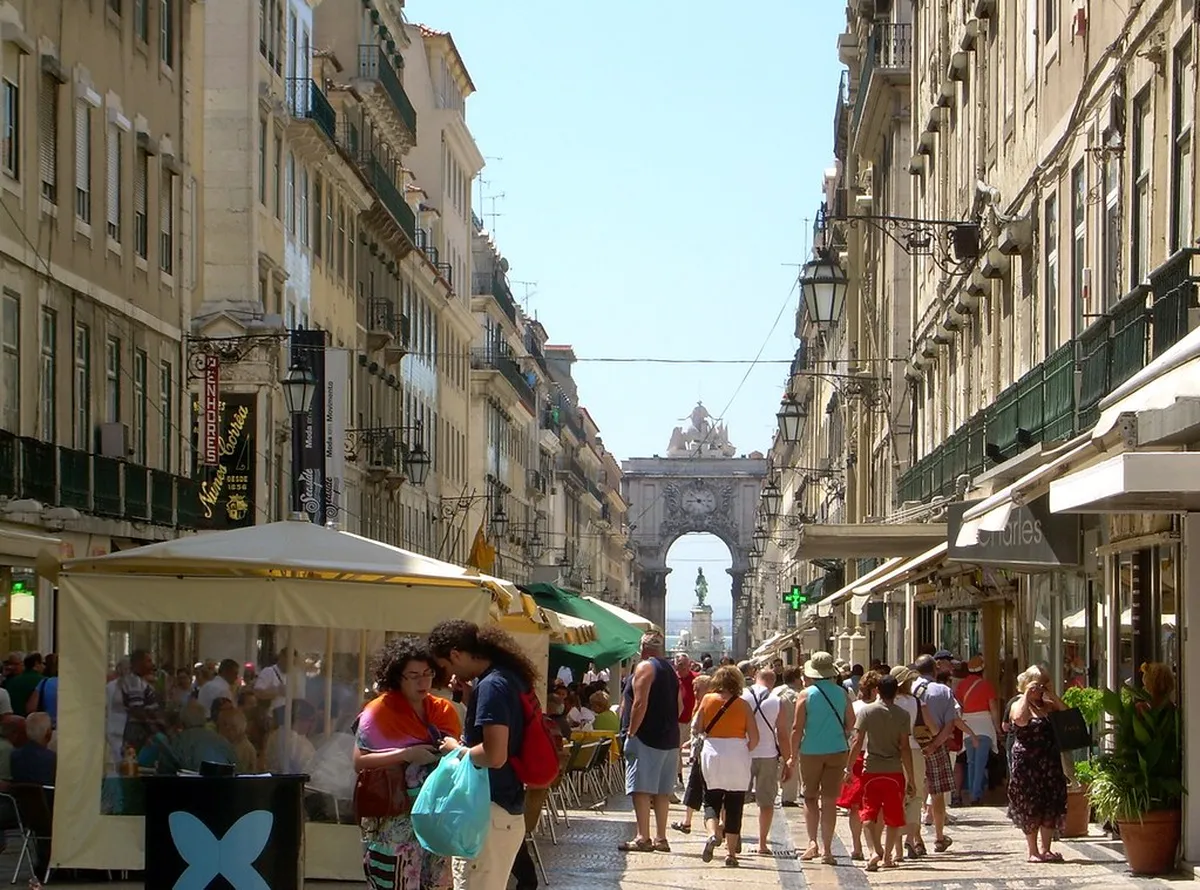
A grand entrance was envisioned for the city. It would face the Tagus River. This majestic gate would connect Rua Augusta to Praça do Comércio. It symbolized Lisbon's renewed glory.
Building the Triumphal Arch: Challenges & Delays
Construction of the arch started in 1755. Initial plans were for a simple bell tower. However, ambitions grew over time. The project evolved into a grand triumphal arch.
Manuel da Maia first designed the arch. Later, Veríssimo José da Costa took over. Economic struggles and political changes caused delays. The project faced many setbacks for decades.
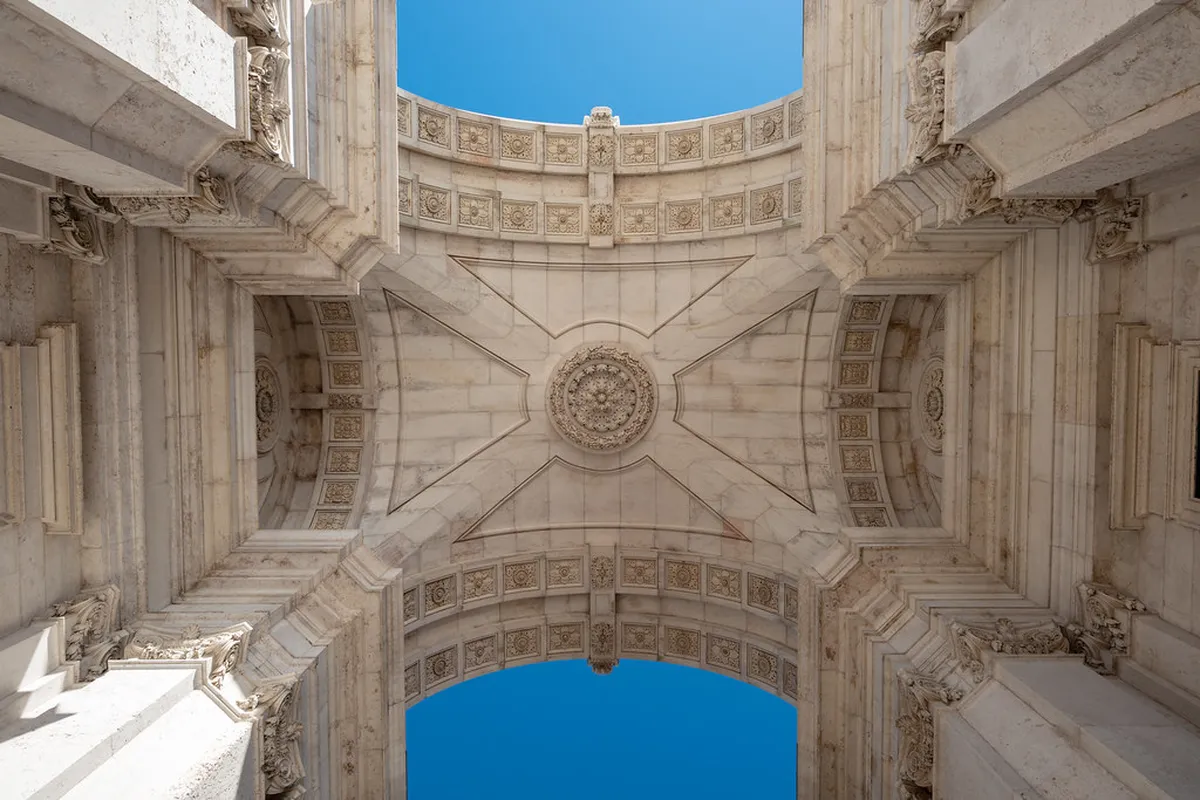
Work finally resumed in 1843. Architect Eugénio dos Santos oversaw the completion. Sculptors created intricate statues and carvings. The arch was finally finished in 1875.
Visiting the arch's interior and viewpoint typically costs around 3–5 Euros per person. The monument is open daily, usually from 9 AM to 7 PM — check current hours before your visit as they can vary by season.
Symbolism in Stone: Design and Meaning
The Rua Augusta Arch is rich in symbolism. It celebrates Lisbon's reconstruction. The arch also honors Portugal's past achievements. It is a monument to national pride.
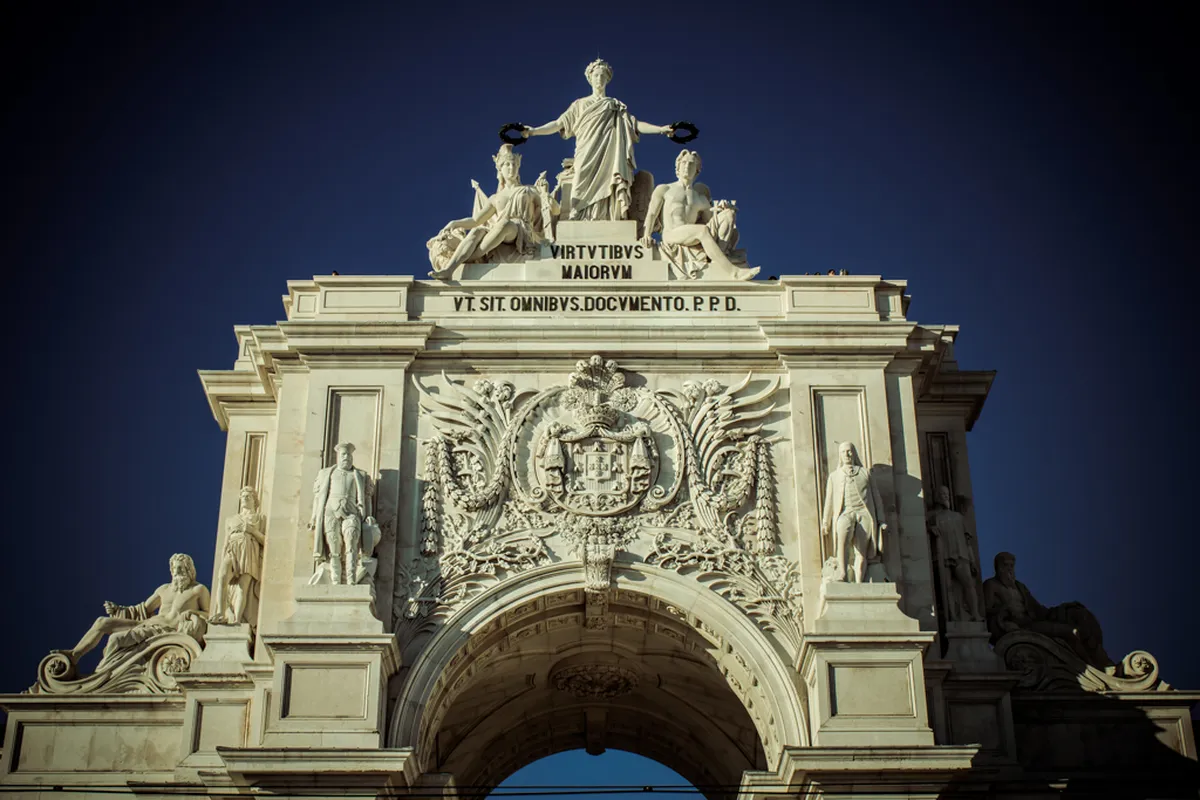
Its top features powerful allegorical statues. These figures represent Glory, Valor, and Genius. Glory crowns Valor and Genius with laurel wreaths. They stand majestically over the city.
Below them, statues depict important Portuguese figures. These include Vasco da Gama and Marquês de Pombal. Nuno Álvares Pereira and Viriatus are also present. They honor explorers, leaders, and warriors.
The arch's Latin inscription reads
The arch's rooftop terrace can get very crowded during peak summer months and holiday periods. Visit early in the morning (shortly after 9 AM) or later in the afternoon to enjoy the panoramic views over Praça do Comércio and the Tagus River without long queues.
Frequently Asked Questions
When was the Rua Augusta Arch completed?
The Rua Augusta Arch was completed in 1875. Its construction spanned many decades. Various architects contributed to its final design. It finally opened to the public that year.
What does the Rua Augusta Arch symbolize?
The arch symbolizes Lisbon's rebirth after the 1755 earthquake. It celebrates the city's resilience. It also commemorates Portugal's significant historical figures. The monument represents national pride and triumph.
Can visitors climb the Rua Augusta Arch?
Yes, visitors can climb the Rua Augusta Arch. An elevator and stairs lead to the top. The Rua Augusta Arch viewpoint offers stunning views. You can see Praça do Comércio and the Tagus River.
Tickets typically cost around 3-5 Euros in 2026. It is open daily, usually from 9 AM to 7 PM. Check current operating hours before your visit. The views are truly spectacular.
The History of Rua Augusta Arch tells a compelling story. It speaks of destruction, resilience, and rebirth. This iconic monument stands as a testament to Lisbon's spirit. It is an enduring symbol of Portuguese pride.
Planning your visit in 2026 means experiencing this history firsthand. Walk through its grand passage. Ascend to its viewpoint for breathtaking vistas. The arch connects the past to the vibrant present. Immerse yourself in this significant landmark.
Key Takeaways
- The Rua Augusta Arch commemorates Lisbon's 1755 earthquake recovery.
- Its construction was lengthy, spanning over a century with various architects.
- The arch celebrates Portuguese heroes and national triumph.
- Visit the arch's viewpoint for stunning panoramic city views in 2026.
Continue exploring Lisbon's historic quarter
 Climbing Rua Augusta Arch Lisbon: Your 2026 Viewpoint GuideDecember 13, 2025
 Rua Augusta Arch Lisbon: Your Guide to a Historic LandmarkDecember 13, 2025
- History of Rua Augusta Arch: Lisbon's Triumphal GateDecember 12, 2025
 Rua Augusta Arch Viewpoint Lisbon: Your Ultimate GuideDecember 10, 2025