Pombaline Architecture Guide: Lisbon's Resilient Style
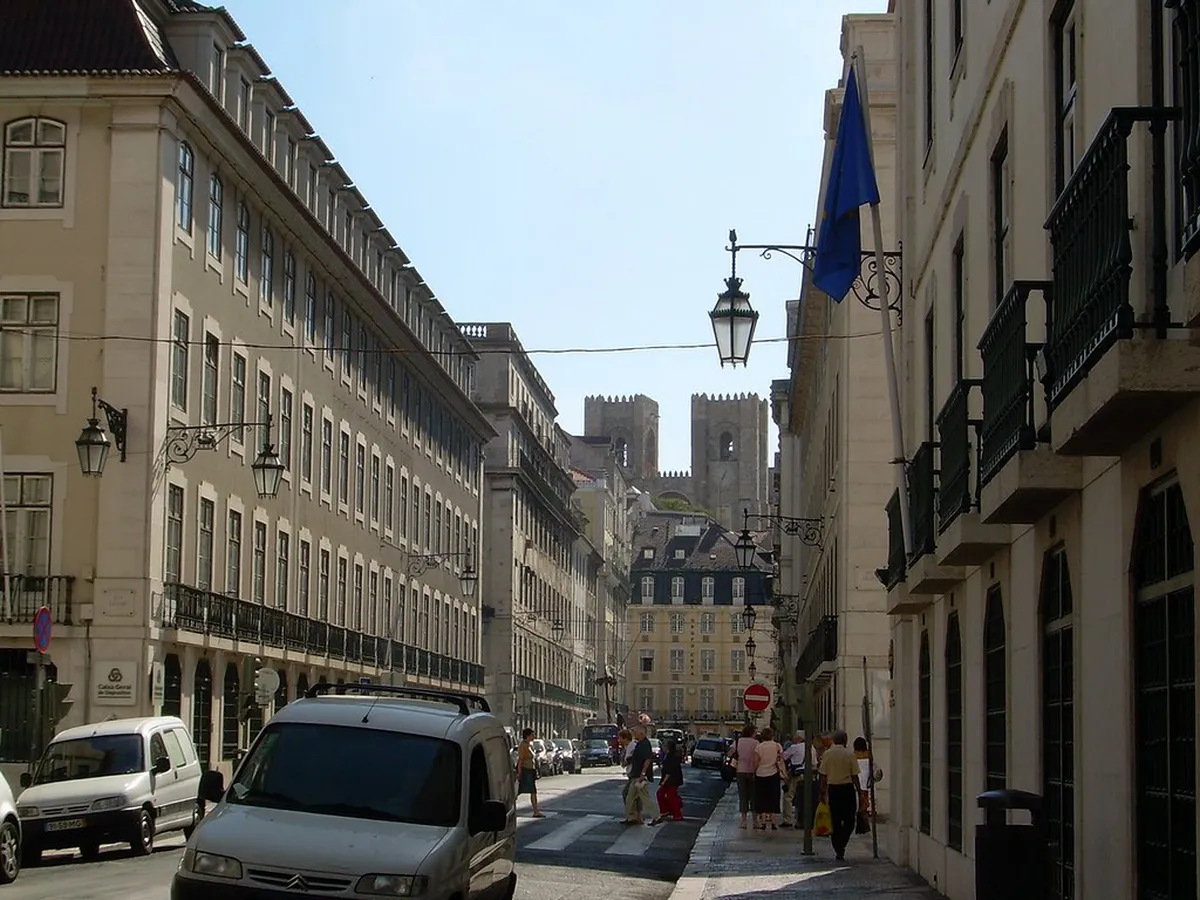
Table of Contents
Lisbon boasts a rich architectural heritage. Among its diverse styles, Pombaline architecture stands out. This unique style emerged after the devastating 1755 earthquake. It transformed the city with resilient, symmetrical designs.
This guide explores the fascinating history and features of this iconic Lisbon style. You will discover its key characteristics and where to find its best examples. Prepare to explore Lisbon's impressive rebirth through Pombaline design.
The Birth of Pombaline Architecture in Lisbon
The Great Lisbon Earthquake of 1755 changed everything. It destroyed much of the city, including the central Baixa district. This catastrophe led to a complete urban redesign.
Marquis of Pombal led the reconstruction efforts. His vision created a new, earthquake-resistant city. This innovative approach gave birth to Pombaline architecture. It combined practicality with elegant, ordered aesthetics.
The reconstruction was groundbreaking for its time. Buildings used a flexible wooden cage structure. This design, known as the "Pombaline cage," absorbed seismic shocks. It became one of the first seismic-resistant constructions globally.
Key Characteristics of Pombaline Design
Pombaline architecture is immediately recognizable. It features strict classicism and functional design. Buildings are typically four to five stories tall. They showcase uniform facades and repetitive windows.
A notable feature is the use of prefab elements. Standardized components were manufactured off-site. This sped up the reconstruction process immensely. Arcades on ground floors often housed shops.
The focus was on order, symmetry, and resilience. Decorations are generally minimal but elegant. You will often see smooth plasterwork and iron balconies. The simplicity reflected a desire for quick, efficient rebuilding.
Exploring these uniform facades offers a glimpse into Lisbon's historic architecture styles. Each building tells a story of recovery. They represent a significant shift in urban planning.
Discovering Pombaline Lisbon: The Baixa District
The Baixa Pombalina is the heart of this architectural style. It's a grid of straight, parallel streets. This layout was revolutionary for city planning in 1755. Each street was designated for specific trades.
The district connects the Tagus River to Rossio Square. Praça do Comércio, or Commerce Square, anchors the riverfront. It features grand arches and an equestrian statue. This square was meticulously rebuilt with Pombaline principles.
Wander through Rua Augusta, the main pedestrian street. Observe the uniform building heights and consistent window patterns. Look for the distinct iron balconies. This area truly showcases the practical elegance of Pombaline design.
Many buildings now house shops, cafes, and hotels. They retain their historic charm and original structure. A visit here is essential for understanding Lisbon's resilience. Discover more about Baixa historic sights in Lisbon.
Experiencing Pombaline Lisbon in 2026
Visitors in 2026 can fully appreciate this architectural legacy. Start your tour at Praça do Comércio. Walk north through the grid system of the Baixa. Notice the precise street names, often related to former artisan trades.
Consider a walking tour for deeper insights. Many local guides specialize in the 1755 earthquake and subsequent rebuilding. This provides valuable historical context. You will learn about the social impact of this period.
Practical Tip: Many Baixa buildings offer apartment rentals. Staying in a Pombaline building provides an authentic experience. You can find options on Rua da Prata or Rua Áurea. Book early, especially during peak season.
The area is easily accessible via public transport. The Baixa-Chiado metro station serves the district. Enjoy a coffee in a traditional café under the arcades. Immerse yourself in the timeless elegance of this historic part of Lisbon.
Frequently Asked Questions
What is the Pombaline cage?
The Pombaline cage is an innovative seismic-resistant building technique. It involves a flexible wooden framework built inside the walls. This structure helped buildings withstand future earthquakes. It was a pioneering approach to construction technology.
Who was the Marquis of Pombal?
Sebastião José de Carvalho e Melo, Marquis of Pombal, was a powerful statesman. He served as prime minister to King Joseph I. He spearheaded the reconstruction of Lisbon after the 1755 earthquake. His influence was immense in both architecture and politics.
Are there other examples of Pombaline architecture outside Baixa?
While Baixa is the prime example, Pombaline elements appear elsewhere. You can see similar principles in areas like Alfama, in reconstructed sections. Some governmental buildings also show this influence. It’s primarily associated with the Baixa grid plan, however.
To understand the earthquake's full impact, consider learning more about Lisbon earthquake history facts.
Pombaline architecture is more than just a style. It represents Lisbon's remarkable resilience and spirit. It transformed disaster into an opportunity for innovation. This enduring legacy continues to define the city center.
Explore the symmetrical streets and sturdy buildings of Baixa. You will witness a triumph of urban planning. Don't miss this unique architectural journey in Lisbon. Plan your visit to discover this historic beauty today.
Key Takeaways
- Pombaline architecture emerged after the 1755 Lisbon earthquake, emphasizing resilience.
- The Baixa district showcases this style with its grid plan and uniform, earthquake-resistant buildings.
- Look for the 'Pombaline cage' construction and simple, functional designs.
- Visit Praça do Comércio and Rua Augusta for the best examples of this historic style.
Continue exploring Lisbon's historic quarter
- Pombaline Architecture Guide: Lisbon's Resilient StyleDecember 13, 2025
 Uncovering Lisbon Historic Architecture Styles GuideDecember 11, 2025
 Lisbon's Moorish Architecture Influence in 2026December 11, 2025
 Manueline Architecture Lisbon: Top Examples in 2026December 10, 2025