
History of Arco da Vila Faro: Gateway to the Old Town
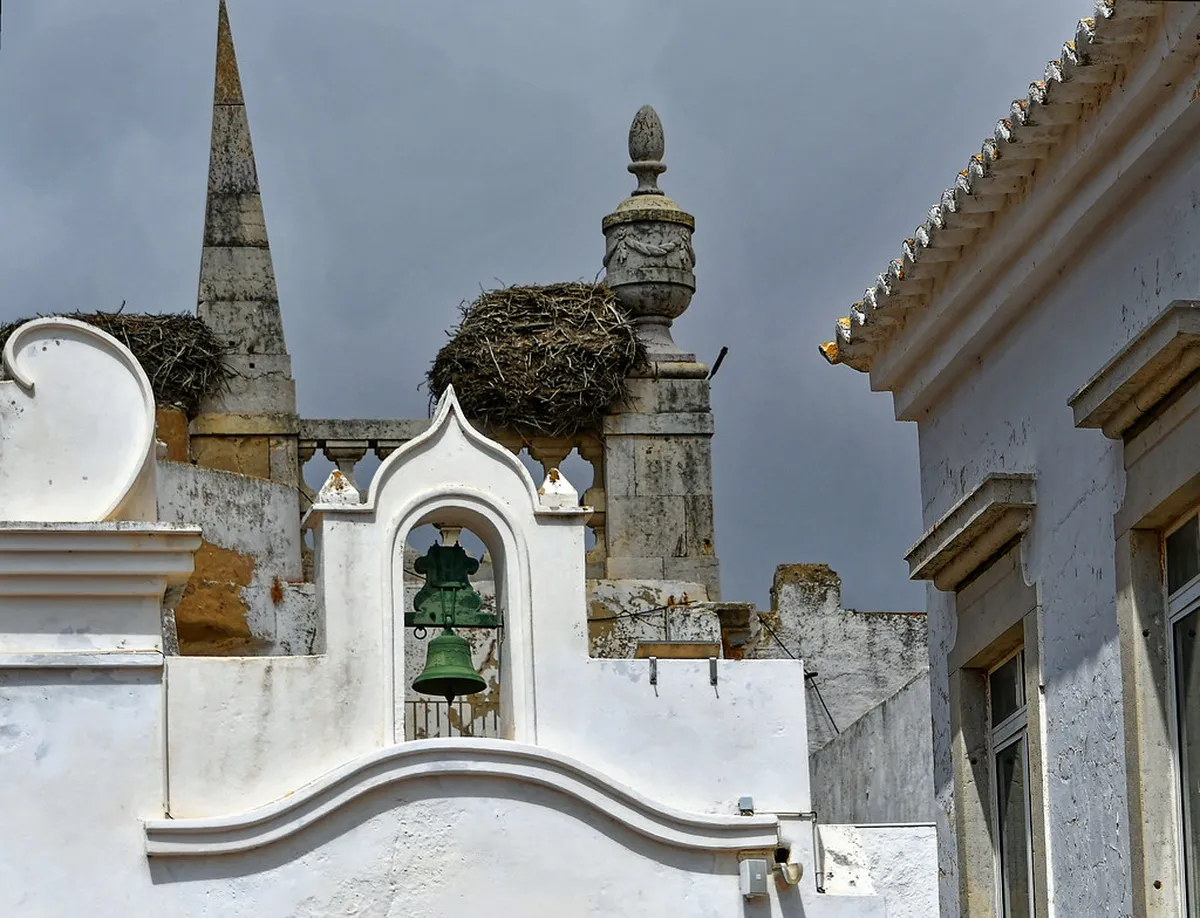
Table of Contents
Faro's Arco da Vila stands as a majestic gateway. It welcomes visitors into the city's historic heart. This iconic arch boasts a rich and layered history. Understanding its past enhances your visit. Let's delve into the fascinating history of Arco da Vila Faro.
From Roman Gateway to Moorish Defense
The site of Arco da Vila holds ancient origins. It sits on the foundations of a former Roman gate. This gate once connected the city to the port. Faro was a significant Roman settlement called Ossonoba. Evidence of its Roman past is still visible.
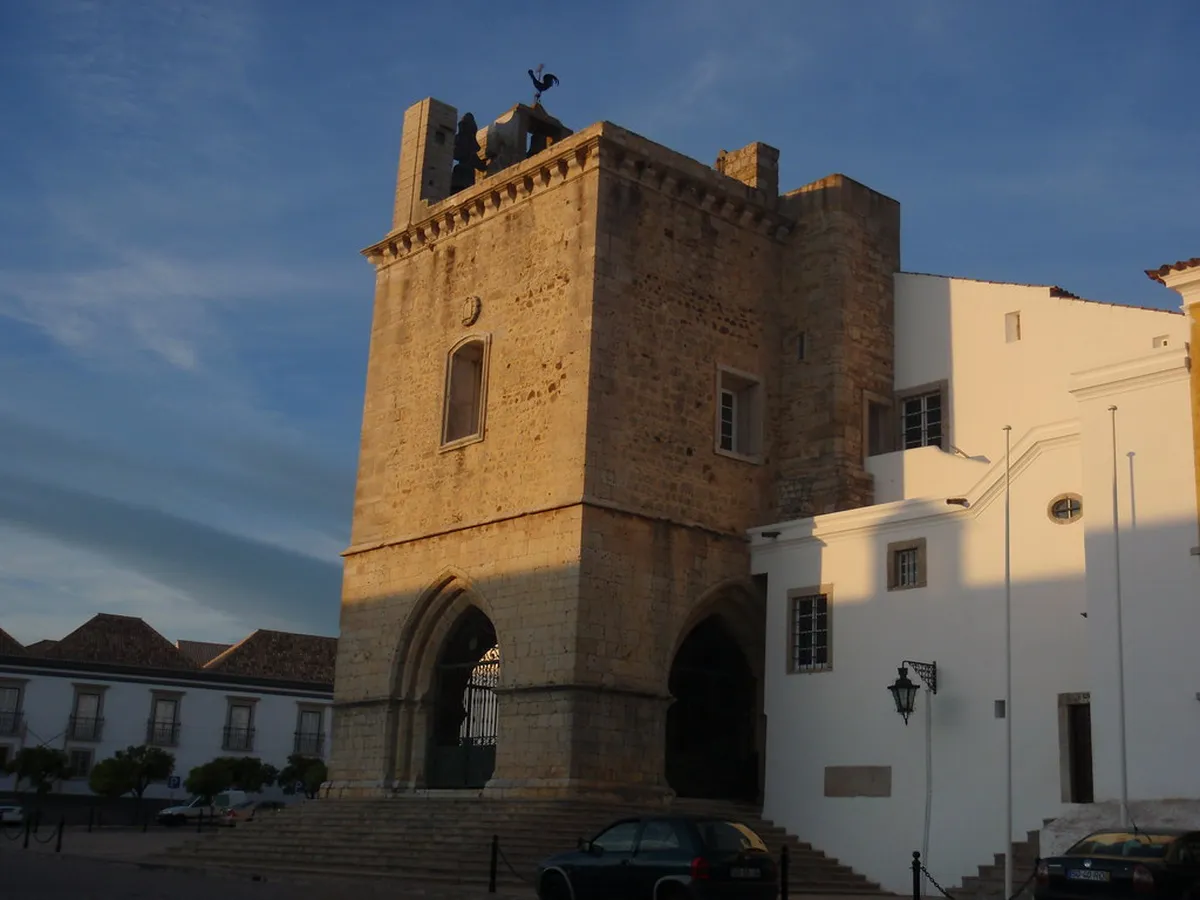
Later, the Moors fortified the city further. They built impressive walls around Faro. The gate became part of these strong defenses. It protected the city for centuries. This area has always been a key entrance point.
The Moorish walls encompassed the entire old town. This strategic location was crucial for trade. The gate controlled access for goods and people. Its defensive role was paramount. Exploring these layers reveals Faro's enduring heritage.
The Renaissance Transformation of Arco da Vila
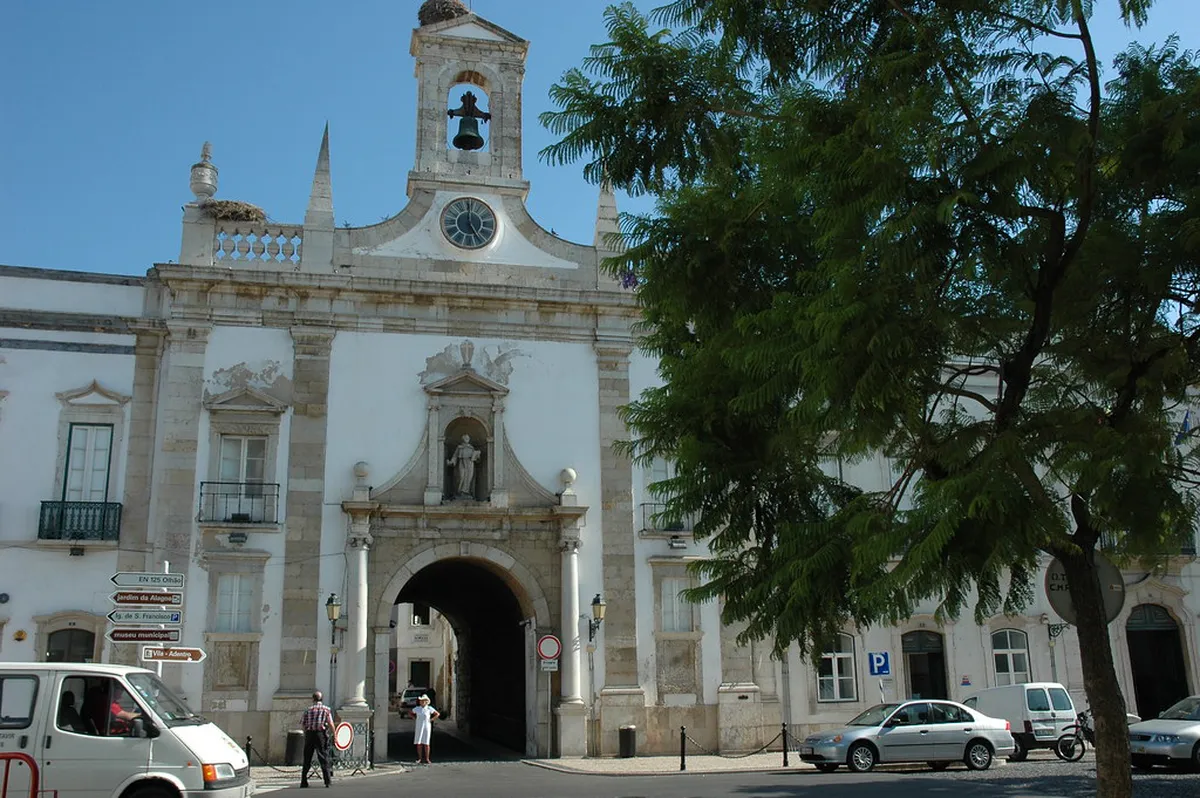
The current Arco da Vila structure emerged in 1812. Bishop Dom Francisco Gomes de Avelar commissioned its construction. He aimed to replace an older, crumbling medieval gate. His vision created a grand entrance for the city. This transformation marked a new era.
Architect Francisco Xavier Fabri designed the elegant arch. He incorporated classical elements into his work. The new gate symbolized Faro's prosperity and modernity. It was a significant architectural statement. This Baroque style stands out today.
The arch features a prominent statue of St. Thomas Aquinas. This statue resides in a niche above the archway. It adds a religious and scholarly touch. The statue faces into the old town. Dom Francisco Gomes was devoted to the saint.
Architectural Details and Symbolic Features
The Arco da Vila boasts impressive details. Its classical design includes sturdy columns. These columns support the grand arch. The stonework shows incredible craftsmanship. Look closely at the intricate carvings.
Beyond its beauty, the arch served practical purposes. It allowed controlled entry into Cidade Velha. The gate also displayed the city's power. It was a clear statement of identity. Observe the coat of arms above the arch.
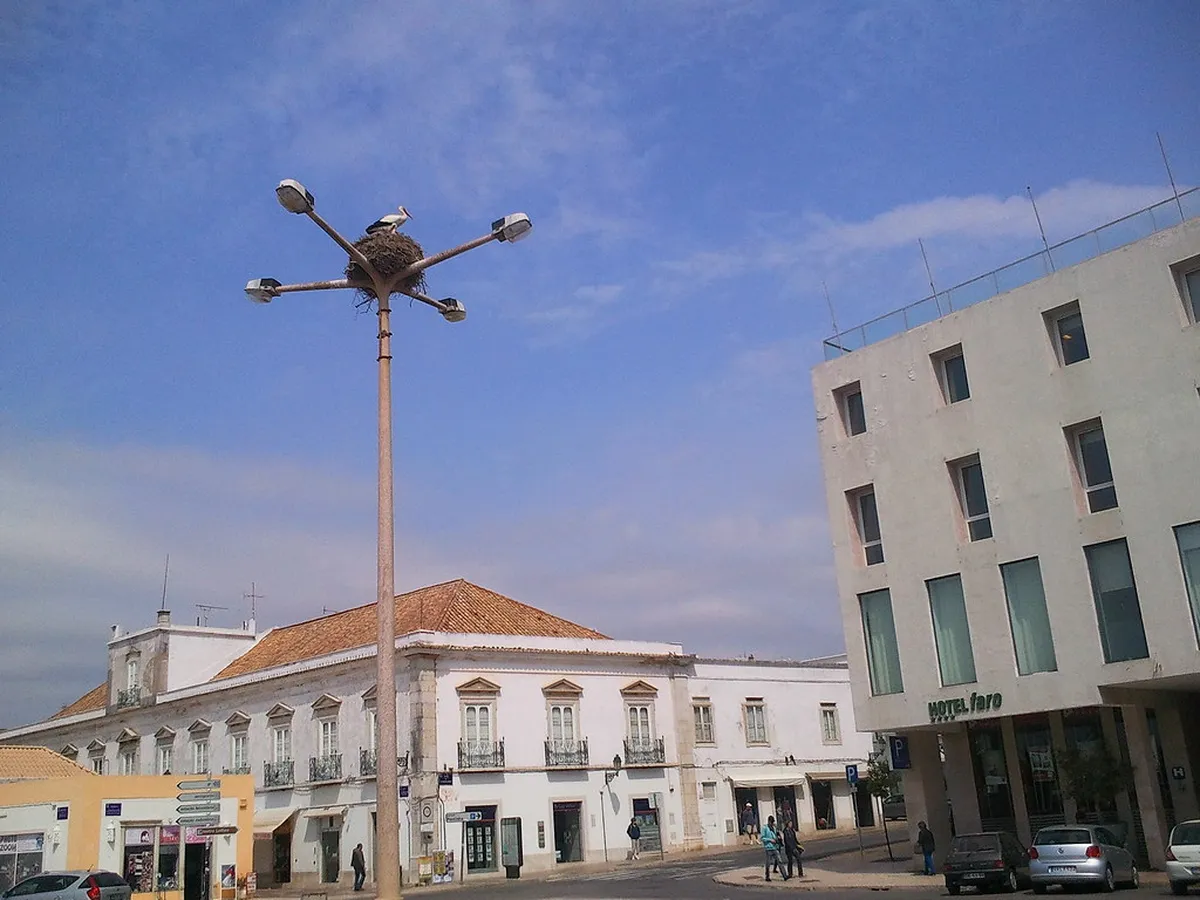
Notably, white storks often nest atop the arch. These birds are a beloved symbol of Faro. Their nests add a unique charm to the monument. Witnessing them is a true delight. They return to the same nests each year.
The stork nests atop Arco da Vila can make the upper stonework difficult to photograph cleanly. Early morning visits — before tour groups arrive — give you the best chance of an unobstructed shot and calmer birds.
Visiting Arco da Vila: Tips for 2026 Explorers
The Arco da Vila serves as the main entrance to Faro's Old Town. It is easily accessible on foot. You can find it at Rua da Misericórdia, 8000-165 Faro. The arch is open 24/7 for viewing. There is no entrance fee to pass through.
Arco da Vila is open 24 hours a day, 7 days a week, with no entrance fee — you can walk through the arch at any time to enter Faro's Cidade Velha.
Plan your visit to coincide with good weather. Spring and fall offer pleasant temperatures. Consider exploring the Faro Old Town Guide for nearby attractions. Allow ample time to wander the cobblestone streets. You can spend an hour or an entire afternoon.
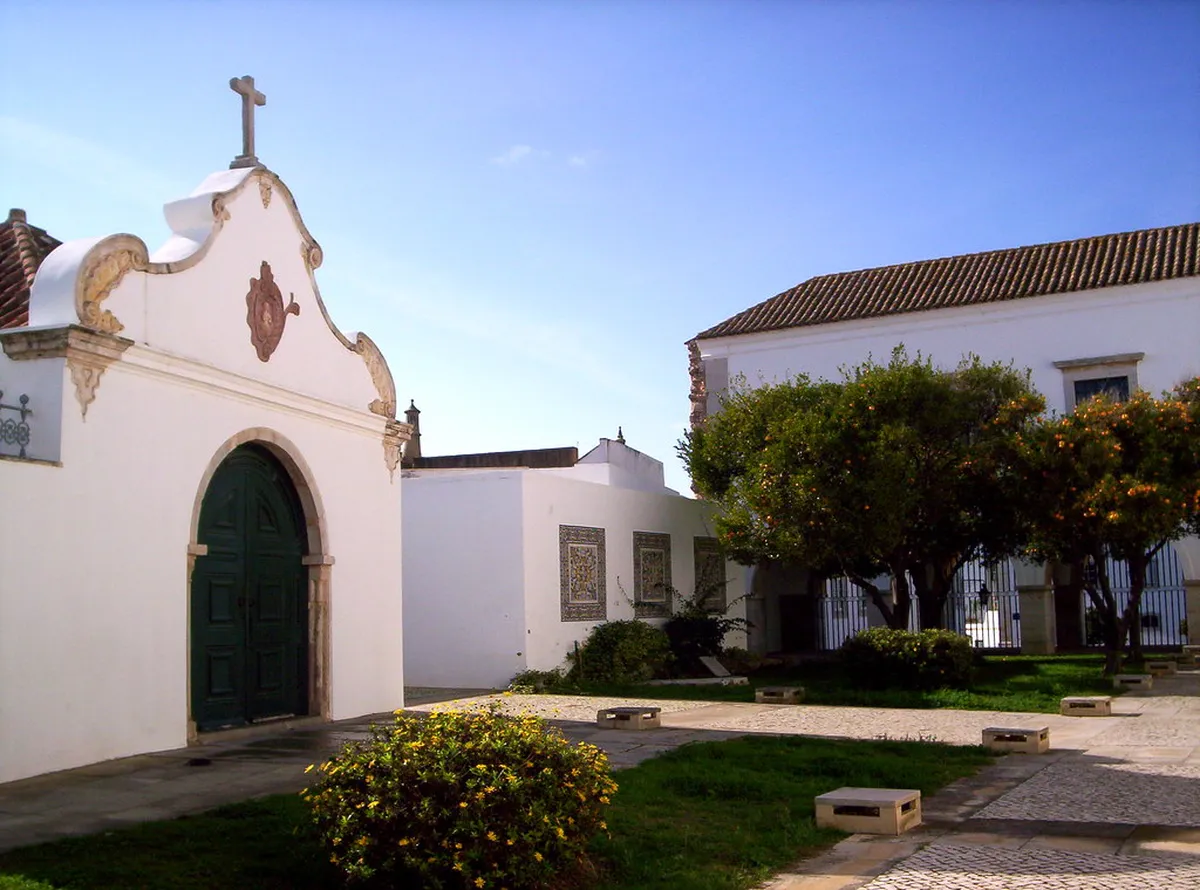
Take a moment to admire its historical layers. The arch connects you to centuries of history. Photography opportunities are plentiful here. Capture its grandeur, especially at sunset. The lighting creates a magical atmosphere.
After passing through the arch, you enter the charming Cidade Velha. This area is perfect for leisurely strolls. Discover ancient walls and historic buildings. The experience is truly immersive. It is a highlight for any Faro trip.
Frequently Asked Questions
What is the primary function of Arco da Vila Faro today?
Today, Arco da Vila serves as a pedestrian gateway. It is the main entrance into Faro's historic Old Town, Cidade Velha. It provides stunning views and connects the modern city to its ancient past. Many visitors start their exploration here.
Who was Dom Francisco Gomes de Avelar, and why is he important to Arco da Vila?
Dom Francisco Gomes de Avelar was a revered bishop of Faro. He commissioned the construction of the current Arco da Vila in 1812. He aimed to beautify and modernize the city entrance. His vision shaped this iconic landmark.
Are there any specific Roman remnants visible near Arco da Vila?
Yes, parts of the original Roman foundations are still visible. They form the base of the current structure. You can often see these ancient stones at the arch's lowest points. This offers a glimpse into Ossonoba's past.
The Arco da Vila is more than just a gate. It represents Faro's enduring spirit and rich history. From Roman foundations to a grand Renaissance arch, its story is captivating. Make sure to experience this magnificent landmark in 2026. Plan your visit to this historic entrance today.
Key Takeaways
- Arco da Vila stands on ancient Roman and Moorish foundations.
- The current arch was built in 1812, replacing an older medieval gate.
- Look for the statue of St. Thomas Aquinas and the famous stork nests.
Continue exploring Faro's historic quarter
 Finding the Grand Arco da Vila Faro Entrance EasilyDecember 12, 2025
- History of Arco da Vila Faro: Gateway to the Old TownDecember 12, 2025
 Explore the Grand Arco da Vila Entrance in FaroDecember 10, 2025
 10 Tips for the Cheapest Time to Visit FaroJune 6, 2026
 Faro In Summer Travel Guide: Best Tips for 2026June 6, 2026