Exploring Jewish Quarter Faro History & Heritage
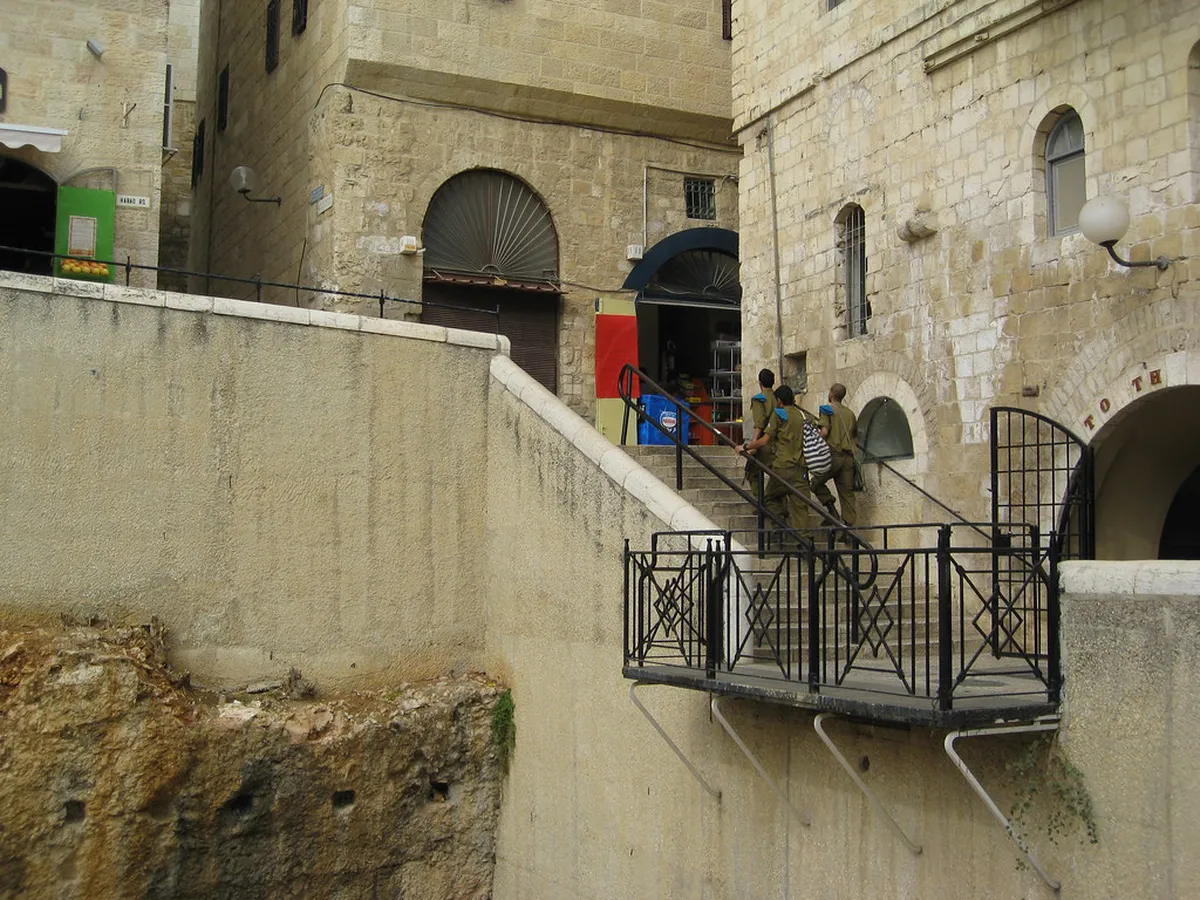
Table of Contents
Faro, Portugal, holds layers of fascinating history. Its ancient streets whisper tales from centuries past. Among these stories lies the rich Jewish Quarter Faro history. This guide explores its vibrant, sometimes challenging, past.
The city's Jewish presence deeply shaped its culture. They contributed significantly to Faro's development. Understanding this heritage enriches any visit. Prepare to discover a vital part of Faro in 2026.
Tracing the Origins of Faro's Judiaria
The Jewish presence in Faro dates back centuries. Jewish communities thrived across the Iberian Peninsula. Faro became an important center for Jewish life. This was especially true during the medieval period.
The area known as the Judiaria, or Jewish Quarter, formed organically. It was typically located within the city walls. This community played a crucial role. They helped shape Faro's early development.
Historical records suggest the Judiaria was near the current Old Town. Its exact boundaries remain debated by scholars. However, its influence was undeniable. Jewish residents were integral to the city's fabric.
Their contributions stretched across many fields. They enriched commerce, medicine, and intellectual life. Learn more about the city's historic neighborhoods of Faro to understand their placement.
Daily Life and Contributions in Faro's Judiaria
Life in Faro's Jewish Quarter was vibrant and self-sufficient. The community maintained its unique customs and traditions. They spoke Ladino, a Judeo-Spanish dialect. Religious life centered around the synagogue.
Jewish residents were skilled artisans and merchants. They worked as doctors, cartographers, and financiers. Their expertise greatly benefited Faro's economy. These contributions were vital for the city's prosperity.
Faro was a center for Hebrew printing in Portugal. The first book printed in Portugal was Hebrew. This occurred in Faro in 1487. This highlights the intellectual depth of the community.
Faro holds a remarkable distinction: the first book ever printed in Portugal was a Hebrew text, produced here in 1487 — making the city's Jewish community pioneers of early print culture on the Iberian Peninsula.
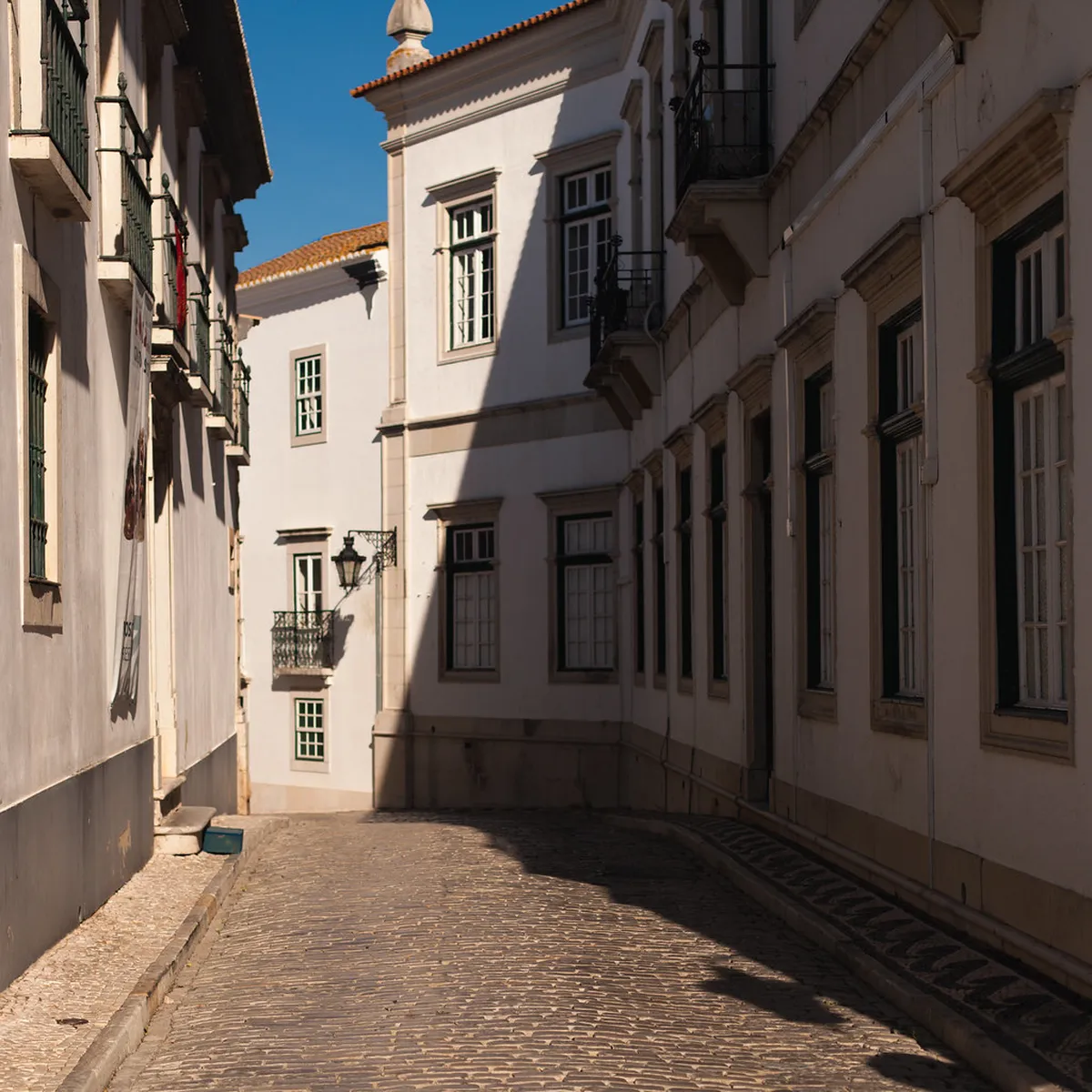
Houses in the Judiaria were often distinct. They sometimes featured specific architectural details. These identified them as part of the Jewish Quarter. The community lived a rich cultural existence.
The Dark Shadow of the Edict of Expulsion
A dramatic shift occurred in the late 15th century. Portugal faced immense pressure from Spain. This led to the tragic Edict of Expulsion in 1496. King Manuel I ordered all Jews to convert or leave.
This edict profoundly impacted Faro's Jewish community. Many were forcibly converted to Christianity. These 'New Christians' faced continued suspicion. Others chose exile, fleeing Portugal entirely.
The thriving Judiaria effectively ceased to exist. Its institutions were either destroyed or repurposed. Synagogues were often converted into churches. Family lineages and traditions were broken.
The loss of the Jewish community was significant. It left a void in Faro's cultural and economic landscape. This period represents a somber chapter in Cidade Velha's rich history. Its effects lingered for centuries.
Rediscovering Jewish Heritage in Faro Today (2026)
While the physical Jewish Quarter is no longer visible, its legacy endures. Modern Faro makes efforts to acknowledge its past. Visitors can find subtle hints of this lost community. Explore Faro with an open mind.

Archaeological digs occasionally uncover artifacts. These provide glimpses into past Jewish life. Plaques and informational signs appear in relevant areas. They help educate visitors about this heritage.
The Faro Jewish Heritage Center is a notable initiative. It aims to preserve and share this history. It offers insights into Jewish life before the expulsion. Check for its current opening hours in 2026.
Physical remnants of the Judiaria are almost entirely gone — do not expect marked streets or a preserved quarter. Instead, visit the Faro Jewish Heritage Center and the Municipal Museum before exploring the Old Town on foot to avoid missing the historical context entirely.
Visitors can explore the Faro Municipal Museum. It sometimes features relevant exhibits. These shed light on the city's diverse past. Consider visiting Faro's museum highlights for more context.
Exploring the Historic Jewish Quarter: A Walking Guide
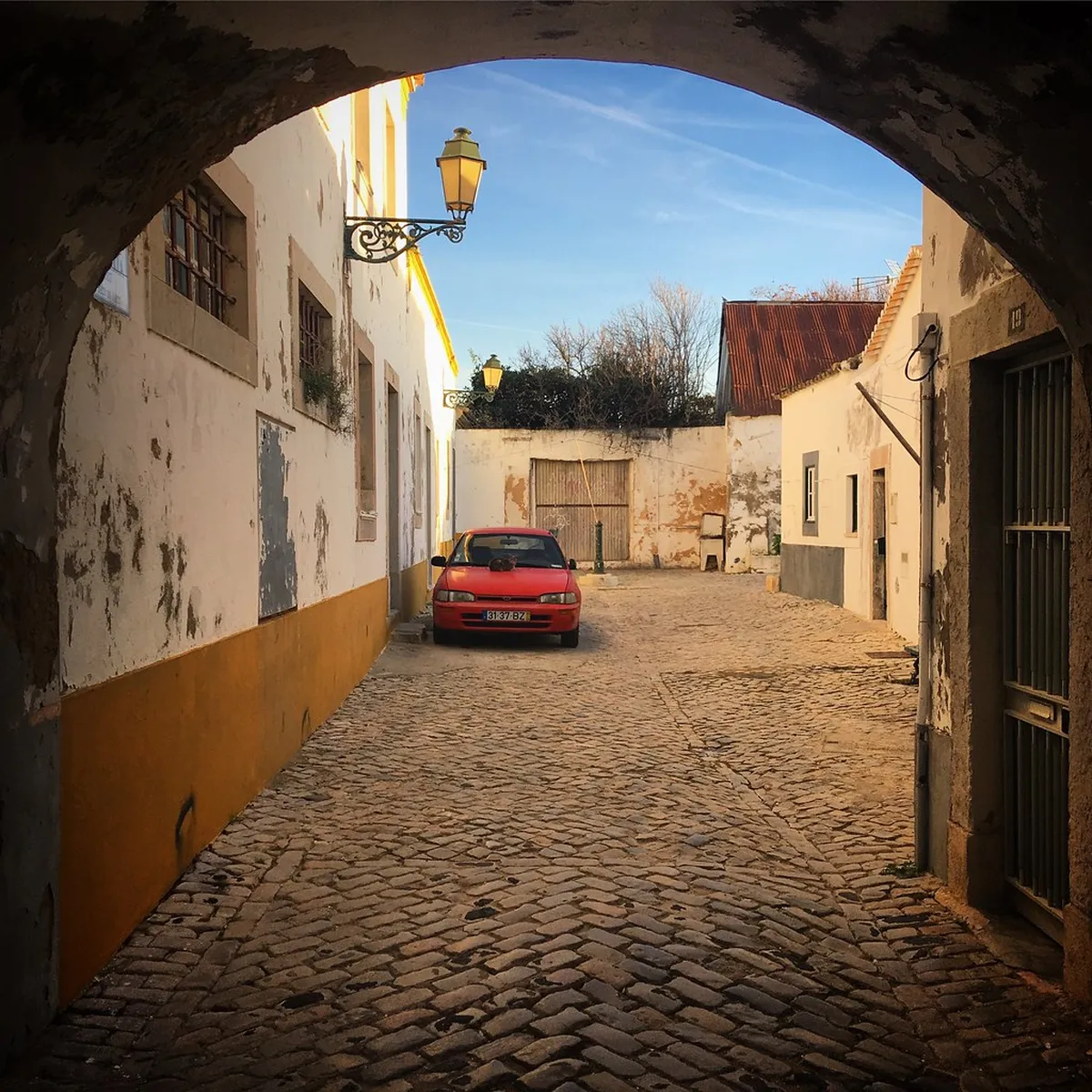
Discovering the former Jewish Quarter in Faro requires imagination. Start your exploration within the Faro Old Town Guide. The heart of the ancient Judiaria was likely within these city walls. Walk through its winding cobblestone streets.
Pay attention to street names and architectural nuances. Some areas might have retained their historical layout. Look for subtle signs of ancient urban planning. These clues connect you to past inhabitants.
Consider joining a guided walking tour of Faro. Local guides can offer valuable insights. They often share stories about the city's layered history. Find information on the best walking tours in Faro for an enriched experience.
Tips for your visit in 2026:
- Wear comfortable shoes for walking.
- Carry water, especially during warmer months.
- Allow several hours to fully explore.
- Respect private property when exploring residential areas.
Frequently Asked Questions
Where was the Jewish Quarter Faro historically located?
Historically, Faro's Jewish Quarter, or Judiaria, was within the old city walls. It was likely situated near what is now the Faro Old Town Guide area. Its exact boundaries are not fully clear today. However, its presence was significant in medieval Faro.
What can you still see of the Jewish Quarter in Faro today?
Direct physical remnants of the Jewish Quarter are scarce. However, its historical influence remains. You can explore the old city layout and specific streets. The Jewish Heritage Center offers historical context and artifacts. The Faro Municipal Museum also provides insights.
When did the Jewish community leave Faro?
The Jewish community of Faro largely disappeared after the Edict of Expulsion in 1496. This royal decree forced Jews in Portugal to convert or leave. Many converted, becoming 'New Christians'. Others fled the country seeking refuge elsewhere.
The Jewish Quarter Faro history offers a profound journey. It reveals a community that greatly enriched the city. Despite its tragic end, their legacy endures. Visiting Faro means connecting with these deep historical layers.
In 2026, take time to reflect on this heritage. Discover the stories etched into the city's ancient stones. Your exploration supports the remembrance of this vital past. Faro invites you to uncover its hidden depths.
Key Takeaways
- Faro's Jewish Quarter, or Judiaria, was historically a vibrant cultural and economic center within the Old Town.
- The 1496 Edict of Expulsion tragically ended this community, with many forced to convert or leave Portugal.
- While few physical remnants exist, modern efforts and museums help visitors understand this important Jewish heritage in Faro.
Continue exploring Faro's historic quarter
 Faro's Historic Jewish Quarter Street: A 2026 GuideDecember 13, 2025
- Exploring Jewish Quarter Faro History & HeritageDecember 12, 2025
 Discovering Faro Old Town's Jewish Heritage SitesDecember 11, 2025
 10 Tips for the Cheapest Time to Visit FaroJune 6, 2026
 Faro In Summer Travel Guide: Best Tips for 2026June 6, 2026