Exploring the Rich History of Chiado Theatre District Lisbon
Table of Contents
The Chiado district in Lisbon offers a vibrant cultural experience. It stands as a significant historical and artistic hub. Discover the rich history of Chiado theatre district and its enduring legacy. This guide will explore its fascinating past through 2026.
Chiado has long been Lisbon's elegant heart for arts and culture. Its charming streets reveal centuries of stories. Prepare to journey through its theatrical evolution. You will uncover hidden gems and iconic landmarks.
Origins of Chiado: A Medieval Hub
Chiado's history dates back to medieval times. The area was originally outside Lisbon's ancient walls. It grew into a commercial and residential quarter. Its name likely comes from a poet, António Ribeiro Chiado.
By the 16th century, Chiado was a bustling urban space. Merchants traded goods in its lively squares. Religious institutions also established a presence. This early development set the stage for future growth.
The strategic location helped Chiado thrive. It linked the lower Baixa district to the upper Bairro Alto. This connection made it a natural gathering point. Public life flourished in its burgeoning streets.
The Rise of Theatre in Chiado's Early Eras
Lisbon saw its theatrical scene flourish from the 16th century. Early public performances took place in Chiado. Outdoor stages and improvised venues entertained citizens. These shows laid the groundwork for formal theatres.
The 18th century marked a significant turning point. Permanent theatre houses began to appear. These buildings provided dedicated spaces for drama. The first royal opera house also opened in Lisbon during this period.
Chiado emerged as a prominent theatrical center. Its elegant atmosphere attracted playwrights and actors. Audiences enjoyed a variety of performances. This era solidified Chiado's cultural importance.
Many historic cafes and literary salons also opened. These spots became crucial meeting places for artists. They contributed to Chiado's vibrant intellectual life. The district truly became a hub for creative expression.
1755 Earthquake and Chiado's Dramatic Rebirth
The devastating 1755 Lisbon earthquake reshaped Chiado. Most of its buildings collapsed during the disaster. The subsequent fire caused even more destruction. Lisbon faced immense challenges in its aftermath.
Marquês de Pombal led the city's grand reconstruction. Chiado was part of his ambitious plan. Streets were redesigned with a grid layout. New, sturdy buildings rose from the rubble.
The rebuild incorporated modern architectural styles. It created a more open and elegant district. This period saw the construction of new theatre buildings. They followed safer and grander designs.
Chiado quickly regained its cultural stature. The resilient spirit of Lisbon shone through. New theatres soon welcomed audiences once more. The district celebrated a dramatic rebirth.
For a deeper dive into this transformative event, consider exploring more about Lisbon earthquake history facts. Understanding this past helps appreciate Chiado's present.
Golden Age and Modern Revival of Chiado Theatre
The late 19th and early 20th centuries were Chiado's golden age. Grand theatres like Teatro Nacional de São Carlos thrived. Opera, drama, and comedy filled their stages. Chiado became synonymous with Lisbon's performing arts.
Famous literary figures frequented Chiado's cafes. Fernando Pessoa was a notable presence. These establishments fostered artistic discussions. They contributed greatly to Portugal's cultural scene.
The area experienced another challenge in 1988. A major fire destroyed many historic buildings. This tragedy once again tested Chiado's resilience. However, restoration efforts began promptly.
The 1988 fire destroyed many of Chiado's historic buildings. Some reconstructed facades are modern reproductions, not originals — notable if you are visiting specifically for 19th-century architecture.
Architect Álvaro Siza Vieira oversaw the reconstruction. He blended historical preservation with modern elements. Today, Chiado remains a vital cultural destination. Its theatres continue to host diverse shows in 2026.
Iconic Chiado Theatres and Their Enduring Stories
Chiado boasts several historically significant theatres. The Teatro Nacional de São Carlos is Lisbon's opera house. It opened in 1793 and continues to host world-class performances. Its opulent interior captivates visitors.
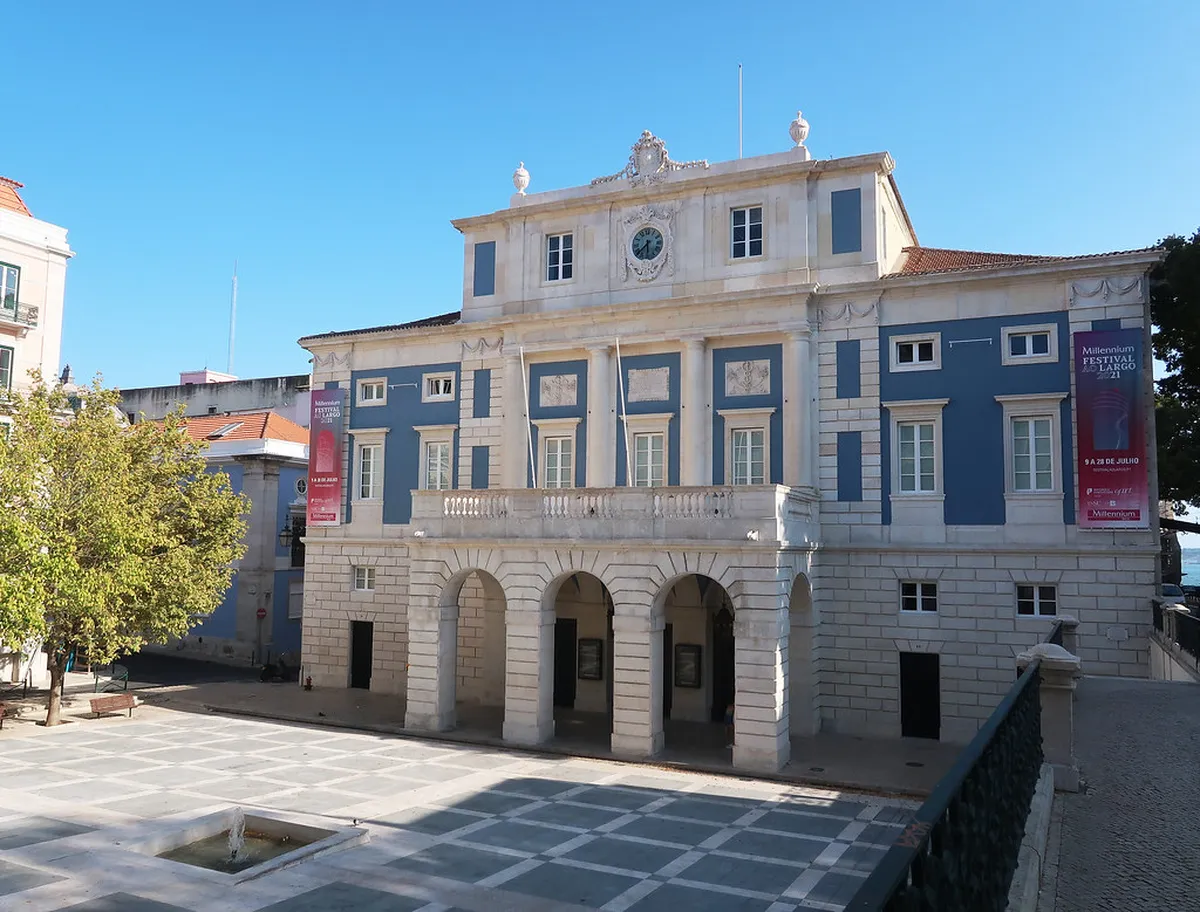
Another key venue is the Teatro Nacional D. Maria II. Located in nearby Rossio Square, it remains a national treasure. It showcases a wide range of dramatic productions. This theatre honors Queen Maria II of Portugal.
The smaller, more intimate theatres also contribute to the scene. They offer experimental and contemporary works. These venues ensure Chiado's theatrical diversity. They keep the district's artistic spirit alive.
Visiting these theatres offers a glimpse into Lisbon's soul. Check schedules for upcoming performances. You can find detailed information on theatres to visit in Chiado. Plan your cultural outing for an unforgettable experience.
| Theatre | Opened | Primary Programme | Location |
|---|---|---|---|
| Teatro Nacional de São Carlos | 1793 | Opera & classical music | Chiado, Lisbon |
| Teatro Nacional D. Maria II | 19th century | Dramatic plays | Rossio Square, Lisbon |
| Smaller intimate theatres | Various | Experimental & contemporary works | Chiado district |
Experiencing Chiado's Theatrical Heart Today (2026)
Chiado continues its legacy as Lisbon's cultural beacon. Its theatres stage a rich array of productions in 2026. You can find everything from classic opera to modern plays. There are also musicals and experimental performances.
Beyond the formal stages, Chiado’s streets buzz with life. Street performers often entertain passersby. Literary cafes invite contemplation and discussion. The district truly offers an immersive artistic environment.
Many traditional Portuguese restaurants also line the streets. Enjoy a meal before catching a show. The unique blend of history and contemporary culture is captivating. Chiado provides a full sensory experience.
Consider booking tickets in advance for popular shows. Especially for major productions at São Carlos. Explore the vibrant historic neighborhoods in Lisbon. Chiado offers a unique perspective on the city's rich past.
Book tickets for Teatro Nacional de São Carlos well in advance, especially for opera season. This venue opened in 1793 and popular productions sell out quickly — check the official schedule before your trip.
Frequently Asked Questions
What is the oldest theatre still active in Chiado, Lisbon?
The Teatro Nacional de São Carlos is Lisbon's oldest active opera house. It first opened its doors in 1793. This magnificent venue has hosted countless performances. It remains a cornerstone of Lisbon's cultural life.
How did the 1755 earthquake impact Chiado's theatre district?
The 1755 earthquake severely damaged Chiado's theatre district. Many existing structures were destroyed. However, the subsequent reconstruction efforts revitalized the area. New, grander theatres were built, cementing its cultural importance.
Is Chiado still considered a major cultural district in 2026?
Absolutely, Chiado remains a prominent cultural district in 2026. It houses historic theatres and modern performance spaces. The area also features art galleries, bookshops, and literary cafes. It continues to be a vibrant center for the arts.
What types of performances can visitors expect in Chiado theatres?
Visitors to Chiado's theatres can expect a diverse range of performances. These include classical opera, dramatic plays, and musical productions. You might also find contemporary dance or experimental theatre. Check local listings for current shows and schedules.
The history of Chiado theatre district is a testament to Lisbon's enduring spirit. From medieval origins to modern revitalization, it has thrived. This district continues to be a beacon of culture and art. Its theatrical legacy remains profoundly vibrant in 2026.
We encourage you to explore Chiado's historic streets. Discover its magnificent theatres and literary cafes. Experience the charm and drama for yourself. Immerse yourself in the heart of Lisbon's cultural heritage.
Key Takeaways
- Chiado has been Lisbon's cultural heart since medieval times.
- The 1755 earthquake devastated Chiado but led to its elegant reconstruction.
- Iconic theatres like Teatro Nacional de São Carlos define its theatrical legacy.
- Today, Chiado remains a vibrant hub for performing arts and literature.
- Plan to visit historic venues and literary cafes in 2026.
Continue exploring Lisbon's historic quarter
- Exploring the Rich History of Chiado Theatre District LisbonDecember 13, 2025
 Chiado Theatre Shows Lisbon: Your 2026 GuideDecember 12, 2025
 Top Theatres to Visit in Chiado Lisbon in 2026December 12, 2025
 Explore Lisbon's Vibrant Chiado Theatre DistrictDecember 11, 2025