
Planning Your Lisbon Historic District Visit in 2026

Table of Contents
Lisbon's historic districts are among Europe's most captivating urban landscapes. Ancient Moorish alleys, Pombaline grid streets, and hilltop miradouros all compete for your attention. Planning your Lisbon historic district visit properly ensures you see the highlights without the frustration of missed closures or tourist-trap detours. This guide gives you the essential framework for a well-paced 2026 trip.
The historic core is compact. Alfama, Baixa, Chiado, Bairro Alto, and Mouraria are all reachable on foot or by public tram from most central hotels. Allow a minimum of two full days to do the major neighborhoods justice, and three days if you want unhurried exploration with museum stops included.
Understanding Lisbon's Historic Neighborhoods
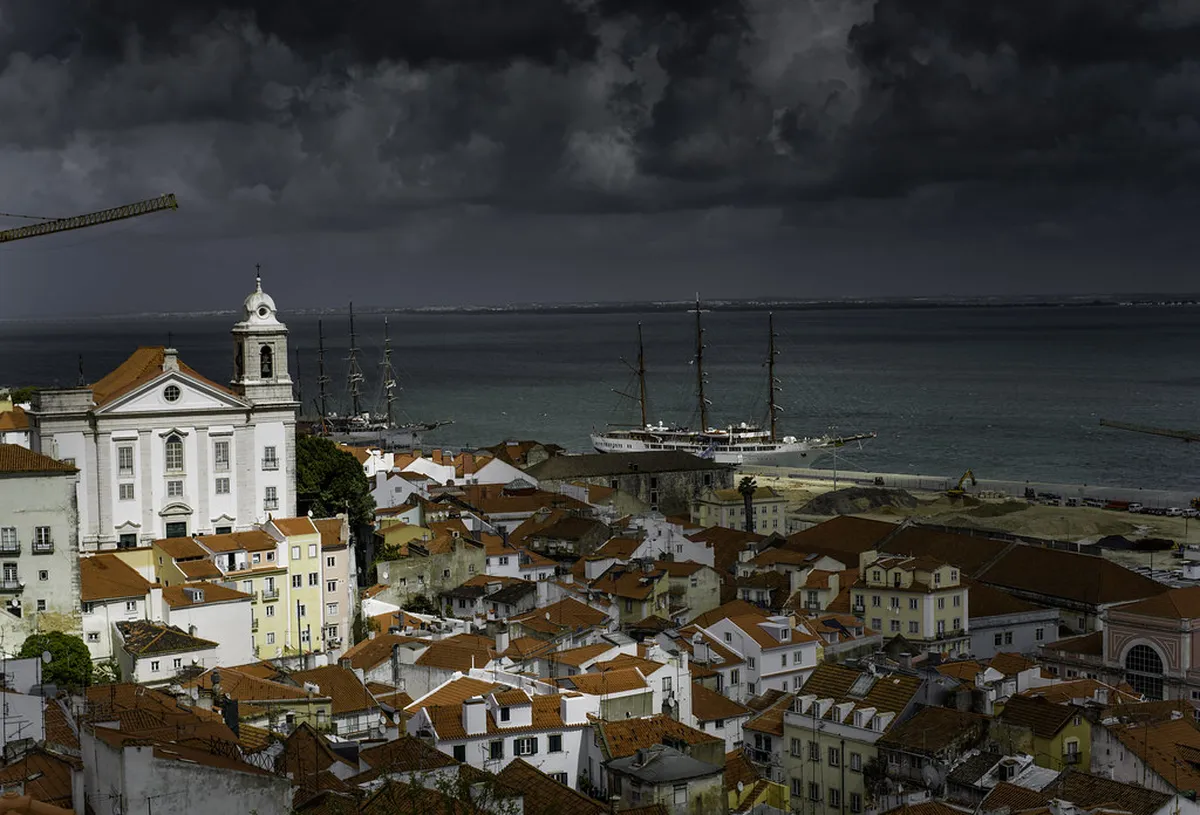
Before you arrive, it helps to picture Lisbon's layout. The city sits on a series of hills above the Tagus River. Baixa, the flat, reconstructed grid downtown, sits at sea level between the hillside quarters. Alfama rises to the east around the Castelo de São Jorge. Bairro Alto and Chiado perch on the western hill. Mouraria occupies the slopes beneath the castle to the north. Graca and Belém sit further out but are easy day-trip additions.
Each district has a distinct personality. Alfama is the oldest, mostly residential, and famous as the birthplace of Fado. Baixa is commercial and grand, anchored by the Praça do Comércio waterfront square. Chiado mixes literary cafés with upscale boutiques. Bairro Alto comes alive after dark with bars and Fado houses. Mouraria is multicultural, street-art rich, and increasingly foodie. Understanding these differences helps you sequence your days logically. Read more about the historic neighborhoods in Lisbon before you go.
Best Time to Visit Lisbon's Historic Districts
Spring (April to June) and early autumn (September to October) are the sweet spots. Temperatures are mild, ranging from 18 °C to 26 °C, and the summer crush has not yet — or has just — subsided. July and August bring peak prices, packed tram queues, and afternoon heat above 35 °C that makes cobblestone climbing uncomfortable. Winter is quiet, affordable, and surprisingly pleasant for sightseeing, though some rooftop bars and seasonal viewpoint cafes close or keep shorter hours.
June marks the Festas de Lisboa when Alfama and Mouraria explode with outdoor sardine grills, street parties, and free Fado performances every night around the 12th and 13th. If your trip overlaps, block those evenings for Alfama — it is one of Europe's most atmospheric street festivals.
Peak season (July–August) daily visitor counts at Castelo de São Jorge alone exceed 3,000. Arriving at opening time — 9 AM — cuts queuing to under ten minutes. The same logic applies to Santa Justa Lift and the Jerónimos Monastery in Belém. Buy tickets online in advance where available; most major Lisbon attractions offer this.
Key Landmarks and Practical Costs
Lisbon rewards careful budgeting. Many of the city's finest experiences — viewpoints, street-art murals, cathedral interiors — are free. The paid attractions are good value but add up fast if you visit several in one day. The table below consolidates the main historic-district sights with their 2026 ticket prices and opening hours to help you plan your daily spend.
| Landmark | District | Adult Ticket (2026) | Opening Hours | Time Needed |
|---|---|---|---|---|
| Castelo de São Jorge | Alfama | ~€15 | 9 AM – 6 PM (winter 5 PM) | 1.5–2 hrs |
| Sé de Lisboa (Cathedral) | Alfama | Free (cloister ~€3) | 9 AM – 7 PM (Sun from 2 PM) | 30–45 min |
| Santa Justa Lift | Baixa | ~€6 (or Viva Viagem card) | 7 AM – 11 PM | 20 min |
| Rua Augusta Arch viewpoint | Baixa | ~€3 | 9 AM – 9 PM | 20 min |
| Carmo Convent ruins | Chiado | ~€5 | 10 AM – 6 PM (Mon–Sat) | 45 min |
| Fado Museum | Alfama | ~€5 | 10 AM – 6 PM (closed Mon) | 1 hr |
| National Azulejo Museum | East Lisbon | ~€8 | 10 AM – 6 PM (closed Mon) | 1–1.5 hrs |
Entry to most viewpoints — Miradouro das Portas do Sol, Miradouro de Santa Luzia, Miradouro da Graça — is completely free. Factor in a coffee at a miradouro café (around €1.50 for a bica) to sit and enjoy the view without feeling rushed.
Getting Around the Historic Districts
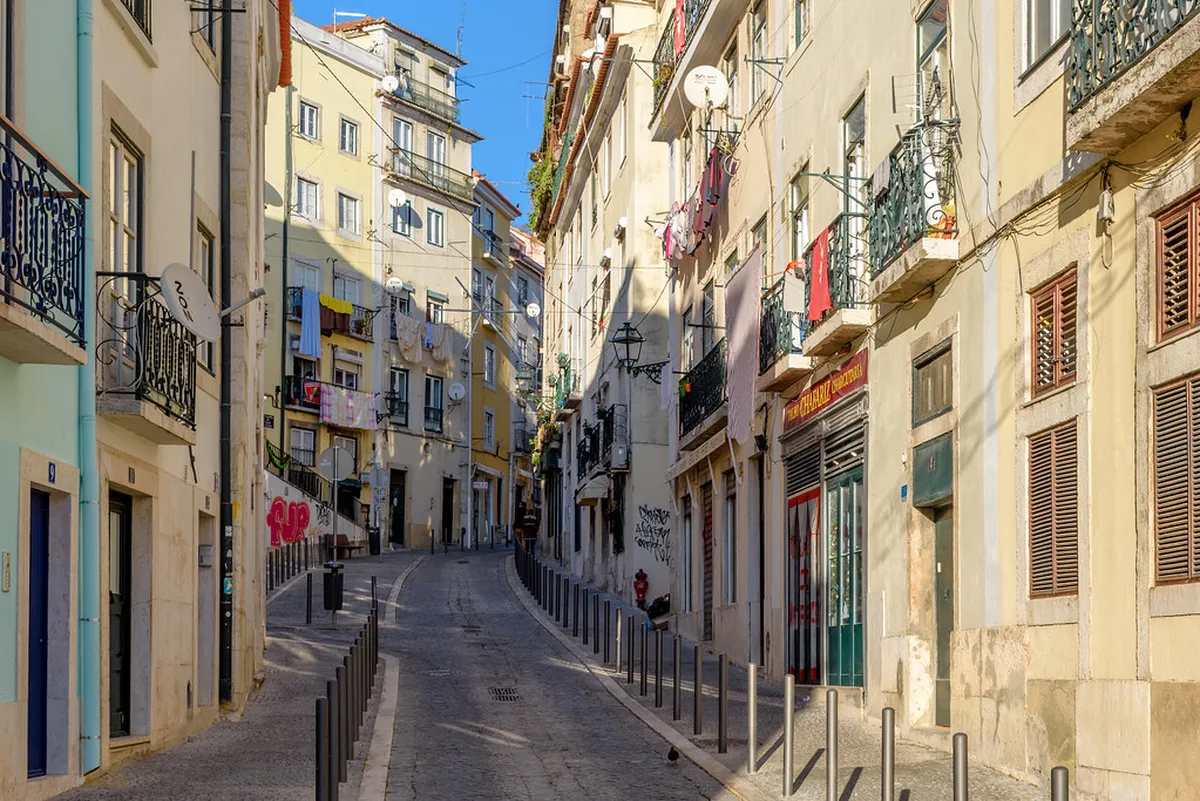
Walking is your primary mode of transport once you are inside the historic core. Distances between Alfama and Chiado are only about 1.5 km as the crow flies, though the hills make it feel further. Comfortable, grippy shoes are not optional — cobblestone streets become treacherous in smooth-soled footwear, especially after rain.
Tram 28E is the most scenic way to link the eastern and western hills. It runs from Martim Moniz through Alfama, Baixa, Chiado, and up to Campo de Ourique. A single Carris ticket costs around €3 or you can use a reloadable Viva Viagem card (€0.50 card fee + pay-per-trip fares at roughly €1.60 per ride) for better value across multiple days. Tram 15E connects Praça da Figueira to Belém for around €2 if you prepay. For a deeper guide, see how to ride Lisbon's historic trams.
Tram 28E is a notorious pickpocketing hotspot. Keep your bag in front of you, phones in a zipped pocket, and avoid Tram 28E during rush-hour sardine-tin conditions (8–9 AM and 5–7 PM). Ride it for the view but stay alert — the route passes through Alfama's steepest and most crowded sections.
The Lisbon Metro is efficient for longer hops — the Blue Line connects Baixa-Chiado station to the airport. A 24-hour transport card (Metro + bus + tram, around €6.90) is worthwhile if you plan multiple rides in a day. Ubers are widely available and inexpensive by Western European standards for short hops between hills.
Suggested Two-Day Itinerary
A two-day framework gives you enough time to cover the core historic districts at a relaxed pace. On day one, start in Alfama: reach Castelo de São Jorge at opening time (9 AM), walk down through the castle walls to the Miradouro das Portas do Sol, then wind down through Rua do Limoeiro to the Sé Cathedral. Take the afternoon to explore Mouraria's street-art alleys and the Fado Museum. End the evening with dinner and live Fado in one of Alfama's authentic casas de fado.
On day two, begin in Baixa: walk the Praça do Comércio waterfront, climb the Rua Augusta Arch for city views, and ride the Santa Justa Lift up to Chiado. Spend the midday hours in Chiado's literary cafés and Carmo Convent, then drift into Bairro Alto for petiscos (Portuguese tapas) and drinks at dusk. If time allows, add a morning or afternoon extension to Belém via Tram 15E to see the Jerónimos Monastery and Belém Tower. Learn more about Lisbon's full historic district network to decide which extensions suit your interests.
Frequently Asked Questions
How many days do I need to visit Lisbon's historic districts?
Two full days cover the main highlights: Alfama, Mouraria, Baixa, Chiado, and Bairro Alto. A third day lets you add Belém or spend more unhurried time in any district. Rushing through in a single day is possible but you will miss hidden courtyards and spontaneous experiences that make Lisbon special.
Is Lisbon's historic district safe for tourists?
Lisbon is generally very safe. The main concerns are petty pickpocketing, particularly on Tram 28E and in crowded viewpoints. Keep valuables out of back pockets, use a crossbody bag, and stay alert in very crowded spots. See our full guide to Lisbon historic district safety for specific neighbourhood advice.
What is the best way to get from Alfama to Chiado?
The most scenic route is Tram 28E, which links both districts for around €3 (or ~€1.60 with a Viva Viagem card). Walking takes about 25–35 minutes and is pleasant downhill toward Baixa before climbing to Chiado. The Metro (Green Line, Baixa-Chiado station) is quickest for a rain-day shortcut.
Which Lisbon historic district attractions offer free entry?
All of Lisbon's hilltop miradouros are free: Portas do Sol, Santa Luzia, Graça, and Senhora do Monte. Entry to the nave of the Sé Cathedral is free (cloister costs ~€3). Mouraria and Alfama's streets are free to wander. The Praça do Comércio and Rua Augusta promenade are also free. Budget conscious travellers can fill a full day on no-cost sights alone.
Planning your Lisbon historic district visit in 2026 is ultimately about balancing the iconic paid landmarks with the city's abundant free pleasures — its viewpoints, its streets, its impromptu Fado singing heard through an open window. Build in slack time. Lisbon rewards the wanderer.
Key Takeaways
- Spring and early autumn offer the best weather and manageable crowds for exploring Lisbon's historic districts.
- Buy tickets to Castelo de São Jorge and Jerónimos Monastery online in advance to avoid long queues.
- Load a Viva Viagem card for cheaper tram and metro travel; a 24-hour pass (~€6.90) pays off if you take four or more rides.
- Arrive at major paid attractions at opening time (9 AM) to beat the crowds substantially.
- Wear grippy, comfortable walking shoes — Alfama and Bairro Alto hills on wet cobblestones are genuinely slippery.
Continue exploring Lisbon's historic quarter
 Explore Lisbon's Historic Neighborhoods in 2026December 13, 2025
- Planning Your Lisbon Historic District Visit in 2026December 13, 2025
 Alfama One Day Itinerary: 9 Essential Stops and TipsJune 19, 2026