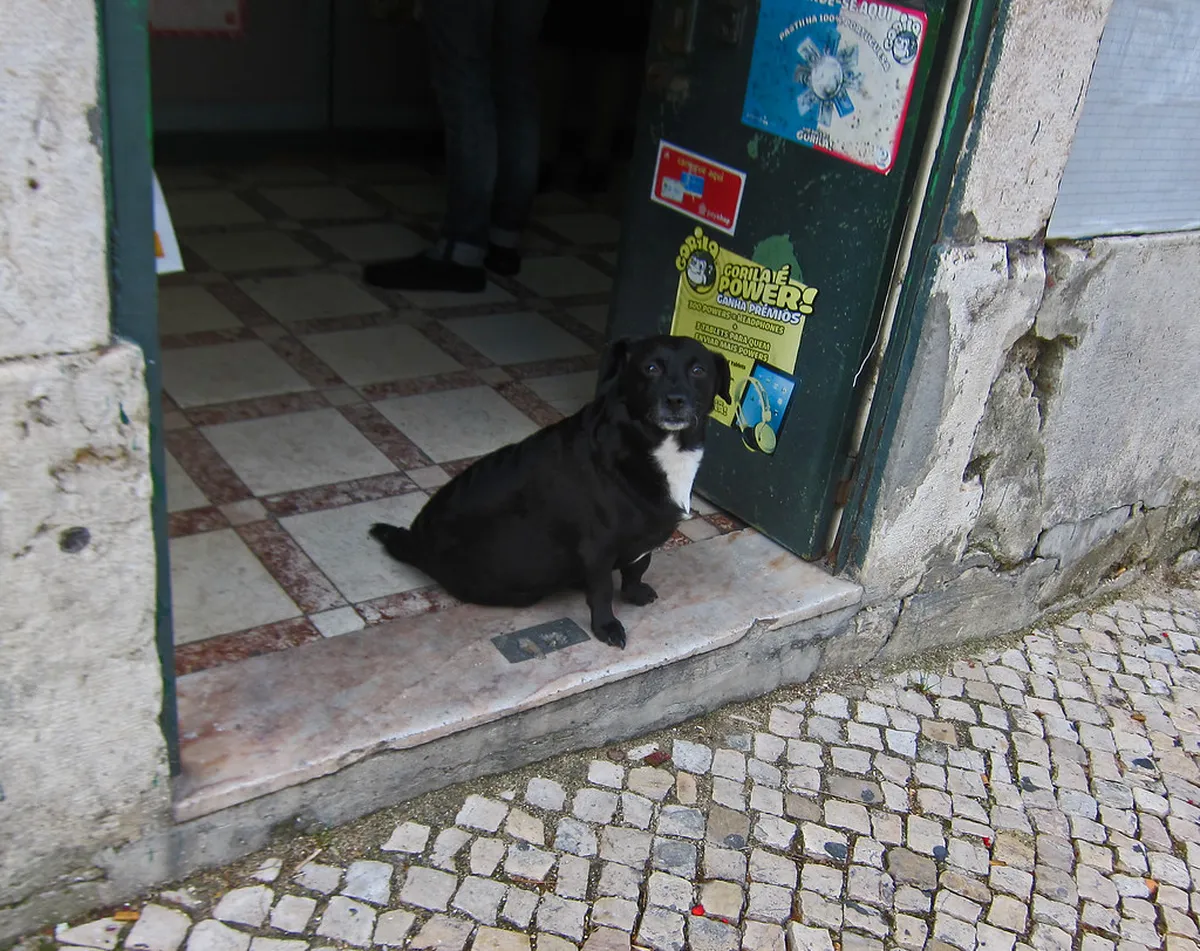
Stepping into Alfama Lisbon feels like entering a living museum where time moves at its own pace. This ancient district serves as the soulful heart of the Portuguese capital.
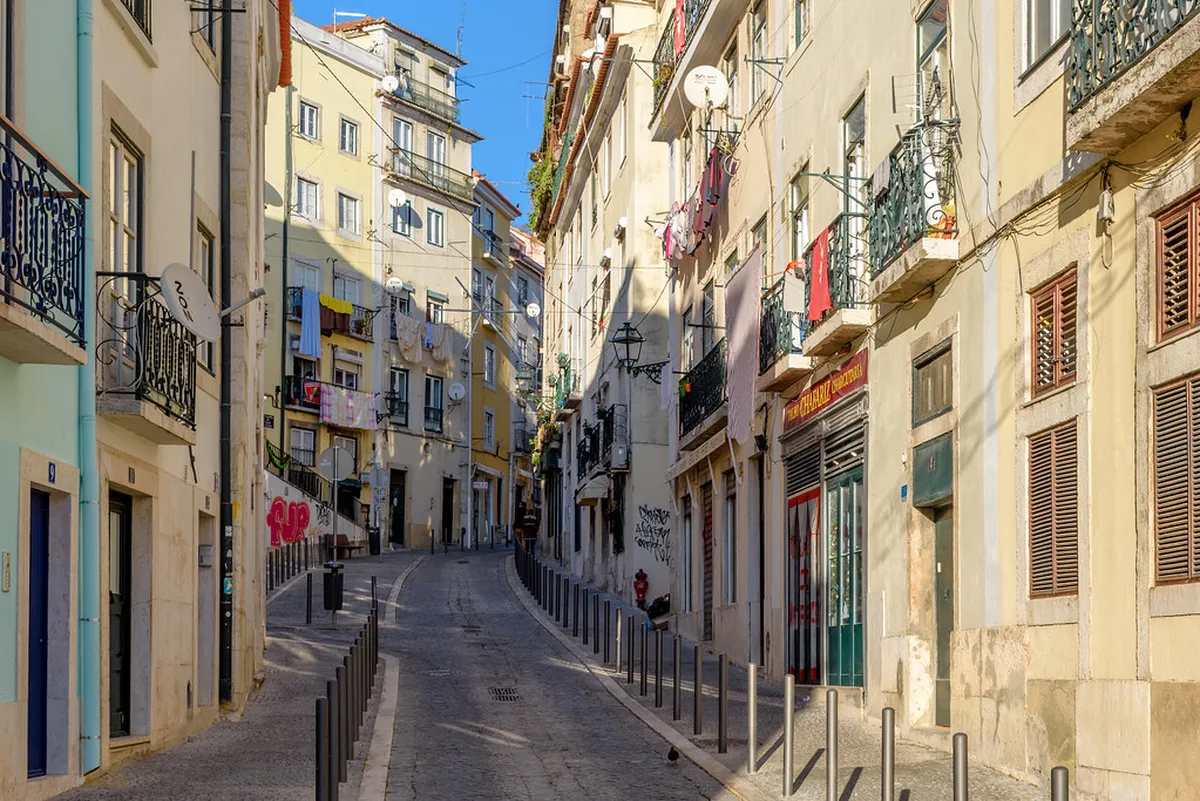
You will find narrow cobblestone streets that wind past colorful houses and laundry-draped balconies. It remains the only part of the city to survive the Great Earthquake of 1755.
Travelers often visit to hear the haunting melodies of Fado echoing through the evening air. This guide covers every major landmark, the best local food, where to stay, and exactly how to get here — with the specific details that most guides leave out.
A brief history of the area
The history of Alfama stretches back to the Moorish era, when it was an affluent residential suburb. Its name derives from the Arabic word "al-hammâ," a reference to the area's many fountains and hot springs. When the Moors controlled Lisbon, this hillside neighborhood was their cultural center, and the winding street layout you walk today follows the same plan they established over a thousand years ago.
When the Portuguese re-conquered Lisbon in 1147, the area gradually became a working-class quarter populated by fishermen, sailors, and their families. You can still spot Moorish architectural traces in some of the older doorways — horseshoe-arched niches and low stone lintels that predate any Portuguese construction in the city.
The catastrophic earthquake of 1755 leveled most of Lisbon in minutes. Alfama survived because of its dense bedrock and the tight clustering of its stone buildings, which absorbed the shock rather than collapsing outward. The medieval street grid that confuses GPS apps today is the same one that saved these structures nearly three centuries ago.
From the late 20th century onward, hotels, short-term rentals, and restoration projects transformed what had been a genuinely poor neighborhood into one of Europe's most-visited districts. The gentrification is real and acknowledged by locals — but the steep alleys, tile-faced walls, and the music still make it unlike anywhere else in the continent. Explore more of what makes this city tick with our Lisbon travel guides.
What to See and Do in Alfama
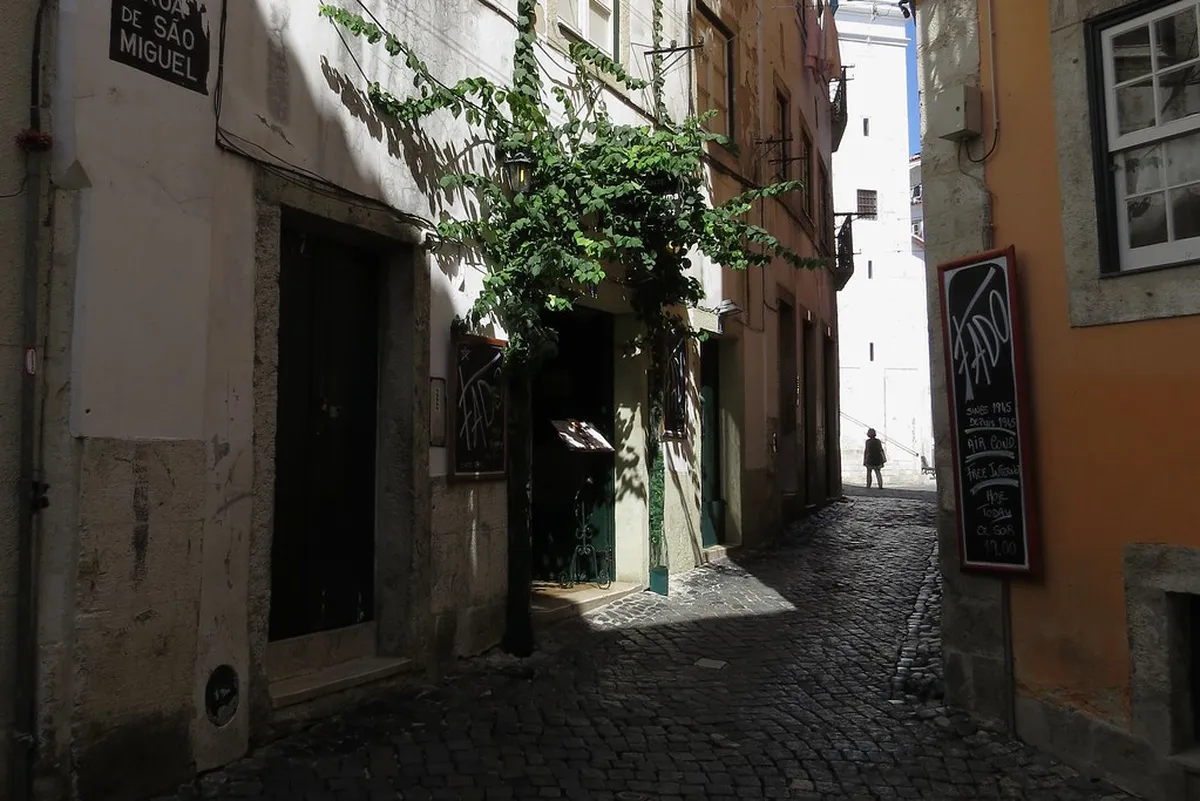
The Sé de Lisboa — Lisbon's cathedral — stands at the bottom of the neighborhood and is the natural starting point for any walk uphill. Construction began in 1147 immediately after the Christian re-conquest, making it one of the oldest buildings in the city. Entry to the main nave is free; the cloisters and treasury cost €7 and are open Monday to Saturday from 10:00 to 18:00. The best interior detail most visitors miss is the Romanesque rose window visible from the High Choir — come on a clear morning when the light hits it from the east.
The oldest house in Lisbon sits at Rua dos Cegos 20, a short walk uphill from the cathedral. This small private residence survived the 1755 earthquake and remains occupied today. You cannot go inside, but the building itself is the photo opportunity — frame it from the bottom of the alley to capture the original Moorish doorway proportions against the painted tile facade above.
Wandering without a fixed plan is as legitimate a strategy as ticking off landmarks. The hidden squares, laundry-draped passages, and small neighborhood shrines to Santo António that appear around blind corners are the real character of the place. Allow at least three to four hours if you want to combine walking with going inside any of the major monuments.
The Fado Museum at Largo do Chafariz de Dentro is an overlooked stop that gives the music genuine context. The genre did not actually originate in Alfama — it came from the neighboring Mouraria — but this museum covers that history clearly and is far less crowded than the castle or the Pantheon. It is one of the best-value cultural stops in the district.
Castelo de São Jorge: Views Worth the Queue (If You Time It Right)
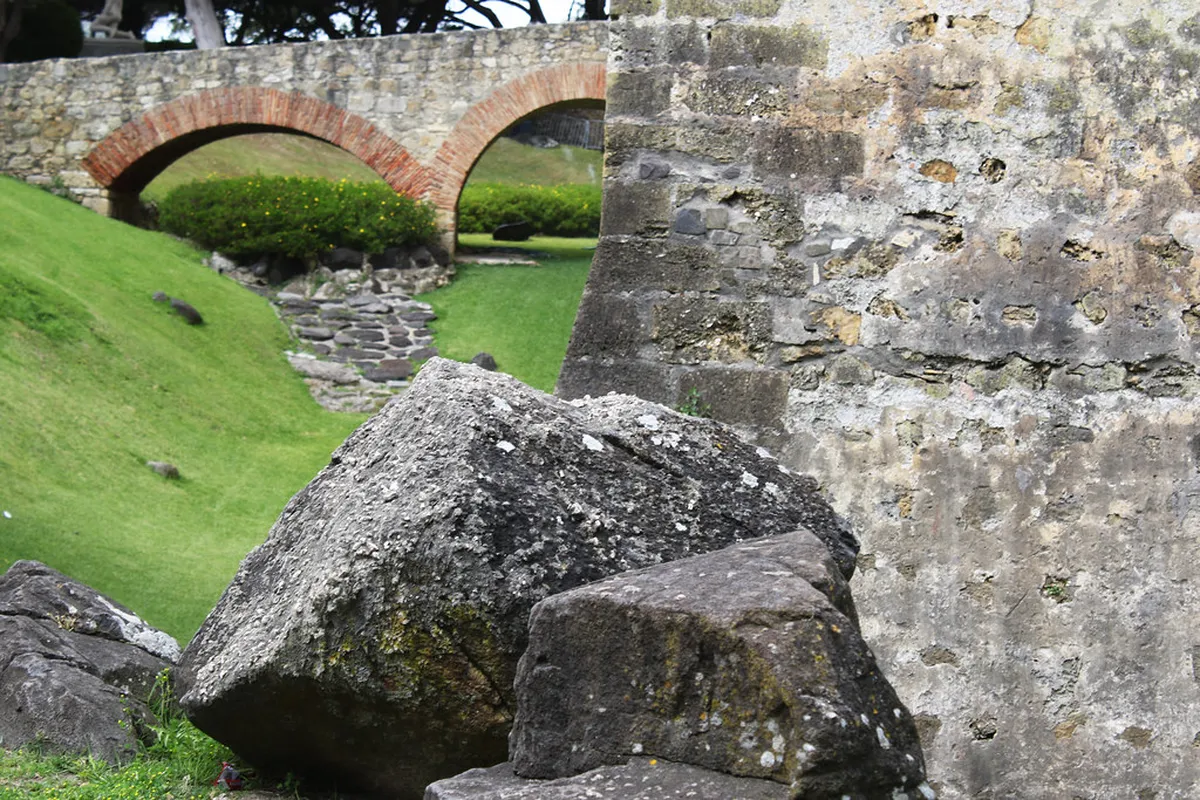
Castelo de São Jorge sits at the top of Alfama's hill and is the single most-visited site in the district. The fortifications date to around the 8th century, originally built by the Moors, though the Gothic structure visible today — with its ten square towers, rectangular keep, and barbican to the southeast — was largely shaped in the 11th century and modified repeatedly after the Portuguese took the city. Adult entry is €15 in 2026; the ticket includes access to the ramparts, a small archaeological museum, and the terrace viewpoints.
The views from the castle walls are genuinely the best in Lisbon. From the ramparts you see the full sweep of the Tagus River, the rooftops of Alfama below, and on clear days the Cristo Rei statue across the water in Almada. Give yourself at least 90 minutes inside to walk the full perimeter at a comfortable pace.
The queue problem is real: walk-up lines at the main gate regularly reach 60 minutes between 10:00 and 14:00, when tour groups from the cruise terminal arrive in bulk. The practical fix is simple. Buy your ticket online at the castle's official website before you leave your accommodation — the timed-entry window means you walk straight to the front. If you cannot pre-book, arrive at opening time (09:00) or after 15:30 when the morning cruise groups have cleared out. Bus 737 from Praça da Figueira drops you directly at the castle gate and runs every ten minutes on weekdays (15–30 minute intervals on weekends), which is far less exhausting than climbing from the cathedral on foot in summer heat.
Note that some surrounding areas — smaller castle gates and access paths on the south side — close at 19:00. If you plan to combine a castle visit with watching the sunset from Miradouro das Portas do Sol, do the viewpoint first, then head up to the castle in the late afternoon to catch the soft light on the ramparts from the inside.
The views from the castle walls are genuinely the best in Lisbon. From the ramparts you see the full sweep of the Tagus River, the rooftops of Alfama below, and on clear days the Cristo Rei statue across the water in Almada.
The National Pantheon (Igreja de Santa Engrácia)
The National Pantheon is the white domed building that appears in almost every Alfama skyline photograph. Work on it began in the 16th century and — due to financial interruptions, a reported curse, and a civil war — was not completed until the 1960s. The long construction gave rise to a Portuguese idiom: "obras de Santa Engrácia," meaning a project that never ends.
Inside, the building serves as the final resting place of Portugal's most distinguished historical figures, including Fado singer Amália Rodrigues, footballer Eusébio, and the explorer Vasco da Gama. Entry costs €5 per adult and is open Tuesday to Sunday from 10:00 to 18:00; it is closed on Mondays. The Lisboa Card covers admission if you are already using one for the city's transport and major sites.
The climb to the rooftop terrace is steep but manageable for most visitors and delivers a 360-degree panorama that rivals the castle views — without the €15 entry price or the long queues. The Tagus River, the red tiles of Alfama, and the distant hills south of Lisbon are all visible from up here. Budget about 45 minutes total for the Pantheon, including the terrace.
Right behind the building is Jardim Botto Machado, a small garden that none of the main tourism sites mention. It has benches, shade trees, and a direct view down to the river. After climbing the Pantheon terrace, this is the right place to sit, have a cold drink from the nearby kiosk, and let the river breeze settle you before heading to the flea market on the other side of Campo de Santa Clara.
Miradouro das Portas do Sol
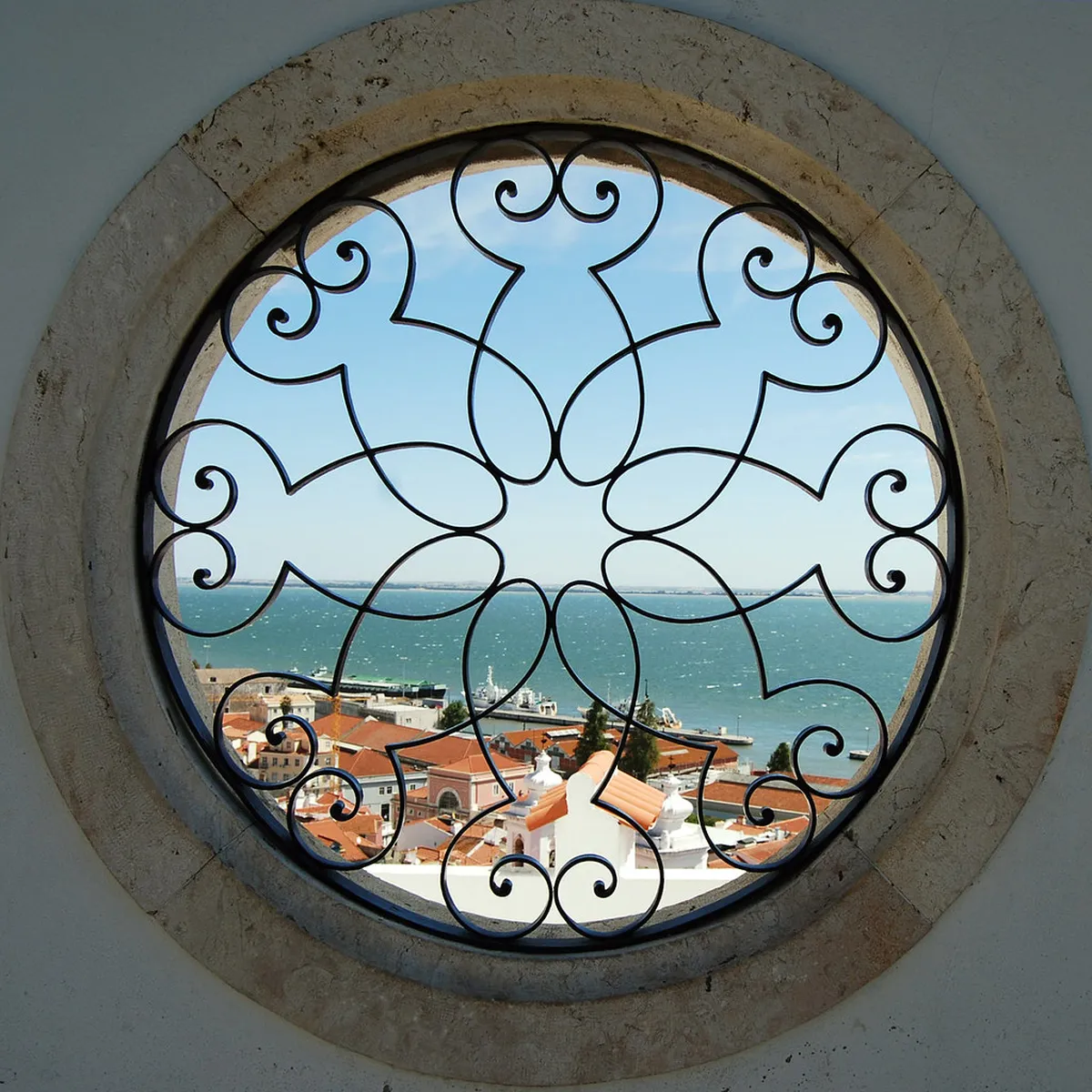
Miradouro das Portas do Sol is the most photographed viewpoint in the city. The balcony overlooks a dense terracotta roofscape that cascades down to the Tagus, with the white dome of the National Pantheon anchoring the left side of every shot. The name means "City Gates" — in the Moorish period, this was the main entrance to Lisbon from the east.
Photographers should time their visit for the early morning, when the sun rises directly behind the Pantheon and casts long warm shadows across the tile roofs. The golden hour before 09:00 gives you soft light and, crucially, an empty viewpoint. From about 10:30 onward, tour groups arrive steadily from the cruise terminal below and the terrace becomes very crowded.
Directly adjacent is Miradouro de Santa Luzia, which is less visited and arguably more beautiful. The garden here is framed by bougainvillea and decorated with azulejo panels on the facade of the adjacent church — one depicting the 1147 Portuguese conquest of São Jorge Castle, the other showing Praça do Comércio before the 1755 earthquake. Visit both viewpoints in sequence; they are thirty seconds apart on foot.
Be aware that some neighboring castle access paths close around 19:00. If you are walking the area in the evening, plan to be at the viewpoints before then to avoid finding certain routes blocked on your way back downhill.
Alfama's steep cobbled hills and uneven streets require grippy shoes and solid footing. The narrow alleyways and stairs are especially treacherous in summer heat and after rain — wear comfortable, broken-in walking shoes with good traction to avoid slipping.
Buy something cool at Feira da Ladra
The Feira da Ladra — literally "Thieves' Market" — is a flea market with a 700-year history, held every Tuesday and Saturday in Campo de Santa Clara, the square directly in front of the National Pantheon. You will find antique azulejo tiles, vintage cameras, handmade jewelry, old books, coins, tools, and the sort of genuinely odd objects that do not appear in any gift shop.
The market officially opens at 08:00 and winds down around 14:00. The single most useful timing tip: arrive before 11:00. After that, the tour groups from nearby cruise ships arrive in numbers and the already narrow pathways between stalls become difficult to navigate. Bargaining is accepted and even expected for small items — a polite offer on multiple pieces from the same vendor is usually received well.
The market ends abruptly when it ends; vendors begin packing up without ceremony around 13:00 even when listed hours say 14:00. If you want to buy something specific, do not leave it until the final half-hour.
Alfama – What and where to eat?
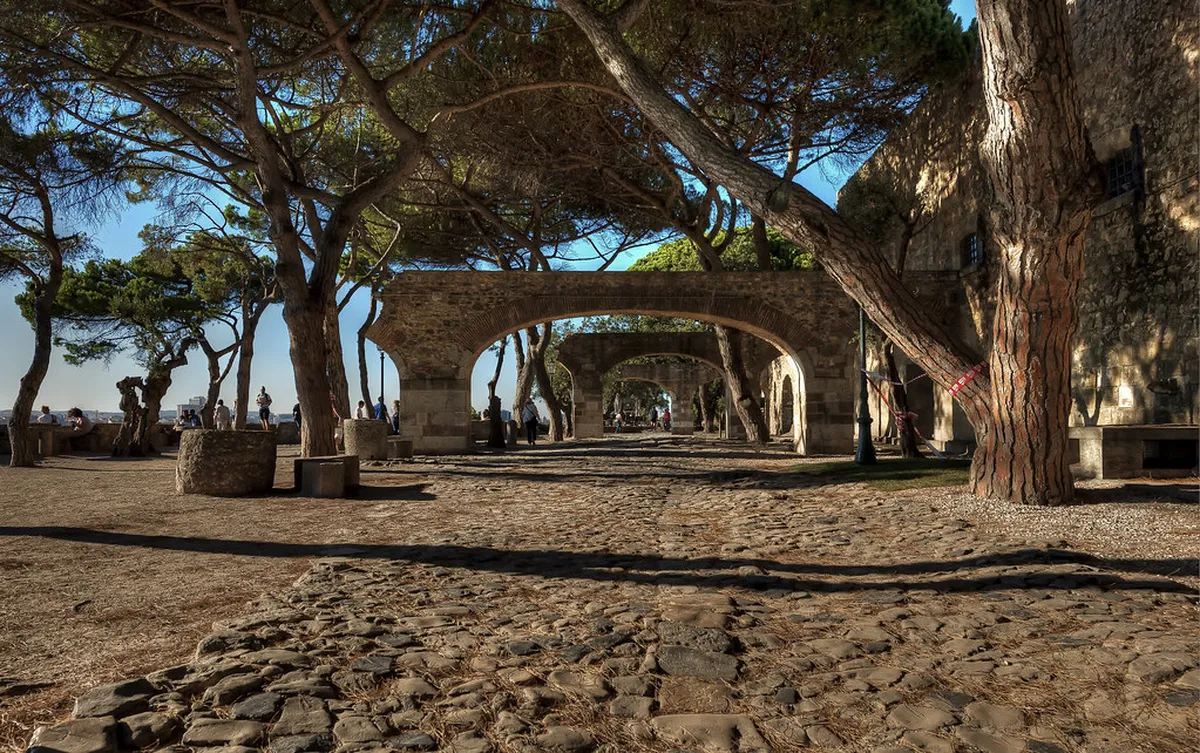
The local restaurant format is the "tasca" — a small family-run place with handwritten menus and no reservations taken. These are where the neighborhood's working-class character survives most intact. Grilled sardines (sardinhas assadas) are the dish you eat in summer, typically from June through September when the fish are at their fattest. A plate with bread and a glass of local wine rarely exceeds €12 in the tascas away from the main tourist streets.
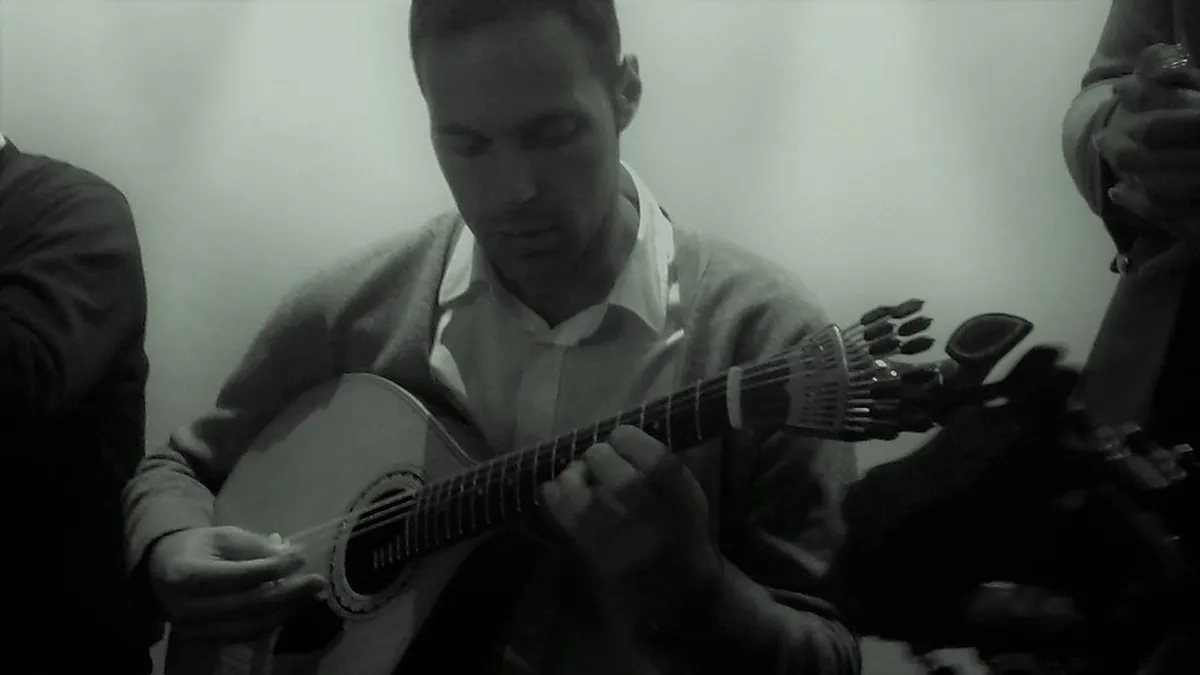
Fado dining houses combine a set-price dinner with a live performance. The ticket price typically covers several courses, wine, and the concert — expect to pay between €35 and €60 per person depending on the venue and the night. A Baiuca and Clube de Fado are the most respected establishments in the district; both require advance reservations and both enforce silence during the performances. Fado is not background music — it is the event itself, and the performers take this seriously.
For a more contemporary option, Santa Clara dos Cogumelos near the Pantheon has built a following around mushroom-forward Portuguese cooking with seasonal produce. The restaurant near Mouraria worth noting is O Velho Eurico, which serves petiscos (Portuguese small plates) at a lively communal pace — reservations are essential here too.
Avoid the cafes immediately adjacent to Miradouro das Portas do Sol. The pricing is tourist-elevated and the food is unremarkable. Walk two or three streets away from any viewpoint and the quality-to-price ratio improves immediately. Read our Portugal travel guides for more dining tips across the country.
Alfama – Where to stay?
Staying inside the neighborhood gives you the rare experience of the streets after dark — quiet, lit by streetlamps, with Fado drifting from restaurant windows. The practical trade-off is that many properties require a physical climb to reach, luggage is cumbersome on cobblestones, and ride-hailing cars cannot always reach your door. Book a property that the host explicitly confirms is accessible by car or tuk-tuk if you have heavy bags.
Santiago de Alfama is a five-star boutique hotel in a restored 15th-century building, minutes from the castle. Rooms face the red-tile roofscape and the service is personalized; expect to pay around $300 per night. Memmo Alfama is the design-hotel option — tucked in a small alley with a rooftop pool and river views from $250 per night. Both require advance booking in summer.
Pousada de Alfama sits directly across from Miradouro das Portas do Sol and features artwork from the Museu de Lisboa collection throughout the building, including a courtyard mural by street artist Bordalo II. Rates start from around $150 and the location is the best in the district for walkability. Tandem Palacio Alfama Suites and São Vicente Alfama Hotel both offer self-catering options from around $200 per night, which suits travelers who prefer to prepare their own meals.
Budget travelers will find local apartments through the standard booking platforms at significantly lower prices. These typically require more stairs and offer less service, but the immersion in the neighborhood's day-to-day rhythm is more immediate. Avoid booking the cheapest options directly on the main tourist drag — the noise from tour groups starts early.
A Local's Guide to Bairro Alto, Lisbon
Bairro Alto offers a completely different atmosphere from Alfama's historic contemplation. Where Alfama is tiles, Fado, and steep morning light, Bairro Alto is Lisbon's nightlife district — a dense grid of bars that opens late and stays loud until well past midnight on weekends.
The streets here function as an extended outdoor venue every Friday and Saturday night. Hundreds of small bars open their doors and people spill onto the cobblestones with drinks in hand. The crowd skews younger than Alfama's daytime visitors, and the energy is entirely different from the melancholic register of Fado.
During the day the neighborhood is almost entirely quiet and excellent for street art hunting. The Gloria Funicular from the lower city drops you at the edge of the district and saves the climb. If you want to compare Lisbon's nighttime neighborhoods, Bairro Alto is the high-density choice; Cais do Sodré, ten minutes west, has a slightly more mixed-age crowd and the famous Time Out Market.
A Local's Guide to Príncipe Real, Lisbon
Príncipe Real sits just above Bairro Alto and is the most residential and design-conscious neighborhood in central Lisbon. The streets are lined with 19th-century mansions, independent concept stores, and the kind of restaurants where the menu changes weekly based on the produce market. It is quieter than either Alfama or Bairro Alto and attracts a more local crowd.
The Embaixada shopping gallery is the visual highlight — a neo-Moorish palace converted into independent Portuguese design and fashion boutiques. The building itself is worth entering even if you do not buy anything. The central garden on Praça do Príncipe Real has a magnificent old cedar tree that provides shade through the hottest part of a summer afternoon.
For evening dining, Príncipe Real has the most concentrated group of well-regarded modern restaurants in the city. It is the right choice for a slow dinner after a full day of walking Alfama. The walk between the two neighborhoods takes about twenty minutes downhill, or you can take a rideshare for under €5.
Summary – Is it worth visiting Alfama in Lisbon?
Yes, without reservation — but the quality of the experience depends entirely on when you go and how you approach it. Between 10:00 and 15:00 on any day from May through October, the main streets around the viewpoints and the castle approach are dense with tour groups from the cruise terminal. The neighborhood still exists underneath the tourism layer, but you need to walk two streets off the obvious path to find it.
The best version of Alfama is a Sunday morning before 09:00. The streets belong to locals heading to church, elderly residents taking air on their balconies, and cats. The sound of bells from the Sé Cathedral carries across the hillside without competition. By 10:30 the tour groups begin arriving and the character shifts.
If your schedule only permits a daytime visit during peak season, go anyway — the Pantheon, the castle views, and the flea market (on Tuesdays and Saturdays) are worth the crowds. Just walk uphill from the cathedral rather than arriving by tuk-tuk convoy, and you will discover alleyways that the groups never enter. The district's soul is still there; it simply requires a little deliberate searching to find it.
Lisbon planning cheatsheet
Alfama is not served by the metro. Your options from the city center are Tram 28, Bus 737, tuk-tuk, or a steep walk from the Baixa area. Here is how they compare for the most common use cases.
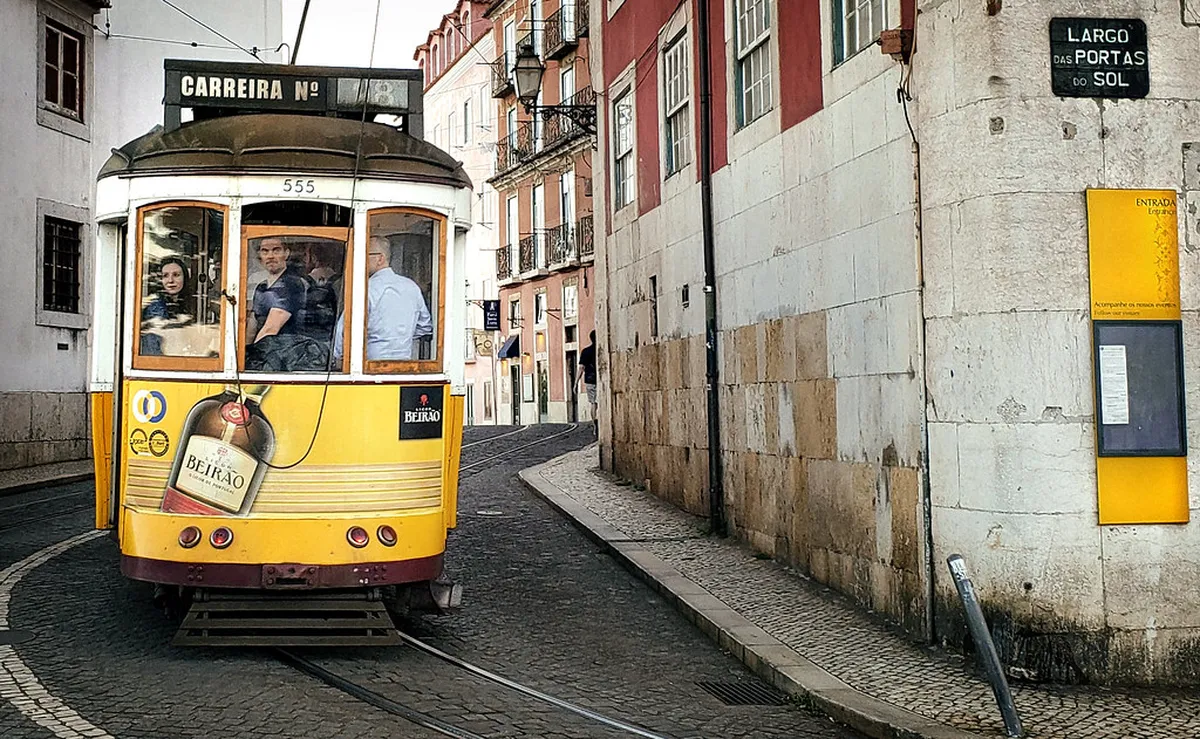
- Tram 28 — runs from Martim Moniz to Campo de Ourique, passing through the heart of Alfama. First departure on weekdays is at 05:40; last at 23:30. Between 09:00 and 18:00, trams depart approximately every 8–10 minutes. The trams are vintage 1930s vehicles that only fit Lisbon's narrow gauge — they remain in service because no modern tram can navigate these tracks. Queues at Martim Moniz regularly exceed one hour during peak season. Board mid-route at a less popular stop, or ride to the end of the line where it empties out.
- Bus 737 — departs from Praça da Figueira and goes directly to the castle gate. Frequency is every 10 minutes on weekdays and every 15–30 minutes on weekends. This is the practical choice if reaching Castelo de São Jorge is your primary goal. It is faster and less crowded than Tram 28 for this specific journey.
- Key tickets and prices in 2026: Castelo de São Jorge €15 adult (book online to skip the queue); National Pantheon €5 (closed Mondays); Sé Cathedral cloisters €7 (open Monday–Saturday 10:00–18:00); Feira da Ladra free entry (Tuesdays and Saturdays, 08:00–14:00, best deals before 11:00).
- Lisboa Card — covers unlimited metro, tram, and bus travel plus free entry to the Pantheon and discounted or free entry to the castle and Sé. Worth buying if you plan to visit more than three paid attractions in a day. Available in 24-hour (€22), 48-hour (€37), and 72-hour (€46) versions.
- Practical note — carry some cash. The traditional tascas and many market vendors do not accept cards for small purchases. An ATM at Largo do Chafariz de Dentro is the most conveniently located within the district.
| Attraction | 2026 Ticket Price | Hours (2026) |
|---|---|---|
| Sé Cathedral (cloisters & treasury) | €7 | Mon–Sat 10:00–18:00 |
| Castelo de São Jorge | €15 | Daily 09:00–19:00+ |
| National Pantheon | €5 | Tue–Sun 10:00–18:00 (closed Mon) |
| Fado Museum | Not specified | Not specified |
| Feira da Ladra (flea market) | Free | Tue & Sat 08:00–14:00 |
Frequently Asked Questions
Is Alfama Lisbon worth visiting?
Yes, it is absolutely worth visiting for its unique history and atmosphere. As the oldest district, it offers a glimpse into pre-1755 Lisbon that you cannot find elsewhere. You should visit early in the morning to avoid the largest crowds from cruise ships.
What is Alfama Lisbon known for?
The district is most famous for being the birthplace of Fado music and its labyrinthine streets. It is also home to the São Jorge Castle and the Lisbon Cathedral. Travelers love the area for its scenic viewpoints and traditional summer sardine festivals.
Is Alfama a walkable neighborhood?
Alfama is walkable but very physically demanding due to the steep hills and uneven cobblestones. You will need sturdy walking shoes and a good level of fitness to explore the alleys. Many visitors use the local trams to reach the highest points before walking down.
Is Alfama safe at night?
The neighborhood is generally safe for tourists at night, especially in the well-lit areas near Fado houses. Like any major city, you should stay aware of your surroundings in the darker, more deserted alleys. Stick to the main paths if you are walking alone late in the evening.
Alfama remains the beating heart of Lisbon, offering a blend of history, music, and local culture. Whether you are hunting for treasures at the flea market or listening to Fado, the district never fails to enchant.
Plan your visit carefully to balance the popular sights with quiet moments in the hidden backstreets. This ancient quarter will likely be the highlight of your entire Portuguese adventure.