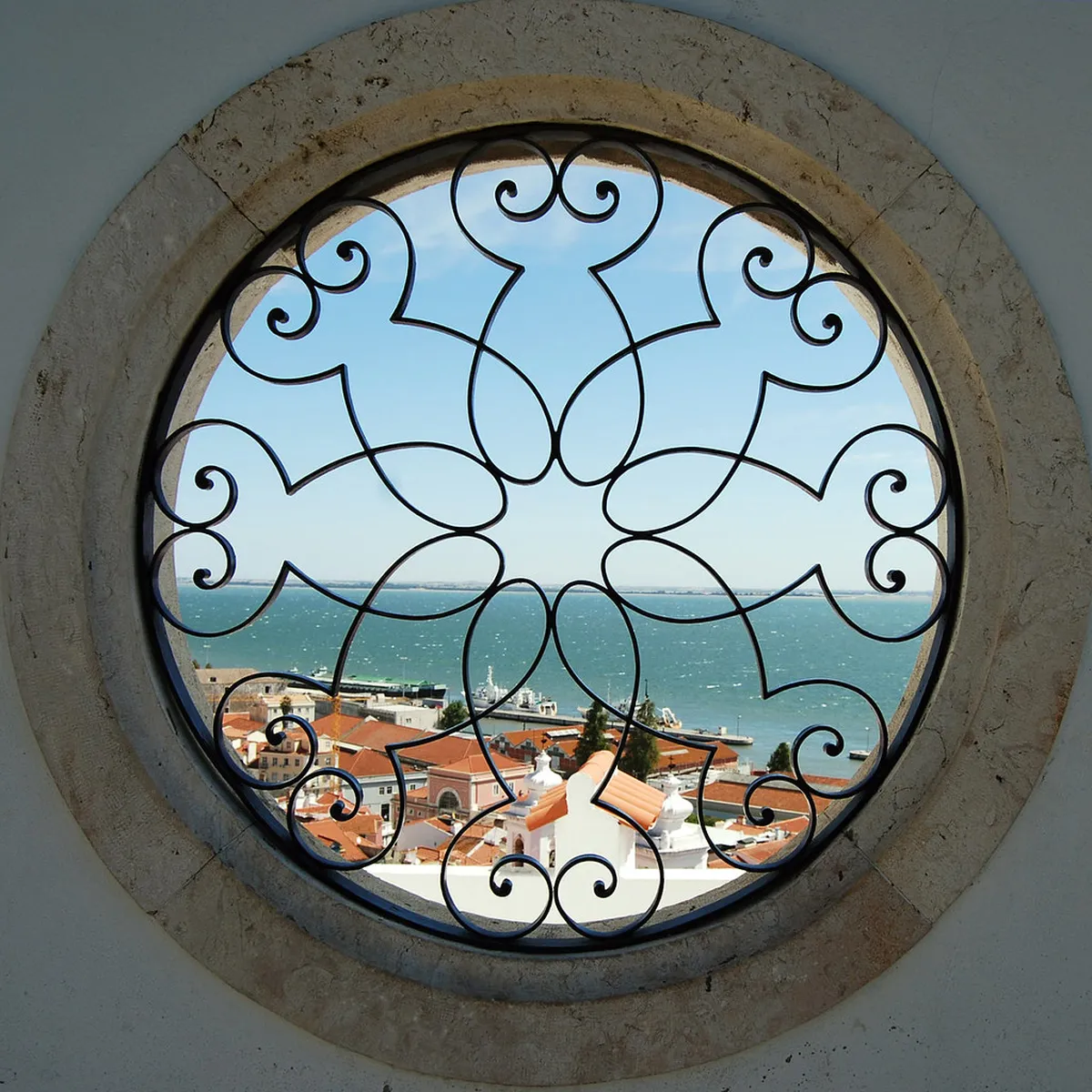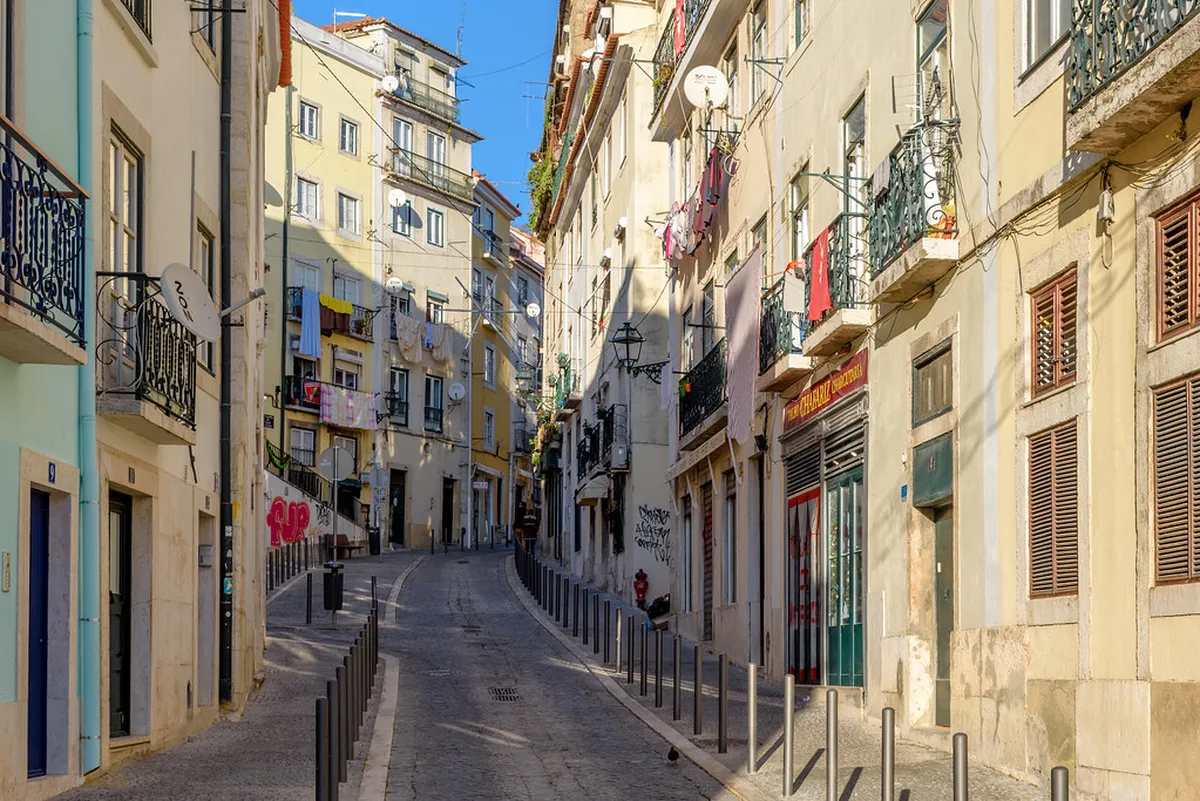
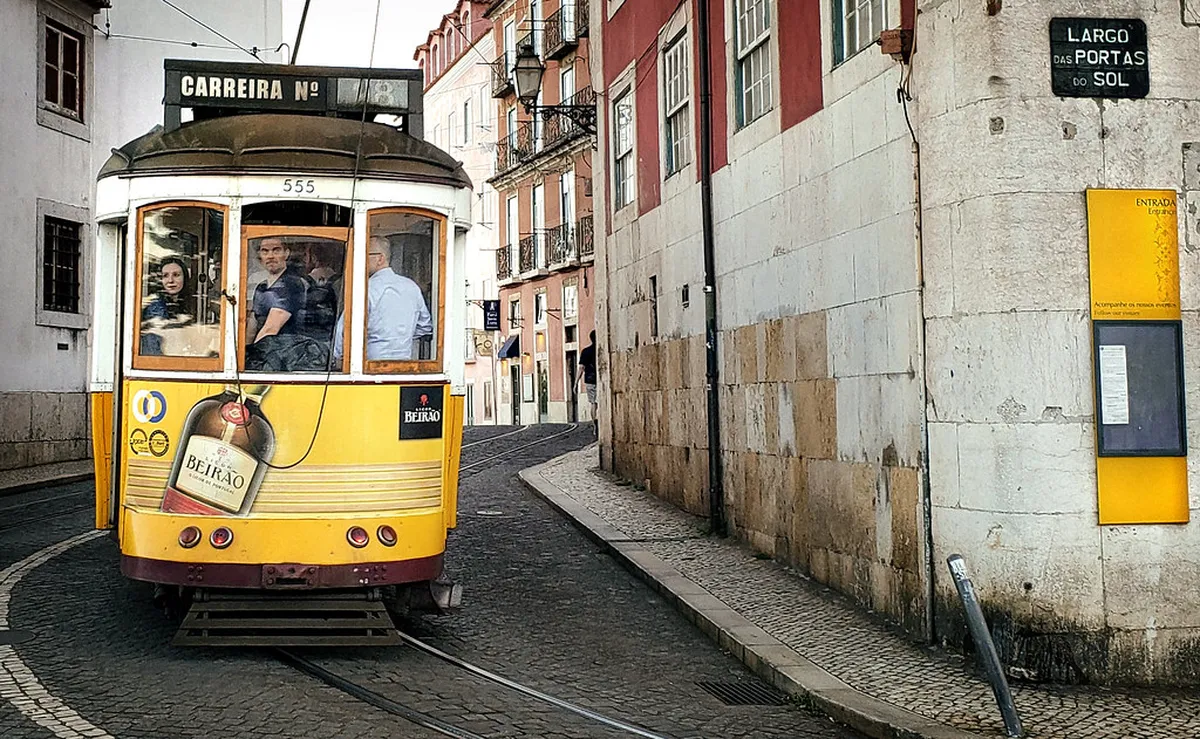
Alfama stands as the oldest and most atmospheric neighborhood in Lisbon, draped across a steep hill between the castle and the waterfront. Getting there from the Baixa or Rossio area takes under fifteen minutes by tram, bus, or foot — but each option involves a trade-off between convenience, cost, and the crowds you are willing to tolerate.
This guide covers every practical route: Tram 28 and the less-crowded Tram 12, Bus 737 from Praça da Figueira, the walking path past the cathedral, metro access from Santa Apolónia and Terreiro do Paço, tuk-tuks, and what to know about Lisbon's ticket system before you go. We also cover what to see, where to eat, and whether the neighborhood is worth the hike.
How to Get to Alfama
The quickest options from Baixa-Chiado all cluster around Praça da Figueira and Rossio, roughly 800 metres from the lower entrance to Alfama. The route up to the viewpoints and the castle adds another 15 to 20 minutes on foot from the waterfront. Plan your route based on how much hill-climbing you want to do and how much you care about getting a window seat.
Tram 28E is the most famous route and runs directly through the heart of Alfama, stopping near the Sé Cathedral, Portas do Sol, and Graça. Departures begin at 05:40 and the last tram runs at 23:30. Between 09:00 and 18:00, trams depart at 06, 14, 22, 30, 39, 48, and 57 minutes past the hour — see the official Carris operator schedule for real-time updates. The first boarding stop is Martim Moniz — queues there regularly exceed 45 minutes in summer. Board at Praça da Figueira instead, one stop earlier, to reduce your wait considerably.
Board Tram 28 at Praça da Figueira instead of Martim Moniz to avoid queues that regularly exceed 45 minutes in summer.
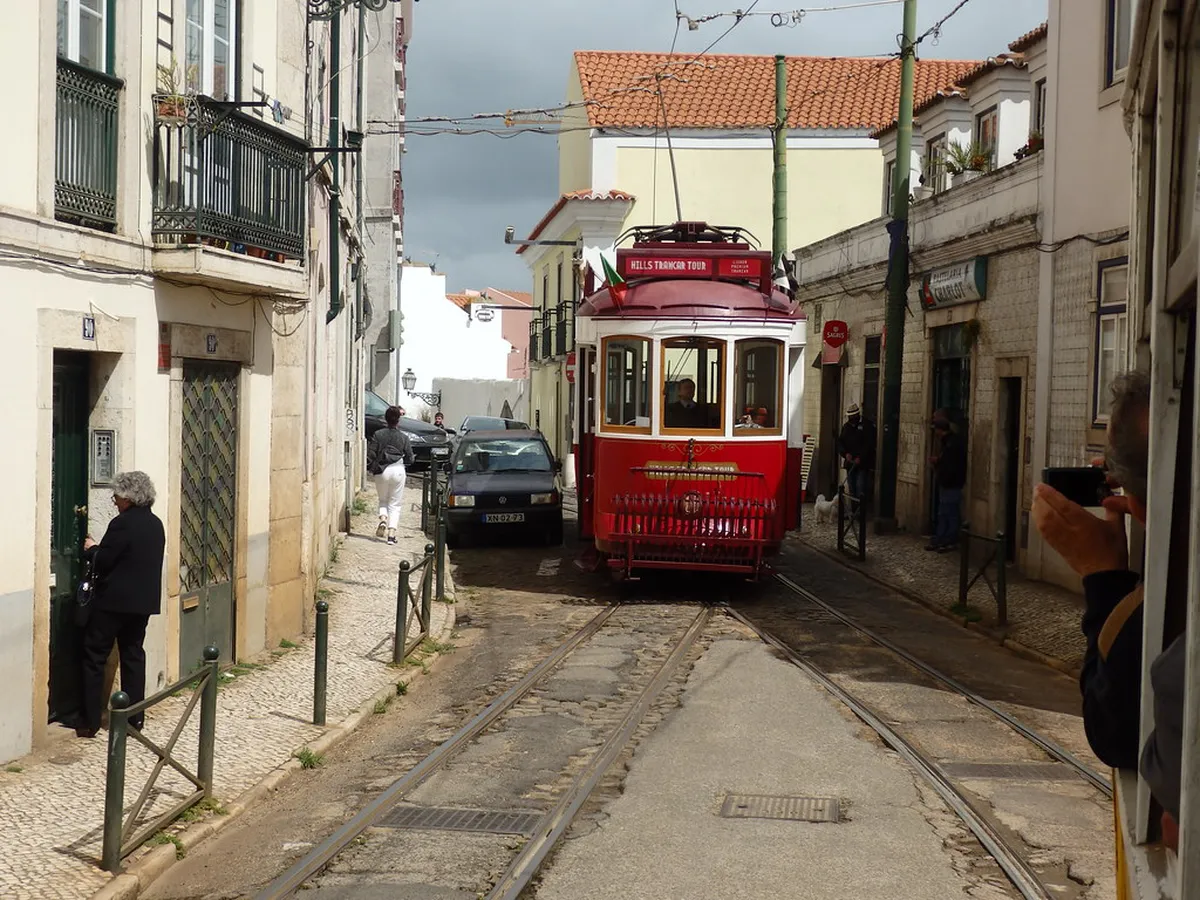
Tram 12E is the route most visitors overlook. It runs from Praça da Figueira up to Largo das Portas do Sol, covering the same hill as Tram 28 with far shorter queues. If your destination is the viewpoints or the castle, Tram 12 is the practical choice in 2026.
Bus 737 departs from Praça da Figueira every 10 minutes on weekdays and every 15 to 30 minutes on weekends. It climbs past the cathedral and terminates near the gates of São Jorge Castle. The bus is faster than the trams on this corridor and is far less crowded with tourists. It is the most reliable option when the tram queues look long.
Walking from Baixa takes about 12 minutes to the Sé Cathedral and another 10 to 15 minutes uphill to Portas do Sol. The path follows Rua da Conceição east to the cathedral, then climbs Rua Augusto Rosa toward the viewpoints. It is steep, on uneven limestone, but the most direct route to the landmarks. Wear shoes with grip.
Metro and train do not drop you inside Alfama, but they get you close. Santa Apolónia station (the Blue Line terminus and also a national rail hub) sits at the northeastern base of the hill. From the platform, it is a 10-minute uphill walk to Largo do Chafariz de Dentro. Terreiro do Paço station (Blue and Green Lines) puts you at the flat waterfront below Alfama — better for access to the Fado Museum and the lower streets than for the castle or viewpoints.
| Option | From | Time | Fare (2026) |
|---|---|---|---|
| Tram 28E | Praça da Figueira | 15–20 min (uphill) | €1.61 (zapping) / €2.00 (paper) |
| Tram 12E | Praça da Figueira | 15–20 min (uphill) | €1.61 (zapping) / €2.00 (paper) |
| Bus 737 | Praça da Figueira | Faster than trams | €1.61 (zapping) / €2.00 (paper) |
| Walking | Baixa | 12 min to cathedral / 10–15 min to viewpoints | Free |
| Metro | Santa Apolónia station | 10 min (from platform) | €1.61 (zapping) |

Tickets and Fares in 2026
Lisbon runs on a rechargeable card system that almost every visitor should use. The Viva Viagem card costs €0.50 to purchase and can be loaded with either individual trips or credit (the "zapping" option). A single tram or bus trip costs €2.00 if you buy a paper ticket at the stop, but drops to €1.61 per trip if you load zapping credit onto a Viva Viagem card. Learn more about Navegante card options and pricing to compare with Viva Viagem. For a two- or three-day stay, zapping credit is the most flexible and affordable route.
The Navegante monthly pass (€40 per calendar month) covers all buses, trams, and the metro within Lisbon and is worth considering if you are staying a week or longer. Day passes (24-hour at €6.80 and 48-hour at €12.00) cover unlimited Carris trams and buses but not the metro. The Lisboa Card (€22 for 24 hours, €37 for 48 hours, €46 for 72 hours) includes unlimited transport on Carris and the metro plus free or discounted entry to the major attractions — check the official Visit Lisboa site for current discounts and partner venues. It pays for itself quickly if you plan to visit São Jorge Castle (€15 adult entry) and the National Pantheon (€10 adult entry) on the same day.
All cards are sold at metro stations, airport arrivals, and the Carris kiosks near Praça do Comércio. You can also buy them at Santa Apolónia train station if you are arriving from Porto or the Alentejo.
Viva Viagem vs. Navegante: Which Card to Load
Most travel guides tell you to get a Viva Viagem card and stop there. The practical distinction matters more than they admit. The Viva Viagem card is personal — in theory you should not share it, though enforcement on trams is minimal. The Navegante card, issued in a named version, is strictly non-transferable and tied to a Portuguese NIF number, which tourists generally do not have. For most visitors, the unnamed Viva Viagem with zapping credit is the right choice.
One thing no competitor mentions: if you buy a Viva Viagem card at Lisbon Airport and load zapping credit there, that same card works on the metro from the airport, on Carris trams including the 28 and 12, and on the buses including the 737 — no separate ticket purchase at each stop. The card beeps on every vehicle's reader and deducts the correct fare automatically. Keep it away from bank cards or other NFC-enabled items or you may get a read error at the validator.
Tram 28 and Tram 12 do not accept cash on board since 2019. You must have a card or a pre-purchased paper ticket. If you show up at Martim Moniz with only cash, the driver will turn you away. Bus 737 drivers sometimes sell single tickets for cash, but this varies by driver and it costs €2.00 against €1.61 by card.
Tram 28 and Tram 12 do not accept cash on board — you must have a Viva Viagem card or pre-purchased paper ticket, or the driver will turn you away.
What to See and Do in Alfama
The district is dense with landmarks within a short walking radius. Most visitors spend three to four hours covering the main sites; a full day is reasonable if you want to go inside the castle, the cathedral, and the National Pantheon. The Alfama district guide covers each attraction in detail — this section gives you the practical overview for planning your transport stop sequence.
São Jorge Castle sits at the very top of the hill and is the natural terminus of Tram 12, Bus 737, and the walking route. Adult entry is €15 in 2026. The grounds include a small archaeological museum, a peacock garden, and 360-degree views of the city. Plan at least 90 minutes inside. The Lisboa Card covers entry.
Miradouro das Portas do Sol is the most photographed viewpoint and a primary stop on Tram 12 and 28. It is free and open all day. The adjacent Miradouro de Santa Luzia, just steps away, has a quieter garden terrace with a vine-covered pergola and two historic azulejo panels on the church wall — fewer visitors stop here despite the equally impressive river view.
Sé Cathedral is the oldest building in Lisbon, dating from 1147, and the first major landmark you pass on the walking route or Bus 737 from Baixa. Entry to the nave is free; the gothic cloister and treasury charge €7. The cathedral is open Monday to Saturday 10:00 to 18:00.
The National Pantheon (Igreja de Santa Engrácia) houses the tombs of Amália Rodrigues, Eusébio, and Vasco da Gama. Entry is €10 in 2026 and includes access to the rooftop terrace with a sweeping view over Alfama. It is closed on Mondays. The Feira da Ladra flea market sets up directly behind the building every Tuesday and Saturday from 09:00 until around 17:00 — arrive before 11:00 for the best selection.
The Fado Museum on Largo do Chafariz de Dentro tells the story of Portugal's national music through recorded archives and historical instruments. Entry is €5. It is the quietest major museum in the area and rarely crowded even in peak season.
- São Jorge Castle: €15 adult, free with Lisboa Card, open daily, last entry 1 hour before closing
- Sé Cathedral: nave free, cloister + treasury €7, open Mon–Sat 10:00–18:00
- National Pantheon: €10 adult, free with Lisboa Card, closed Monday
- Fado Museum: €5 adult, open Tue–Sun 10:00–18:00
- São Vicente de Fora Monastery: €5 adult, Tue–Sun 10:00–18:00, rooftop view included
- Feira da Ladra flea market: free entry, Tue and Sat 09:00–17:00, Campo de Santa Clara
Lisbon Sightseeing Day One: the Alfama Sequence
Start your first Lisbon morning in Baixa with coffee before 09:00 — the tram queues at Praça da Figueira build fast after that. Take Tram 12 or Bus 737 up to the castle gates. Visit São Jorge Castle first while your energy is high and the light is good for photos. Work your way downhill through the morning: the Portas do Sol viewpoint, Santa Luzia garden, the cathedral, and Largo do Chafariz de Dentro by midday.
Lunch near the waterfront on Rua dos Remédios or at one of the converted warehouse restaurants near Santa Apolónia station — Taberna Sal Grosso and Taberna Albricoque both serve traditional daily specials at reasonable prices. If it is a Tuesday or Saturday, add 30 minutes for a walk through Feira da Ladra behind the Pantheon before heading down.
The main tour of Alfama covers roughly three to four hours at a relaxed pace. The optional extension to the Graça district and its viewpoint adds another hour. If you are timing your visit around the Festas de Lisboa street festival in June, the neighborhood is at its most festive on the night of June 12 — sardines grilled in every alley, music in every square.
Fado Concerts in Alfama
Fado originated in Mouraria, the district just west of Alfama, but Alfama has become the neighbourhood most associated with live performances. Concerts take place in small intimate restaurants, often with dinner and wine included in the cover charge. Do not talk during the music — fado is treated as a serious artistic performance, not background noise, and audiences observe near-complete silence between songs.
Well-regarded venues in 2026 include Clube do Fado on Rua São João da Praça, Pastel do Fado on Rua do Salvador, and Sr. Fado de Alfama on Rua dos Remedios. Booking ahead by at least a day is advisable in summer. The cover typically runs €25 to €45 per person including a glass of wine; dinner adds more. Cheaper tascas without a cover charge exist in the lower streets — the music quality varies but the atmosphere is genuine.
Where to Eat in Alfama
The best lunch option for most visitors is the waterfront strip near Santa Apolónia station, a five-minute walk from the base of the hill. Taberna Sal Grosso and Taberna Albricoque both serve traditional Portuguese food — grilled fish, bacalhau preparations, and good daily specials — in a classic Lisbon tavern atmosphere. For a meal with a view, Chapitô à Mesa on the castle hill serves creative Portuguese cuisine with Lisbon at your feet; book ahead.
Uphill inside the district itself, the restaurants are smaller and cater increasingly to tourists. Prices for a main course run €12 to €22 in the mid-range spots. The side streets off Rua de São Pedro have a few bakeries and tascas where locals still eat — these tend to be cheaper and less crowded than anything on the main tram route. A quick coffee at A Bica dos Bicos near the lower waterfront or at O Cofre in the upper streets is a good way to start a morning walk.
Street food during the summer festival months (May through July) means sardines grilled directly on small charcoal braziers set up outside front doors. This is genuinely the cheapest and most atmospheric meal in Alfama — a paper plate of sardines with bread costs around €4 and you eat it standing in the alley while the neighbors cheer a nearby football match.
Alfama – Where to Stay?
Staying inside Alfama puts you within walking distance of every landmark but comes with real trade-offs. The streets are steep and narrow, many guesthouses are only accessible on foot, and luggage delivery involves either a tuk-tuk or a porter on stairs. Confirm with your accommodation whether they have luggage handling before you arrive — a heavy suitcase and 40 steps of cobblestone is not a good combination after a long flight.
The Memmo Alfama is the neighborhood's design standout, with a rooftop pool and arguably the best Tagus River view of any hotel in the area. Solar do Castelo sits inside the castle walls for a genuinely historic atmosphere. Santiago de Alfama is a boutique option near the viewpoints. Tandem Palacio Alfama Suites has an outdoor pool and a direct view of the National Pantheon dome. For apartments, Patio São Vicente in the courtyard next to São Vicente de Fora Monastery is one of the more characterful options.
For visitors with mobility concerns, staying below the hill — in Baixa or near the waterfront — and taking the tram or bus up each day is a more practical arrangement than staying inside Alfama itself. The complete Alfama district guide has detailed accommodation notes for each part of the neighborhood.
Safety and Practical Notes for Alfama
Alfama is safe for tourists by any reasonable standard, but it is worth knowing a few things before you go. The crowded Tram 28 and the narrow streets around the castle are among the busiest pickpocket zones in Lisbon — keep your phone in a front pocket and avoid wearing a bag on your back on the tram. This is not dramatic; it is the same caution you would apply on a crowded metro anywhere in Europe.
The street vendors near the castle gate and along the tram route are persistent. In some stretches, particularly on the approach to the castle, vendors attempting to sell small items (bracelets, carved wood, CDs) may approach you several times in quick succession. A firm "não, obrigado" is enough; you do not need to engage further. This is a normal part of visiting a high-traffic tourist site, not a specific danger.
The cobblestone sidewalks (calçada portuguesa) become very slippery when wet. Smooth-soled shoes or sandals without grip are a genuine hazard on the steep sections, especially after rain. The hills are also not well-suited to pushchairs — parents with young children in strollers should use Bus 737 to the castle and avoid the stepped alleys in the interior of the district.

Summary – Is Alfama Worth Visiting?
Alfama is worth visiting. No other part of Lisbon has the same density of atmosphere, history, and river views within walking distance of a central transport hub. The question for most travelers is not whether to go but how long to spend there — three to four hours covers the highlights comfortably; a full day gives you time to go inside the castle, catch a fado concert, and eat a proper lunch.
The main drawback is the physical effort. Those with knee problems or limited mobility will find the steep cobblestone streets genuinely challenging. The practical answer is Bus 737 to the castle, time the main viewpoints, and take the tram back downhill — this gives you the best of the area without the full uphill climb. The Lisboa Card pays for itself if you visit two or more paid attractions and saves the queue for a single ticket at each door.
The crowds are real in summer, particularly on Tram 28 and at Portas do Sol by midday. Arriving before 09:30 or after 16:00 makes a noticeable difference. The streets in the lower half of Alfama, away from the tram route, remain relatively quiet even in peak season and are where the most photogenic corners of the neighborhood actually are.
Frequently Asked Questions
Does Tram 28 take you to Alfama?
Yes, the famous Tram 28 passes directly through the heart of the district. It stops at several key locations including the Cathedral and the Portas do Sol viewpoint. Be aware that this line is often very crowded with tourists during peak daytime hours.
How far is Alfama from Lisbon city Centre train?
The neighborhood is quite close to the city center and the Santa Apolónia train station. It is roughly a fifteen-minute walk or a short five-minute taxi ride away. Most travelers find it very convenient to access from the main transit hubs in Lisbon.
Is Alfama a walkable neighborhood?
Alfama is best explored on foot to see its hidden alleys and small squares. However, the terrain is very steep and consists mostly of uneven cobblestone paths. You should wear sturdy walking shoes and be prepared for a significant physical workout while exploring.
Is Alfama Lisbon worth visiting?
Alfama is widely considered the most beautiful and authentic part of the city. It offers a unique cultural experience with its Fado music and historic architecture. Most visitors agree that it is an essential stop for any Lisbon itinerary. Learn more here.
Getting to alfama from lisbon center is a highlight of any trip to Portugal.
Whether you choose the historic tram or a scenic walk, the journey is rewarding.
Take your time to enjoy the views and the local flavors along the way.
This ancient district will surely leave you with lasting memories of your visit.