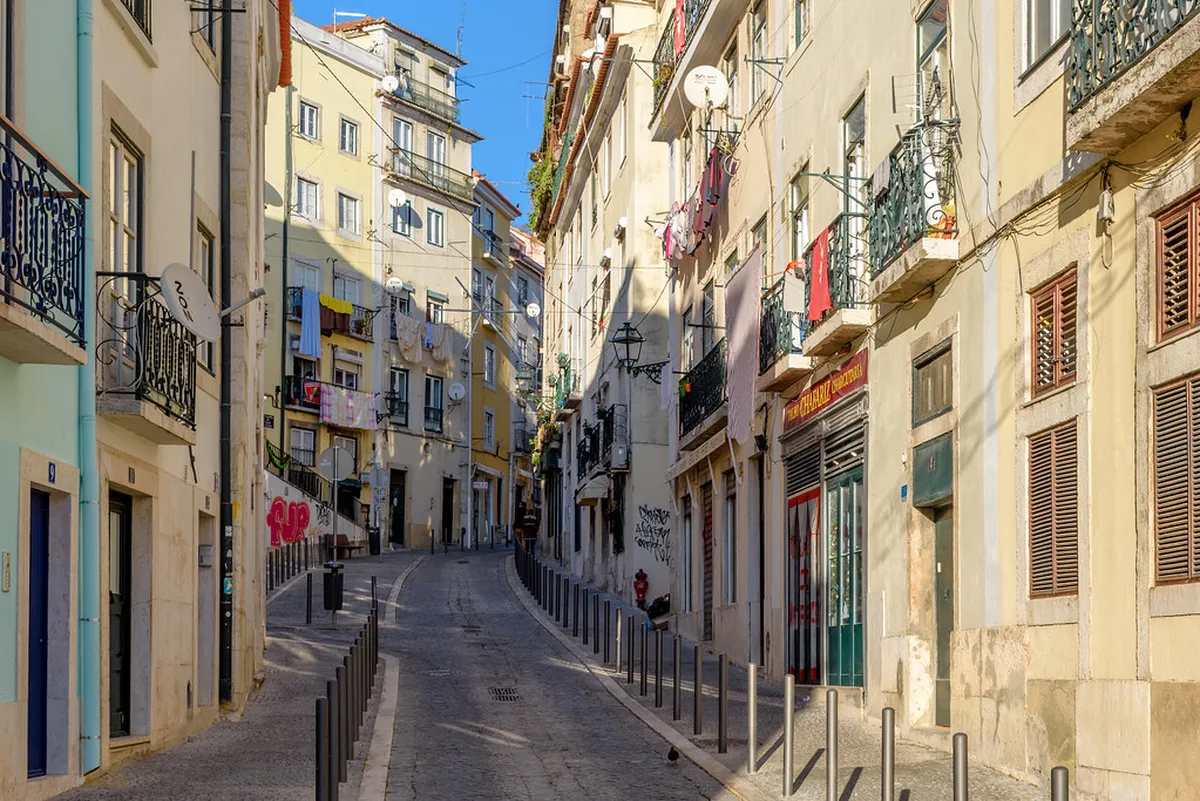
Last updated June 2026. Alfama is the only Lisbon neighborhood that survived the 1755 earthquake intact, which means its medieval layout — narrow alleys, tiled facades, and steep stairways — is genuine rather than reconstructed. This itinerary is built for visitors who have one day and want to see the district properly, not just the castle and a viewpoint selfie.
The route runs top-down, starting at the highest point and descending through the district toward the waterfront. That means most of the climbing happens in the first 30 minutes, aided by a free public elevator system almost nobody outside Lisbon knows exists. Budget 10 to 12 hours for the full nine stops. Comfortable shoes with grip are non-negotiable on the cobblestones.
How to Get to Alfama: The Elevator Secret
Walking straight up to Castelo de São Jorge from the Baixa district is a 20-minute climb on steep cobblestones. There is a free alternative that most visitors discover only after the fact. Lisbon has a chain of public elevators built into the hillside specifically to help residents reach the upper neighborhoods without the climb.
Start at Rua dos Fanqueiros 170/178. The entrance is a blue-and-white tiled building called Elevador Castelo. Take the lift to the top and exit onto Rua da Madalena. Cross the street to Largo Chão do Loureiro, walk toward the Pingo Doce supermarket entrance, and take the second set of elevators seven floors up. You exit next to Restaurant Zambeze, very close to the castle entrance. Both elevators are free and run daily from 08:00 to 21:00.
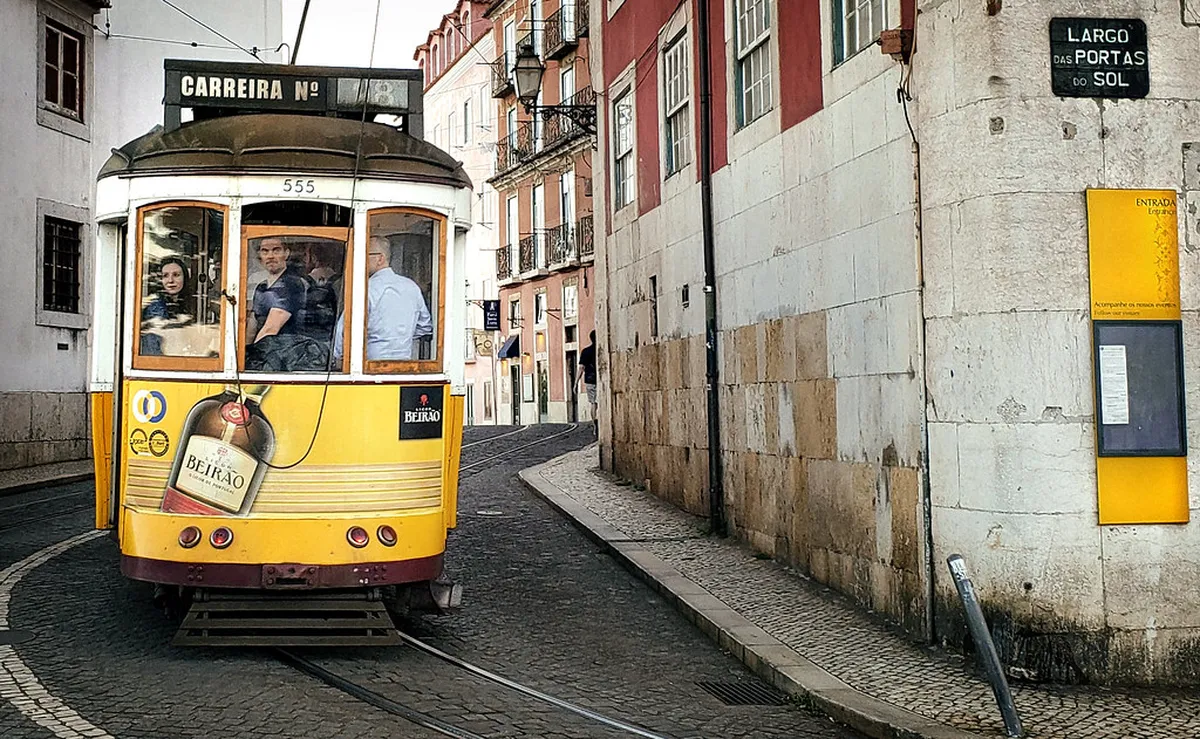
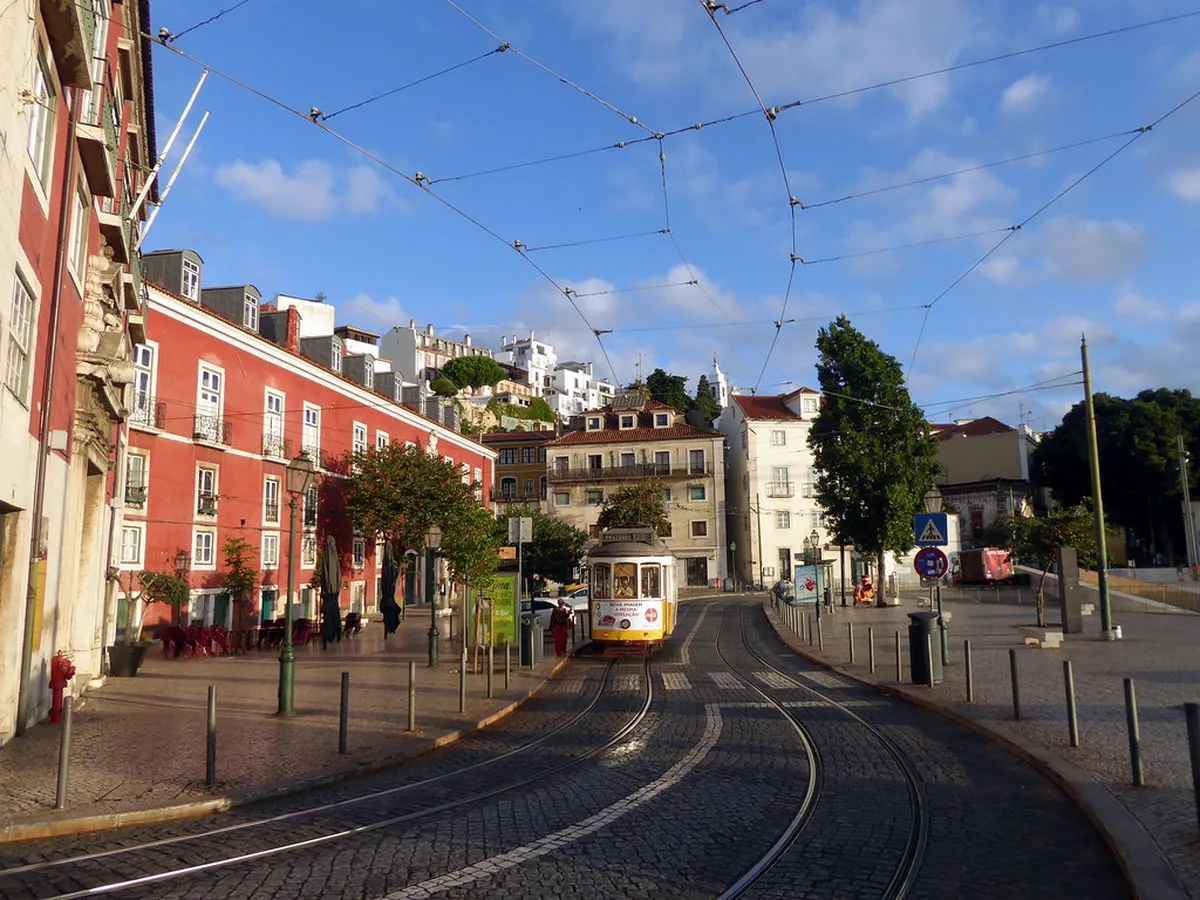
If you prefer Tram 28, it stops near the castle but fills quickly by 09:30. Bus 737 drops passengers directly at the castle gate and is less crowded. Visitors with limited mobility will find Bus 737 or a taxi the most practical option, as neither elevator system is fully step-free between stages.
Morning: Castelo de São Jorge (09:00–11:00)
Arrive at the gate by 08:50 and queue before the 09:00 opening. By 10:30 the inner courtyards are significantly more crowded. Tickets in 2026 cost €15 for adults, €7.50 for students and seniors, and are free for children under 12. Buying online in advance through the official castle website skips the ticket queue entirely — worth the two minutes it takes.
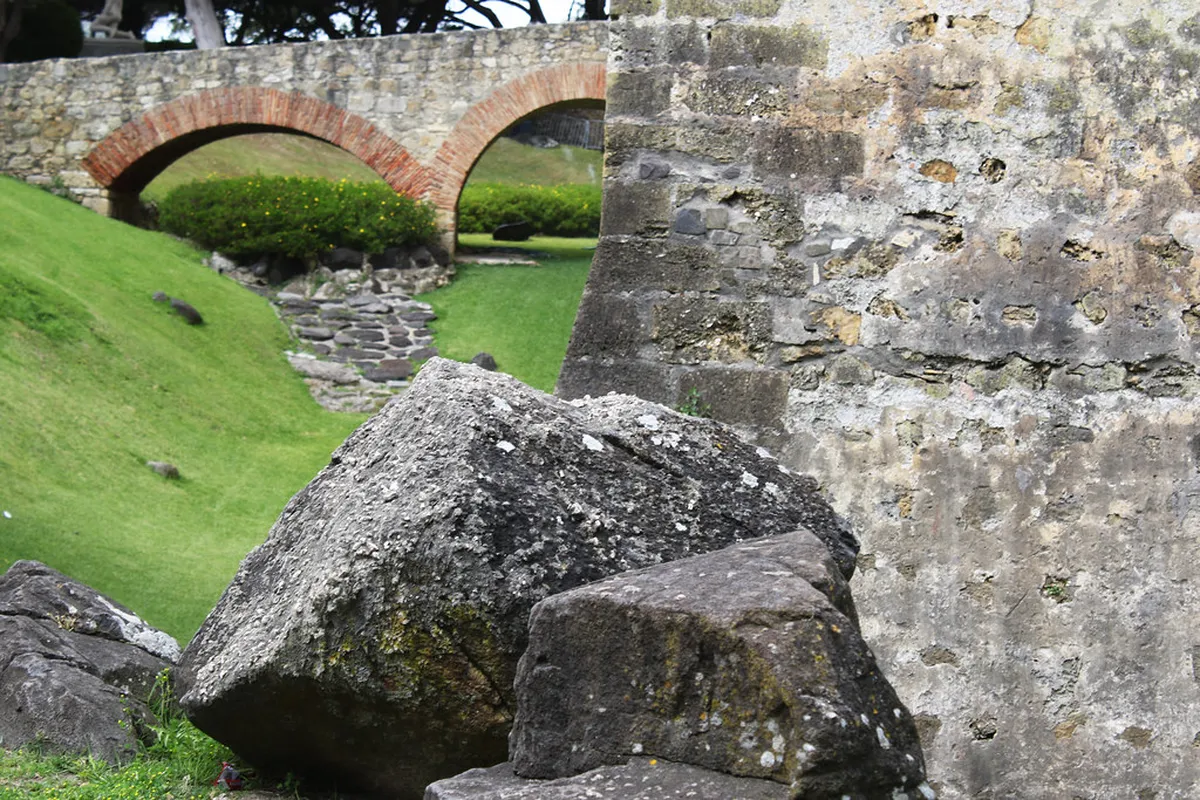
The castle was built by the Moors in the 11th century and became the seat of Portuguese royal power after Afonso Henriques took Lisbon in 1147. It remained a royal residence until the 16th century. What visitors explore today is a restored medieval complex rather than a single building: outer walls with walkable ramparts, an inner courtyard, a small archaeology museum, and the Torre de Ulisses, which houses a camera obscura offering real-time panoramic views of the city via periscope. Check the camera obscura tour schedule when you arrive — English-language sessions fill quickly.
The resident peacocks in the courtyard are not a gimmick. They arrived during the Age of Discoveries in the 16th century when exotic birds were brought back from overseas territories. Outside the paid area, Rua de Santa Cruz do Castelo runs through the small castle village where medieval-era buildings still house cafes and cork shops. Spend at least 90 minutes inside, then walk directly downhill toward the miradouros.
Arrive at the gate by 08:50 before opening and buy tickets online in advance to skip the queue entirely. The castle's worst crowds form between 10:30 and 13:00, but the ramparts stay quiet for the first hour after you enter.
Mid-Morning: Miradouro de Santa Luzia vs. Portas do Sol (11:00–12:00)
These two viewpoints sit about 90 metres apart and most guides tell you simply to visit both. They are worth distinguishing because they offer genuinely different things and the choice matters depending on your priorities. Both are free and open all day.
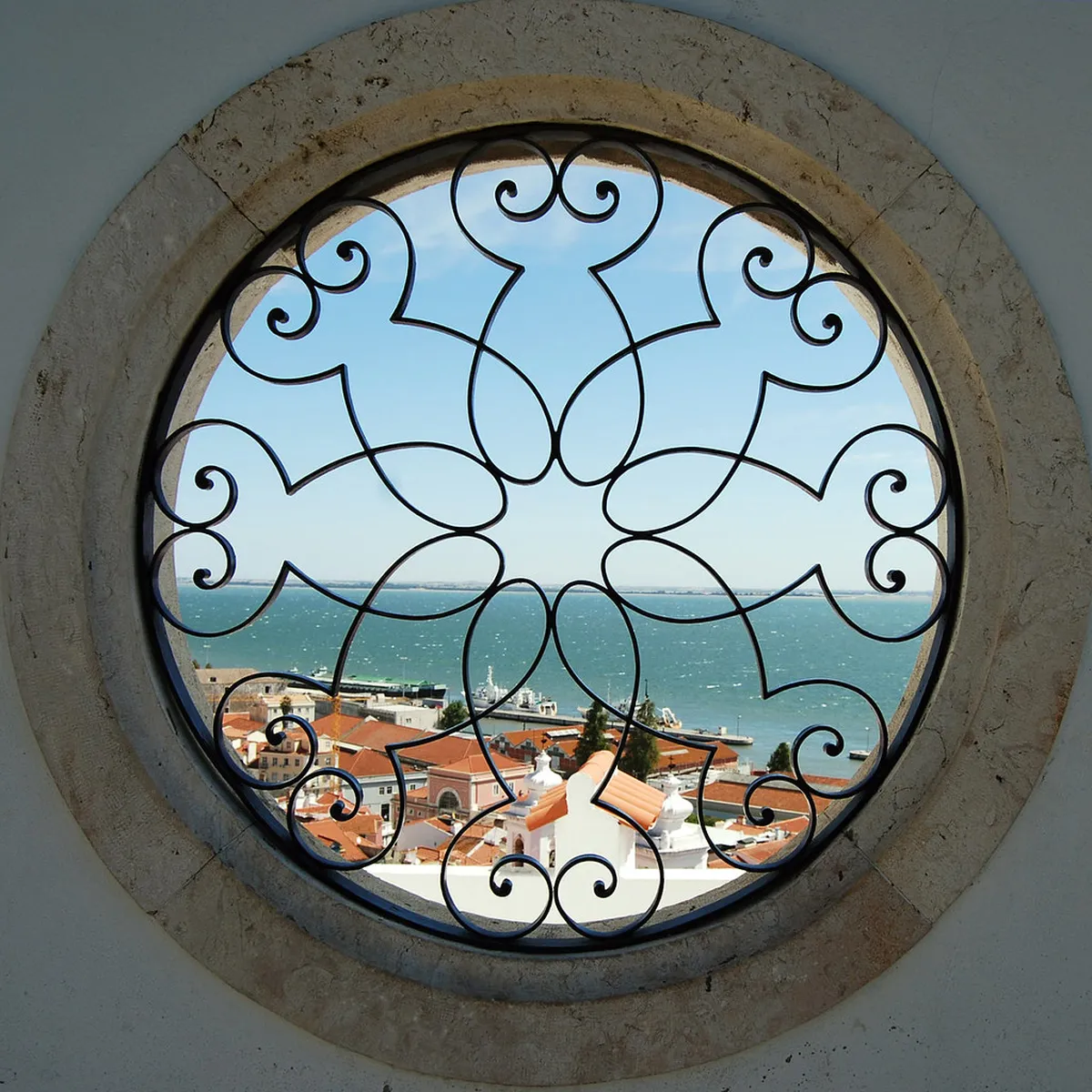
Miradouro de Santa Luzia is the larger terrace, shaded by bougainvillea and pergolas. The main draw beyond the river view is a pair of large azulejo tile panels on the wall of the adjacent church. One shows the Praça do Comércio as it looked before the 1755 earthquake destroyed it. The other depicts the 1147 Christian reconquest of Lisbon. This is the better viewpoint for photography of the Alfama rooftops cascading down to the Tagus. Musicians often play here in the mornings, and the atmosphere is calmer than the castle terrace.
Miradouro das Portas do Sol sits slightly higher and to the east. It is smaller, more exposed, and has a cafe kiosk. The view here is dominated by the white dome of the National Pantheon rising above the red-tiled roofline — the composition that appears in most Alfama postcards. If you photograph one thing in Alfama, this is the angle. Cruise ship passengers tend to reach Santa Luzia first, so Portas do Sol often stays quieter longer into the morning.
Visit Santa Luzia first for the tile panels, then walk the 90 metres to Portas do Sol for the dome view. Both visits together take under 30 minutes.
Cruise ship passengers typically reach Santa Luzia first in the mornings, so Portas do Sol often stays quieter longer. Check the Port of Lisbon arrivals calendar before your visit to time your viewpoint visits around peak ship disembarkation.
Lunch: Authentic Alfama Restaurant Recommendations (12:30–14:00)
The restaurants immediately around the miradouros cater almost entirely to tourists and charge accordingly. Walking one block east or downhill into the residential streets changes the dynamic significantly. Most local spots open for lunch from 12:30 to 15:00 and close on Sundays or Mondays — worth checking before you walk there.
Beco a Sério on Calçada de São Vicente 42 is the clearest local recommendation in this part of Alfama. It is a small, family-run spot with a short menu of traditional dishes — bacalhau à brás, grilled sardines, octopus rice. The staff speak some English and the prices reflect the neighborhood rather than the tourist trail: lunch for two typically runs €25 to €35 including wine. No bookings taken, so arrive at 12:30 when it opens.
If you want a river view with your meal, Farol de Santa Luzia near the miradouro of the same name is the most practical option. The terrace overlooks the tram line and the rooftops. It is busier and slightly more expensive than Beco a Sério, but the view compensates. Pre-booking for dinner is essential; for lunch, arriving before 13:00 usually secures a table. For the full neighborhood eating guide, the Alfama district page covers more options including a few spots that have opened in 2025 and 2026.
Afternoon: São Vicente de Fora and the Flea Market (14:00–17:00)
The Church and Monastery of São Vicente de Fora is a five-minute walk from Beco a Sério along Calçada de São Vicente. The church itself is free and worth a brief stop for its 17th-century baroque interior. The monastery behind it costs €8 for adults and contains two very different things worth your time: an entire floor of azulejo tile panels depicting the Fables of La Fontaine (with the stories written in English alongside), and a rooftop terrace with some of the best 360-degree views of Lisbon. The monastery also holds the tombs of the House of Bragança, the last Portuguese royal dynasty. Allow 45 to 60 minutes.
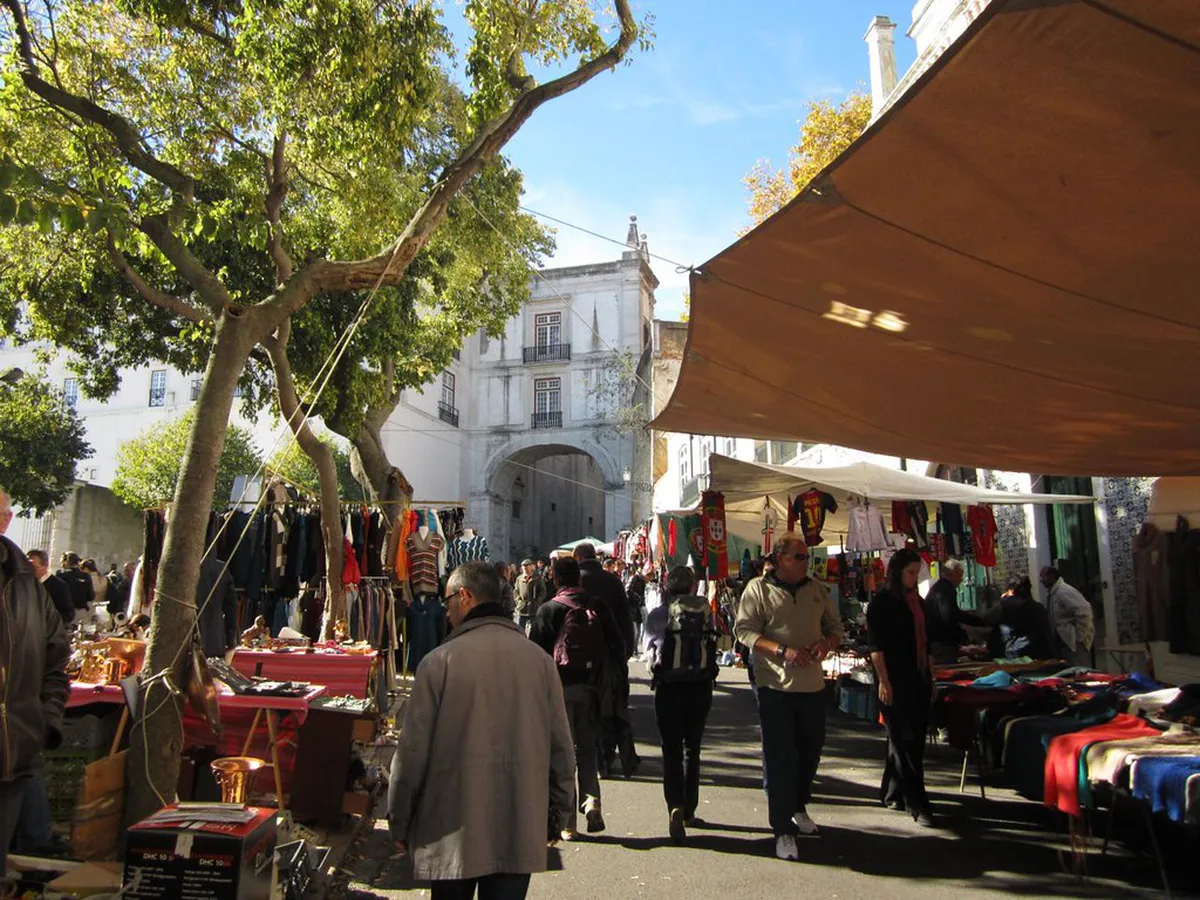
Feira da Ladra, the city's famous flea market, operates on Tuesdays and Saturdays only. It runs from approximately 07:00 to 17:00, filling the Campo de Santa Clara square adjacent to the monastery. If your visit falls on either of those days, plan to walk through after the monastery. The market mixes genuine antiques — tiles, azulejo fragments, old books, military insignia — with new goods and tourist trinkets. The antique section concentrates near the top of the campo; prices drop and the goods change as you move downhill. Arriving between 14:00 and 15:00 means the best vendors are still there but the morning crowds have thinned.
If you are visiting on a Wednesday, Thursday, or Friday, the Pantheon Nacional (Igreja de Santa Engrácia) next to the monastery is an excellent alternative stop. The baroque dome seen from Portas do Sol belongs to this building, and climbing to the rooftop terrace costs €5 and offers a river view nearly as good as the castle. Admission is free on Sunday mornings before 14:00.
What First-Timers Get Wrong About Alfama's Crowds and Timing
Most itineraries tell you to arrive early at the castle and leave it at that. The timing logic runs deeper than that. Cruise ships dock at the Alcântara terminal roughly between 09:00 and 14:00 and passengers are bused in groups to Alfama — primarily to Santa Luzia and the castle. Ship days push miradouro crowds by early afternoon. Checking the Port of Lisbon arrivals calendar before your visit takes two minutes and can meaningfully shift when you arrive at each viewpoint.
The castle's worst queues are not at opening — they form between 10:30 and 13:00. If you reach the gate by 09:00 you will have the ramparts largely to yourself for the first hour. The camera obscura in the Torre de Ulisses runs guided sessions and the first English tour usually departs around 10:00. Booking the first session means you see it before the indoor space fills.
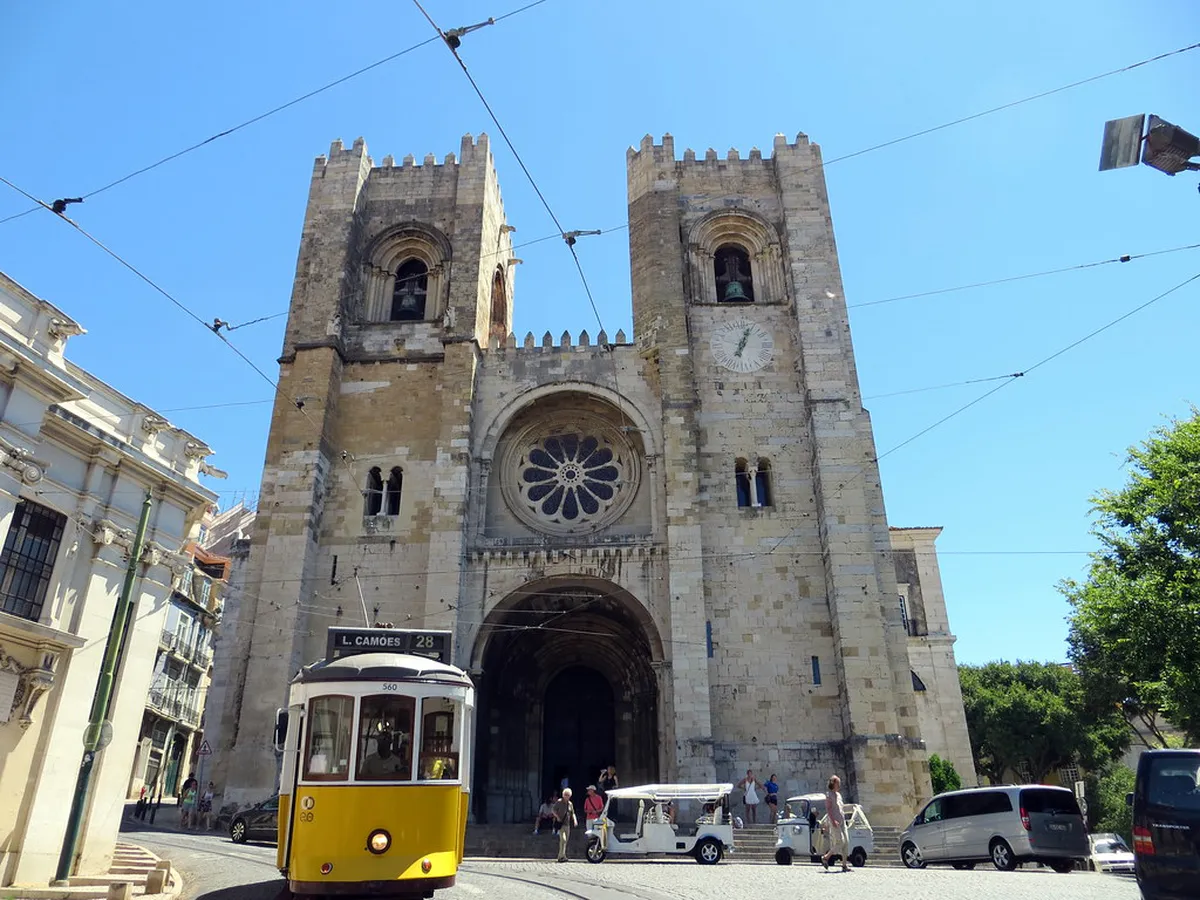
Tram 28 is not a practical transport tool during tourist hours. It runs a scenic route through Alfama and Graça, but the cars fill from the Martim Moniz terminus and visitors boarding mid-route often wait for two or three trams to pass before finding space. Bus 737 is consistently faster and almost never full. The Bolt and Uber apps work well throughout Lisbon and an airport-to-Alfama ride costs approximately €15 to €20 in 2026.
Evening: Fado Dinner and Authentic Houses (19:30–22:30)
Fado in Alfama and Fado in Bairro Alto are not the same experience. The Bairro Alto venues near Rua do Norte are larger, more polished, and oriented toward tour groups arriving in blocks. The Alfama houses are smaller — typically 20 to 40 seats — and the performers are often local artists rather than headline names. The difference in atmosphere is significant if you want the music rather than the show.
The most consistently recommended small Alfama houses are concentrated along the lower streets between the Sé Cathedral and Largo do Chafariz de Dentro, including Tasca do Chico (Rua do Diário de Notícias 39, minimum consumption per person) and Mesa de Frades (Rua dos Remédios 139A, former chapel, reservations essential). Both require advance booking — two weeks is not excessive in summer. Minimum consumption at most houses ranges from €20 to €30 per person, which typically covers a drink, a plate of petiscos (small dishes), and two to three sets of music.
If you prefer a full dinner rather than a consumption minimum, book Farol de Santa Luzia for 19:30 and time your arrival at one of the smaller houses after 21:00 for the later set, which tends to draw a more local crowd. Do not leave the dinner reservation to the day of travel in June through September — these tables book weeks out.
| Time | Stop | Notes |
|---|---|---|
| 08:50–09:00 | Castelo de São Jorge | Arrive early, buy tickets online in advance, explore ramparts before crowds |
| 11:00–12:00 | Miradouro de Santa Luzia | View tile panels on church wall; 30 minutes to Portas do Sol afterward |
| 11:30–12:00 | Miradouro das Portas do Sol | Photograph National Pantheon dome and rooftops; check port arrivals timing |
| 12:30–14:00 | Lunch — Beco a Sério or Farol de Santa Luzia | Local spot or river view; book Farol in advance |
| 14:00–15:00 | São Vicente de Fora | Church (free) + monastery (€8) with tile panels and rooftop terrace |
| 14:00–17:00 | Feira da Ladra (Tues/Sat only) | Flea market at Campo de Santa Clara; arrive 14:00–15:00 for good vendors |
| 15:00–16:00 | Pantheon Nacional (Wed–Fri or Sun morning free) | €5 for rooftop; excellent river view alternative |
| 19:30–22:30 | Fado dinner | Book 2 weeks in advance; Tasca do Chico or Mesa de Frades (Alfama houses) |
Lisbon Planning Cheatsheet: Hotels and Logistics
The most practical neighborhoods to base yourself for an Alfama day are Baixa and Chiado. Both are flat, easily reached by metro or taxi, and within 15 minutes of the elevator entrance on Rua dos Fanqueiros. The Viva Viagem card costs €0.50 and loads credit for trams and metro. A single tram or bus journey costs €3.00 with a Viva Viagem card, compared to €3.90 paid to the driver in cash.
For accommodation within Alfama itself, Pousada de Alfama is the most central option and sits close to Portas do Sol — expect to pay around €200 per night in high season. The streets immediately around the castle and miradouros are pedestrianized and inaccessible by car; factor that into any hotel with a luggage delivery requirement. Boutique guesthouses on Rua das Escolas Gerais and Rua da Regueira tend to be quieter than the main tourist drag.
The Alfama district guide covers accommodation options at more length, including budget-friendly guesthouses and the neighborhoods that border Alfama for visitors who want the atmosphere with slightly wider streets. For a longer Lisbon stay, most visitors combine Alfama with a half-day in Belém for the Jerónimos Monastery and Pastéis de Belém.
Best Things to Do in Alfama with Kids
The castle is the obvious draw for families. The peacocks in the courtyard reliably capture children's attention, and the cannon emplacements along the ramparts give older kids something tactile to explore. Bring a baby carrier rather than a stroller — the cobblestone stairways inside the castle and throughout Alfama are genuinely difficult to navigate with wheels. The castle's own cafe in the inner courtyard serves decent food and provides a natural rest point mid-visit.
The tile panels at São Vicente de Fora work well for families because the La Fontaine fables are written in English alongside the images, making the narrative legible for children who can read. The Fado Museum near Largo do Chafariz de Dentro has interactive exhibits and costs around €5 for adults, half-price for children — it is not a must-stop but useful if energy allows. Plan the viewpoints during mid-morning before the heat builds, and build in a gelato stop near Portas do Sol for a natural break between the miradouros and the monastery.
Frequently Asked Questions
How long does it take to walk around Alfama?
Walking the main circuit takes about 3 to 4 hours. However, we suggest allowing a full day to explore museums and enjoy a long lunch. The steep hills mean you will move slower than usual.
What not to miss in Alfama Lisbon?
You must see the Castelo de São Jorge and the Santa Luzia viewpoint. The Feira da Ladra flea market is also essential on Tuesdays and Saturdays. Don't miss a live Fado performance in a small tavern.
Is Alfama Lisbon worth visiting?
Yes, it is the most historic and atmospheric neighborhood in the city. It survived the 1755 earthquake, preserving its medieval layout. We believe it is the highlight of any Portuguese trip.
Spending one day in Alfama is a journey through time. The route described here — elevator entrance, castle, miradouros, lunch, monastery, flea market, Fado — covers the district's nine essential stops without backtracking. Start before 09:00, book the castle and your Fado house in advance, and check the port arrivals calendar before you go.
Alfama rewards slow exploration over checklist tourism. Build in time to wander off-route between stops, particularly between the monastery and the lower streets near the Sé Cathedral. The alleys are the experience, not just the path between destinations.