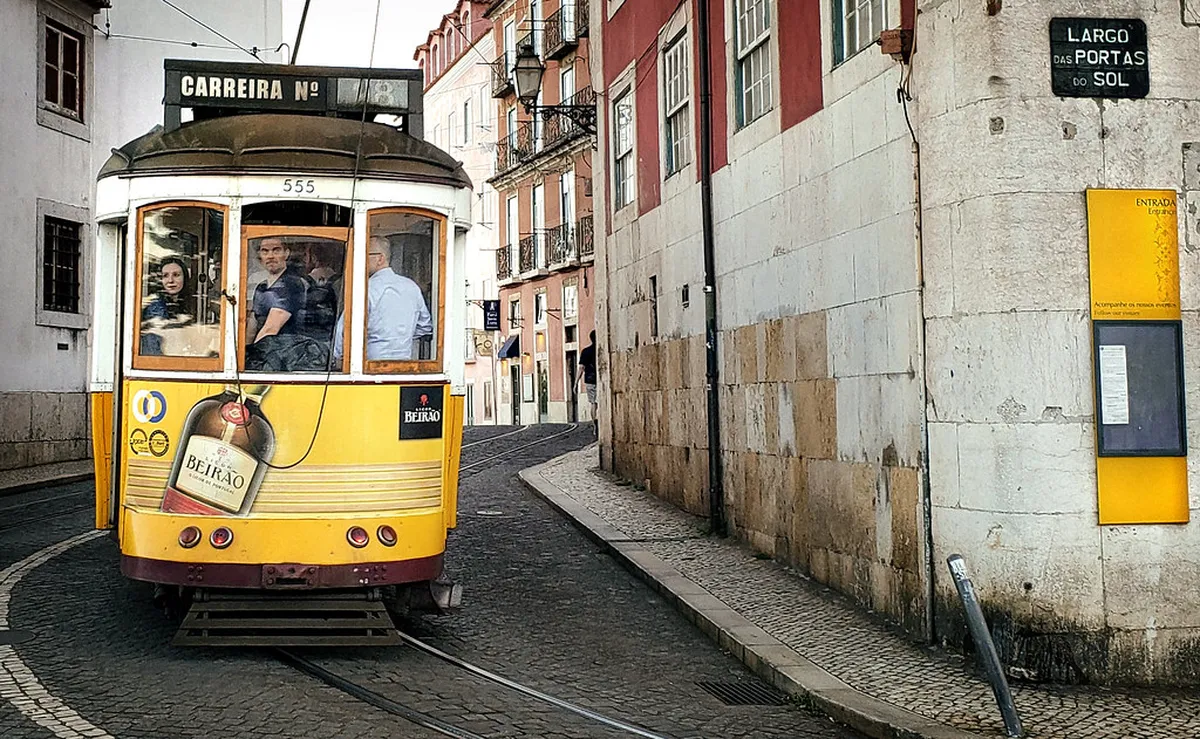
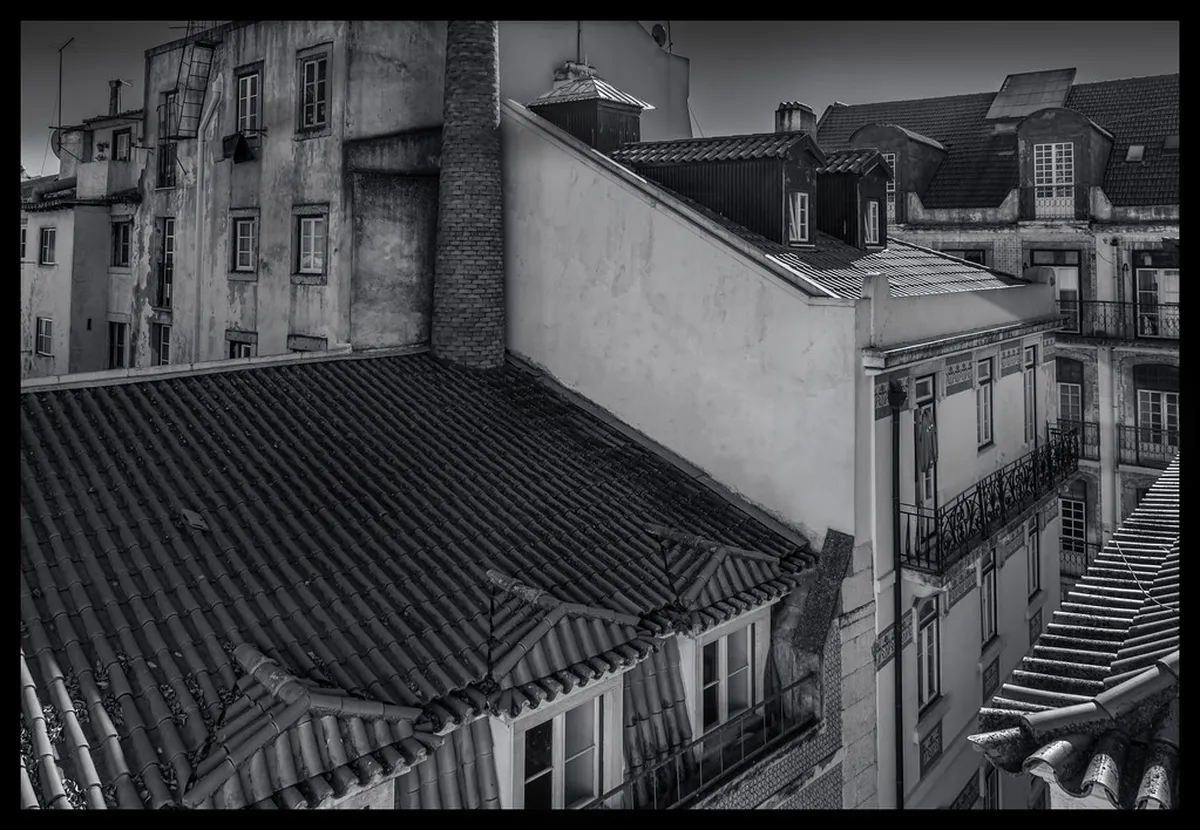
Choosing where to stay in Alfama Lisbon means deciding how much atmosphere you can trade for convenience. The district survived the 1755 earthquake and kept its original Moorish street plan — which is exactly why its views are extraordinary and why its cobblestones defeat wheeled luggage. This guide, updated for 2026, covers every tier from castle-wall palaces to riverside lofts, plus an honest look at when you should skip Alfama entirely and sleep in Baixa or Príncipe Real instead.
We have organised the picks below by tier — luxury, mid-range, and apartments — then added a practical sub-zone guide to help you choose the quietest corner versus the most convenient one. Read the logistics section before booking: getting bags to your front door in Alfama is a genuine planning task, not an afterthought.
If you want a wider view of the city before locking in a neighborhood, our Alfama district guide covers the full quarter in detail, including what to see and the best time of day to visit each viewpoint.
Why Stay in Alfama: Atmosphere, Pros, and Cons
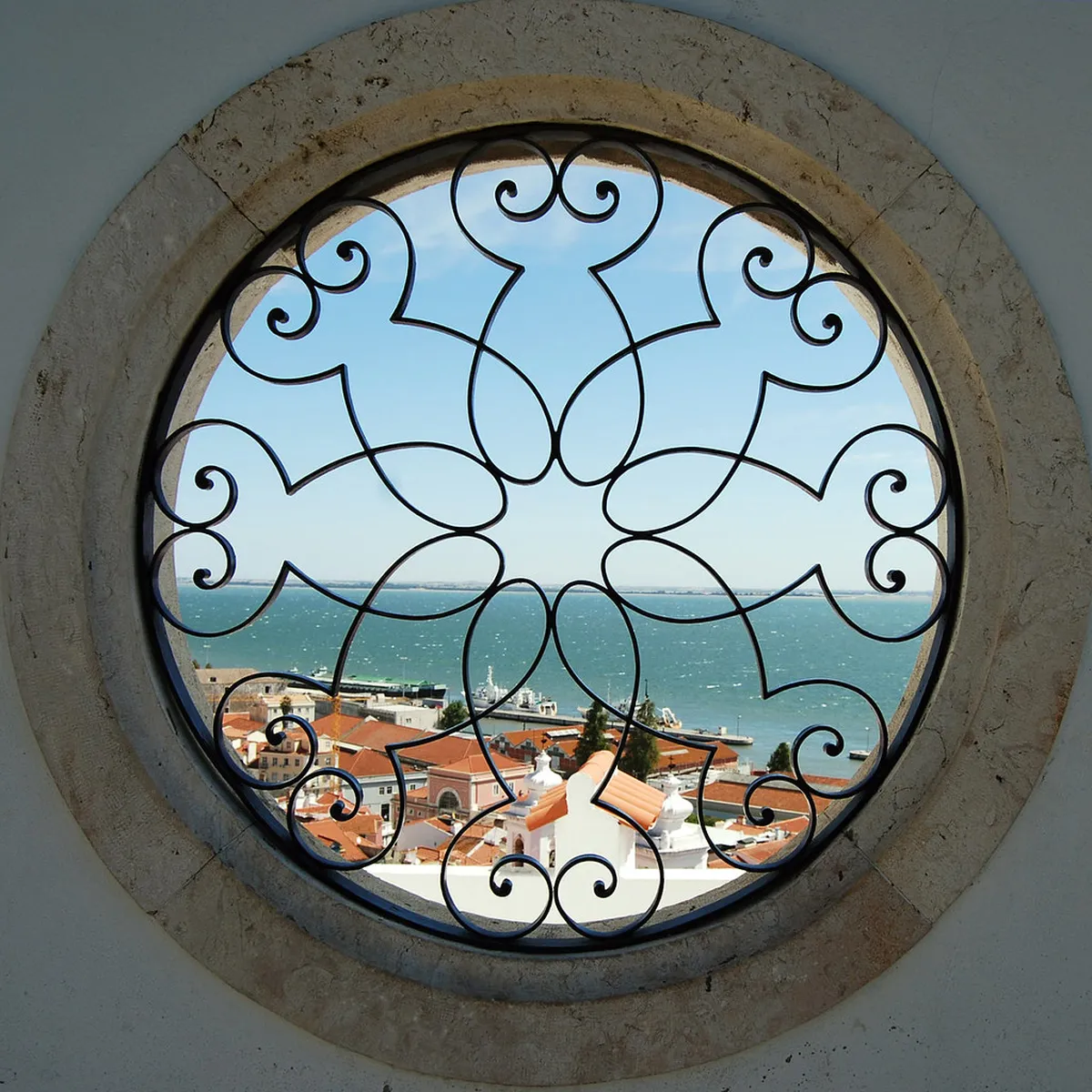
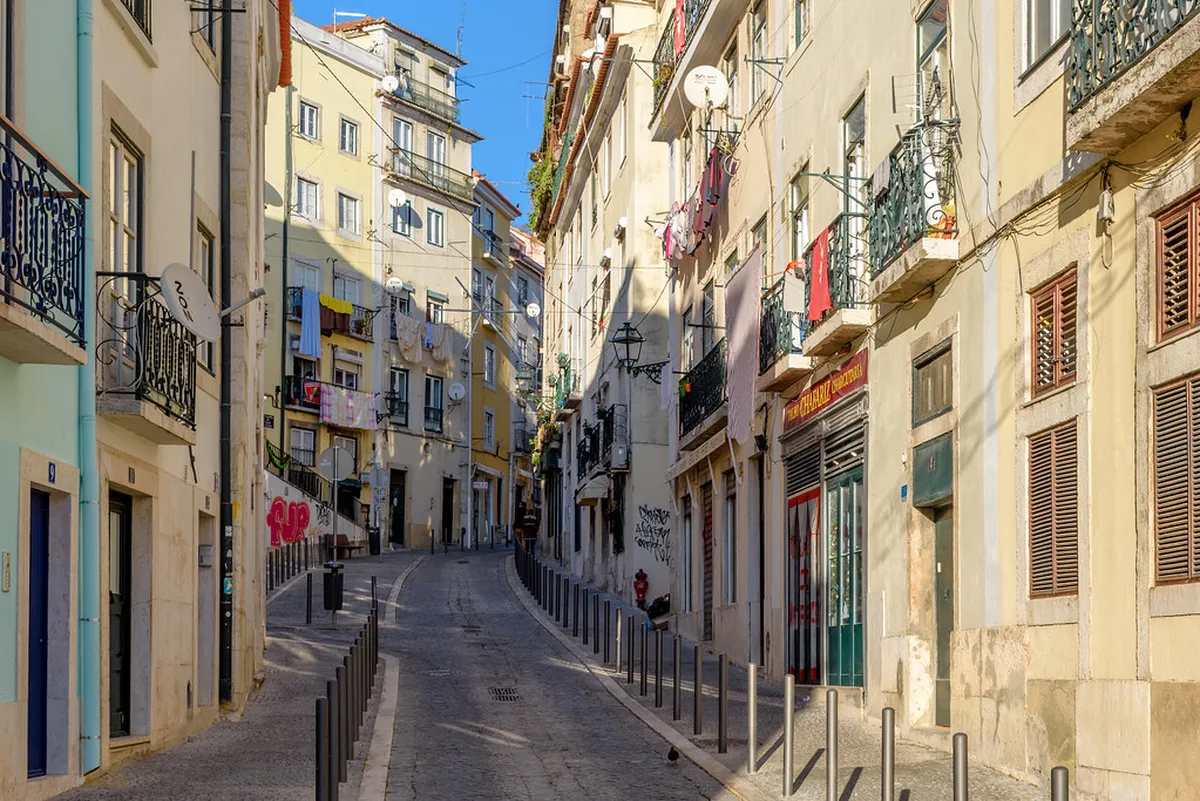
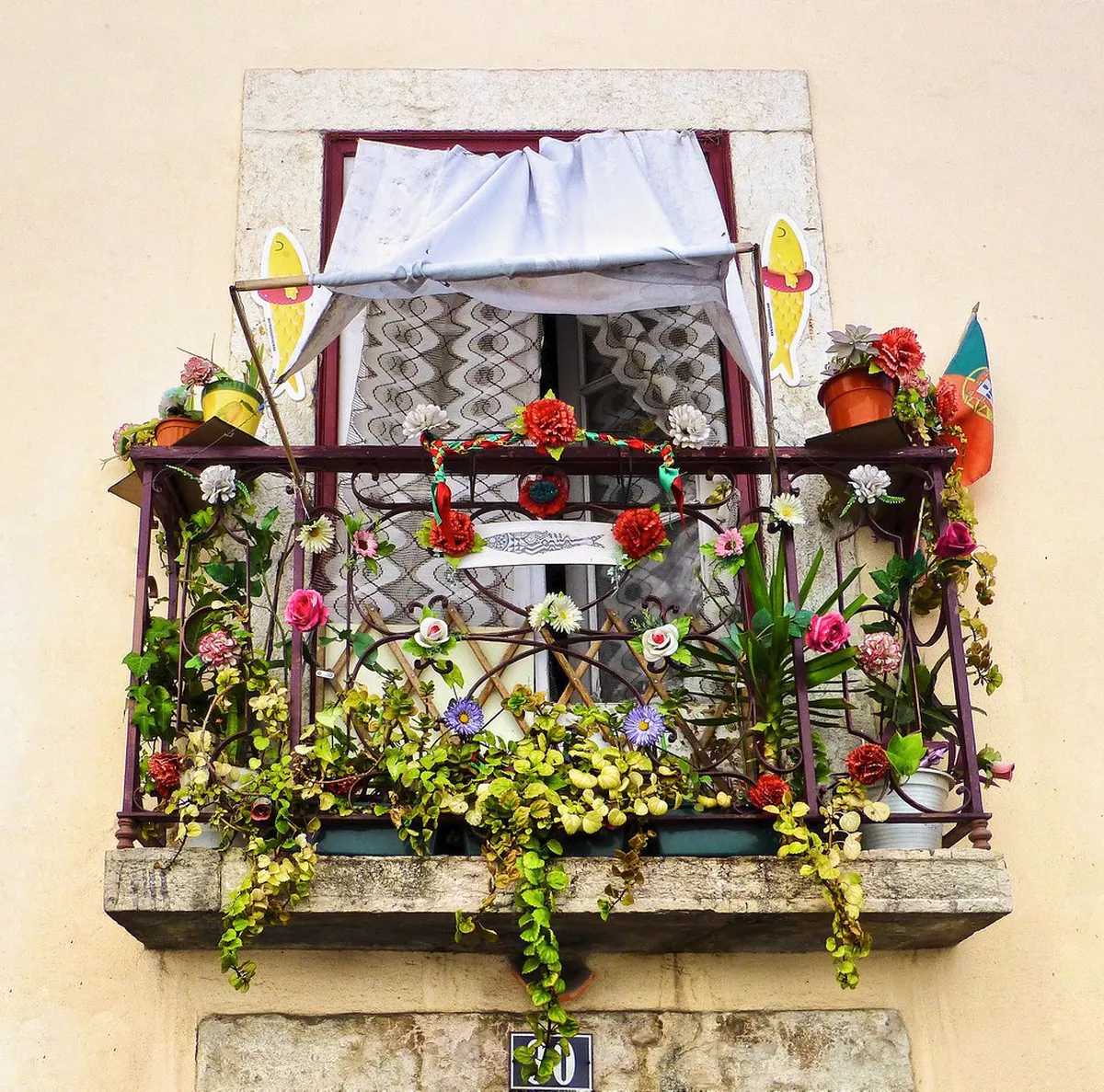
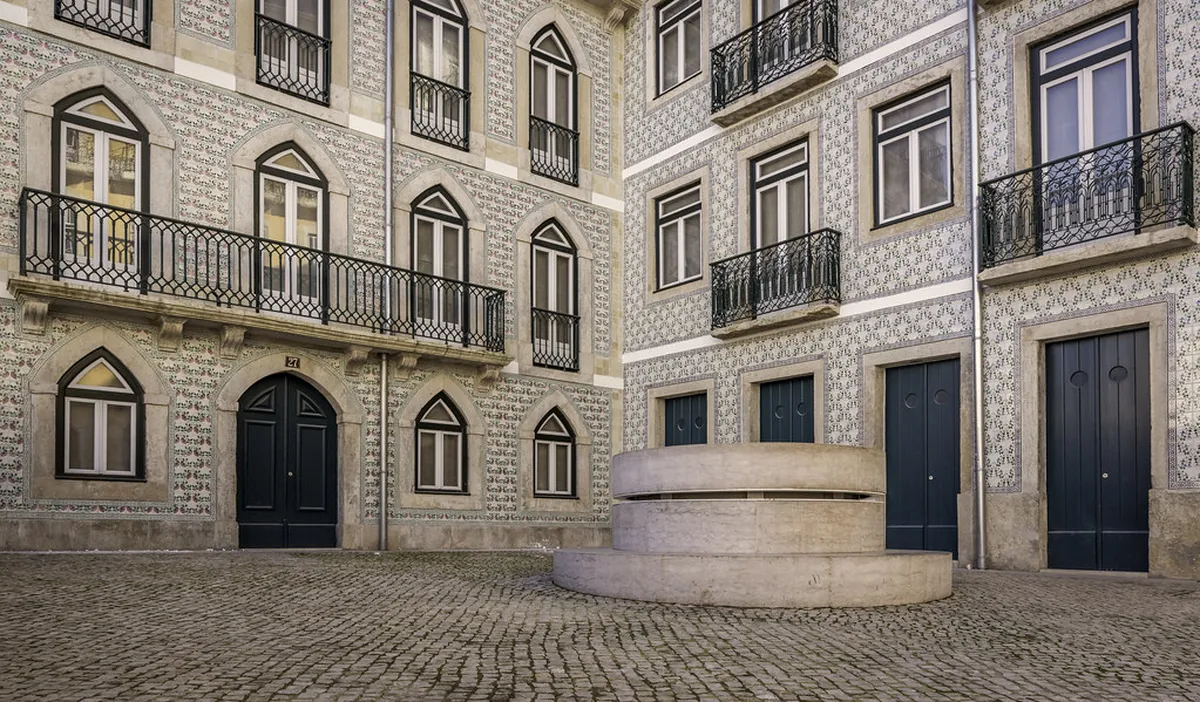
Alfama is Lisbon's oldest surviving neighborhood and the birthplace of Fado music. The narrow lanes, tiled façades, laundry-strung balconies, and sudden river viewpoints create an atmosphere that no other district in the city quite matches. Waking up here feels different from waking up in Baixa: slower, quieter by morning, and genuinely residential rather than tourist-stage-set.
The cons are real, however. Streets are steep, uneven, and mostly inaccessible to cars. A flat with a river view often involves a seven-minute stair climb from the nearest point a taxi can reach. Tourists with heavy bags or limited mobility consistently find the reality harder than the photographs suggested. Noise from Fado houses and late visitors lingers until around midnight in the middle sections of the district.
Stay in Alfama if character and views matter more to you than easy transport access. It suits couples on romantic breaks, repeat Lisbon visitors who already know the city's logistics, and anyone who wants to hear Fado drifting in through an open window. First-time visitors traveling with children or heavy luggage will typically have a more comfortable trip based in Baixa or Chiado, a short walk or tram ride away.
Book at least three months ahead in summer to secure river-view rooms — they go first at every property in the district. Contact your hotel in advance and ask whether they offer porter or luggage trolley service.
Alfama's Three Sub-Zones: Quiet vs Lively vs Easy Access
Every guide lumps Alfama together, but the district divides into three distinct zones with very different sleep quality and access levels. Knowing which zone your hotel sits in before you book can change your trip significantly.
Lower Alfama runs from the Santa Apolónia train station up toward Largo do Chafariz de Dentro. It is the flattest entry point to the district and the easiest for luggage since taxis can reach most streets. It borders the waterfront and is away from the main Fado house strip, so noise usually drops after 23:00. Hotels and lofts here attract guests who want the Alfama postcode without the most punishing climbs.
Mid-Alfama — the stretch around Largo das Portas do Sol, Miradouro de Santa Luzia, and the Fado Museum — is the tourist heart. Views are best here, and proximity to the castle is a 10-minute walk uphill. This is also where the Fado houses cluster. Expect live music and foot traffic until around midnight on weekends. Light sleepers should request rooms facing an internal courtyard rather than the alley side.
Upper Alfama and the Castle Zone — the area immediately surrounding Castelo de São Jorge, reachable via Rua de Santa Cruz do Castelo — is the quietest zone after 22:00. Tour groups leave by evening and the streets fall almost completely silent. The trade-off is a steep climb from anywhere a vehicle can stop. Hotels tucked inside or immediately beside the castle grounds, such as Solar do Castelo, benefit from genuine tranquillity that the lower zones cannot guarantee.
| Sub-Zone | Best For | Vibe / Key Notes |
|---|---|---|
| Lower Alfama | Luggage-free arrivals, easy taxis | Flattest entry, fewest stairs, away from Fado strip, noise drops by 23:00 |
| Mid-Alfama | River views, proximity to sights | Tourist heart, best views, Fado houses cluster here, live music until midnight |
| Upper Alfama & Castle Zone | Peace and quiet, tranquillity | Quietest after 22:00, tour groups depart by evening, steepest climb from vehicle drop-off |
Best Luxury Hotels and Pousadas in Alfama
Pousada de Alfama on Rua de São Tomé sits in mid-Alfama near the Miradouro de Santa Luzia. It is a modern property rather than a historic conversion, with river-facing rooms that catch the sunrise over the terracotta roofline. Prices for 2026 run approximately €180–€240 per night for a standard double, with breakfast often included. It is one of the easier luxury options to reach by taxi. Book a river-view room at Pousada de Alfama well in advance as those rooms sell first.
Santiago de Alfama Boutique Hotel occupies a restored 15th-century palace near the castle and is the closest thing to a true five-star experience within the district. Rooms are spacious by Alfama standards, rates range from €290–€450 depending on season, and there is an onsite restaurant. The rooftop terrace has sweeping castle and river views. It sits in the upper zone, so expect a steep approach on foot from anywhere a car drops you.
Memmo Alfama Design Hotels is adults-only and features a red infinity pool that overlooks the Tagus. This is the property most associated with sunset cocktails in the district. Standard rooms run €230–€380 per night. It sits in mid-Alfama, which means moderate noise exposure on busy nights but excellent proximity to the main viewpoints and the Fado Museum.
Palácio Belmonte near the São Jorge Castle gate is considered the most exclusive address in Lisbon. Suites are enormous and feature original 18th-century azulejo panels. There are no televisions. Rates often exceed €550 per night. It hosts private events periodically, so verify availability carefully before planning around it.
Top Mid-Range Boutique Hotels in Alfama
Solar do Castelo sits within the pedestrian-only castle grounds in an 18th-century mansion built on former royal kitchen quarters. It is one of the genuinely quiet options in the upper zone, with peacocks from the castle gardens occasionally wandering into the courtyard. Nightly rates average €260–€340. Guests benefit from the unusual privilege of being inside the castle perimeter after the main gates close at dusk.
Vincci Alfama is a four-star property tucked into the heart of the district. It values traditional hospitality details — hand-written notes, welcome drinks, genuinely attentive staff — rather than showy facilities. Rates fall comfortably into the mid-range bracket and it consistently draws strong reviews from couples who want character without a palace price tag.
Hotel Convento do Salvador near the National Pantheon converted a former convent into a contemporary hotel that also supports a local youth community center. Prices typically run €140–€210 per night, making it one of the better-value quality options in the neighborhood. Its location near the Campo de Santa Clara square is ideal for visiting the Feira da Ladra flea market on Tuesdays and Saturdays.
Palacete Chafariz D'el Rei in lower Alfama is a classically styled late 19th-century property with river views, high ceilings, and a distinctly nostalgic interior. It sits in the easiest-access sub-zone, which makes it a good choice for travelers who want the Alfama atmosphere with less climbing. Free cake and snacks for guests are a recurring detail in reviews.
Best Characterful Apartments and Guesthouses in Alfama
Alfama Luxury Lofts in the lower waterfront area offer high-ceilinged apartments at €200–€280 per night for two to four people. The location near Santa Apolónia train station makes these ideal for day trips to Sintra or Setúbal, and the flatter approach from the waterfront removes the worst of the luggage problem. These are self-catering apartments, so budget for groceries rather than restaurant meals every night.
The Laranjais Alfama near the Fado Museum blends traditional Portuguese architecture with minimalist interiors and proper kitchenettes. Prices sit in the €160–€230 range, which represents solid value for fully equipped accommodation this close to the main viewpoints. The Fado Museum is worth visiting before your first evening in the district: understanding the music's history makes hearing it from a neighboring house feel meaningful rather than disruptive.
Terraço do Tejo offers a rooftop terrace with Tagus views and sits on the Baixa side of Alfama at roughly 72 square meters — generous by district standards. It falls at the budget end of the market and is positioned to make reaching other areas of Lisbon on foot straightforward. It suits travelers who want Alfama within reach but not in the thick of it. Varandas de Lisboa is a similar budget option for those comfortable with shared bathrooms.
Alfama vs. Chiado and Baixa: Which is Better?
The honest answer depends on what you are optimising for. Alfama offers the most distinctive atmosphere in the city but demands physical fitness, patience with luggage, and tolerance for cobblestones. Baixa is flat, grid-planned, and perfectly connected — but it can feel generic in the evenings once the tourist crowds thin. Chiado sits between them: elegant, walkable, atmospheric, and genuinely convenient for getting around, which is why most experts recommend it for first-time visitors.
| District | Flatness | Atmosphere | Transport | Best For |
|---|---|---|---|---|
| Alfama | Very hilly | Highest | Limited car access | Couples, repeat visitors, atmosphere seekers |
| Chiado | Moderate hills | High | Metro + tram 28 | First-timers, culture lovers |
| Baixa | Flat | Moderate | Best metro access | Mobility concerns, families, easy navigation |
Mid-range options in Chiado include Palácio das Especiarias, a restored 16th-century palace with live Fado performances during dinner at approximately €250 per night. In Baixa, Hotel Lis Baixa offers rooms in the €150–€200 range with excellent metro proximity. Both neighborhoods are within a 15-minute walk of Alfama's lower zone, so staying elsewhere does not mean missing the district — it means returning to a more convenient base at night.
First-time visitors typically find Baixa the safest default and move to Alfama on return trips once they know the city's rhythm. Repeat visitors or couples on romantic breaks usually find the Alfama tradeoffs worth it. Check the Visit Lisboa official tourism site for event calendars that might spike congestion in any of these areas, particularly during Festas de Lisboa in June.
Essential Logistics: Hills, Luggage, and Transport
Dragging a hard-shell suitcase over 500-year-old cobblestones from the nearest taxi drop-off point to a mid-Alfama hotel is one of the most common first-arrival mistakes in Lisbon. The streets are narrow, uneven, and in many cases genuinely inaccessible to vehicles. The practical move is to take an Uber or taxi to the closest plaza — Largo das Portas do Sol for mid-Alfama, Largo do Chafariz de Dentro for lower Alfama — and then manage the final few hundred meters on foot. Contact your hotel in advance and ask whether they offer a porter or luggage trolley service; many boutique properties have staff specifically for this.
Pack a soft duffel or backpack rather than a hard-shell roller if you can. A wheeled bag that works fine in Baixa will punish you on Alfama's stepped lanes. If you are flying into Lisbon Humberto Delgado Airport, the Aerobus or metro to Terreiro do Paço brings you to the base of Alfama in about 35–40 minutes; from there, a short taxi or rideshare to your hotel's nearest drop-off point is the cleaner option over attempting to walk uphill with bags.
Fado houses in mid-Alfama generate live music and foot traffic until around midnight on weekends. Light sleepers should request rooms facing an internal courtyard rather than the alley side, or choose Upper Alfama if silence is non-negotiable.
The district has several public elevators managed by Carris Lisbon Public Transport that bypass some steep sections — the Elevador de Santa Luzia is the most relevant for mid-Alfama. Verify operating hours before relying on them, as maintenance closures happen without much notice. Tram 28 runs through the district but becomes extremely crowded in peak afternoon hours; an early morning or late evening ride gives a far better experience and avoids the tourist queues at Martim Moniz, which can stretch over an hour in summer.
Why Consider Príncipe Real for a Stylish Stay
Príncipe Real sits on a ridge above Chiado and offers a more polished alternative to Alfama for travelers who want boutique character without medieval grit. The neighborhood is known as Lisbon's design district — Embaixada palace shopping gallery, the Botanical Garden, concept stores, and wine bars lined along calmer streets than anywhere in Alfama or Baixa. The ratio of locals to tourists is noticeably better than in the historic center.
Staying here puts you a short walk from Bairro Alto's nightlife but far enough removed to sleep without noise. Accommodations tend to be more spacious than the converted-palace rooms of Alfama, and several properties have views toward Castelo de São Jorge and the river. The Baixa-Chiado metro station is a 15-minute walk, and buses run through the area if the slopes become a factor.
Prices in Príncipe Real are comparable to Alfama's luxury tier, running €220–€400 per night for a good boutique stay. The key difference versus Alfama is that the trade-off here is distance from the historic core rather than physical difficulty — you are a pleasant walk from Alfama's viewpoints rather than a punishing climb from your hotel door. For travelers who want Lisbon's old-world charm accessible rather than immersive, this is often the cleaner choice.
Alternative Neighborhoods: Estrela, Lapa, and Belém
Estrela and Lapa sit just west of the historic center and feel genuinely residential. Streets are calmer, the Jardim da Estrela park is one of Lisbon's best, and the Basilica da Estrela anchors the neighborhood with a landmark worth visiting. These districts appeal to travelers who want space and tranquillity while staying within reach of the center by tram or bus. The downside is that you will rely on transport more frequently than if you were based in Baixa or Alfama, and the hotel density is lower so options are more limited.
Belém is a different proposition entirely. Home to Jerónimos Monastery, Belém Tower, and MAAT (the Museum of Art, Architecture and Technology), it suits travelers who want a culture-heavy, riverside base and have already seen the historic center on a previous visit. The commute to Alfama from Belém runs 30–45 minutes by tram 15E or Cascais line train, so treating it as a daily round-trip rather than a spontaneous evening walk is the realistic expectation. Altis Belém, on the waterfront near the MAAT, is the most polished stay in the area.
For most first-time visitors, neither Estrela nor Belém makes sense as a primary base. They work well as day-trip destinations or as anchors for longer stays of five or more nights when the novelty of the central districts has worn off. If you are choosing between these alternatives and Alfama specifically, the question is whether you want immersion in the city's historic soul or a quieter, more spread-out experience of Lisbon's wider geography.
Frequently Asked Questions
Is Alfama a nice place to stay in Lisbon?
Alfama is ideal for travelers seeking a historic and romantic atmosphere. It offers authentic Fado music and stunning river views, though the steep hills and stairs require good physical mobility.
Is it better to stay in Baixa or Alfama?
Baixa is better for first-time visitors who prefer flat terrain and easy transport access. Alfama is superior for those wanting traditional charm and a quieter, more residential neighborhood feel.
How far is Alfama from the Lisbon city center?
Alfama is part of the historic city center, located just a 10-15 minute walk from Baixa. However, the steep incline can make the return journey feel much longer than the distance suggests.
Choosing where to stay in Alfama Lisbon ultimately depends on your desire for historical immersion versus modern convenience. Identify your sub-zone first — lower Alfama for easier access, mid-Alfama for the best views, upper Alfama for genuine silence — then match your hotel tier and budget to that zone. Book at least three months ahead in summer to secure river-view rooms, which go first at every property in the district.
If Alfama's logistics feel like too much of a stretch, Chiado or Príncipe Real give you most of the atmosphere at considerably less physical cost. Either way, Alfama is worth visiting for at least half a day: the early morning light on the Miradouro de Santa Luzia, before the tour groups arrive, is one of the best free experiences in Portugal.