Coimbra runs on academic tradition and old-city pride, and that combination shapes every major event on the 2026 calendar. The standout months are May — when the week-long Queima das Fitas student festival takes over the historic center — and July, when the biennial Festas da Rainha Santa Isabel draws tens of thousands of pilgrims through the streets. Both events fall in 2026, making this an exceptional year to visit. Outside those peaks, the city offers Fado performances, river festivals, Santos Populares celebrations in June, and a quieter autumn cultural season that many visitors overlook.
This guide covers every significant event by month, with exact 2026 dates where confirmed, accommodation booking windows, and the practical details most visitors only discover after they arrive. The Coimbra old town serves as the natural hub for nearly all of them.
Coimbra 2026 Events Month by Month
The 2026 calendar is unusually stacked because the Festas da Rainha Santa — held every even year — lands in the same year as Queima das Fitas. That makes late spring and early July the busiest stretch, but each season has its own appeal.
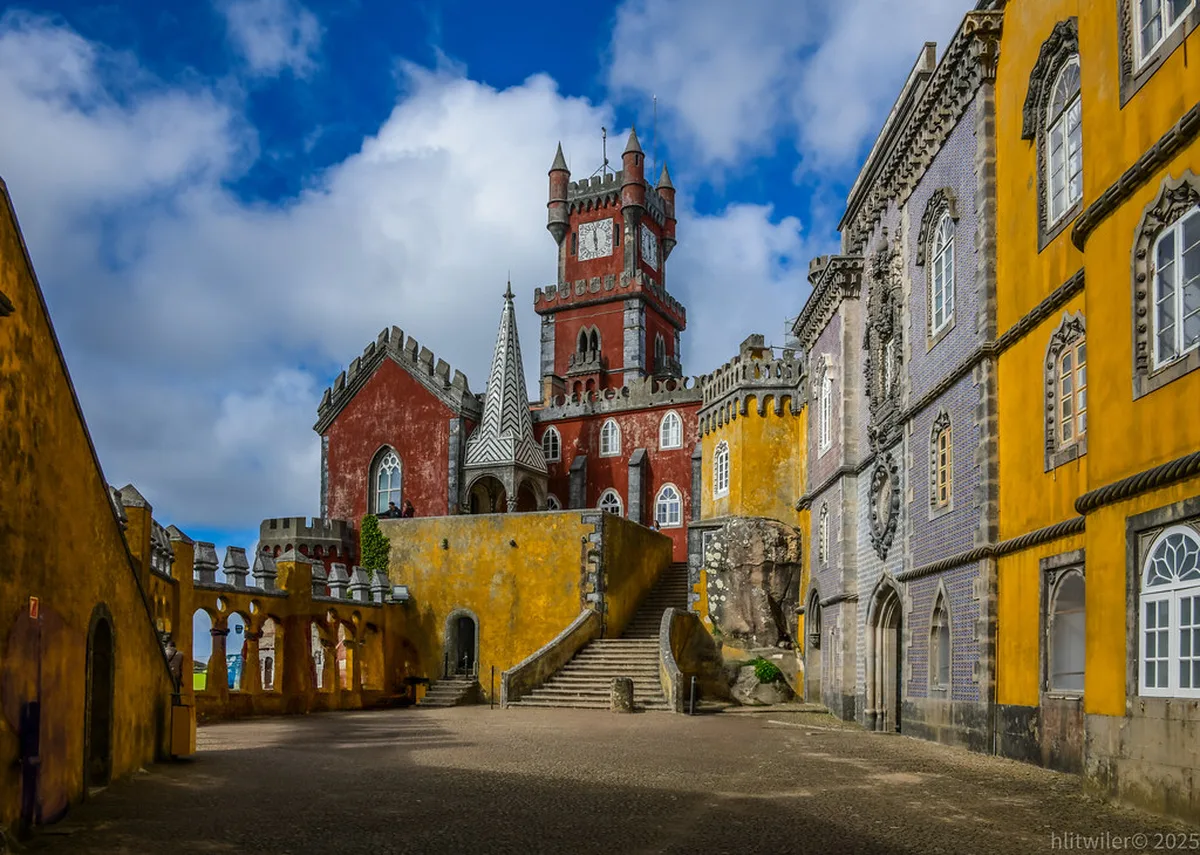
May is the headline month. Queima das Fitas runs 14–19 May 2026, starting with the Serenata Monumental on the steps of the Sé Velha and finishing with the burning of the faculty ribbons in Largo da Feira. June brings the Santos Populares atmosphere to Praça do Comércio, with sardine grills and music on the river banks. Festas da Rainha Santa Isabel follows in early July — confirmed for 2026 — with the grand torchlight procession across the Santa Clara bridge on the evening of the main procession day. September brings Fado concerts and a noticeably quieter city. December is very low-key but Christmas lights along the Baixa are worth a short stopover.
| Month | Event | Type | Crowds |
|---|---|---|---|
| May 14–19 | Queima das Fitas | Academic / Student | Very High |
| June | Santos Populares | Popular / Street | High |
| Early July | Festas da Rainha Santa Isabel | Religious / Civic | Very High |
| September | Fado concerts (various) | Music / Cultural | Moderate |
| November–December | Christmas lights / markets | Seasonal | Low |
Must-See Coimbra Festivals Attractions
The Queima das Fitas is the unmissable event on the 2026 Coimbra calendar. Running 14–19 May 2026, it marks the end of the academic year with a structured program that opens formally and closes with the symbolic ribbon-burning. Students from each faculty march in black capes and suits on the opening day; the parade routes through the Baixa and up into the Alta. Check the official Queima das Fitas schedule closer to the date for the final programme and any ticketed concerts.
The Festas da Rainha Santa Isabel is the city's other defining event, returning in 2026 after the 2024 edition. The festival honors Coimbra's patron saint with a torchlight procession that moves the statue of Queen Isabel from the Santa Clara Convent across the Mondego on the Ponte de Santa Clara. The procession happens at night; standing on the riverbank as thousands of candles cross the water is a genuinely moving experience. Plan accommodation at least three months ahead for both events.
During these peak windows, the upper city (Alta) and the Baixa both fill with temporary stages, craft stalls, and street food. Local police redirect traffic, and some bus lines are suspended on parade nights. Arriving by train and walking from Coimbra-A station is the most reliable option.
Museums, Art, and Culture in Coimbra Festivals
Coimbra Fado is not the same as Lisbon Fado — and this distinction matters if you are visiting during a festival. The Coimbra style is traditionally performed by male university students and alumni, sung in academic gown and black cape, and rooted in the tradition of serenading beneath windows (the "serenata"). It is slower, more melancholic, and more rigidly classical than its Lisbon cousin. The Machado de Castro National Museum and Casa de Portugal sometimes host dedicated Fado evenings during Queima week; ask at the tourism office for the current programme.
The Machado de Castro National Museum, built over an intact Roman cryptoporticus beneath the former bishop's palace, runs special exhibitions during both the May and July festival windows. Entry is typically €6, and queues are much shorter in the morning before the street events begin. The university's Sala dos Capelos — the grand examination hall — occasionally opens for public concerts that are not widely advertised outside the campus notice boards.
The SBKFever Coimbra 2026 event brings Latin social dancing (salsa, bachata, kizomba) to the city, usually staged at a venue in the lower city. It draws a different crowd from the academic calendar events and is worth checking if you enjoy social dance. Smaller galleries in the Rua Ferreira Borges area run rotating exhibitions year-round and are almost always free.
Parks, Gardens, and Outdoor Spots in Coimbra Festivals
The Parque Verde do Mondego, running along the south bank of the river, hosts free open-air concerts during Santos Populares in June and serves as the main public viewing area during the Festas da Rainha Santa procession. Arrive at least 90 minutes before the torchlight procession starts to secure a position on the riverbank near the Ponte de Santa Clara. The park is flat, wheelchair-accessible, and well lit during events.
The Jardim Botânico da Universidade de Coimbra — one of the oldest botanical gardens in the Iberian Peninsula — stages occasional open-air classical performances in summer. The garden is quieter than the main festival zones and opens daily. Entry is around €2. Penedo da Saudade, a hilltop park above the upper city, is where students traditionally gather to read poetry and watch sunsets; it is uncrowded even during Queima week and worth the climb for the panoramic view over the Mondego valley.
Walking across the Ponte Pedro e Inês bridge (the pedestrian bridge) gives the best elevated view of the river procession during Festas da Rainha Santa. The bridge fills quickly on procession night — cross early and stake a position on the balustrades well before dark.
The Serenata Monumental: Queima's Opening Night
Most visitors know Queima das Fitas as a party week, but its formal opening — the Serenata Monumental — is the event that separates Coimbra from every other student festival in Portugal. On the evening that kicks off Queima week, student musicians in academic dress gather on the steps of the Sé Velha (the Romanesque Old Cathedral) and perform a candlelit Fado concert to the city below. The event is free, outdoors, and open to the public.
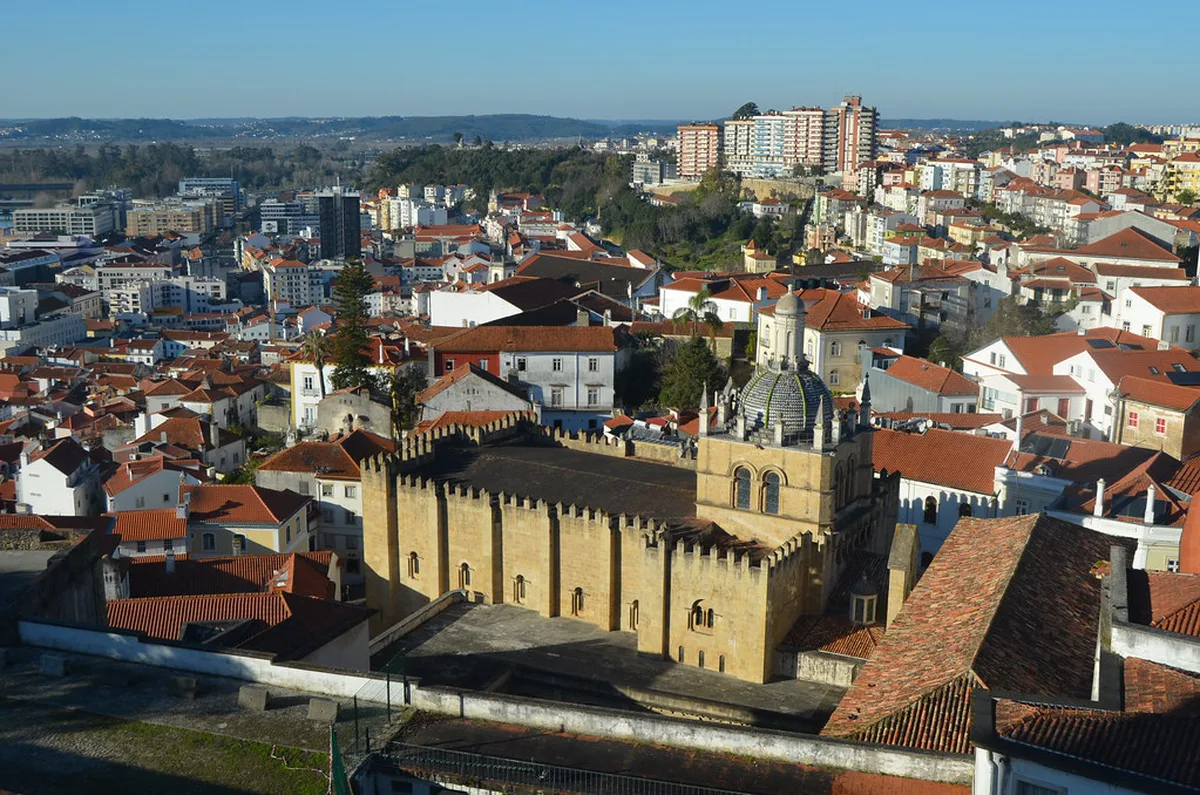
The steps fill from around 21:00; arrive no later than 20:30 to find standing space on the adjacent Largo da Sé Velha. The combination of candlelight, medieval stone, and the distinct Coimbra style of Fado — slower and more formally structured than Lisbon's — makes this a genuinely different experience from anything else in Portugal's festival calendar. No other competitor guide to Coimbra's events covers the Serenata as a standalone entry worth planning around.
If you cannot make the Serenata during Queima, the A Capella restaurant on Rua do Corpo de Deus stages regular Fado Coimbra evenings throughout the year, usually starting at 22:00. Reservations are recommended and cost roughly €10–€15 per person for the show alone.
Family-Friendly and Budget-Friendly Options
Most of Coimbra's major festival events are free to attend. The Queima das Fitas parades, the Festas da Rainha Santa procession, the Santos Populares street celebrations in June, and the Serenata Monumental all cost nothing. Ticketed concerts during Queima week are separate and priced individually — typically €10–€30 depending on the act — but the core outdoor events require no ticket.
Families will find Portugal dos Pequenitos (a miniature-landmarks theme park on the south bank of the Mondego) practical during festival season — it gives children structured activity while the main city streets are crowded. Entry is around €9 for adults and €6 for children. Student-run cafeterias in the Alta charge €5–€7 for a full lunch and are open to the public during term time, which covers the May festival period.
Budget accommodation is cheapest in guesthouses along Rua da Sofia and near Coimbra-B station, roughly 15 minutes' walk from the main festival zones. Prices in the historic center triple during Queima week and the Festas da Rainha Santa — book these periods three to four months ahead. For September or November visits, same-week bookings are usually possible at standard rates.
How to Plan a Smooth Coimbra Festivals Day
Walking is the primary mode of transport during festival periods, but Coimbra's upper city involves steep and often slippery limestone streets. Wear rubber-soled shoes regardless of weather. The public elevator (Elevador do Mercado) connects the Baixa to the Alta near the central market and is the easiest way to avoid the steepest climbs; it runs until around 21:00 on most evenings.
The local bus network partially suspends routes on parade nights, so do not rely on fixed bus schedules for evening events. Taxis and rideshare apps work normally outside the immediate parade zones. The train station Coimbra-A is walking distance from most festival venues and is the most reliable arrival point if you are coming from Lisbon (roughly 2 hours) or Porto (roughly 1 hour 15 minutes).
Carry cash for street vendors — card readers are not universal at temporary market stalls. Public restrooms near the festival zones run out of supplies quickly; using cafe bathrooms (buy a coffee) is the practical workaround. Pickpocketing is uncommon but rises during very dense crowd moments, particularly at the ribbon-burning and the torchlight procession. Keep phones in a front pocket.
Use directions to the main event venues before you arrive so you are not navigating on a slow mobile connection in a crowd.
Best Spring Events in Portugal 2026: Complete List
Coimbra sits well on a wider spring Portugal itinerary because it connects easily to both Lisbon (2 hours south) and Porto (1h15 north) by train. If you are touring the country, the clearest cluster is: Braga for Semana Santa (solemn Holy Week processions in March or April), then Coimbra for Queima das Fitas in mid-May, then Lisbon for Santos Populares in June.
The Chocolate Festival in Obidos runs over several weekends in spring and is 1h30 south of Coimbra by car — feasible as a day trip in late March or April before Queima week fills the city. Madeira's Flower Festival is the single most spectacular spring event in Portugal; the festival's main event, the Allegorical Flower Parade, is scheduled for early May 2026 in Funchal. It requires a separate flight but is worth combining with a long weekend if you are not already committed to Coimbra's timing.
The Festa Corpo de Deus flower carpets in Vila do Conde (4 June 2026) and São João in Porto (23 June) both fall just after Queima das Fitas ends, making a Porto–Coimbra–Porto loop viable in late May and early June. The Feira de São Mateus in Viseu runs late August to early September and is 1h15 from Coimbra — the best fallback for visitors who miss the May events.
What's Closed in Low Season
Visiting outside the festival windows means fewer crowds but reduced services in specific areas. River boat tours on the Mondego typically run from April through October only; check with operators in advance for November and March schedules. Many student-run tavernas in the Alta close during August — a counterintuitive closure that catches visitors off guard, since August looks like peak summer season but the student population has left for the holidays.
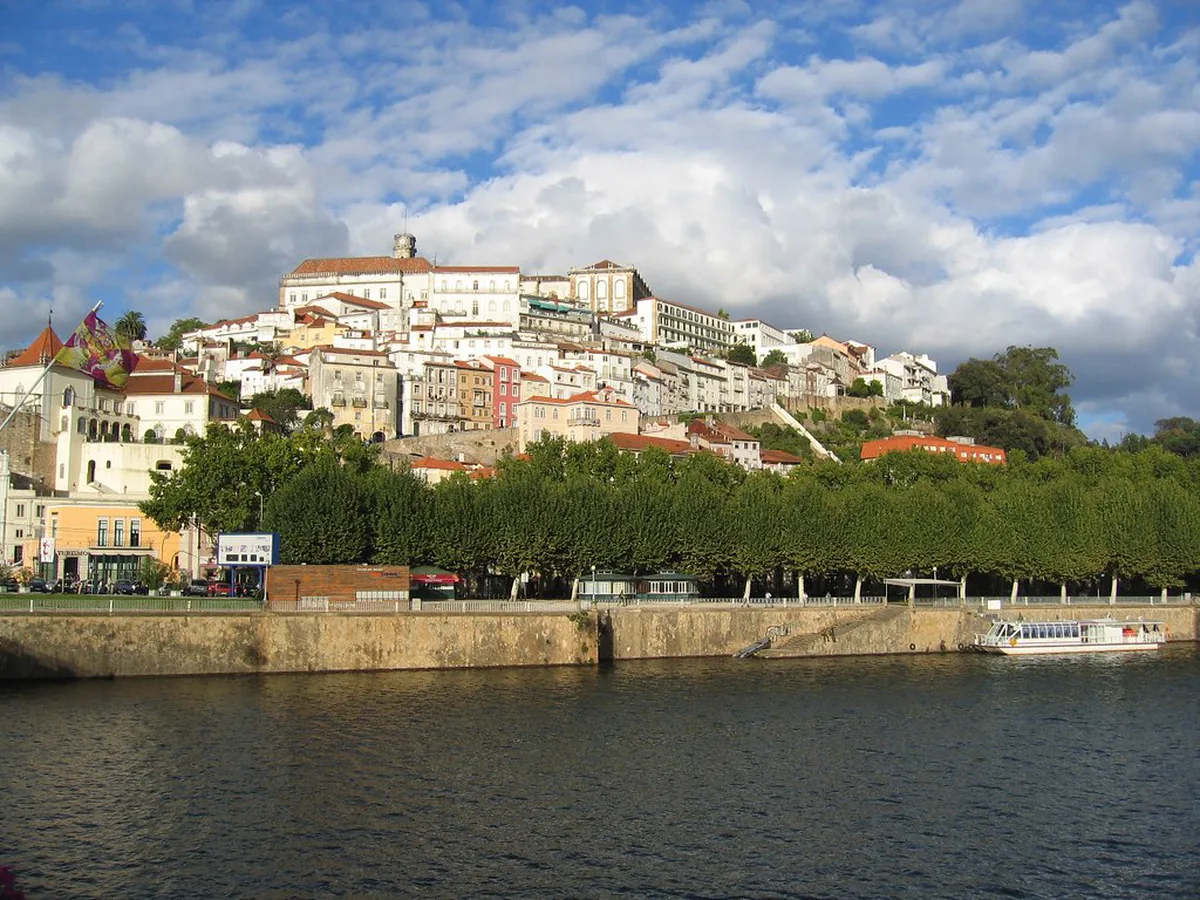
Major institutions — the Machado de Castro Museum, the Joanine Library (requires pre-booked ticket), and the Botanical Garden — stay open year-round but shift to shorter winter hours (typically closing at 17:30 from November to February rather than 18:30 or 19:00). Fado performances thin out in mid-winter, though A Capella and the main Fado houses maintain weekly shows. Christmas markets appear along Rua Ferreira Borges in December with modest stalls; they run for roughly three weeks and attract mainly local shoppers rather than tourists.
Frequently Asked Questions
Which Coimbra Festivals & Events Calendar for 2026 options fit first-time visitors?
First-time visitors should prioritize the Queima das Fitas in May. It offers the most iconic look at the city's unique student culture. The parades and serenades are unforgettable experiences for any new traveler.
How much time should you plan for Coimbra Festivals & Events Calendar for 2026?
You should plan at least three full days to see the main events. This allows time for the major parades and exploring the university. A longer stay of five days is better for a relaxed pace.
What should travelers avoid when planning Coimbra Festivals & Events Calendar for 2026?
Avoid booking your accommodation at the last minute during May or July. Prices skyrocket and the best central spots fill up months in advance. Also, avoid wearing uncomfortable shoes on the steep, slippery hills.
Coimbra is a city that truly comes alive through its seasonal traditions and student spirit. By following the Coimbra Festivals & Events Calendar for 2026, you can experience the heart of Portugal. Whether you choose the energy of May or the solemnity of July, the city will charm you. Start planning your trip today to ensure you secure the best spot for these historic celebrations.