Every May, Coimbra erupts into one of Europe's oldest and most distinctive student festivals. Queima das Fitas — the Burning of the Ribbons — marks the end of the academic year at Portugal's oldest university, founded in 1290. Graduating students burn the colored fabric strips that identified their faculty throughout their studies. What began among law students in the 1850s is now a week-long celebration drawing over 100,000 visitors to the Mondego riverbanks.
The 2026 edition runs from approximately 22 to 29 May and carries the theme "Fitas do Futuro" — Ribbons of the Future. The Associação Académica de Coimbra (AAC), which has organized the event since its formal establishment in 1905, oversees the full programme. Visitors who plan early, understand the schedule of rituals, and know how the ticketing system works will get dramatically more out of the week than those who show up without preparation.
The Story Behind Queima das Fitas
The tradition began informally among law faculty students who burned their ribbon-bound notebooks after final exams in the 1850s. By 1905, the Associação Académica organized the first structured procession and recital, establishing the template that still guides today's festival. The event was suspended between 1969 and 1980 — students boycotted it as a political act against the Estado Novo dictatorship. Its triumphant return in 1980 after the Carnation Revolution gave Queima a charged emotional meaning that has never faded. For a fuller history of the festival's origins and cultural significance across Portugal's universities, the Queima das Fitas Wikipedia article documents the evolution in detail.
Coimbra's version remains the most prestigious of its kind in Portugal, more so than the similar festivals in Porto and Lisbon. The city itself is inseparable from the event: 25,000 students live here among medieval streets, and during Queima week the line between town and gown disappears entirely. The festival generates an estimated €10 million in economic activity and has influenced how student celebrations are run across the Lusophone world. Understanding this background helps visitors read the rituals as something more than spectacle — they are a living archive of Portuguese academic culture.
Key Moments Not to Miss
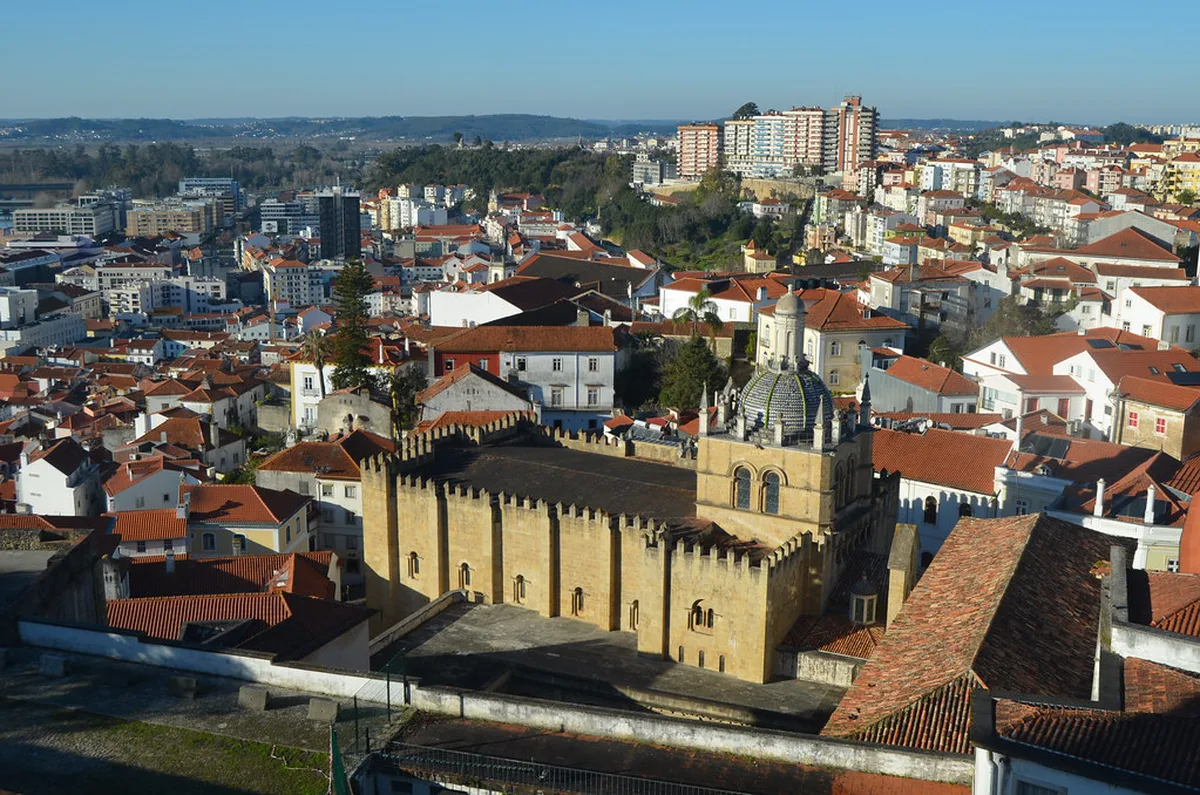
The Serenata Monumental opens the festival at midnight on the first night, around 22 May 2026. Hundreds of students in black capes gather in front of the Sé Velha — the Old Cathedral — to perform Coimbra Fado. This is not a concert; it is a solemn ritual. The audience is expected to stand in silence while the singers perform melancholic ballads about leaving youth behind. This style of Fado is sung exclusively by men and is specific to Coimbra's academic tradition. It is free to attend and is the single most emotionally powerful moment of the entire week.
The Cortejo de Gala grand parade follows on the second day, typically around 18:00. Five thousand students in faculty-colored capes and sashes march a two-kilometre route from the upper university hill down toward the riverfront. Floats carry satirical scenes mocking professors, politicians, and current events — the sharp humor is part of the tradition. The parade ends in street celebrations that continue until dawn.
The Desfile da Queima ribbon-burning ceremony takes place near the end of the week — around 30 May — in Choupal Park after dark. Graduates burn their faculty sashes in a bonfire amid fireworks. This is the moment the festival is actually named for. It is deeply personal for the students involved and visually spectacular for anyone watching from the riverbank. The closing night on 31 May traditionally features a collective Fado in the Old Cathedral courtyard.
Mid-week also includes the Enterro da Pastora, a satirical mock-funeral for the "lost innocence" of student life. It is absurdist theater that has run since the 1950s, with elaborate costumes and sharp social commentary. It takes place in the Machado de Assis Garden area and provides comic relief between the more solemn rituals.
Reading the Faculty Colors: A Visitor's Practical Guide
Every student at Coimbra carries a ribbon in the color of their faculty. This color-coding is the visual grammar of the entire festival, but no competitor guide explains it clearly enough to be useful during the parade. Knowing these colors turns the Cortejo from a sea of capes into a readable procession.
- Dark blue — Law (Direito), the oldest and most prestigious faculty, historically first in the parade
- Red — Medicine (Medicina), known for the loudest floats and most elaborate costumes
- Yellow — Letters and Humanities (Letras)
- Green — Science and Technology / Engineering (Ciências e Tecnologia)
- Purple — Pharmacy (Farmácia)
- Light blue — Economics and Management (Economia)
- Orange — Psychology and Education Sciences
Faculties typically march in order of their founding date, with Law leading. Students from the same faculty cheer loudly when their section passes. Standing near the start of the parade route on the upper hill means you see the full procession more clearly; standing near the Mondego riverfront means more crowding but a livelier atmosphere as the students arrive energized from the march. Either position works, but choose based on what you want: clarity or atmosphere.
Since 2022, the AAC has introduced Portuguese Sign Language (LGP) interpretation of the Fado serenades for deaf and hard-of-hearing attendees. These designated accessible viewing areas near Sé Velha are free to use and are clearly signed. This is worth knowing if you are visiting with anyone who needs this access — it is a genuine inclusion initiative that competitors do not flag.
Tickets: What Sells Out and What Is Free
The core rituals — the Serenata Monumental, the Cortejo parade, the ribbon-burning ceremony — are free to attend. You do not need a ticket to watch the most important events of Queima das Fitas. This is consistently misunderstood by first-time visitors who assume the entire festival is ticketed.
The paid portion covers the nightly concerts at the Praça da Canção (Av. Inês de Castro) along the Mondego riverfront. These headline acts sell out within minutes of going on sale, typically from March 2026 onward via the AAC app and at queimadasfitas-coimbra.pt. A single concert night costs around €15 (approximately $16 USD at current rates) for standing. A full-week pass runs around €60 ($65 USD), or €50 ($54 USD) if purchased before 30 April. Setting up an account on the ticketing platform before the sales open is essential — the checkout process under peak load is slow and sessions time out.
If you miss the ticket release, do not buy from resellers: the AAC enforces a no-resale policy and tickets are often linked to the purchaser's ID. VIP riverside areas with priority parade viewing cost around €30 ($32 USD). Students with valid AAC membership pay around €10 ($11 USD) per night. Under-12s attend the core daytime events for free.
Accommodation in Coimbra fills at the same time tickets go on sale. Prices rise 40% or more compared to the rest of May. Book as soon as your dates are confirmed. Budget options include the Coimbra University Hostel (approximately €20/night for dorms, 500 metres from Sé Velha) and Lemon Tree Houses (around €30/night). Mid-range visitors typically choose Hotel Oslo Coimbra or Hotel Santa Cruz, both centrally located near the Coimbra old town at roughly €75–€90 per night during festival week.
How to Show Up Well
The black academic cape (capelo) worn by students is not a costume. It represents years of coursework, personal history, and faculty identity. Do not touch a student's cape unless explicitly invited, and never ask to try one on. Students take this seriously even during the rowdier concert nights. The same respect applies to the colored ribbons: they are personal objects, not festival merchandise.
Silence is mandatory during Fado performances at the Old Cathedral and any open-air serenades. Coimbra Fado is hauntingly quiet by design — the lyrics depend on the listener hearing every word. The audience response to a well-performed serenade is a subtle cough, not applause. Clapping mid-performance marks you immediately as an outsider and disrupts the experience for everyone around you.
Most students are warm and willing to explain their traditions to curious visitors. Learning a handful of Portuguese phrases — "Muito obrigado" (thank you), "Com licença" (excuse me) — goes a long way. Ask before photographing students in full academic dress at close range. During the parade, stay on the pavement; the road belongs to the students. Bring a light jacket for the Serenata: Coimbra evenings in late May are cooler than the daytime temperatures suggest, especially near the Mondego.
Practical Notes for Getting There and Around
Coimbra sits between Lisbon and Porto on the main rail corridor. The CP Alfa Pendular from Lisbon Santa Apolónia takes roughly 2 hours and costs around €22. From Porto Campanhã the journey is about 1 hour and 15 minutes, costing around €10. All intercity trains stop at Coimbra-B station, which is about 3 kilometres from the city centre. A short local train connection (free with the intercity ticket on the same day) or a taxi (around €8) gets you into the centre. Rede Expressos coaches from Porto cost around €10. Visit Portugal's Centre region guide covers accommodation and transport options across the area.
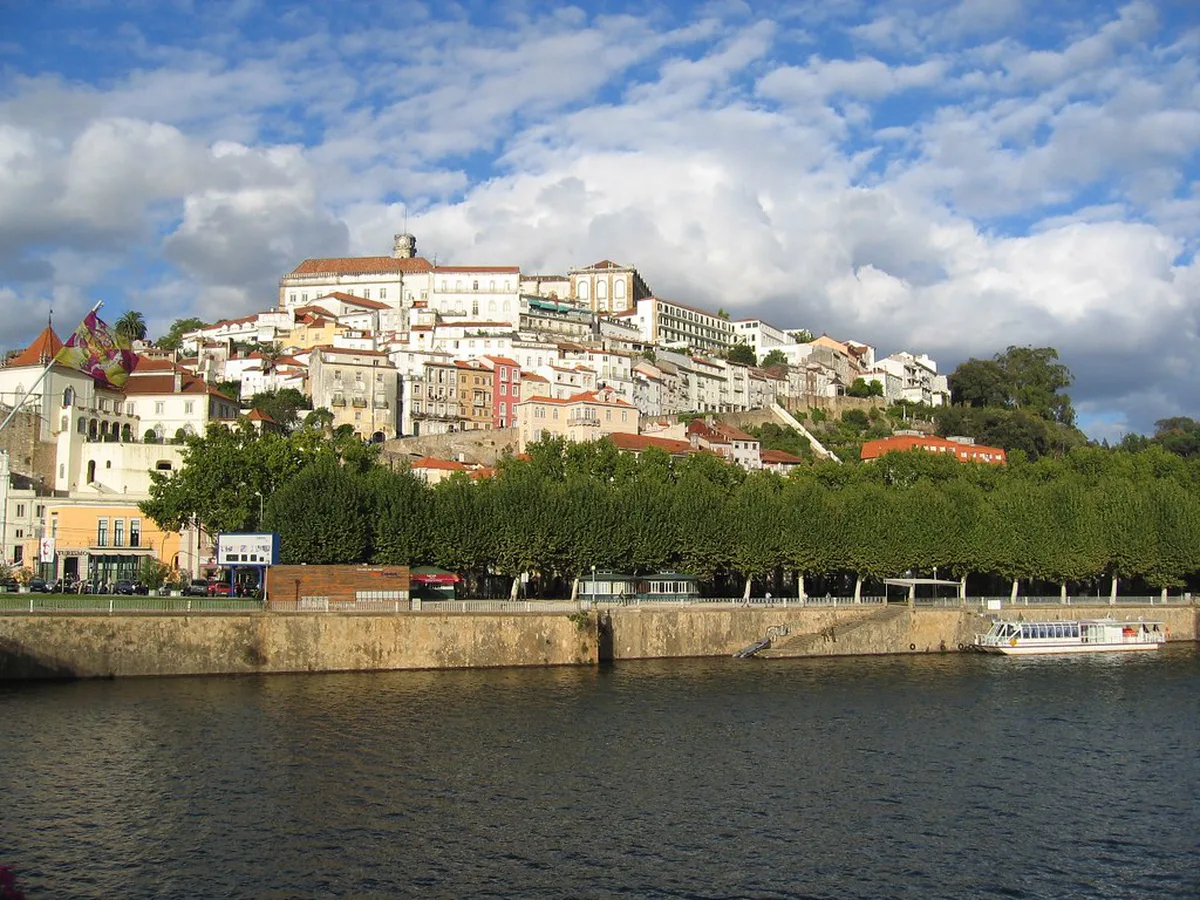
During festival week, the central streets are closed to private vehicles for parades and the evening concert crowds. Public transport is the only reliable way to move around the festival zone. Keep your hotel walking distance from either the university hill or the Praça da Canção riverfront — trying to commute in a car during peak hours will add an hour to every journey.
Carry cash. Most food stalls and smaller student-run bars at the festival venue prefer it, and card machines slow down dramatically under the crowd load. The Praça da Canção area has good food options — look for Leitão à Bairrada (roasted suckling pig) and Pastéis de Tentúgal (flaky pastries) at the stalls. Both are regional specialties you will not find in the same quality elsewhere in Portugal. Keep valuables in a front pocket or a cross-body bag, and agree on a meeting point with your group before entering the concert venue — mobile coverage can be poor inside the main stage area.
Check the the full events calendar for confirmed 2026 dates and any last-minute schedule changes before you finalize travel plans. The official programme is typically published in full by late March on the AAC website.
Essentials at a Glance
- Dates: approximately 22–29 May 2026 (confirm on queimadasfitas-coimbra.pt)
- Organizer: Associação Académica de Coimbra — email geral@queimadasfitas-coimbra.pt
- Main concert venue: Praça da Canção, Av. Inês de Castro, Coimbra
- Serenata Monumental: midnight, Sé Velha (Old Cathedral) — free, no ticket required
- Cortejo parade: day 2 at approximately 18:00 — free, street viewing
- Ribbon-burning ceremony: approximately 30 May, Choupal Park — free
- Concert tickets: from approximately €15/night, full-week pass ~€60; on sale from March via AAC app
- Accommodation: book by February — prices rise 40% during festival week
- Getting there: CP train from Lisbon (2h, ~€22) or Porto (1h15, ~€10) to Coimbra-B
- Contact: +351 239 851 064 (Mon–Fri 09:00–18:00); tickets at bilheteira@queimadasfitas-coimbra.pt
Frequently Asked Questions
Which Queima das Fitas Coimbra 2026: Student Festival Guide options fit first-time visitors?
First-time visitors should prioritize the Grand Parade and the Opening Serenade for a complete cultural experience. These events offer the best visual and emotional introduction to the city's academic traditions. You can find more details on these in our Coimbra events calendar section.
How much time should you plan for Queima das Fitas Coimbra 2026?
You should plan for at least three full days to experience the main highlights of the festival. This allows you to attend the midnight serenade and the daytime parade without feeling rushed. It also gives you time to explore the historic university buildings during the day.
What should travelers avoid when planning Queima das Fitas Coimbra 2026?
Avoid waiting until the last minute to book accommodation or purchase concert tickets. These options sell out very quickly and prices increase significantly as the festival dates approach. You should also avoid driving in the city center due to extensive road closures during the parades.
Is Queima das Fitas Coimbra 2026: Student Festival Guide worth including on a short itinerary?
Yes, even a one-day visit during the Grand Parade can be a highlight of your Portugal trip. The energy and color of the city during this time are unlike any other season. It provides a unique window into Portuguese culture that you cannot find elsewhere.
Queima das Fitas is more than just a party; it is a profound celebration of youth and heritage.
Following this guide ensures you experience the best of Coimbra's traditions while staying organized.
The 2026 festival promises to be an unforgettable event for students and travelers alike.
Start your planning early to secure your place in this historic Portuguese celebration.