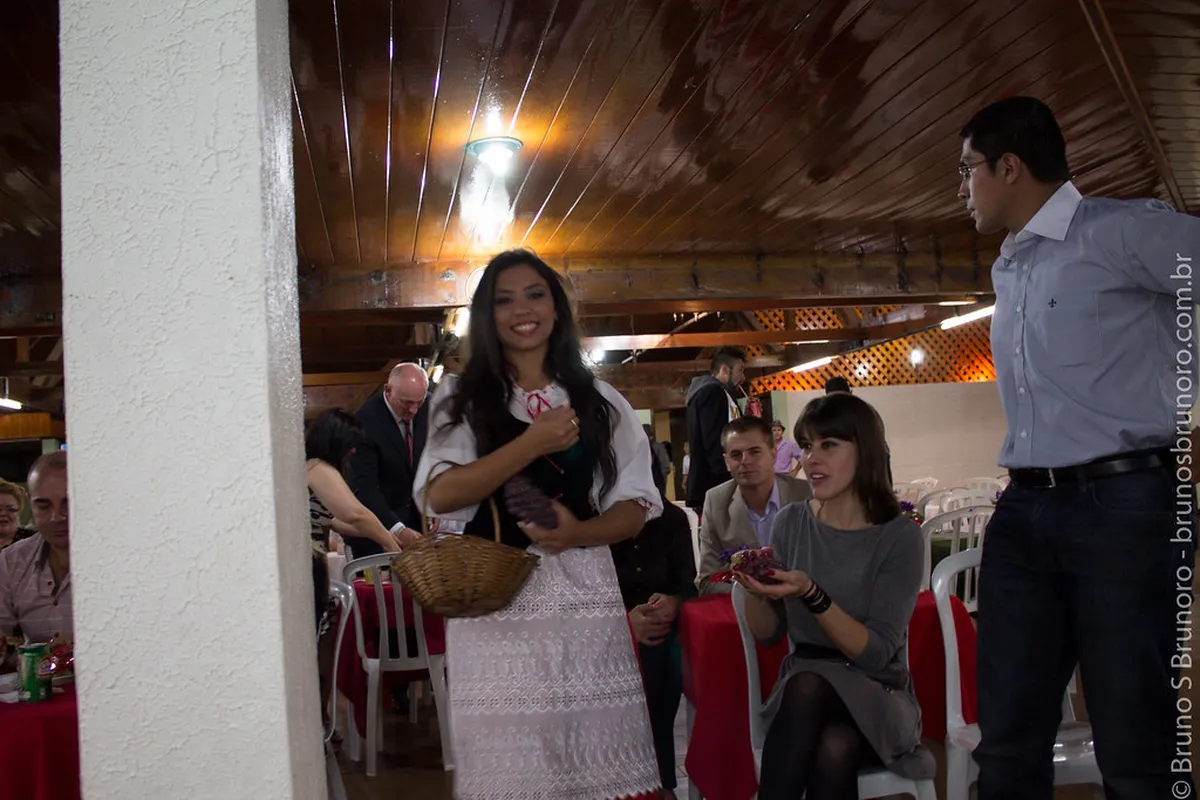
The Festas da Rainha Santa Isabel is Coimbra's defining summer celebration — a biennial religious and civic festival held only in even-numbered years with full processions. The 2026 edition takes place in early July and draws hundreds of thousands of visitors to the city. Hotels fill months in advance, so planning early is essential.
The festival honors Queen Saint Isabel, Coimbra's patron saint, who died on 4 July 1336. She was canonized in 1625, and the tradition of large processions dates back to that same century. The 2026 event follows the traditional format: a penitence procession followed by a solemn return procession, bracketed by ten days of concerts, exhibitions, and open-air fairs.
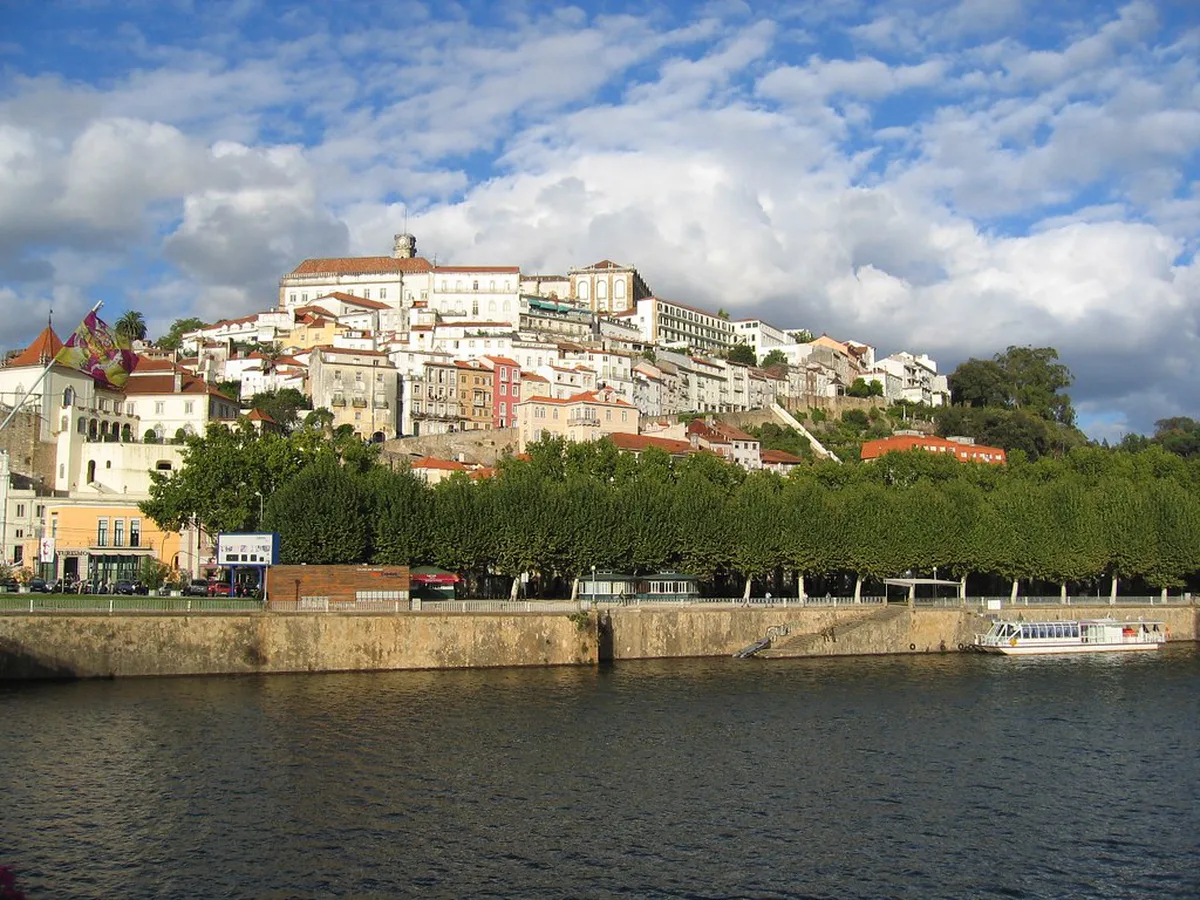
Coimbra is a compact historic city built on steep hills above the Mondego River. You can orient yourself with the the historic Old Town before diving into the festival schedule. The the full events calendar covers the full annual programme beyond just the Rainha Santa.
The Two Processions: What to Expect in 2026
The festival's centrepiece is its pair of processions. Based on the 2024 programme, the penitence procession (Procissão de Penitência) departs from the Igreja do Convento de Santa Clara-a-Nova on the Thursday evening — typically around 18:00 — and moves through the lower city to Largo da Portagem, where fireworks mark its arrival at around 22:30. This nocturnal walk is solemn and candlelit, and tens of thousands line the riverfront streets.
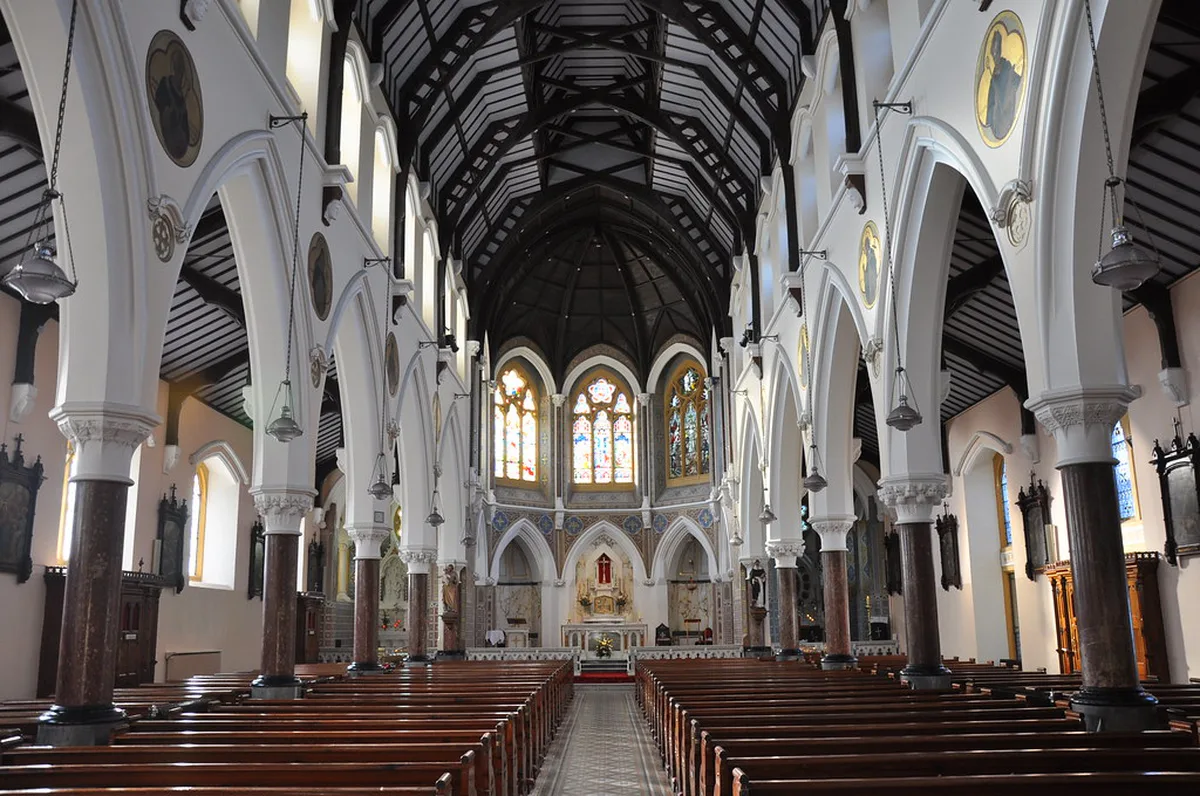
The solemn return procession happens on the following Sunday. The statue of the Rainha Santa, which has been on display at the Igreja do Mosteiro de Santa Cruz since Friday morning, is carried back across the city to the Convento de Santa Clara-a-Nova on the south bank. This daytime procession is larger, more ceremonial, and passes through the main commercial streets of the Baixa. The round trip — from the convent across the river to Santa Cruz and back — covers roughly 3 km each way.
Check the official rainhasantaisabel.org for confirmed 2026 dates as the municipality releases the detailed programme typically in May. In 2024 the statue was on public display at Santa Cruz from 12 to 14 July (08:00–20:00), with Masses at 09:00, 10:00, and 17:30 on Friday and Saturday. Expect a similar schedule for 2026.
The Route and Where to Watch
For the Thursday penitence procession, Largo da Portagem is the obvious gathering point — it is the riverfront square where fireworks launch and the crowd is thickest. Arrive by 21:30 to get a clear sightline. The procession travels along Rua Ferreira Borges through the pedestrian Baixa, so the stretch between Praça 8 de Maio and Largo da Portagem gives you the best views without the densest crush.
For the Sunday return procession, the upper city near Arco de Almedina and Quebra Costas offers elevated vantage points if you want to watch the column descend the steep historic lanes toward the Mondego. The procession then crosses the Santa Clara bridge to return to the convent. Standing on or near the bridge gives you a memorable view of the statue crossing the river.
Both processions close most central streets to traffic from mid-afternoon. Do not attempt to drive into the Baixa or park on the south bank near Santa Clara-a-Nova on either of those days. The bus network adjusts routes, and several stops move to the perimeter. Walking from the main train station (Coimbra B) takes about 25 minutes into the centre; a taxi from Coimbra B to the riverside takes 10 minutes outside procession hours.
Casamentos da Rainha Santa: The Festival Weddings
One of the most distinctive elements of the Festas is the Casamentos da Rainha Santa — a tradition in which selected couples get married during the festival under the patronage of the Confraria da Rainha Santa Isabel. In 2026 (an exceptional year), these ceremonies took place on 6 July in the Claustros do Mosteiro de Santa Clara-a-Nova. The 2026 edition is expected to follow a similar format.
The tradition reflects Queen Isabel's reputation as a peacemaker and model of family life. The Confraria, which has operated the ceremony since the 17th century, selects couples from the local community. Attendance as a spectator is free and open to all; the ceremony is conducted in Portuguese and typically lasts around 90 minutes in the convent's cloister.
The relic exhibitions are worth planning around. In 2026, the Queen's hand relic was displayed at Santa Clara-a-Nova from 17 June to 2 July. During the festival days themselves, the statue of the Rainha Santa is venerated at Santa Cruz Church with multiple Masses daily. Both venues ask for modest dress — shoulders covered and no shorts.
Cultural Programme: Concerts and the Popular Fair
The Festas da Cidade de Coimbra extends well beyond the religious processions. The municipality organises roughly ten days of free outdoor concerts at Jardim da Sereia (the main concert garden) and Parque Verde do Mondego, a riverside park north of the centre. In 2024 the headline acts at Jardim da Sereia included Tiago Bettencourt with the Orquestra Clássica do Centro on 4 July, Katia Guerreiro (fado) on 5 July, and Dino d'Santiago on 6 July — all free. For the full Coimbra events calendar, expect a similar calibre of programme for 2026.
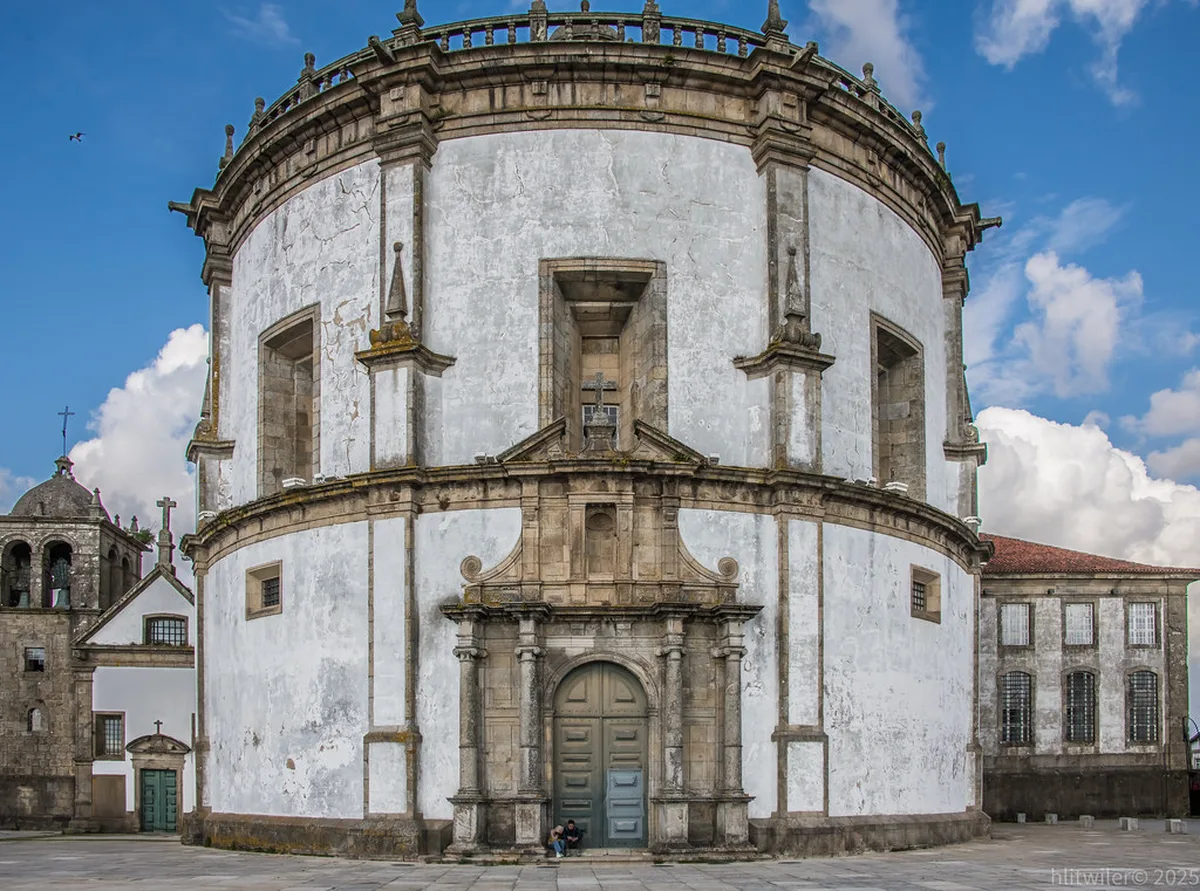
The Feira Popular runs every evening from around 17:00–02:00 at Praça da Canção, with fairground rides, grilled food stalls, and live music. Entry to the fairground itself is free; individual rides and food are paid. The street music festival Baixa o Som runs itinerant acts through the pedestrian centre during the day — brass bands, jazz combos, and folk groups moving between Largo da Portagem, Praça 8 de Maio, and Rua Ferreira Borges from about 11:00 to 19:00.
Museum access during the festival week is often extended. The Torre de Anto (fado and guitar museum) and Torre de Almedina (city history) both run from 10:00 to 18:00 daily during the festival; the Centro de Arte Contemporânea de Coimbra keeps the same hours. Entry to city museums is typically under 5 EUR, and the Confraria's guided visits to Santa Clara-a-Nova are available throughout the year.
The Biennial Pattern: Why 2026 Is the One to Attend
The Festas da Rainha Santa Isabel operates on a two-year cycle. Full processions only happen in even-numbered years. Odd years may see smaller commemorations — in 2026, for example, an exceptional celebration was held specifically to mark the 400th anniversary of Queen Isabel's canonization (1625–2026) and the 700th anniversary of her pilgrimage to Santiago de Compostela. That was a one-off; 2026 returns to the standard full biennial format with both processions, the Casamentos, and the complete civic programme.
This means the 2026 edition is the first standard full-scale biennial after the exceptional 2026 celebrations, and demand for accommodation will be high. Coimbra's hotel stock is limited relative to Lisbon or Porto. Properties within walking distance of the Baixa — particularly on the south bank near the Mondego and in the Bairro de Santa Cruz — book out by February for early July. Budget guesthouses in the university quarter (Alta) remain available longer but require the energy to manage the steep hills between your accommodation and the procession route.
If you arrive in an odd-numbered year hoping for the main processions, you will find a city that is pleasant but quiet by comparison. The festival experience — the river torches, the fireworks at Largo da Portagem, the statue crossing the bridge at dawn — only happens in full when the year ends in an even number.
Family and Budget Tips for the Festas
Most of the festival's headline events are free. Both main processions are free to watch from the street. The headline concerts at Jardim da Sereia are free. The Feira Popular is free to enter. The principal costs are accommodation, food, and any paid museum entries — plan around 8–15 EUR per person per day for admissions if you do the cultural programme seriously.
Families with children will find the Parque Verde do Mondego useful: it is flat, riverside, and hosts the inflatable festival (Festival de Insufláveis) in the second week, which is squarely aimed at children. The evening concerts there start earlier than the Jardim da Sereia programme — typically 21:30 — which is still late for small children by northern European standards but normal for Portuguese festival culture.
For the processions themselves, the Thursday night penitence walk is not well suited to strollers or very young children — the crowd density around Largo da Portagem is intense after 21:00 and the mood is devotional rather than festive. The Sunday return procession in daylight is easier to manage with children and offers more natural stopping points along the route. If your children tire, the side streets off Rua Ferreira Borges are navigable and parallel the main procession route.
- Book accommodation by February for early July stays — even-year demand is significantly higher than odd years
- Free events: both processions, all Jardim da Sereia and Parque Verde do Mondego concerts, Baixa o Som street music, Feira Popular entry
- Paid: opera at Convento São Francisco (around 10 EUR in 2024), some dramatized historic tours (advance booking required)
- Flat terrain for pushchairs: Parque Verde do Mondego and the Mondego riverfront between the two bridges
Practical Planning for the 2026 Dates
The 2026 full programme has not been officially published as of June 2026, but based on the consistent biennial pattern the main processions are expected in the second week of July — the penitence procession on a Thursday and the solemn return the following Sunday. In 2024 the procession Thursday was 11 July and the return Sunday was 14 July. In 2026 the equivalent dates would fall around 9–12 July. Confirm at rainhasantaisabel.org or the Câmara Municipal de Coimbra website (cm-coimbra.pt) once the programme is released.
Coimbra sits 45 minutes south of Porto by Alfa Pendular train (from about 10 EUR) and two hours north of Lisbon (from about 15 EUR). The main station, Coimbra B, is served by intercity trains; the central station, Coimbra A, is a short shuttle ride away and closer to the festival zone. During festival week the trains are busy — book tickets in advance via CP (comboios.pt) to avoid standing on a busy July train.
July daytime temperatures in Coimbra regularly reach 30–32°C. The limestone streets absorb heat, and the steep climbs between the lower and upper city are demanding in the afternoon. Schedule any uphill walking (to the university, the old cathedral, or the Alta) before 11:00 or after 18:00, and carry water. The evening processions and concerts, starting around 21:30, are far more comfortable in temperature terms.
Frequently Asked Questions
Is Festas da Rainha Santa Isabel Coimbra 2026 worth visiting?
Yes, the festival is a rare and beautiful cultural event. It only happens every two years in full. The processions and street decorations create a magical atmosphere for all visitors.
When is the cheapest time to visit Coimbra?
The winter months from November to February offer the lowest prices. You will find great deals on hotels and flights. However, be prepared for more rain and cooler weather during this time.
What should I avoid during the 2026 festival?
Avoid driving your car into the city centre during the main processions. Many streets are closed to traffic and parking is impossible. Use public transport or walk from the outskirts instead.
The Festas da Rainha Santa Isabel Coimbra 2026 is a once-every-two-years event that fills the city in a way no other Portuguese summer festival quite matches. The combination of candlelit religious processions, free riverside concerts, the Casamentos ceremony, and ten days of open-air culture gives it both devotional depth and broad appeal. Book your accommodation now, confirm the official dates at rainhasantaisabel.org by spring 2026, and plan to be at Largo da Portagem on the Thursday evening for the fireworks.