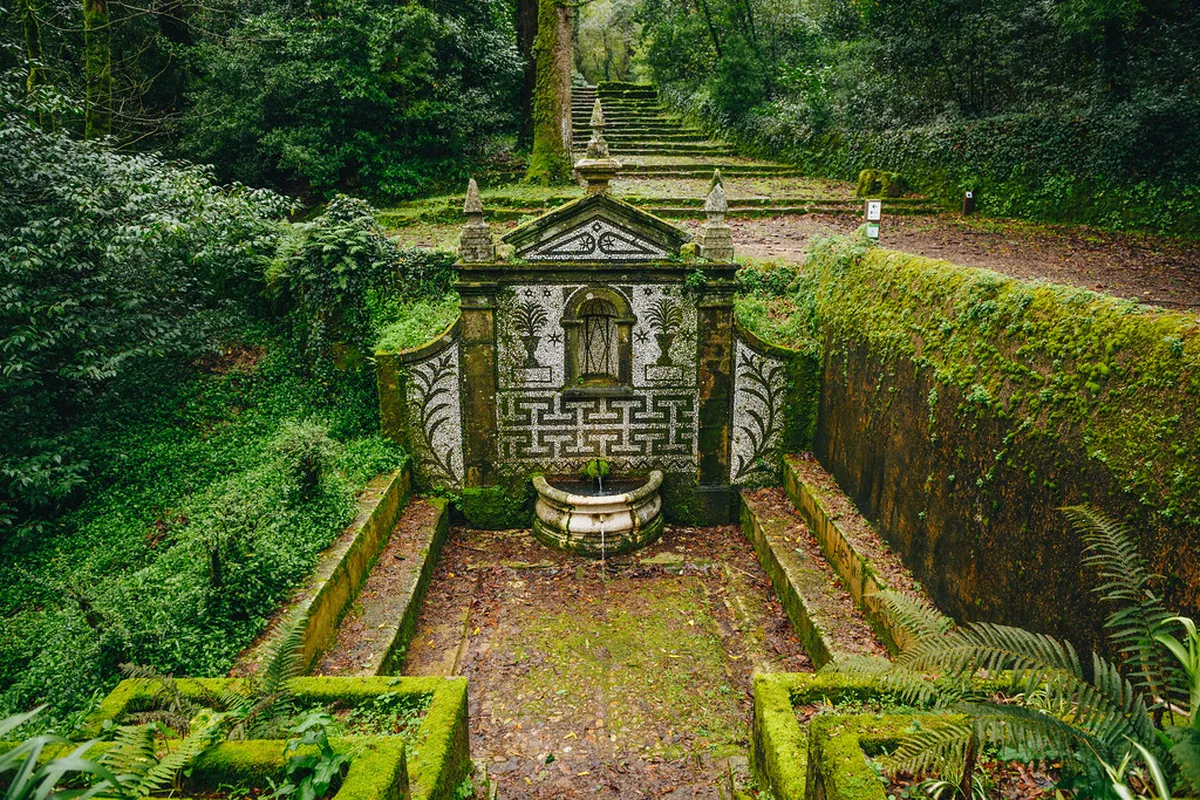
Coimbra Medieval Architecture & History Guide 2026
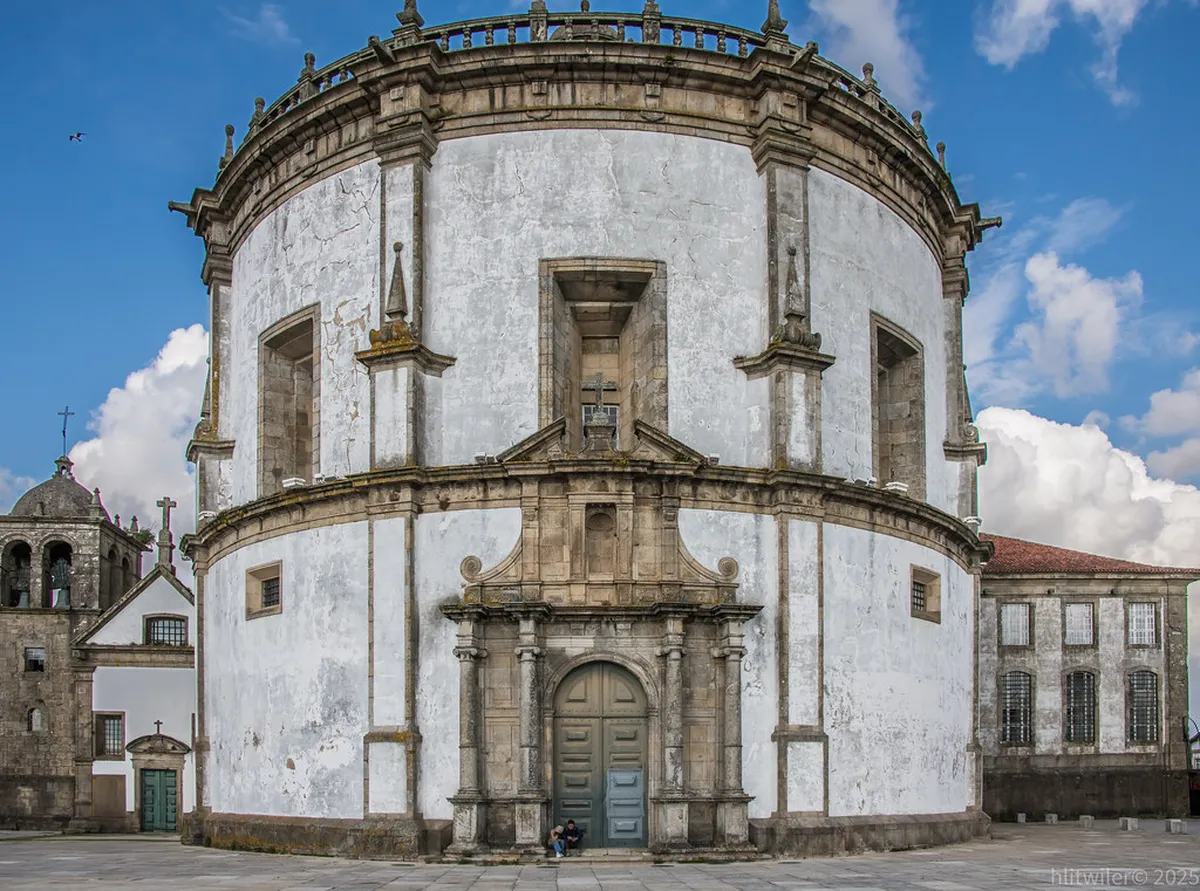
Table of Contents
Coimbra, Portugal, holds a deep medieval past. Its Coimbra medieval architecture tells many stories. This guide explores the city's rich history. We uncover ancient buildings and their enduring legacy. Plan your visit in 2026 to experience this heritage.
The Enduring Legacy of Coimbra's Se Velha (Old Cathedral)
Coimbra's Sé Velha stands as a Romanesque masterpiece. Construction began in 1139 after the Reconquista. It reflects a fortress-like design, typical of its era. This robust structure protected worshippers during turbulent times.
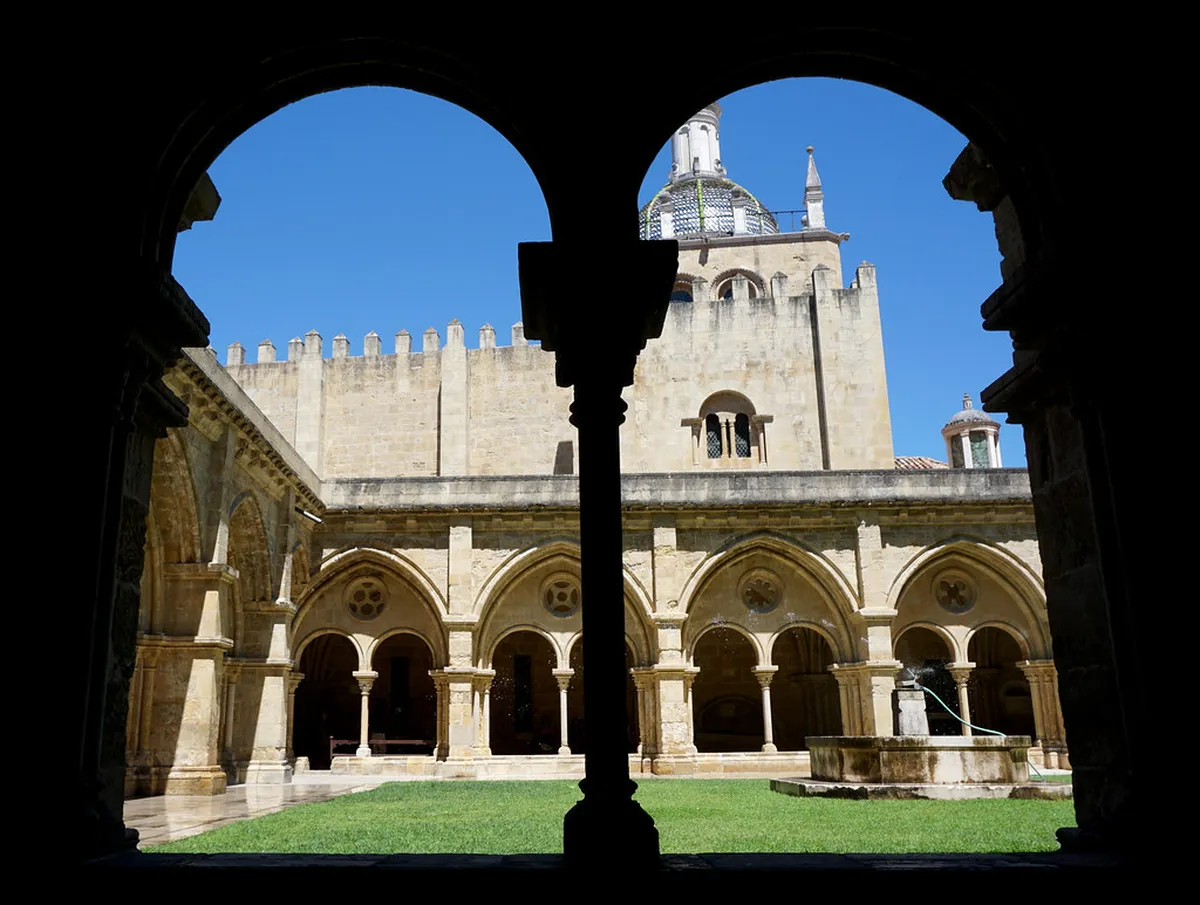
Its exterior features thick walls and narrow windows. The main portal boasts intricate carvings. You can admire geometric patterns and plant motifs. These details showcase skilled medieval craftsmanship. Visiting Sé Velha offers a glimpse into Coimbra's past.
Inside, the cloister is a peaceful sanctuary. It was built between 1218 and 1228. This Gothic-style addition provides a striking contrast. It is one of Portugal's oldest Gothic cloisters. Consider the entrance fee of €2.50 in 2026.
Sé Velha charges a €2.50 entrance fee in 2026. The Gothic cloister, built between 1218 and 1228, is one of Portugal's oldest — budget extra time to linger here before moving on to the nave.
The cathedral served as a crucial religious center. It witnessed royal coronations and significant events. Its architecture perfectly blends defensive strength with spiritual artistry. Exploring Sé Velha is essential for understanding Coimbra's medieval history.
Uncovering Coimbra's Ancient University Hill
The University of Coimbra sits atop Alta, the highest point. This area holds deep medieval roots. Originally, a royal palace stood here. King D. Dinis founded the university in 1290. Its relocation to Coimbra in 1537 shaped the city.
While many buildings are later additions, the site's history is medieval. The Joanina Library's foundations are ancient. Explore the historic University Hill courtyards. The Tower of the University offers panoramic views.
The old university precinct retains a timeless feel. Walk through its grand archways and courtyards. Imagine students from centuries past. This hill remains a symbol of Portuguese learning. It continues to inspire visitors today.
The Royal Palace of Alcáçova once occupied this space. It was adapted for university use. Today, you can explore academic halls and chapels. The atmosphere truly transports you back in time. Discover its unique blend of history and education.
Wandering Coimbra's Historic Medieval Streets
Beyond the grand buildings, Coimbra's streets tell tales. The Baixa district retains much of its medieval layout. Narrow, winding alleys invite exploration. These lanes once buzzed with artisans and merchants. They offer a tangible connection to the past.
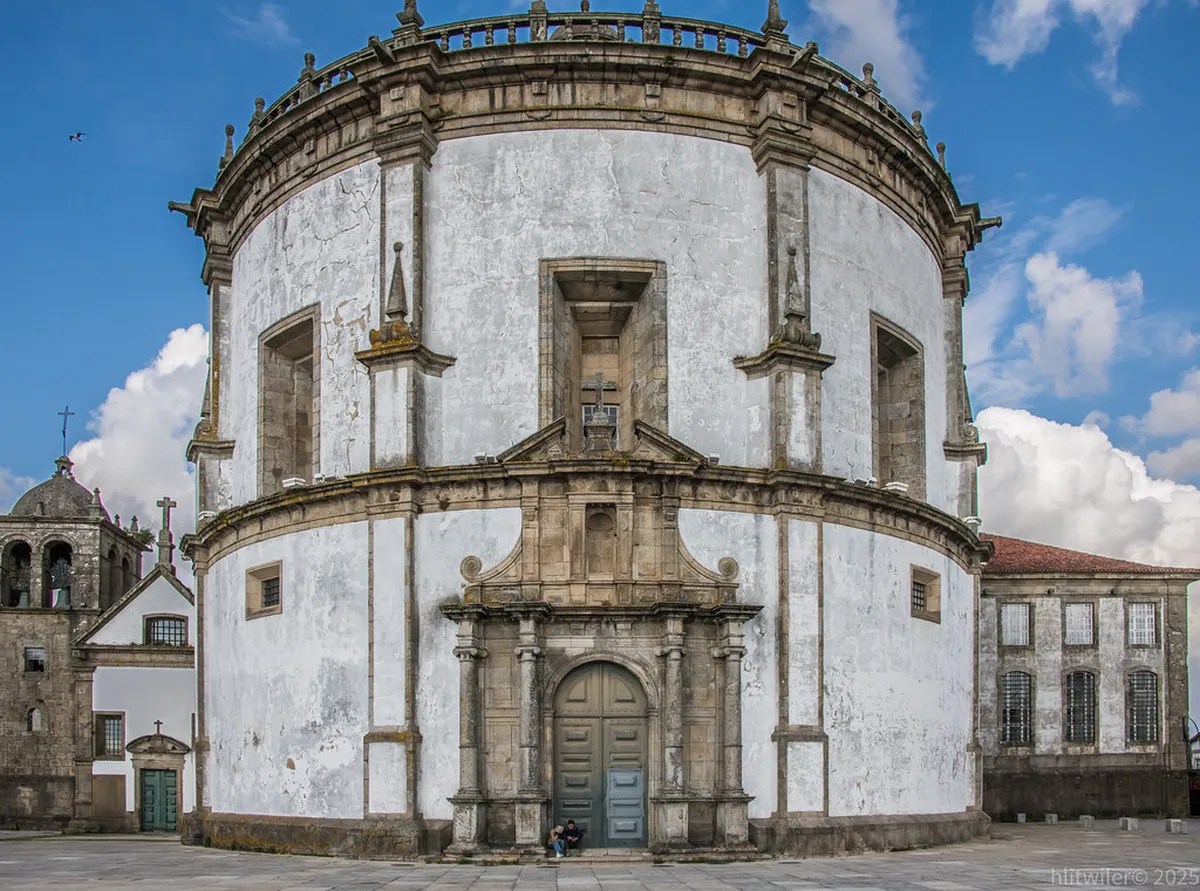
The Jewish Quarter, Judiaria, is a highlight. Its cobblestone paths snake through ancient buildings. Look for subtle signs of its former inhabitants. This area provides a unique perspective. It showcases a diverse part of Coimbra medieval streets.
Strolling through these hidden passages is rewarding. Discover small chapels and historic doorways. Many buildings feature traditional tile work. The low archways and stone facades are characteristic. These walks are a journey through time.
The best way to experience them is on foot. Wear comfortable shoes for the inclines. Many streets lead to charming squares. Enjoy a coffee and soak in the atmosphere. This personal exploration reveals hidden gems.
Coimbra's medieval streets — especially in the Baixa and Jewish Quarter — are steep and heavily cobblestoned. Avoid smooth-soled shoes; the inclines can be slippery, particularly after rain.
Beyond the Cathedral: Other Medieval Gems
Coimbra offers more than just the Old Cathedral. The Santa Cruz Monastery is another key site. King Afonso Henriques is buried here. Its origins date back to the 12th century. The church features beautiful Manueline architecture.
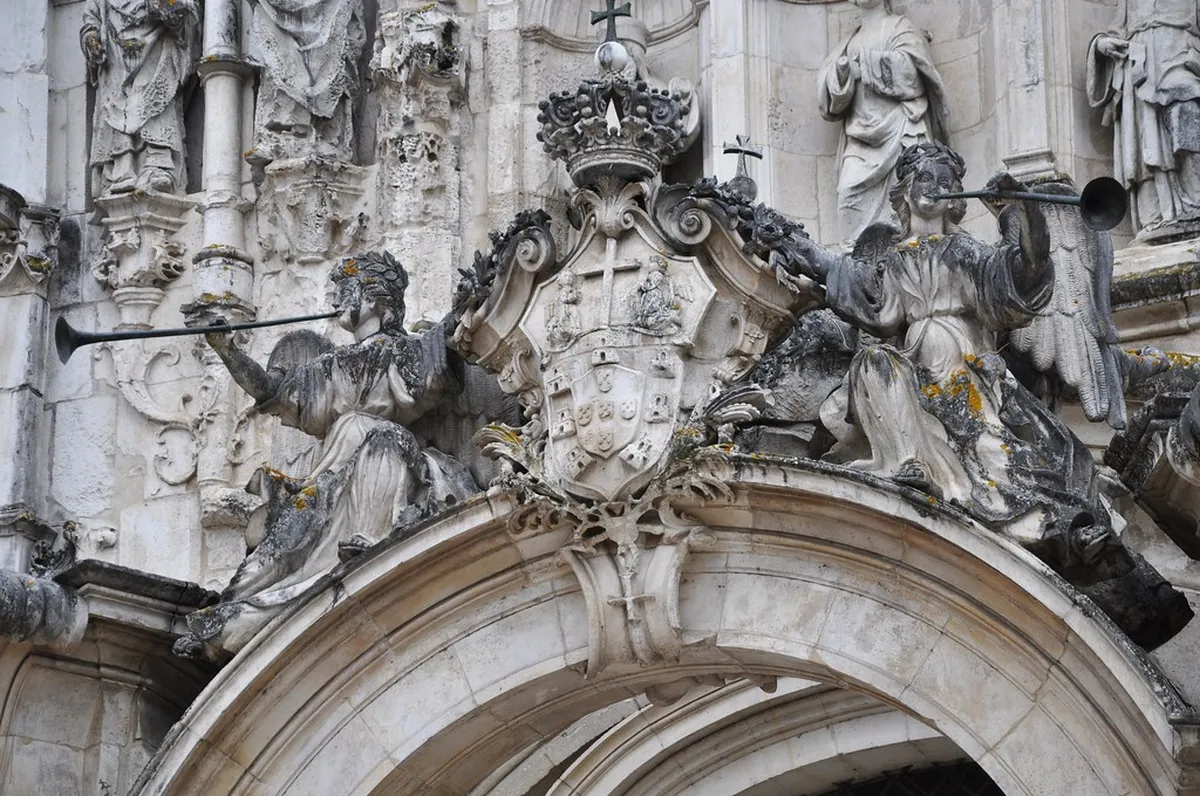
While the current façade is later, its core is medieval. Explore the Chapter House and its cloisters. They offer stunning examples of monastic life. The intricate carvings are truly remarkable. Plan about 1-2 hours for your visit.
Also, seek out remnants of the old city walls. Portions of the Muralhas de Coimbra still stand. These defensive structures protected the city. They highlight Coimbra's strategic importance. Imagine medieval guards patrolling these very walls.
The Igreja de São Tiago, in Baixa, is another medieval church. It has a simpler Romanesque style. Its humble presence reflects local life. It's a testament to the city's rich religious heritage. Discover these hidden historical treasures.
| Site | Origin | Style | Highlight | Suggested Visit |
|---|---|---|---|---|
| Sé Velha (Old Cathedral) | 1139 | Romanesque | Oldest Gothic cloister in Portugal; €2.50 entry | 1–1.5 hours |
| University Hill (Alta) | Founded 1290 | Mixed eras (medieval core) | Royal Palace of Alcáçova; panoramic Tower views | 1.5–2 hours |
| Mosteiro de Santa Cruz | 12th century | Manueline (medieval core) | Tomb of King Afonso Henriques; Chapter House cloisters | 1–2 hours |
| Judiaria (Jewish Quarter) | Medieval | Historic streetscape | Cobblestone lanes; traces of the former Jewish community | 30–45 min |
| Igreja de São Tiago | Medieval | Romanesque | Simple façade; authentic neighbourhood church in Baixa | 15–20 min |
| Muralhas de Coimbra (City Walls) | Medieval | Defensive fortification | Standing remnants illustrating the city's strategic past | 20–30 min |
Frequently Asked Questions
What is the main medieval attraction in Coimbra?
The Sé Velha, or Old Cathedral, is Coimbra's primary medieval attraction. It's a magnificent example of Romanesque architecture. Its fortress-like design stands out. You can explore its ancient cloister and nave. This site is a must-see for history lovers.
Are there any specific tours for Coimbra medieval architecture?
Yes, several local companies offer walking tours. They often focus on the historic center. These tours highlight medieval landmarks. Look for guides specializing in Coimbra's history and architecture. They provide excellent insights into the past.
Can you walk Coimbra's medieval streets easily?
Coimbra's medieval streets are very walkable. However, they are often steep and cobblestoned. Wear comfortable shoes for exploration. The Baixa and Alta districts are best explored on foot. Prepare for some uphill climbs for the best views.
Coimbra offers a captivating journey through medieval times. Its ancient architecture tells powerful stories. From the imposing Sé Velha to winding historic streets, history comes alive. Plan your 2026 visit to immerse yourself in this rich heritage. Discover the soul of old Portugal.
Key Takeaways
- Visit Sé Velha for an impressive Romanesque experience.
- Explore University Hill to trace Coimbra's academic and royal past.
- Wander the Baixa and Jewish Quarter for authentic medieval streetscapes.
Continue exploring Coimbra's historic quarter
 Explore Coimbra's Medieval Streets in 2026December 11, 2025
 Discover the Best Medieval Streets to Walk in CoimbraDecember 10, 2025
- Coimbra Medieval Architecture & History Guide 2026December 10, 2025
 Aveiro Day Trip from Coimbra: 2026 GuideJune 6, 2026