Coimbra's Ancient Walls: Explore Muralhas do Coimbra
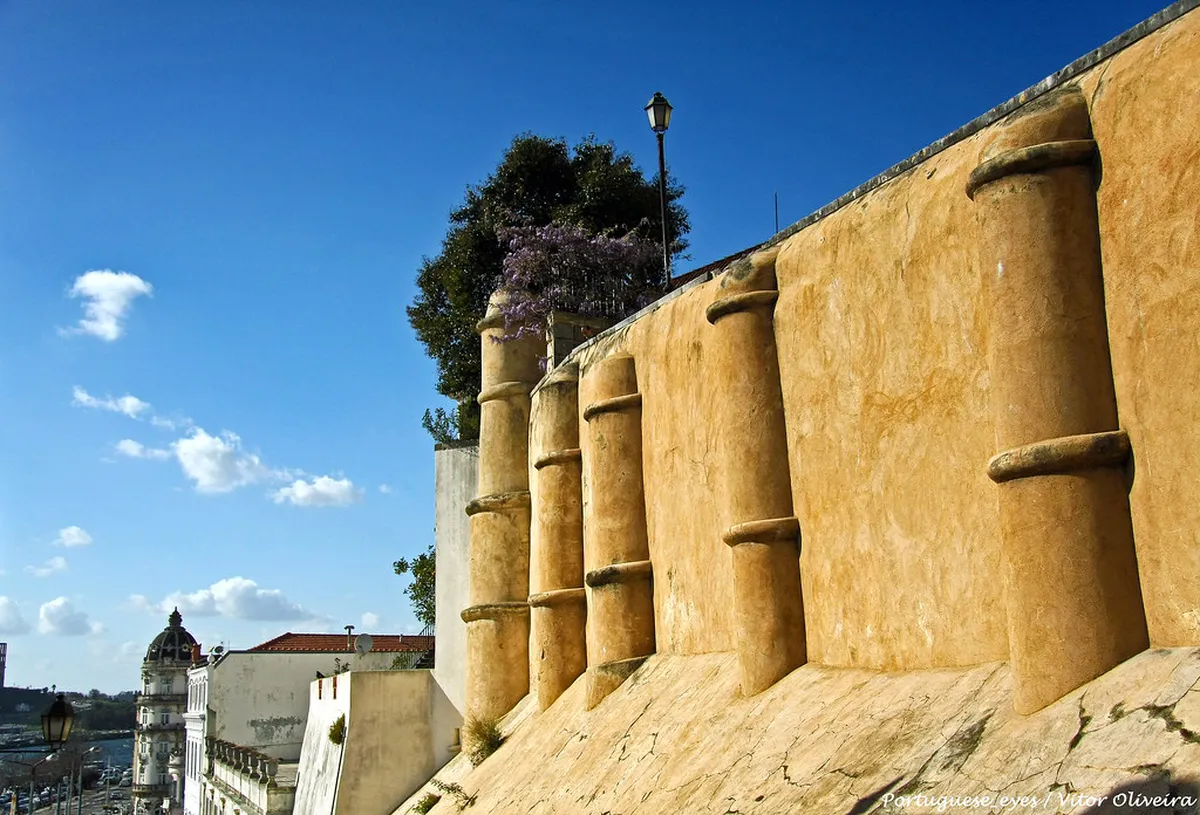
Table of Contents
Coimbra, Portugal, boasts a rich and storied past. Its ancient defenses, known as the Muralhas do Coimbra, tell a captivating tale. These historic walls once protected the city's inhabitants. Exploring them offers a unique glimpse into medieval life. This guide will help you discover their enduring legacy.
The Enduring Legacy of Coimbra's Ancient Walls
The history of Coimbra's fortifications spans centuries. Roman settlements first established defensive structures. These early walls provided crucial protection. They evolved significantly over time.

During the medieval period, the city's importance grew. Kings and rulers strengthened the existing defenses. The Muralhas do Coimbra became a formidable barrier. They protected against various invasions. Their construction used durable local stone.
Coimbra's strategic hilltop position demanded strong defenses. The city served as Portugal's capital for many years. Its walls were key to its survival. They witnessed many pivotal historical moments. Understanding their past enhances your visit.
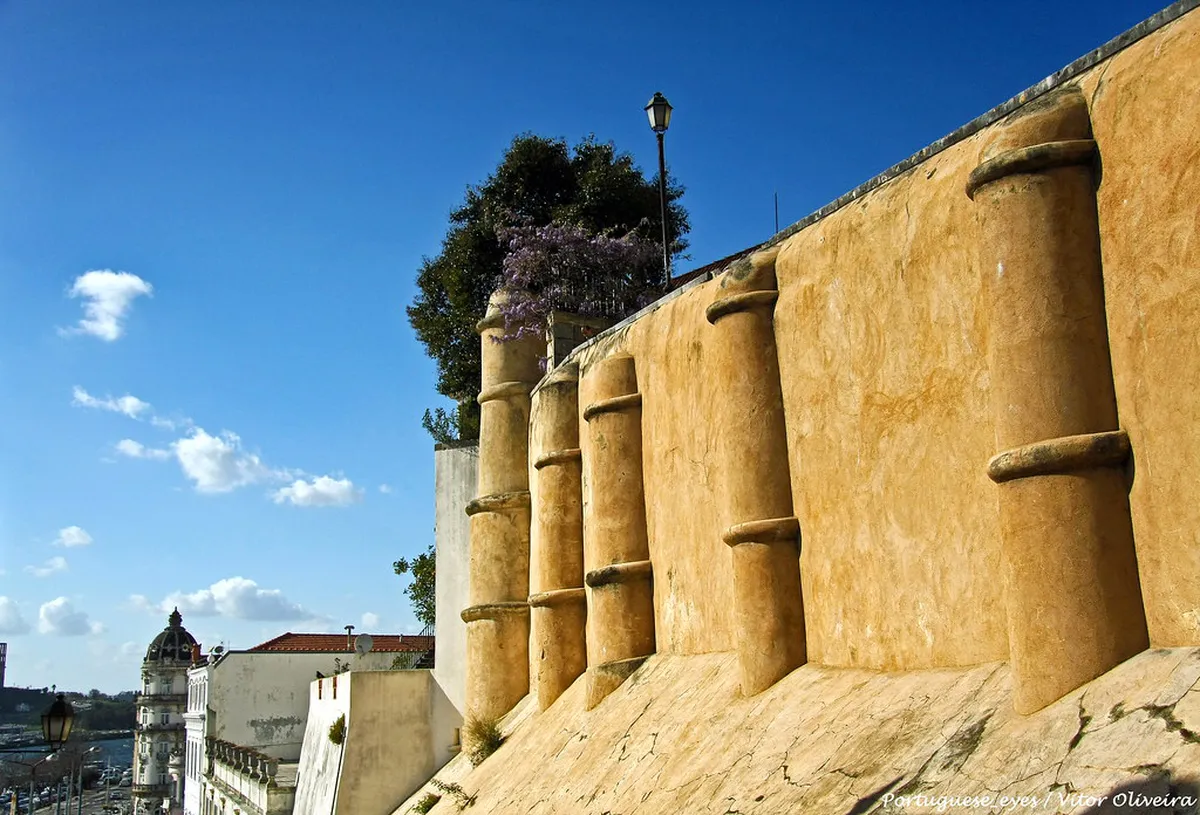
Much of the original circuit no longer stands today. However, significant remnants remain visible. These fragments offer insight into past architectural prowess. They serve as a tangible link to Coimbra's heritage. Learn more about the historical significance of Coimbra's walls.
Today, these ancient walls blend into the urban landscape. They stand as silent witnesses to history. Preserving them is vital for future generations. Their stories are woven into the city's fabric. Discovering them is a true adventure for 2026 travelers.
Key Remaining Sections of the Muralhas do Coimbra
While not fully intact, several notable sections survive. These offer excellent opportunities for exploration. Finding them requires a keen eye. Look for them woven into existing buildings.
The Porta da Almedina is a prime example. This ancient gate was a main entry point. It stands proudly near the Baixa Coimbra district. The archway showcases impressive medieval stonework. It remains a popular landmark for visitors.
Near the Old Cathedral (Sé Velha), you can spot more fragments. These sections are integrated into nearby houses. They show how the city grew around its defenses. Walk the narrow medieval streets to discover them.
Another important section lies near Torre de Anto. This medieval tower was part of the wall system. It now houses a small craft shop. You can often see historical exhibits there. The tower provides a sense of the wall's scale.
The University Hill area also holds important pieces. These sections formed part of the Upper Town defenses. They offered panoramic views. These strategic points protected the city's intellectual heart. Visitors can still appreciate their placement.
Exploring these remnants is like a treasure hunt. Each piece tells a story of resistance and resilience. Take your time to appreciate the details. Imagine the history they have witnessed across centuries.
Guided walking tours of the Muralhas do Coimbra typically cost €15–€25 per person and run several times daily. Spring (March–May) and fall (September–November) offer milder weather and fewer crowds — the best seasons to explore Coimbra's historic walls comfortably.
Tracing Coimbra's Old City Walls: A Walking Route
Discovering the Muralhas do Coimbra is best done on foot. A self-guided walking tour is highly recommended. Allocate 2-3 hours for a comprehensive exploration. Wear comfortable shoes for uneven terrain.
Begin your journey at the iconic Porta da Almedina. This impressive gate marks a key starting point. Its robust structure highlights medieval engineering. It connects the lower Baixa to the upper city.
From here, ascend towards the Alta Coimbra district. You will encounter remnants along the way. Many sections are incorporated into historic buildings. Look closely at the stone foundations. These indicate the wall's original path.
Continue towards the Sé Velha (Old Cathedral). Parts of the wall are visible there. Explore the surrounding narrow alleyways. They reveal more hidden sections. Use a reliable map for navigation in 2026.
Proceed to the University of Coimbra grounds. The higher parts of the city walls protected this area. Enjoy the historic Coimbra viewpoints from here. They offer stunning vistas of the city and river.
Consider joining a guided tour for deeper insights. Many local guides offer historical walks. They provide fascinating stories and facts. This enhances your understanding of the fortifications. Guided tours typically cost €15-€25 per person and run several times daily.
| Stop | Landmark | What to See | Notes |
|---|---|---|---|
| 1 | Porta da Almedina | Medieval gateway arch with imposing stonework | Starting point; freely accessible at all times |
| 2 | Alta District streets | Wall fragments embedded in historic building foundations | Look closely at stone bases along the ascent |
| 3 | Sé Velha (Old Cathedral) | Visible wall sections integrated into surrounding houses | Explore narrow alleyways nearby |
| 4 | Torre de Anto | Medieval tower that formed part of the wall circuit | Now houses a craft shop; historical exhibits inside |
| 5 | University of Coimbra grounds | Upper Town defensive wall sections with panoramic views | Combine with University visit; enjoy city and river vistas |
The Strategic Importance of Coimbra's Fortifications
The Muralhas do Coimbra played a crucial role. They served as a vital defensive system. Coimbra's strategic location demanded strong protection. It sat on a prominent hill overlooking the Mondego River.
These walls defended against numerous sieges. Moorish invasions were a constant threat. The city's position made it a valuable prize. Its fortifications were frequently tested.
The walls also controlled access to the city. Goods and people passed through its gates. This allowed for taxation and security checks. They were essential for economic stability. The walls shaped Coimbra's early urban development.
Beyond defense, the walls represented power. They symbolized the city's sovereignty. They projected strength to rivals. Their construction was a significant undertaking. The walls were a testament to medieval engineering.
By the 16th century, the walls lost some importance. New warfare technologies made them less effective. However, they retained cultural significance. Many parts were integrated into new buildings. This preserved them for centuries to come.
Planning Your Visit to Coimbra's Historic Walls in 2026
Visiting Coimbra's ancient walls is a rewarding experience. Plan your trip for spring or fall. The weather is milder, and crowds are smaller. Summer can be hot and very busy.
Coimbra's wall route passes through steep hills and cobbled medieval streets, which can be challenging for visitors with mobility issues. Access to fragments near the Torre de Anto and the Sé Velha involves uneven terrain — sturdy footwear is essential and some sections may not be suitable for wheelchairs or pushchairs.
Wear comfortable walking shoes. Coimbra features many steep hills and cobbled streets. Hydration is also important during your exploration. Bring a refillable water bottle.
Many sections are freely accessible at any time. The Porta da Almedina is always open. Other fragments are within public spaces. Some private properties incorporate wall sections. Respect private boundaries when exploring.
Consider combining your wall exploration with other sites. The nearby Sé Velha and University are excellent choices. Allow ample time for each attraction. A full day is ideal for the historic center. Check opening times for specific sites in 2026.
Local businesses offer maps and information. Tourist offices can provide guidance. They often highlight key historical points. Engaging with locals can also reveal hidden gems. Enjoy immersing yourself in Coimbra's rich history.
Frequently Asked Questions
What is the best way to experience the ancient Coimbra city walls?
The best way to see the ancient Coimbra city walls is on foot. A self-guided walk allows you to explore at your own pace. Guided walking tours offer historical context. Many start near the Porta da Almedina.
Are the Muralhas do Coimbra accessible for all visitors?
Some sections of the Muralhas do Coimbra are easily accessible. The Porta da Almedina is street level. Other fragments are within hilly, cobbled areas. Access might be challenging for those with mobility issues. Always check specific locations beforehand.
What other historic sites are near Coimbra's old city walls?
Many historic sites are close to Coimbra's old city walls. The Sé Velha (Old Cathedral) is a short walk away. The historic Coimbra Old Town is also nearby. You can also visit the University of Coimbra. These sites offer a full day of exploration.
Exploring the Muralhas do Coimbra connects you with history. These ancient walls tell tales of resilience and defense. They are a must-see for history enthusiasts in 2026. Plan your visit to uncover Coimbra's captivating past. Discover more about visiting Coimbra's old city walls.
Key Takeaways
- Seek out the Porta da Almedina for a grand start.
- Walk the medieval streets to find hidden wall fragments.
- Combine your visit with other historic Coimbra attractions.
Continue exploring Coimbra's historic quarter
- Coimbra's Ancient Walls: Explore Muralhas do CoimbraDecember 12, 2025
 Discover Coimbra's Ancient Walls: Historical SignificanceDecember 11, 2025
 Visiting Coimbra Old City Walls: A 2026 GuideDecember 10, 2025
 Aveiro Day Trip from Coimbra: 2026 GuideJune 6, 2026