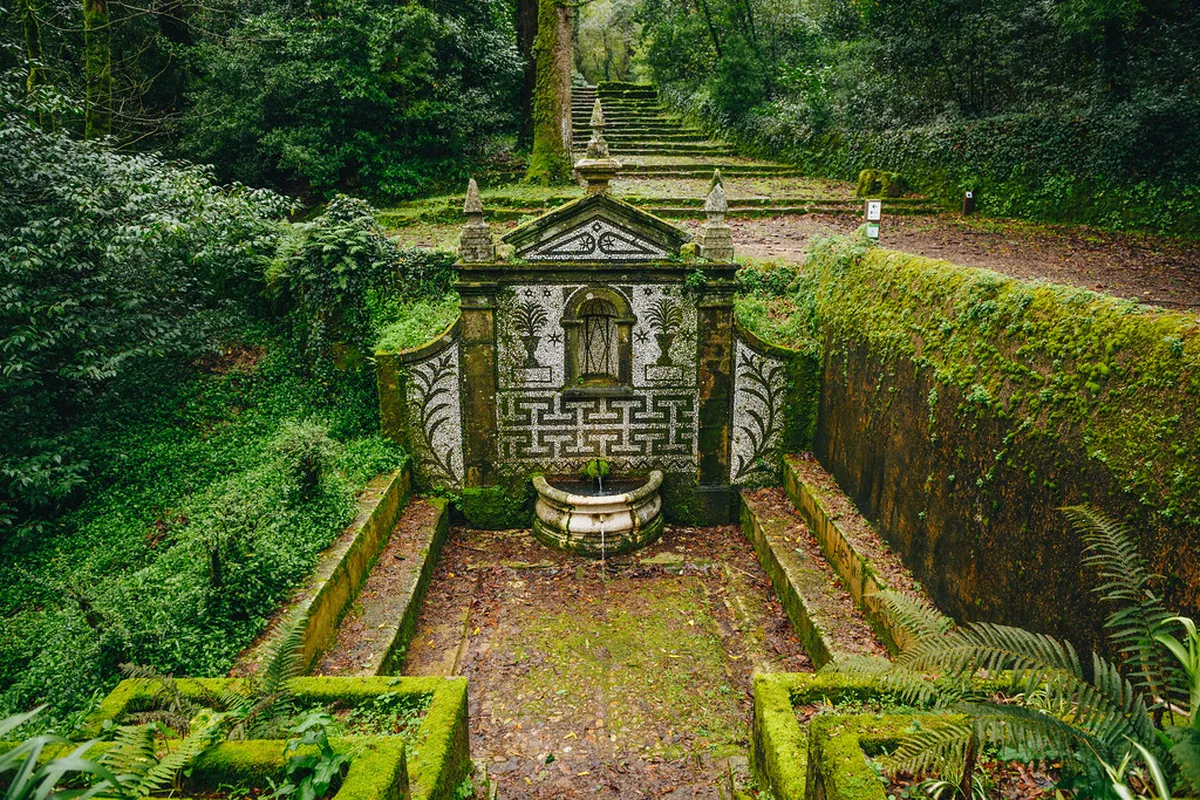
Discover Coimbra's Ancient Walls: Historical Significance
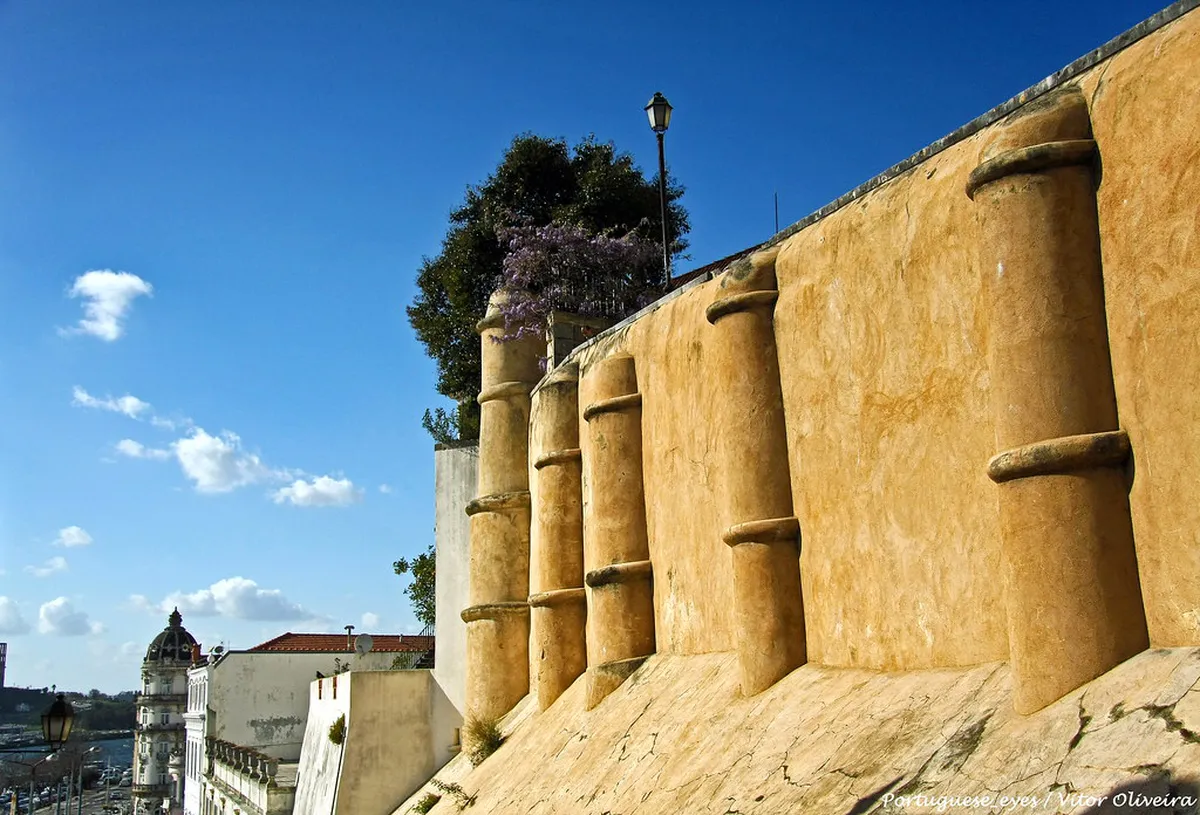
Table of Contents
Coimbra, Portugal, boasts a rich and layered history. Its ancient city walls, known as Muralhas do Coimbra, stand as powerful testaments to this past. Understanding the Muralhas do Coimbra historical significance offers a deeper appreciation.
These walls guarded the city through various eras. From Roman foundations to medieval strongholds, the fortifications tell a story. They protected Coimbra's inhabitants for centuries. Exploring these remnants reveals vital chapters of Portuguese heritage.
From Roman Origins to Early Defenses
The history of Coimbra's walls begins with the Roman presence. Ancient settlements utilized natural high ground for protection. Early Roman fortifications established the city's defensive perimeter. These initial structures formed the very first lines of defense.
Archaeological evidence confirms these Roman foundations. Parts of the original wall incorporated into later constructions. This shows a continuous defensive use of the site. They highlight the Muralhas do Coimbra historical significance from ancient times.
As the Roman Empire declined, the city faced new threats. Visigothic and Moorish invasions shaped the need for stronger defenses. The early walls adapted to these changing political landscapes. They served as vital protectors of the populace.
Medieval Expansion and Strategic Importance
The medieval period saw significant expansion of the Muralhas do Coimbra. After the Christian reconquest, Coimbra became a key city. Its location on the Mondego River was highly strategic. Kings invested heavily in reinforcing its fortifications.
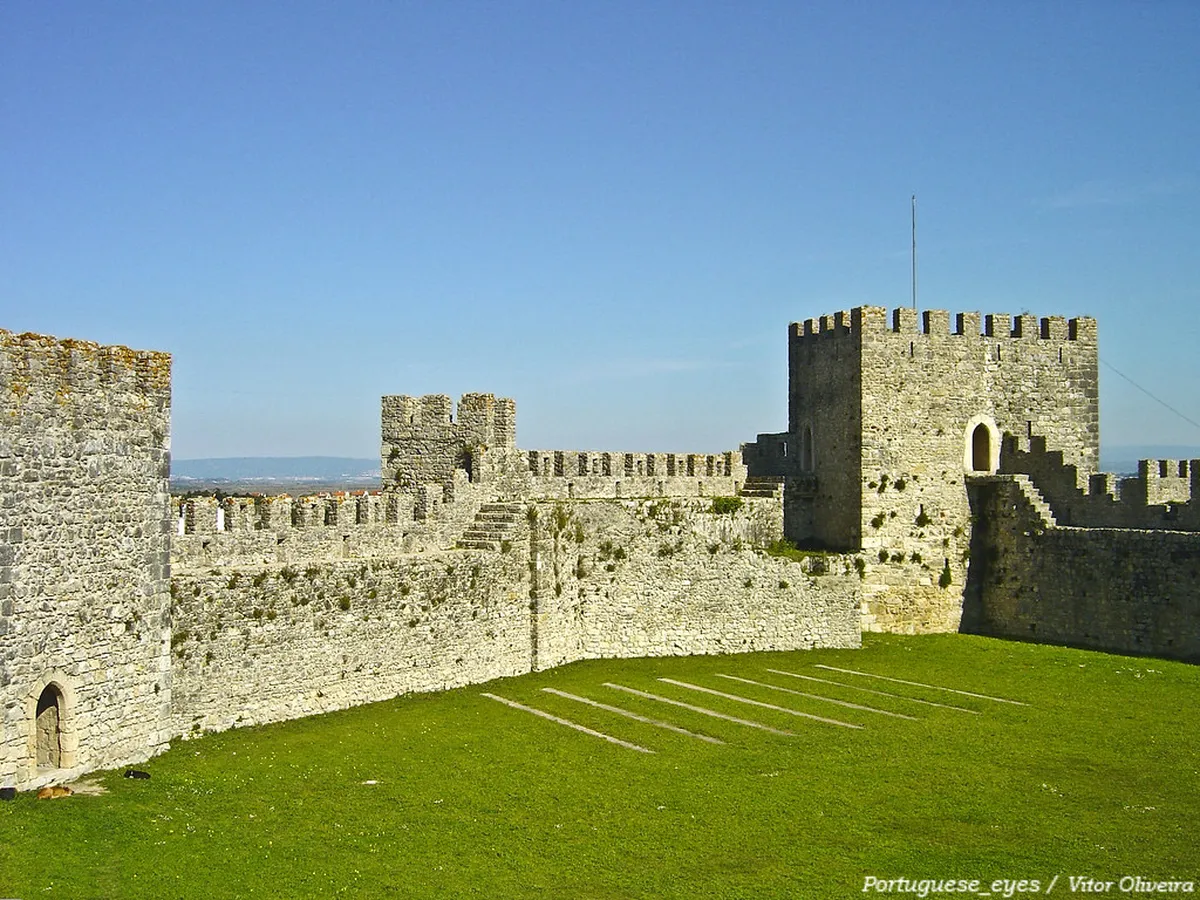
New towers and gates were added during this era. The city walls grew stronger and more extensive. They protected the burgeoning population and important institutions. The University of Coimbra later thrived behind these defenses.
These fortified walls were not merely defensive structures. They also symbolized Coimbra's power and autonomy. They marked the boundary between the city and the outside world. Many segments still remind us of this impressive medieval feat. You can find more details about these historical structures at Muralhas do Coimbra.
The Royal City's Protective Embrace
Coimbra served as Portugal's capital for over a century. During this time, the historical significance of Coimbra's walls was paramount. They safeguarded the monarchy and its court. Many important historical events unfolded within their protected confines.
The walls protected royal residences and key government buildings. They allowed the city to flourish culturally and politically. The defense provided a stable environment for growth. This era solidified Coimbra's place in national history.
Even after the capital moved, the walls remained vital. They continued to defend against local skirmishes and invasions. Their enduring presence shaped the city's urban development. Much of Coimbra's historic layout owes to these ancient barriers.
Architectural Elements and Enduring Legacy
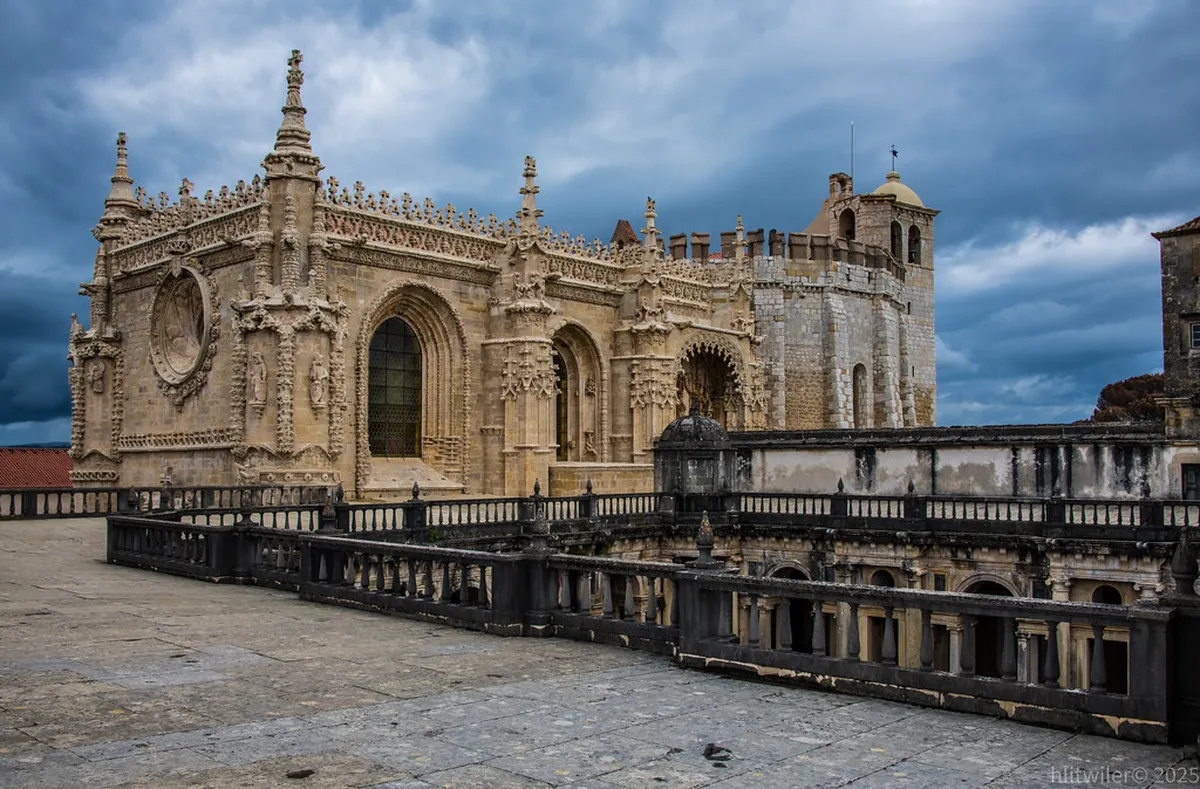
The Muralhas do Coimbra showcase diverse architectural styles. Romanesque elements blend with later Gothic additions. Stone masonry varies across different sections of the walls. Each section reflects a distinct period of construction.
Notable features include watchtowers and fortified gates. The Porta de Almedina is a particularly famous example. These gates controlled access and regulated trade. They also served as important defensive strongholds.
Today, only fragments of the original walls remain. Yet, these remnants are deeply integrated into the city's fabric. They form part of historical buildings and modern structures. Exploring them offers a unique glimpse into Coimbra's past.
Access to most sections of the Muralhas do Coimbra is free — no entrance fee is required. Plan for 1–2 hours to walk the main visible parts, starting near the Porta de Almedina.
Experiencing the Walls in 2026
Visiting the Muralhas do Coimbra in 2026 is a truly immersive experience. Several sections are accessible to the public. You can walk along parts of the ancient fortifications. Discover hidden alleys and charming viewpoints nearby.
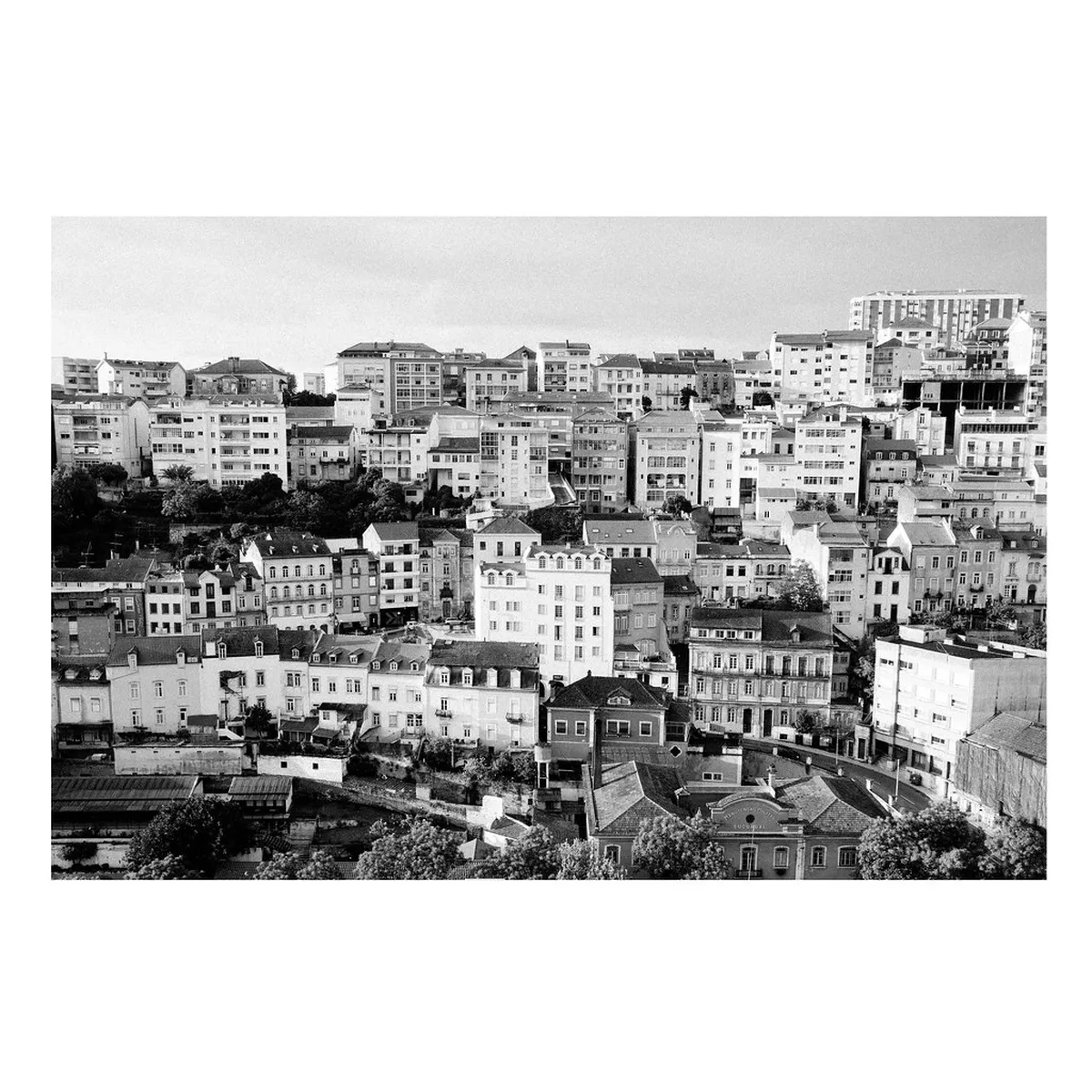
Start your exploration near the Porta de Almedina. This area provides excellent access points. Look for interpretive signs offering historical context. Many guided tours also include segments of the walls.
There is no specific entrance fee for most wall sections. Access is generally free as they are integrated into the city. Allow 1-2 hours to truly appreciate the main visible parts. Wear comfortable shoes for walking on cobblestones.
Consider visiting during spring or fall for pleasant weather. The cooler temperatures make walking more enjoyable. Always check local opening times for specific historical sites. Some smaller sections might have limited access.
The old town streets around the walls are paved with uneven cobblestones. Wear comfortable, sturdy shoes — heels or flat-soled sandals can make the walk uncomfortable and increase the risk of slipping.
Frequently Asked Questions
What is the primary historical significance of Coimbra's walls?
The Muralhas do Coimbra symbolize centuries of protection and power. They trace the city's evolution from Roman times through the medieval period. These walls underscore Coimbra's strategic importance as a royal capital. Their historical significance is immense, representing a tangible link to Portugal's rich past.
Can I walk along the entire length of the ancient walls in Coimbra today?
No, you cannot walk the entire original length of the walls. Only fragments and restored sections are accessible today. Many parts were either demolished or integrated into later buildings. However, significant portions remain to explore.
What are the best ways to explore the remaining sections of the Muralhas do Coimbra?
The best way to explore is by walking through the historic old town. Focus on areas near the Old Cathedral (Sé Velha) and Porta de Almedina. Guided walking tours often highlight these ancient fortifications. These tours provide valuable insights into their history and architecture. Explore Coimbra's old town further for a comprehensive experience.
The Muralhas do Coimbra stand as silent guardians of history. Their historical significance cannot be overstated. They embody the resilience and strategic importance of Coimbra. Visiting them offers a profound connection to Portugal's heritage.
Plan your 2026 trip to explore these ancient fortifications. Immerse yourself in the stories they hold. Discover the layers of history woven into Coimbra's very fabric. These walls truly offer a journey back in time.
Key Takeaways
- Coimbra's walls span Roman to medieval eras.
- They highlight the city's strategic royal importance.
- Explore accessible sections like Porta de Almedina.
Continue exploring Coimbra's historic quarter
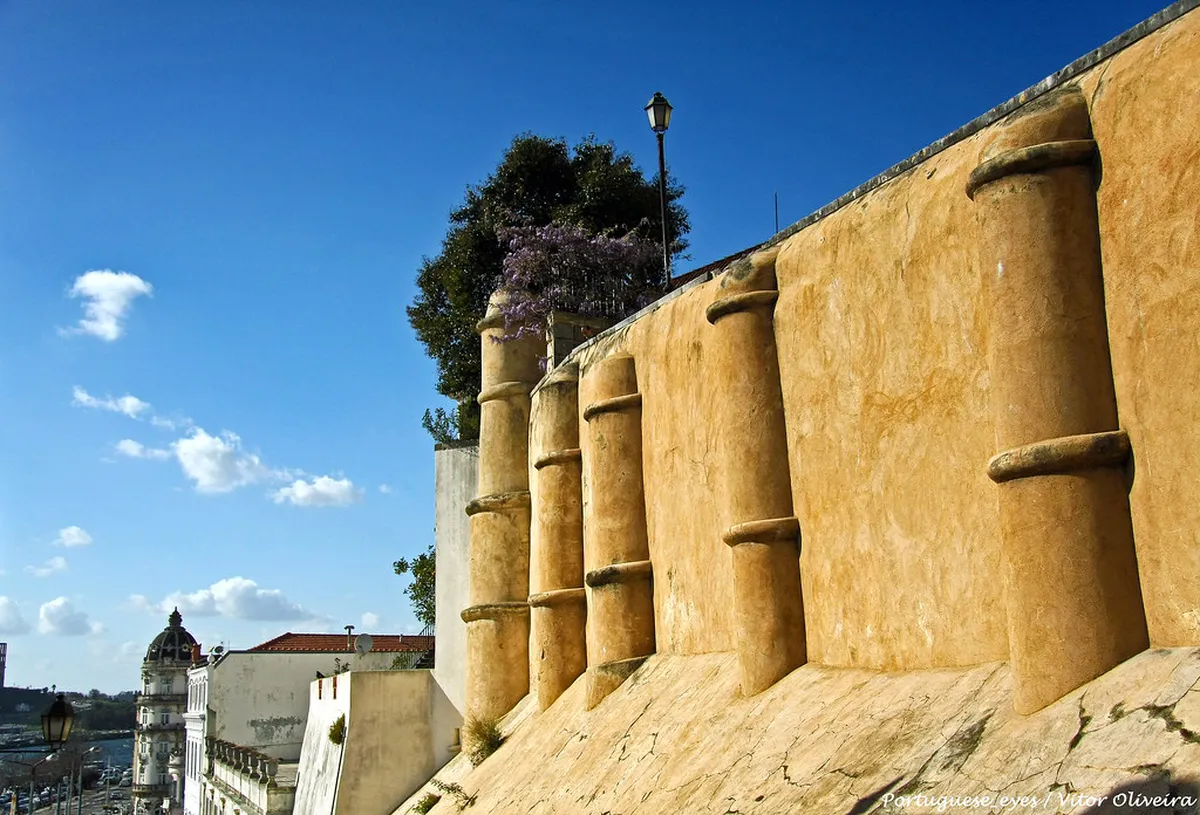 Coimbra's Ancient Walls: Explore Muralhas do CoimbraDecember 12, 2025
- Discover Coimbra's Ancient Walls: Historical SignificanceDecember 11, 2025
 Visiting Coimbra Old City Walls: A 2026 GuideDecember 10, 2025
 Aveiro Day Trip from Coimbra: 2026 GuideJune 6, 2026