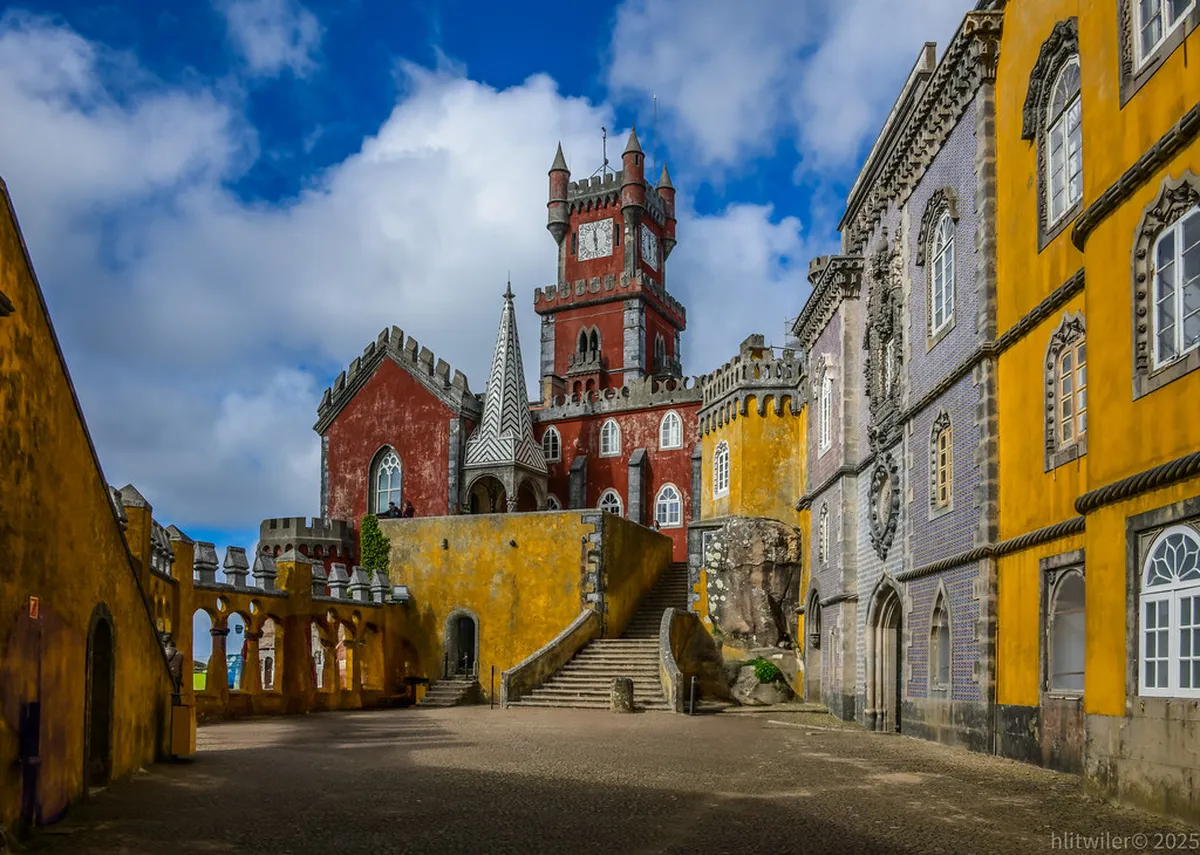
Coimbra is a city of steep hills and ancient secrets that many travelers rush through too quickly. This 1-day Coimbra itinerary is built around a single gravity-friendly principle: start at the top, walk downhill, and let the city unfold beneath you. It covers the UNESCO-listed university, the Sé Velha Cathedral, the Botanical Gardens, and an evening of authentic student *fado* — all in a single well-paced day.
The guide is designed for first-time visitors with one full day and no car. Every time estimate below is field-tested. If you are exploring the historic quarters of Portugal on a wider road trip, Coimbra fits cleanly between Porto and Lisbon with no detour required.
Morning: The University of Coimbra and Joanina Library
Take a taxi or a rideshare from Coimbra-A station directly to the **University of Coimbra** at the top of the hill. The ride costs roughly €5–8 and takes about 10 minutes. Do not walk up: the climb from the lower town to the university gate is relentlessly steep and will drain your energy before the day has started. Arriving at the top by 09:00 puts you ahead of the tour buses by roughly two hours.
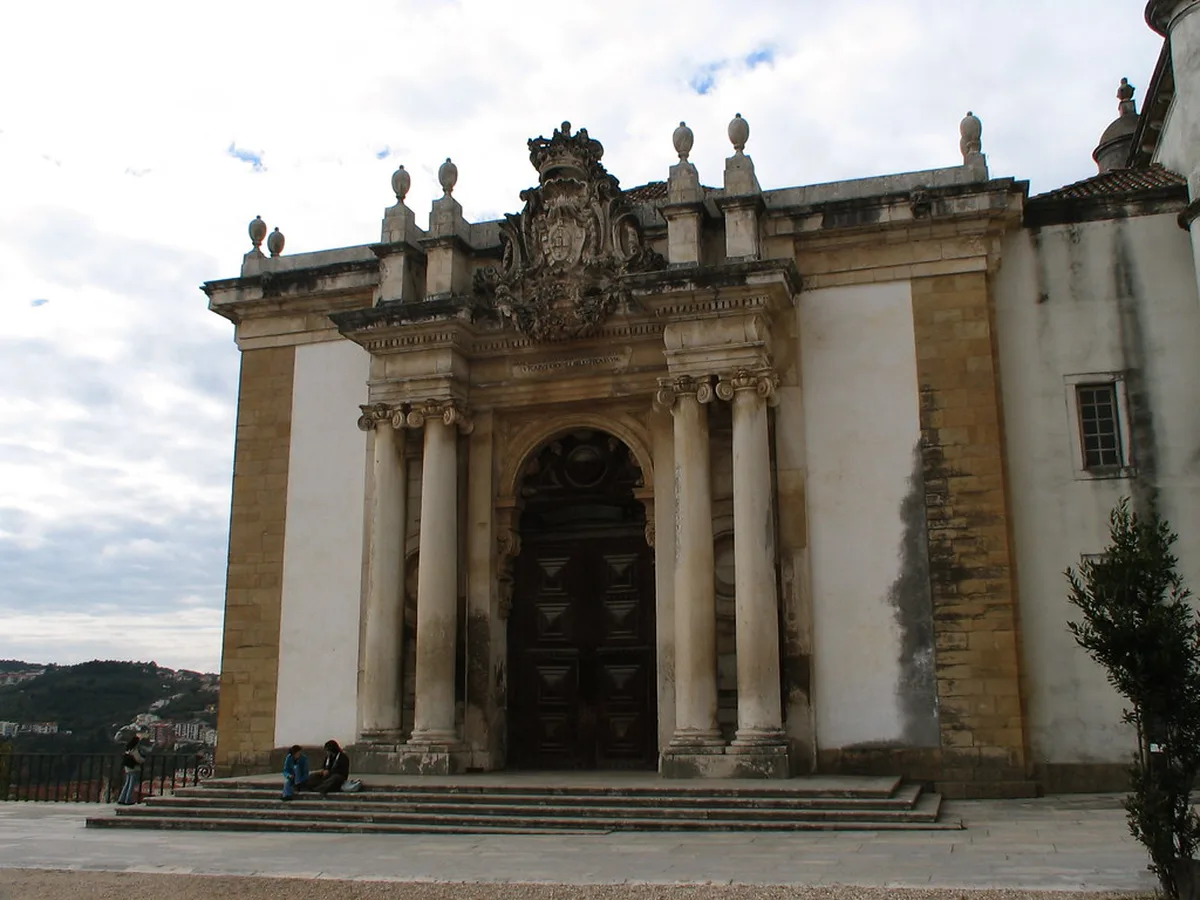
The University of Coimbra was founded in 1290 and is a UNESCO World Heritage Site. The full circuit ticket (around €12.50–€17 depending on which rooms you include) covers the Royal Palace, the Great Hall of Acts, the Chapel of Saint Michael, and the **Joanina Library** (*Biblioteca Joanina*). The library is the centerpiece — a Baroque masterpiece holding over 60,000 volumes from the 16th to 18th centuries, guarded at night by a resident colony of bats that eat the insects that would otherwise damage the books. Entry is in timed groups of 20 minutes; your slot is locked when you buy online.
Book your Joanina Library time slot at least 30 days in advance for any visit between April and October 2026. If you are visiting during the **Queima das Fitas** (Burning of the Ribbons) festival — held in the first full week of May 2026 — slots sell out six to eight weeks ahead. This is Coimbra's biggest annual student celebration, and the university itself fills with ceremony crowds. Arriving outside that window is easier on the booking side but quieter on the atmosphere side. Allow 2.5 hours for the full university circuit.
This itinerary works because it is downhill the whole way: take the €5–8 taxi to the University at the top by 09:00, then walk down through the old town. Doing it in reverse means a relentless uphill climb on slippery limestone — skip that. The Machado de Castro cryptoporticus is your wet-weather fallback if it rains.
Midday: Old Town Exploration and Sé Velha Cathedral
From the university gate, follow the winding stone stairways downhill into the old town. This descent takes you past the *Repúblicas* — traditional student houses whose facades are plastered with political murals, anarchist slogans, and *azulejo* panels in striking contrast. Pause at any of them for a few minutes; they represent a living student culture that has existed here since the 13th century and is found nowhere else in Portugal.
The **Sé Velha** (Old Cathedral) sits partway down the hill and is one of Portugal's finest examples of Romanesque architecture. Step inside to see its 13th-century Gothic cloister, walls lined with *azulejos*, and the enormous *tridanes* — Indian Ocean shells that serve as holy water stoups. Entry costs around €2.50. It looks more like a fortress than a church from the outside, which is intentional: it was built during a period of Moorish reconquest and needed to double as a defensive structure.
Lunch fits naturally into this midday block. The streets around Praça Velha and Rua das Padeiras are packed with small restaurants. Look for places serving *petiscos* (Portuguese-style tapas) rather than tourist menus — you will pay €10–15 for a generous spread of local dishes. You can read more about navigating the quarter's streets in our the historic Old Town. After lunch, walk down to the **Santa Cruz Church** near Praça 8 de Maio, where two of Portugal's first kings are buried beneath an ornate Manueline interior.
Afternoon: Botanical Gardens and Machado de Castro Museum
The **University of Coimbra Botanical Gardens** (*Jardim Botânico*) were established in 1772 on the orders of the Marquis of Pombal and are free to enter. The garden is large — allow 45 minutes to walk through properly. The tropical greenhouse, with giant ferns and filtered green light, is the highlight in any weather. Running through the upper section of the garden is the **São Sebastião Aqueduct**, a 16th-century structure that was built specifically to carry water up to the university. The sight of its stone arches rising above the tree canopy connects the morning's visit to the afternoon's walk in a satisfying way that most visitors miss entirely.
The **Machado de Castro National Museum** is a short walk from the gardens and occupies the former bishop's palace above the city's Roman-era forum. Admission is around €6. The standout feature is the underground *cryptoporticus* — a two-story Roman gallery that served as the covered walkway of the ancient forum of Aeminium. It is entirely sheltered from the weather, making it the single best rainy-day alternative in Coimbra: the limestone streets become slippery when wet, and the underground gallery keeps you dry while offering one of the most atmospheric Roman sites in Portugal. The museum terrace above also gives a clear view over the Mondego River and the rooftops of the lower town.
If you need to choose between the two in the afternoon, pick the Machado de Castro on a rainy day and the Botanical Gardens on a clear one. Both close by 18:00, so aim to finish by 17:30 to leave time to walk down to the riverfront.
Evening: Fado ao Centro and Riverside Dining
**Fado ao Centro** on Rua do Quebra Costas hosts a dedicated 1-hour performance at 18:00 that costs around €12 per person and includes a glass of port wine. Book in advance — the venue is small and evening shows sell out regularly, particularly on weekends between April and September. Arriving five minutes early means a better seat.
Coimbra *fado* is distinct from the Lisbon variety in three concrete ways. It is sung exclusively by men — traditionally university students or alumni — wearing long black academic capes. The guitar tuning used in Coimbra is different from the Lisbon tuning, producing a deeper, more melancholic tone. And the themes center on academic life, the longing for student years (*saudade* of the university), and the city itself, rather than the neighborhood nostalgia that dominates Lisbon *fado*. The style evolved directly out of 13th-century student culture and is inseparable from the university's history.
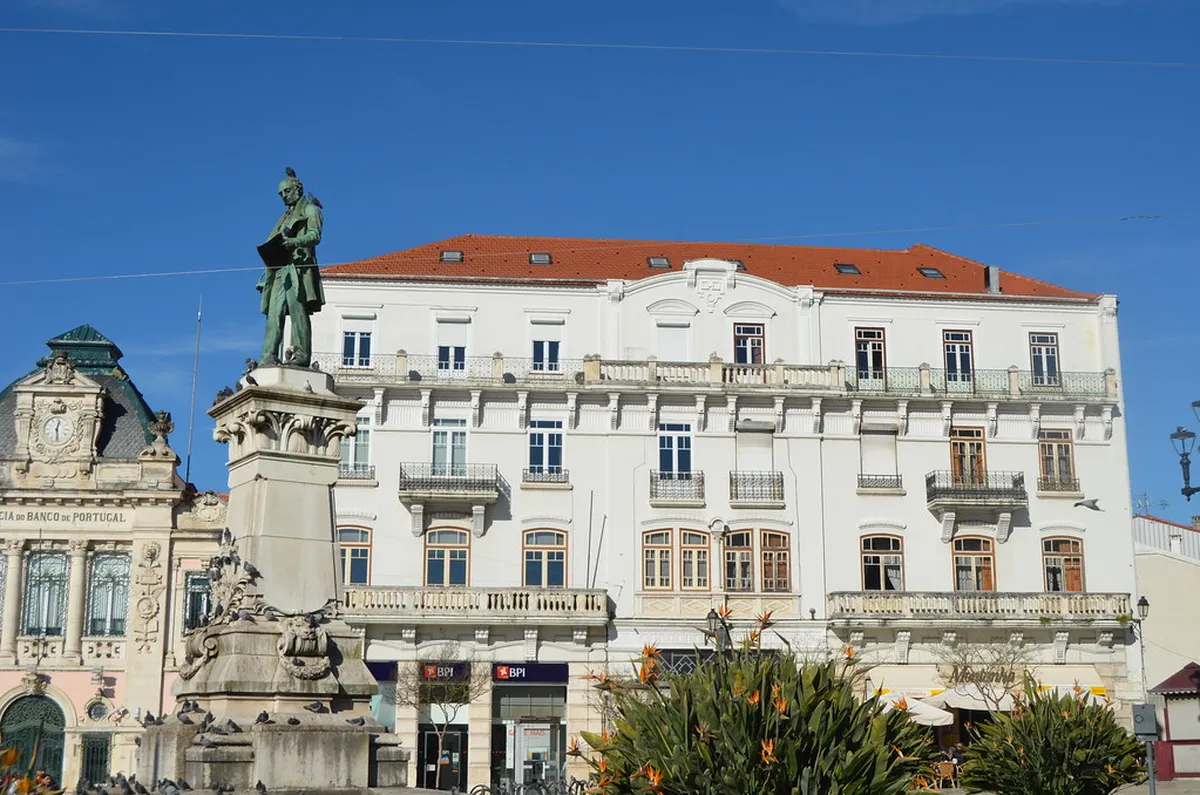
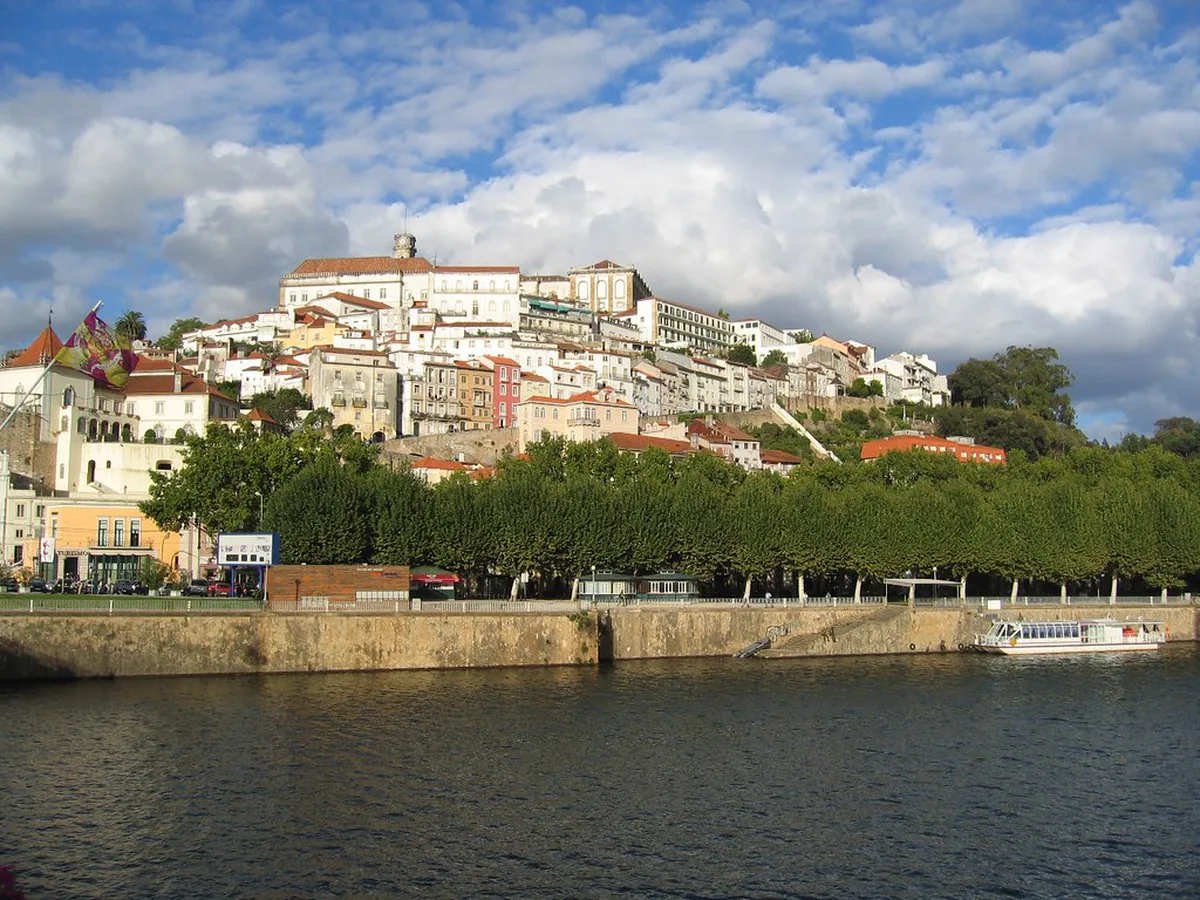
After the performance, walk five minutes downhill to the **Mondego River** waterfront for dinner. The strip along Parque Verde do Mondego has several reliable restaurants with river views. Expect to pay €15–25 per person for a main course and wine. If you want something faster, Praça do Comércio — the city's largest square, a short walk east — has more casual options and a lively early-evening atmosphere. End the evening with a *pastel de Tentúgal* from Pastelaria Briosa: a delicate egg-yolk pastry that is specific to this region and not found reliably anywhere else in Portugal.
2026 Booking Alert: Three Things to Reserve in Advance
Three elements of this itinerary require advance booking and cannot be picked up on the day in peak season. The Joanina Library timed slot books out furthest in advance — 30 days minimum in summer, six to eight weeks during Queima das Fitas in May. The Fado ao Centro 18:00 show sells out several days ahead on weekends. Boutique accommodation in the Alta neighborhood also fills early because the supply of small hotels on the hill is genuinely limited.
- Joanina Library — book online via the University of Coimbra ticket portal; timed entry, 20-minute slots, no same-day availability in summer.
- Fado ao Centro — book via their official website; 18:00 show is the best fit for this itinerary; €12 includes port wine.
- Alta neighborhood accommodation — search "Coimbra Alta guesthouse" and book at least 2 weeks ahead if traveling May–September 2026.
Everything else on this itinerary — the Sé Velha, Santa Cruz Church, Botanical Gardens, and Machado de Castro Museum — can be visited without a reservation. The museum does not pre-sell timed entry slots.
| Stop | When | Cost (2026) |
|---|---|---|
| University of Coimbra & Joanina Library | Morning (from 09:00, ~2.5 hrs) | €12.50–€17 circuit ticket |
| Sé Velha (Old Cathedral) | Midday | ~€2.50 |
| Lunch (petiscos near Praça Velha) | Midday | €10–15 |
| Botanical Gardens (Jardim Botânico) | Afternoon (~45 min) | Free |
| Machado de Castro National Museum | Afternoon (closes 18:00) | ~€6 |
| Fado ao Centro | Evening (18:00 show, ~1 hr) | ~€12 (incl. port wine) |
| Riverside dinner (Parque Verde do Mondego) | Evening | €15–25 per person |
Where to Stay in Coimbra: Neighborhood Trade-offs
Coimbra splits cleanly into two staying zones with opposite trade-offs. The **Baixa** (lower town) is flat, sits directly adjacent to Coimbra-A train station, and has the largest selection of mid-range hotels. It is the right choice for anyone with heavy luggage, an early departure, or limited mobility. The streets are walkable without any gradient and connect directly to the riverside dining strip. Hotel Oslo Coimbra is a well-regarded Baixa option with a rooftop bar that gives clear views over the old town without the effort of climbing to it.
The **Alta** (upper town) puts you inside the historic core — on the same streets as the university, the cathedral, and the Repúblicas. It is atmospheric after dark when the student crowds thin out and the limestone alleys are lit by old lanterns. The disadvantage is real: taxis struggle to reach many Alta addresses, and arriving with luggage requires carrying it up steep, narrow stairways. If you are traveling light and want to wake up inside the history rather than beneath it, Alta is the better choice.
A third option worth knowing: several guesthouses cluster near **Praça da República**, which sits on the boundary between the two zones. This is arguably the most practical location — flat enough for easy movement, close enough to the university hill to reach it in 10 minutes on foot, and directly above the main tram and bus lines.
How to Get to Coimbra: Train vs. Car
The train is the dominant choice for most visitors. From **Porto Campanhã**, the Alfa Pendular or Intercidades service reaches Coimbra-B in around 1 hour; from **Lisboa Oriente**, allow 1h30–2h depending on the service. At Coimbra-B you board a free connecting shuttle train to Coimbra-A, which drops you in the city center. Book through CP (Comboios de Portugal) in advance for the best fares; Alfa Pendular seats on popular weekend trains sell out.
Driving makes sense only if you are coming from a direction not served by direct trains — for example, from Fátima or the Beiras region. Parking in the historic center is extremely limited, and the Alta neighborhood is effectively inaccessible by car due to street width and gradient. If you drive, park in the Baixa near the train station and treat the car as you would have treated the train: walk or taxi from there. The A1 motorway from Lisbon takes around 2 hours; from Porto allow 1h20 via the A1.
For day-trippers, the train return schedule matters. The last Alfa Pendular back to Porto departs Coimbra-A around 21:30; to Lisbon, the last service is around 22:00. Both timings work comfortably with a 18:00 fado show and a riverside dinner. You can find full multi-day planning advice in our guide on how long to spend in Coimbra is right for your trip.
Self-Guided Coimbra Downhill Walking Route
If you want the day distilled into a single walking line, follow the stops below in order. The route is built on the same gravity-friendly logic as the rest of the itinerary: you start at the university gate at the top of the hill and finish on the riverfront, walking downhill the entire way. Every stop is a place named earlier in this guide.
- University of Coimbra & Joanina Library — start at the top by 09:00.
- Botanical Gardens (Jardim Botânico) & the São Sebastião Aqueduct — a short walk within the upper university area.
- Machado de Castro National Museum — in the former bishop's palace just below the university (your rainy-day cryptoporticus stop).
- The Repúblicas — descend the winding stone stairways past the muralled student houses.
- Sé Velha (Old Cathedral) — partway down the hill.
- Praça Velha / Rua das Padeiras — pause for a petiscos lunch.
- Santa Cruz Church — near Praça 8 de Maio in the lower town.
- Fado ao Centro & the Mondego riverfront — Rua do Quebra Costas for the 18:00 show, then down to Parque Verde do Mondego for dinner.
Frequently Asked Questions
Is one day in Coimbra enough to see everything?
One day is enough to see the main highlights like the University and Old Town. You can find more timing advice in my guide on planning your trip length is best. I recommend arriving early to maximize your time.
What is the best month to visit Coimbra in 2026?
May is the best month to visit because of the Queima das Fitas festival. The weather is mild and the student energy is at its peak. Be aware that crowds are much larger during this time.
How do I get from the train station to the University?
The best way is to take a taxi or a rideshare app. The ride takes about 10 minutes and costs roughly $5 to $8. Walking is possible but involves a very steep uphill climb.
Coimbra is a magical city that offers a deep look into Portugal's academic and royal history. By following this gravity-friendly route — taxi to the top, walk downhill, finish riverside — you can see the best sites without exhausting yourself. Book the Joanina Library and Fado ao Centro before you travel, and the day runs itself.