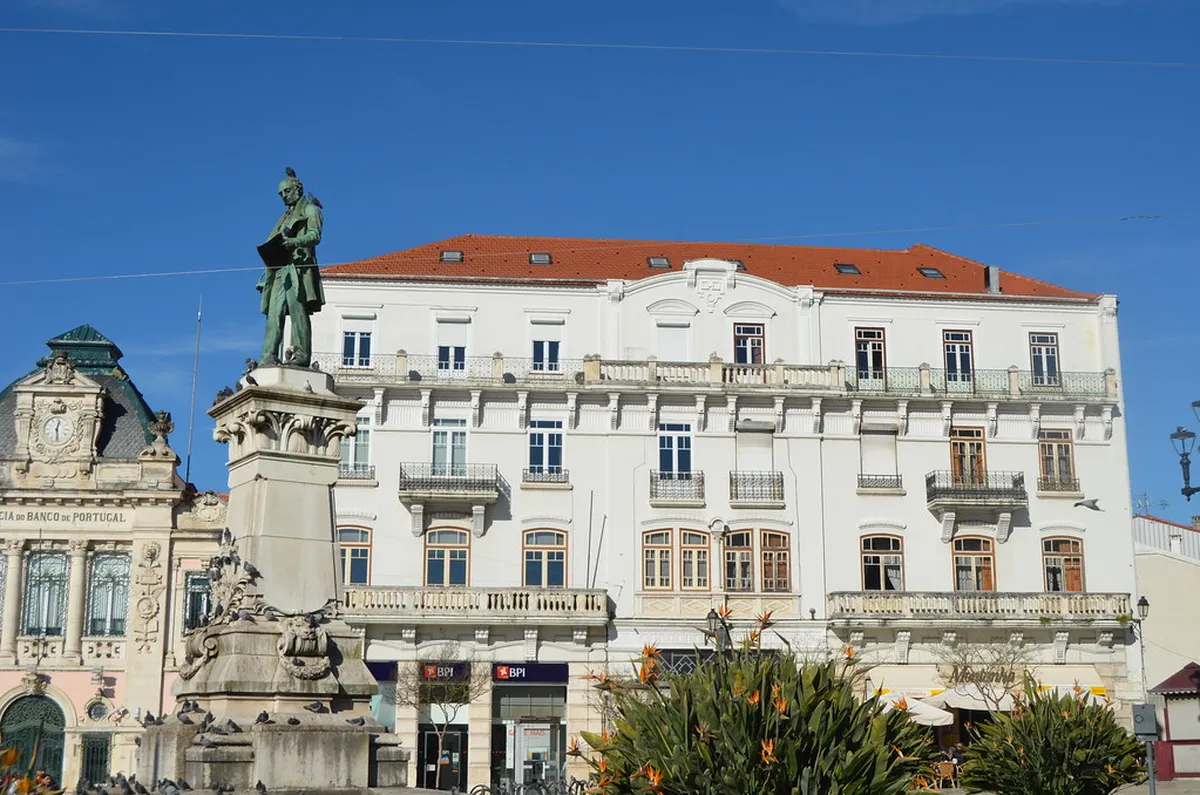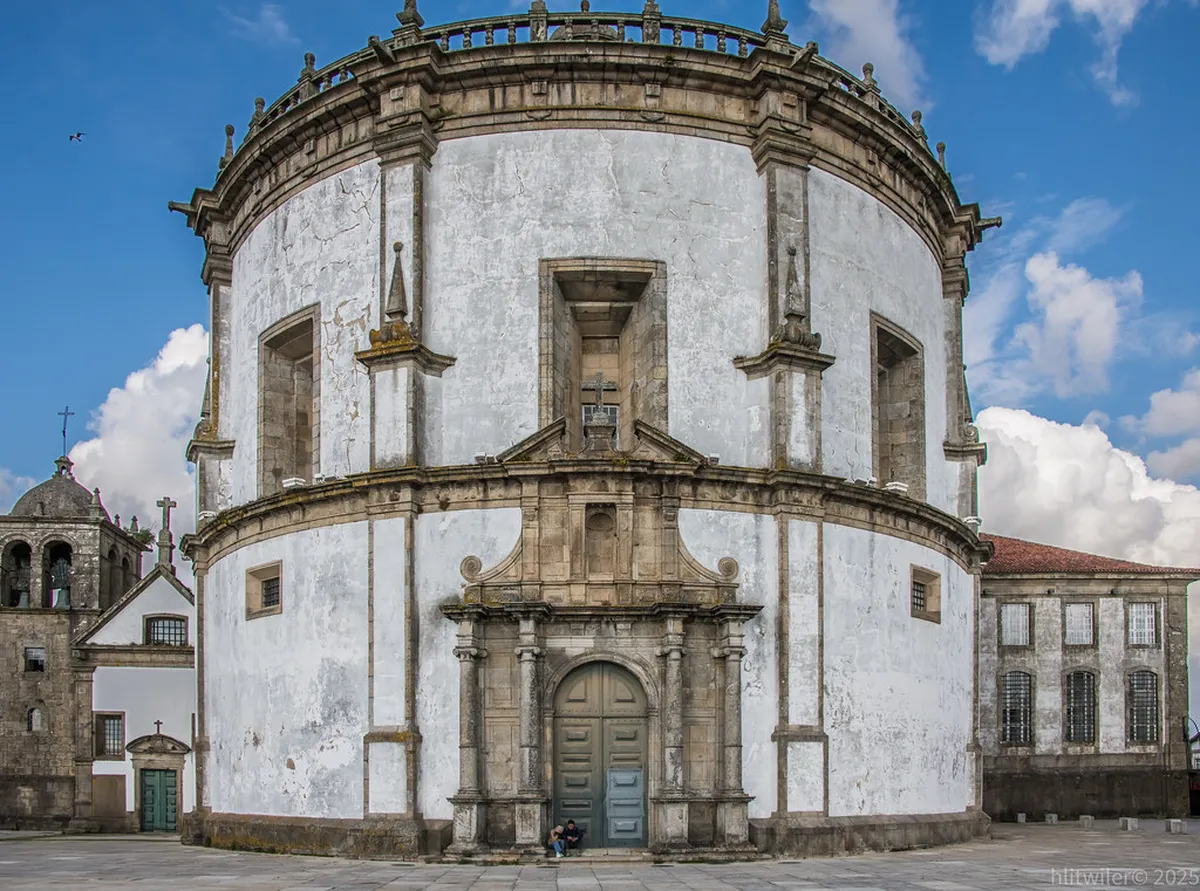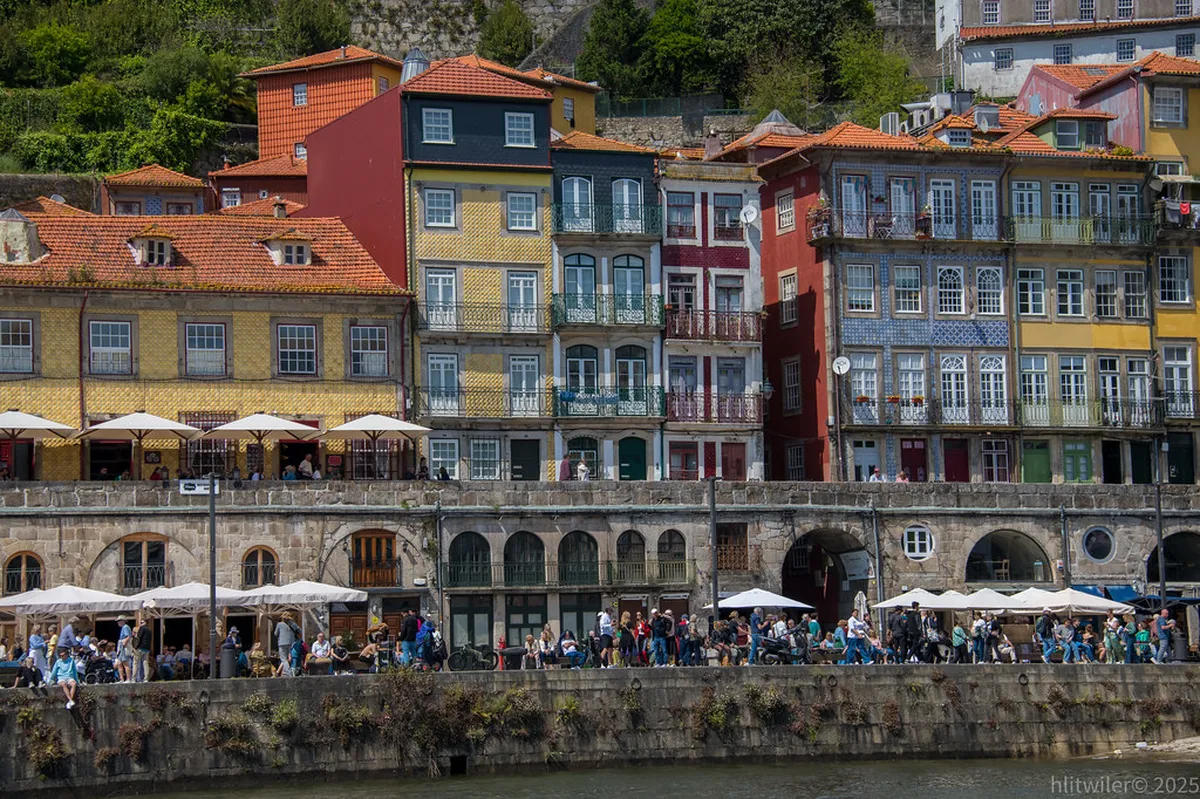

Coimbra is a city where ancient academic traditions meet narrow medieval streets and haunting Fado music. This Coimbra 2-Day Itinerary 2026 is built for first-time visitors who want to cover the University of Coimbra, the Joanina Library, and the Old Town without feeling rushed. Forty-eight hours is the sweet spot — long enough to absorb the student culture, short enough that you won't run out of things to do.
This guide has been updated for 2026 with current ticket prices, booking lead times, and the transport quirks that trip up most arrivals. You will learn which train station is actually useful, why the chapel door looks locked even when it isn't, and what the black-caped students on the street are officially doing there.
Is 2 Days in Coimbra Enough for the Old Town & University?
Yes — two days covers the essential sights at a comfortable pace. The University and the Old Town sit in different parts of the city and each warrants a half-day on its own. Trying to squeeze both into a single afternoon means skipping the Joanina Library or rushing past the medieval alleys, neither of which is a good trade-off.

A single overnight stay is the minimum to experience the city properly. The Fado show runs at 18:00 on Day 1, and the library timed-entry slots sell out fastest for the 10:00–12:00 window on Day 2. You need both nights' rest to tackle the steep climbs without exhaustion. You can read more about how long to spend in Coimbra are optimal for different travel paces.
If you have three days, the Conimbriga Roman ruins make a logical extension — 16 km south, accessible by local bus. Two days is still the standard for most visitors on a Lisbon–Porto itinerary.
Getting to Coimbra: 2026 Transport and Arrival Guide
Most long-distance trains from Lisbon (Santa Apolónia) and Porto stop at Coimbra-B, not at the city-centre station. Coimbra-B is a junction on the main line, located about 3 km outside the historic district. Do not get off and try to walk — the road is not pedestrian-friendly.
Instead, transfer to the local shuttle train on Platform 4 (or as signed) immediately after arrival. The shuttle to Coimbra-A takes five minutes and runs several times each hour. Crucially, this short leg is included in your inter-city CP ticket, so you do not pay again. The journey from Lisbon takes roughly 1 hour 40 minutes; Porto is around 1 hour.
Drivers should park near the riverfront on Avenida Emídio Navarro rather than attempting the historic centre. Parking garages here charge approximately €1.20 per hour. Bus travellers arrive at the Rede Expressos terminal near Coimbra-A, a short walk into the Baixa.
Don't get off and walk at Coimbra-B — transfer to the local shuttle (Platform 4) for the five-minute leg to Coimbra-A. It's already included in your inter-city CP ticket, so you won't pay twice.
Where to Stay: Historic Center vs. Riverfront Neighborhoods
The Baixa district (lower town) is the most practical base for a two-day stay. It is flat, within five minutes of Coimbra-A station, and surrounded by restaurants on Rua Ferreira Borges and side streets. Hotel Oslo Coimbra is consistently recommended by visitors for its central location and river-facing rooms. Budget options include several guesthouses and boutique hostels on Rua da Sota.
The Santa Clara neighborhood across the Mondego River offers quieter lodging with striking nighttime views of the illuminated university hill. The trade-off is a longer walk into the action, though the riverside path from Santa Clara Bridge into Largo da Portagem takes only 15 minutes on foot.
Avoid booking accommodation far up the university hill unless you are comfortable with a 20-minute steep climb from the train station each evening. Most mid-range rooms in the historic center run €75–€140 per night for 2026 peak season (June–September). Book at least six weeks out for summer dates.
Day 1: Exploring the Medieval Old Town and Fado Traditions
Start at Largo da Portagem, the main riverside square, at around 09:30. This gives you a natural introduction to the city's scale before the tourist coaches arrive. Walk north into Rua Ferreira Borges and then Rua Visconde da Luz — the two main pedestrian shopping streets lined with cafes, tile shops, and a street musician or two. The Edifício Chiado city museum at the south end of this stretch is worth a quick 30-minute visit.
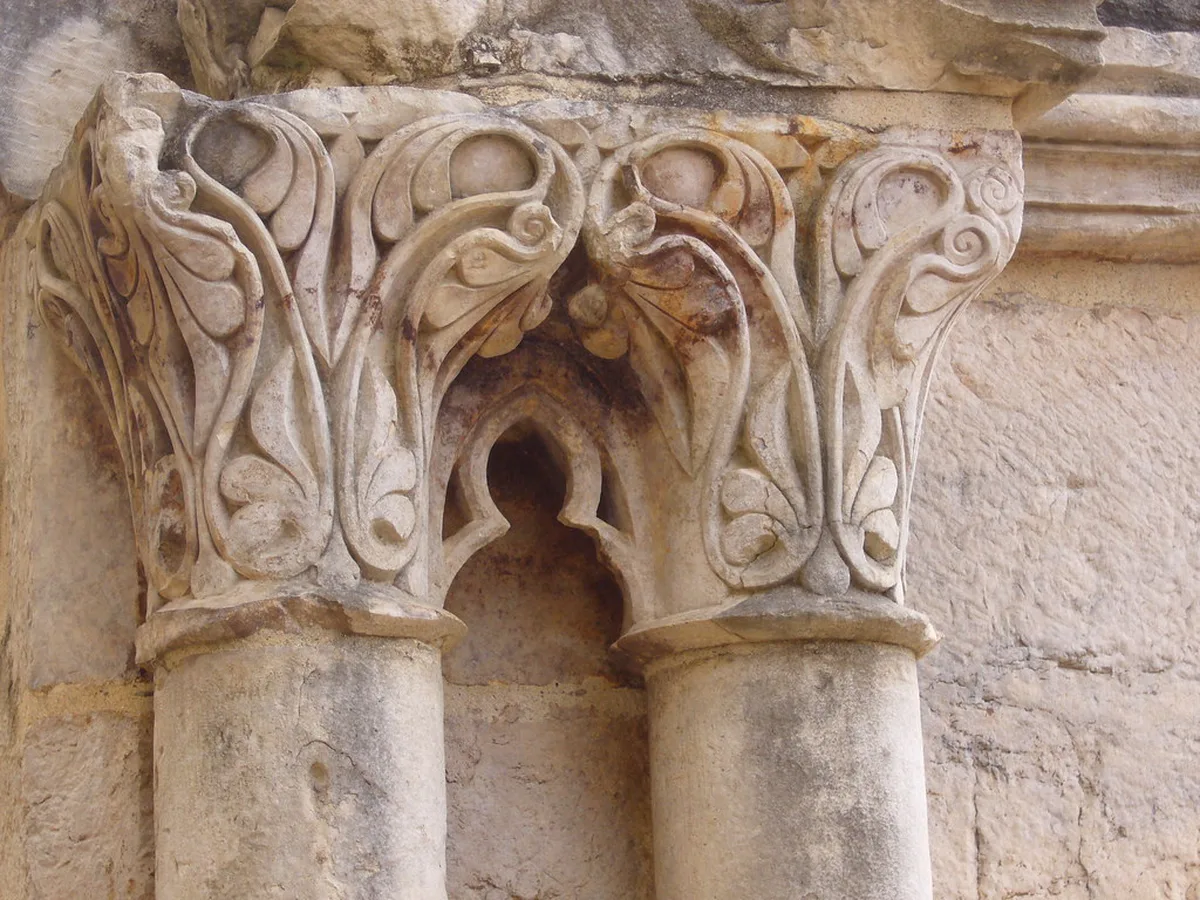
Santa Cruz Church on Praça 8 de Maio is a mandatory stop. The Manueline portal and the ornately tiled interior are among the finest in central Portugal. Adjacent is Café Santa Cruz, housed in the original 16th-century sacristy — an atmospheric spot for a mid-morning coffee. In the afternoons the café hosts informal Fado sessions, but the evening show is better.
After lunch, walk uphill through the Almedina Gate into the upper medieval quarter. The Sé Velha (Old Cathedral) is a fortress-like Romanesque structure built in the 12th century — its crenellated walls reflect the military context of the Reconquista. Entry costs around €2.50. Finish the afternoon with a wander through the narrow alleys behind the cathedral before descending for the evening.
At 18:00, attend the Fado show at Fado ao Centro on Rua do Quebra Costas. This is the most accessible introduction to Coimbra's unique tradition: the performance is male-voiced, accompanied by the guitarra portuguesa, and includes English commentary between songs. Tickets cost approximately €15 and include a glass of port. Book at least two days in advance — it sells out most evenings. After the show, dinner options are plentiful on Rua Fernandes Tomás, a narrow street directly behind the venue.
Day 2: The University of Coimbra and the Joanina Library
Begin Day 2 no later than 09:00 to secure the morning entry window at the Joanina Library. Take the Elevador do Mercado from the lower town to save your legs — it deposits you close to the university gate and costs only a few cents. The main university complex covers the Royal Palace Hall, Saint Michael's Chapel, the Joanina Library, and the Science Museum. The full circuit ticket costs €12.50 per adult in 2026; the version without the library is €7.
The Joanina Library is the centrepiece. Built for King João V in the early 18th century, the interior is covered floor-to-ceiling in gilded Baroque woodwork and painted ceilings. Photography is not permitted once inside. One detail that surprises visitors: the library is home to a colony of small bats. They emerge at night to feed on the insects that would otherwise destroy the centuries-old manuscripts. Each morning, staff lay out leather mats to collect droppings before the first visitors arrive — a centuries-old preservation system that still works.
Saint Michael's Chapel sits adjacent to the library and is frequently mistaken for a closed building. The door appears permanently shut. Ring the small brass bell mounted beside the entrance — a staff member will open it from the inside. The interior houses an extraordinary pipe organ and Baroque tilework that most visitors never see because they assume the building is off-limits.
Spend the early afternoon in the Botanic Garden, directly beside the campus. It is free to enter and offers a shaded, unhurried contrast to the morning's architectural intensity. For a sunset or golden-hour walk, cross the Santa Clara Bridge and follow the riverbank path — the university hill viewed from the opposite bank is the most photographed angle in the city. Return across the bridge for a riverside dinner on the Baixa side.
Essential 2026 Booking Tips: What to Reserve in Advance
The Joanina Library uses strict 20-minute timed entry windows. In peak summer (July–August), slots fill 4–6 weeks ahead. For visits in May, June, or September, 2–3 weeks lead time is usually sufficient. Book through the official University of Coimbra ticketing page. If you miss your slot by more than a few minutes, you will not be admitted — the 20-minute turnover is enforced strictly.
The general university circuit ticket (without the library) can usually be purchased at the on-site ticket office on the day, but queues in summer can reach 45 minutes. Buying online the evening before eliminates this. Fado ao Centro should be booked 48 hours ahead at minimum — the 30-seat venue fills fast, particularly on weekends and in July.
You do not need to pre-book the Botanic Garden, Sé Velha, Santa Cruz Church, or Café Santa Cruz. The Portugal dos Pequenitos miniature park on the Santa Clara side of the river accepts walk-ins and is a good rainy-day backup if you find yourself with a free afternoon.
| Attraction | Price (2026) | Advance booking |
|---|---|---|
| University circuit with Joanina Library | €12.50 per adult | 4–6 weeks (summer); 2–3 weeks (shoulder) |
| University circuit without library | €7 | Same-day at office, or evening before online |
| Fado ao Centro show | ~€15 (incl. glass of port) | At least 48 hours ahead |
| Sé Velha (Old Cathedral) | ~€2.50 | No booking needed |
| Botanic Garden | Free | No booking needed |
| Santa Cruz Church | Free | No booking needed |
The Students in Black Capes: What They Are Actually Doing
You will encounter students wearing the traditional traje académico — long black capes and dark suits — throughout the historic centre, particularly near the university gate and on Rua Ferreira Borges. These are not simply a costume. The traje is the formal academic dress of the University of Coimbra, worn at ceremonial events including the annual Queima das Fitas (Burning of the Ribbons) graduation festival held each May.
Many cape-wearing students near tourist sites are participating in an officially sanctioned program where they assist visitors with directions, orientation, and informal city information. This is not a formal tour-guide role but a recognised community service that some students count toward extracurricular credits. If one approaches you to offer help, it is genuine — they are trained to be accurate about directions and opening hours, and they speak English well.
The capes also carry a personal archive: it is a long-standing tradition for friends, lovers, and fellow students to make small tears and marks in the cape's hem as tokens of affection or milestones. If you notice a frayed or torn cape, it belongs to someone with a full social history sewn into the fabric.
Practical Advice for Navigating Coimbra's Steep Terrain
Coimbra is built on a steep hill and the cobblestones are polished limestone — slippery when wet and uneven at the edges. Wear shoes with grip. Sandals with smooth soles are a genuine hazard on the Quebra-Costas (Back-Breaker) stairway that climbs from the Baixa to the university.
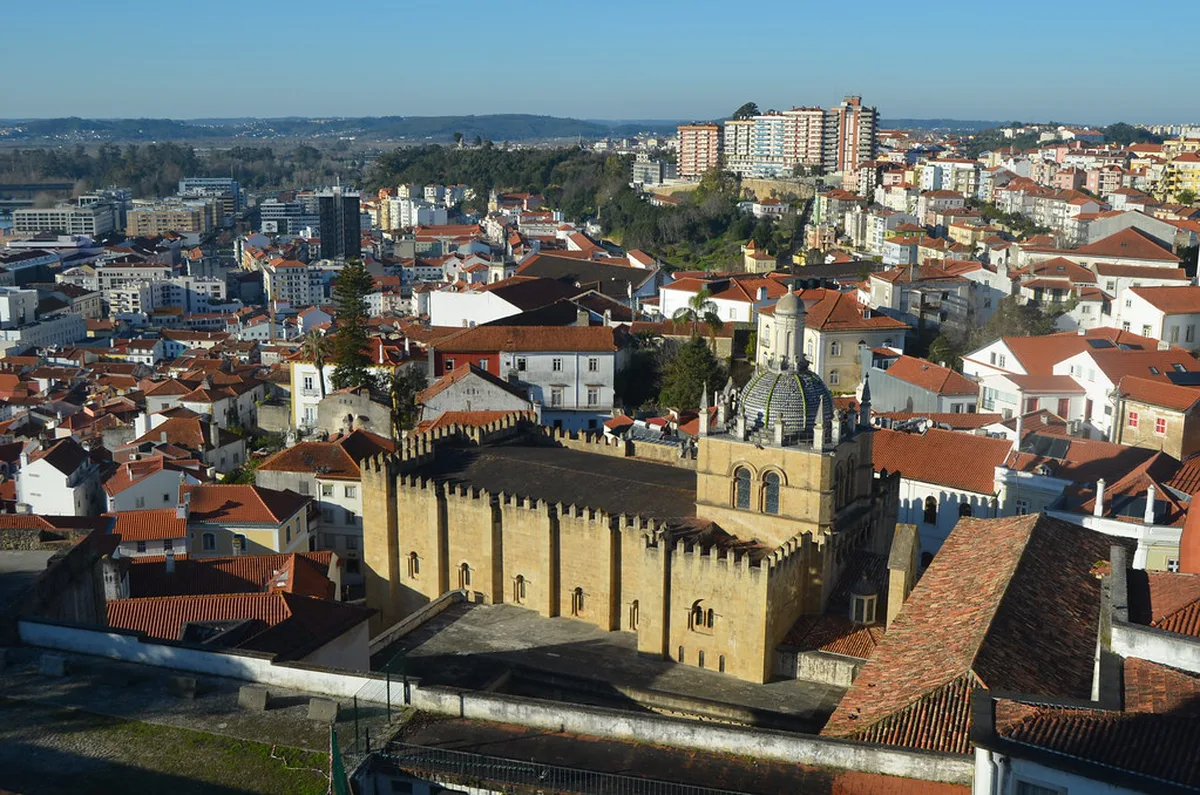
Use the Elevador do Mercado to reach the upper town from the market area. Tuk-tuks operating from Largo da Portagem will take you to the university gate for around €5–€8 per person — a sensible option on a hot afternoon or if you have luggage. The return journey downhill from the university to the river takes about 20 minutes on foot and is far easier than the ascent.
If you have mobility concerns, the city's small bus network includes routes that climb partway up the hill. Taxis from the riverfront to the university gate typically cost under €7. Planning your day so that the steep climb happens once in the morning — rather than twice — makes the itinerary significantly more comfortable. See the broader the historic Old Town for a full street-by-street walkability breakdown.
Frequently Asked Questions
How do I get tickets for the Joanina Library in 2026?
You should book tickets online through the official University of Coimbra website. Reserve your slot at least 30 days in advance for summer visits. The library uses strict 20-minute timed entry windows for all guests.
What is the difference between Coimbra-B and Coimbra-A stations?
Coimbra-B is the main junction for high-speed trains from Lisbon and Porto. Coimbra-A is the central station located in the heart of the city. A small shuttle train connects the two stations in five minutes.
Where can I see traditional Fado in Coimbra?
The best place is Fado ao Centro in the Old Town district. This venue features the unique male-voiced Fado specific to Coimbra students. Shows typically run daily at 6:00 PM and require advance booking.
Coimbra rewards visitors who understand the city's logic: use Coimbra-A not Coimbra-B, ring the bell at the chapel, book the library weeks in advance, and save the university hill for the morning of Day 2 when your energy is highest. The Fado, the Baroque library, and the medieval alleys of the Baixa form a complete picture of a city that has been an intellectual and cultural centre for nearly nine centuries.
Follow this 2026 itinerary step by step and you will leave with a clear sense of what makes Coimbra distinct from Lisbon and Porto — not just another stopover, but a destination worth the detour.