Coimbra served as Portugal's medieval capital for over a century and still carries that quiet authority today. It is compact enough to explore in a weekend yet rich enough to reward slow wandering. This itinerary is built for first-time visitors who want to cover the UNESCO highlights without missing what makes the city genuinely different from Lisbon and Porto.
The city sits midway along the Mondego River between the two larger Portuguese cities, which makes it a logical stop rather than a detour. Knowing how long to spend in Coimbra suits your pace will help you decide whether to extend into Monday or keep it to Saturday and Sunday. Two full days is enough to feel the rhythm of student life, visit the Joanina Library, and sit by the river at dusk.
Is Coimbra Worth Visiting for a Weekend?
Yes, and the case is stronger than most Portugal itineraries suggest. The University of Coimbra is one of the oldest continuously operating universities in the world, founded in 1290 and a designated UNESCO World Heritage Site. The Baroque Joanina Library alone justifies the trip — its gilded shelves, frescoed ceilings, and resident bat colony are unlike anything else in Portugal.
Beyond the university, Coimbra has a Fado tradition that is entirely distinct from Lisbon. It is performed only by male university students and graduates, in academic costume, and the sound is more introspective and less theatrical than the tourist-facing Lisbon variety. Hearing it in a stone-vaulted room near the old cathedral is one of the more memorable evenings available anywhere in central Portugal.
The city is also very affordable. A three-course lunch at a local student canteen or tasca costs around €10–12. Entry to the full university complex — Royal Palace, Joanina Library, St. Michael's Chapel, and the Prison Tower — runs around €15 per adult in 2026. Coimbra rewards visitors who are willing to climb its hills and slow down.
How to Get to Coimbra by Train
The train is the fastest and most practical way to reach Coimbra from Lisbon or Porto. All trains stop at Coimbra-B station, which sits about 3 km from the center. From there, a free connecting shuttle (called the regional service) runs to Coimbra-A station, right in the heart of the city. The shuttle takes about five minutes and runs very frequently — you will rarely wait more than fifteen minutes.
From Lisbon (Oriente or Santa Apolónia), the journey takes roughly 1 hour 30 minutes on the Alfa Pendular (fast, reserved seating, around €22–29) or about 2 hours 15 minutes on the Intercidades (slower, cheaper, around €14–18). From Porto (Campanhã), the Alfa Pendular takes just over one hour and costs around €16–22. The CP — Comboios de Portugal booking portal opens 60 days in advance, and early buyers regularly save 30–50% on Alfa Pendular fares. If you are flexible, the Intercidades is excellent value and the scenery is identical.
| Route | Train type | Journey time | Fare |
|---|---|---|---|
| Lisbon → Coimbra | Alfa Pendular | ~1h 30m | €22–29 |
| Lisbon → Coimbra | Intercidades | ~2h 15m | €14–18 |
| Porto → Coimbra | Alfa Pendular | Just over 1h | €16–22 |
Buses run from both cities too and are marginally cheaper, but they take longer and drop you outside the center. For a weekend trip where time matters, the train wins on every metric except price.
Where to Stay: Alta vs. Baixa
Your choice of neighborhood will shape how much walking effort your weekend requires. Baixa (the Lower Town) is flat, close to Coimbra-A station, and where most of the shopping streets, cafés, and budget hotels sit. It is the better choice for visitors with heavy luggage, mobility concerns, or anyone who prefers not to navigate steep cobblestones after dinner. The commute to the university requires a bus, taxi, or a fifteen-minute uphill walk.
Alta (the Upper Town) puts you within a few minutes of the university gates, the Sé Velha (Old Cathedral), and the viewpoints that overlook the Mondego valley. Boutique guesthouses here are atmospheric and often housed in centuries-old buildings. The trade-off is that the streets are very steep and narrow, and arriving with rolling suitcases is genuinely difficult. Many guests solve this by taking a taxi from Coimbra-A and keeping a day bag for walking.
The Santa Clara side of the river is quieter and offers some of the best skyline views of the university. It suits couples who want a more residential experience and are happy to walk across the Mondego bridge into the center each morning. The Hotel Oslo Coimbra in the Baixa sits close to the station and has a rooftop terrace with river views — a good all-round base for a first visit.
At a Glance: 2-Day Coimbra Weekend Itinerary
Day one focuses on the hilltop university campus and the medieval streets that surround it. Day two brings you down to the riverside churches, the Santa Clara monasteries across the bridge, and the romantic gardens of Quinta das Lágrimas. This sequencing keeps the steepest climbs concentrated on the first morning, when energy is highest, and leaves the flatter riverside for a more relaxed second day.
- Day 1 — University Heights and Historic Traditions: Morning at the Joanina Library and Royal Palace; afternoon at the Machado de Castro National Museum and Sé Velha; evening Fado performance at Fado ao Centro.
- Day 2 — Riverside and Romantic Legends: Morning at Santa Cruz Church and the Lower Town; afternoon across the river at Santa Clara-a-Velha monastery and Quinta das Lágrimas gardens; evening sunset walk along the Mondego.
The Perfect 2-Day Coimbra Itinerary (Day-by-Day)
Day 1 Morning: The University Complex (09:00–13:00)
Arrive at the university gates before 09:30 to beat the day-trip coaches from Lisbon. The combined ticket (around €15) covers the Joanina Library, the Royal Palace of the University, St. Michael's Chapel, and the 18th-century Prison Tower. Time slots for the Joanina Library are timed and limited — book on the University of Coimbra Official Booking Portal at least two to three weeks ahead in 2026 high season.
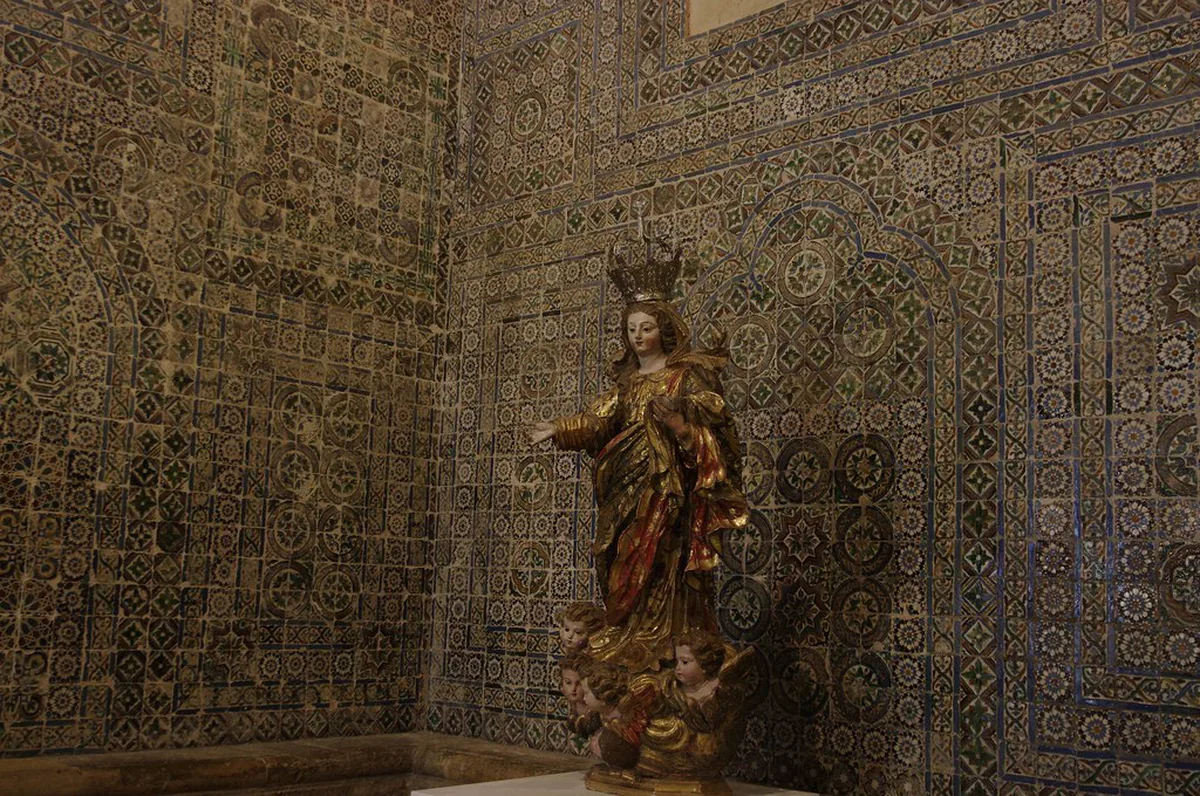
The library itself takes about 20 minutes inside, but its gilded shelves and painted vaulted ceiling will keep your camera busy the entire time. After the library, walk the open terrace of the Via Latina for sweeping views over the terracotta roofline and the Mondego valley below. The Chapel of São Miguel is directly accessible on the same ticket and is worth ten minutes for its azulejo-tiled interior.
Day 1 Afternoon: Old Cathedral and Machado de Castro (14:00–17:30)
Lunch near the Almedina Arch — this medieval gateway is the entrance to the historic center, and the small restaurants on the downslope side serve generous fixed-price lunches for around €10–12. After eating, walk five minutes to the Sé Velha, Coimbra's twelfth-century Romanesque cathedral. Entry costs around €2.50. The cloister is in a transitional Gothic style and has a calm, slightly austere quality that the grander cathedrals of Lisbon lack.
The Museu Nacional Machado de Castro sits immediately above the Sé Velha and is one of Portugal's most underrated museums. The Roman Cryptoporticus — a network of underground galleries from the Roman city of Aeminium — runs beneath the building and is included in the museum ticket (around €6). Give yourself at least ninety minutes here.
Day 1 Evening: Coimbra Fado (18:00–21:00)
Fado ao Centro runs a daily performance at 18:00 in the Rua do Quebra Costas, just below the Almedina Arch. Tickets run around €12 and include an introductory explanation in English of the musical tradition and the academic rituals that surround it. Book three to seven days ahead online or at the box office earlier in the day. Arrive by 17:45 to choose your seat.
After the show, dinner in the streets around Santa Cruz Church is easy and inexpensive. The area has a good mix of tascas serving grilled fish and the regional chanfana (braised goat) alongside student-friendly wine bars.
Day 2 Morning: Santa Cruz and the Lower Town (09:30–12:30)
Santa Cruz Church on the main shopping street (Rua Visconde da Luz) is free to enter the nave. Inside are some of the finest Manueline stonework and azulejo-tiled panels in central Portugal, and the tombs of Portugal's first two kings — Afonso Henriques and Sancho I — are in the chancel. The adjoining cloister has a small entry fee of around €2.50. The morning light through the windows is particularly good before midday.
After Santa Cruz, wander the pedestrian streets of the Baixa toward the Mondego riverfront. The riverside promenade is pleasant for a coffee stop and has views up to the university silhouette on the hill. This is a good moment to visit Portugal dos Pequenitos (across the Santa Clara bridge), a miniature park of Portuguese monuments that appeals to families and is fun for adults curious about the country's architectural variety.
Day 2 Afternoon: Santa Clara and Quinta das Lágrimas (13:30–17:30)
Cross the Ponte de Santa Clara on foot — the bridge itself gives the best elevated view of the old town — and visit Santa Clara-a-Velha, the partially submerged Gothic monastery whose nave still floods periodically from the Mondego. The visitor center and excavations are well presented and entry costs around €5. The monastery is closed on Mondays, so plan accordingly.
Five minutes south along the riverbank is Quinta das Lágrimas, the gardens associated with the tragic legend of Inês de Castro — the noblewoman murdered on the orders of the Portuguese king in 1355. Enter via the golf club reception and pay a small entry fee of around €5. The spring and fountain associated with the legend are marked on the garden map. Allow thirty to forty-five minutes for a complete circuit.
Day 2 Evening: Sunset on the Mondego (18:00–20:00)
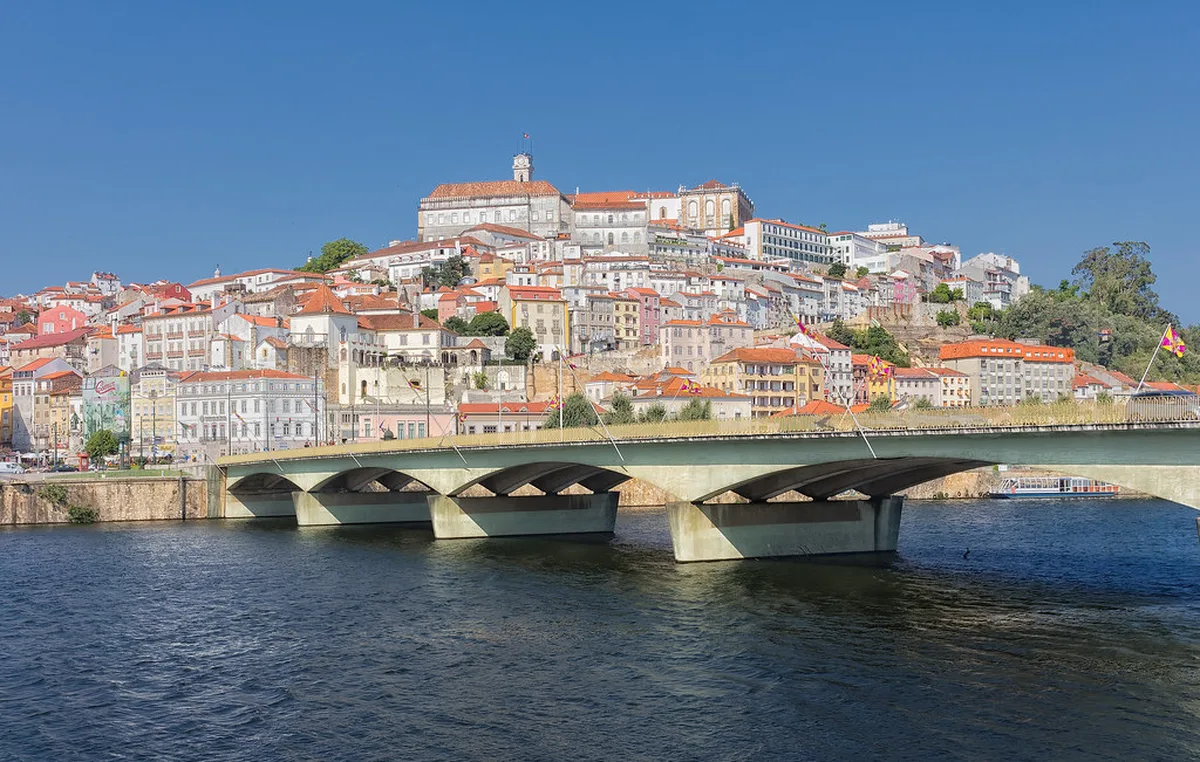
Return across the bridge before sunset. The west-facing riverbank north of the bridge catches the last light well and the reflection of the university on the water is the defining Coimbra image. A Mondego River boat trip runs traditional moliceiro boats from the riverside jetty and lasts about forty-five minutes. Check seasonal schedules at the embarcadero — the service typically runs from March through October.
University of Coimbra and Joanina Library: Booking Guide
The Joanina Library is the single most in-demand timed attraction in Coimbra. Slots are capped per entry to protect the books from humidity generated by too many visitors at once. In 2026, the morning slots between 09:00 and 11:00 are the first to sell out, typically two to four weeks ahead during June, July, August, and September. Afternoon slots (14:00–17:00) hold availability slightly longer but are still gone within a week during peak months.
Book directly through the official university booking portal rather than through resellers, which charge commission on top of the already-reasonable ticket price. The combined university circuit ticket covers the library, the Royal Palace (now the Sala dos Capelos ceremonial hall), St. Michael's Chapel, and the Prison Tower. You cannot buy library-only access — the full circuit is the only option.
If you miss the online window, show up at the university ticket office when it opens at 09:00. A small number of walk-in slots are sometimes released for the same day, but there is no guarantee, especially on weekends. Building in a buffer day gives you a fallback option without restructuring the entire trip.
Joanina Library slots are timed and capped, and the 09:00–11:00 morning entries sell out first — typically two to four weeks ahead in June through September 2026. Book the combined university circuit ticket directly through the official portal as soon as your dates are set rather than risking same-day walk-in slots.
Coimbra Fado vs. Lisbon Fado: What Makes It Different
Coimbra Fado is performed exclusively by men — traditionally university students and alumni — in black academic capes. This is not a stylistic preference but a centuries-old rule tied to the university's student traditions. The repertoire draws on academic poetry and themes of longing, intellectual nostalgia, and the particular melancholy of youth passing. It is slower and more formally structured than Lisbon Fado.
In Lisbon, Fado is now firmly embedded in the tourist economy and is performed in purpose-built restaurants with set menus costing €40–80. The quality varies. In Coimbra, the audience is smaller and the venue more intimate. Fado ao Centro in the Rua do Quebra Costas is the most accessible option for visitors, running a nightly show with explanatory context in multiple languages. For a more spontaneous experience, musicians sometimes perform impromptu serenades (called serenatas) in the university courtyards on warm evenings — ask at your accommodation when the next one is scheduled.
The Coimbra Fado tradition was inscribed on UNESCO's Intangible Cultural Heritage list in 2012. Hearing it here, rather than in a Lisbon touristrestaurant, carries a genuine difference that is hard to articulate in advance but immediately apparent when you are in the room.
The Queima das Fitas: What It Means for Your 2026 Trip
The Queima das Fitas (Burning of the Ribbons) is the annual graduation festival that takes over Coimbra every May. In 2026, the main week runs in the second week of May, centered on the traditional Fado concert and ribbon-burning ceremonies. During this period, the city's hotel occupancy approaches 100% and prices surge by 40–60% above the standard rate. The Joanina Library sells out its time slots for the entire surrounding fortnight within hours of opening.
If your visit falls in late April or May, book accommodation and university tickets the moment 60-day booking windows open. If you are flexible on dates, a weekend in March, October, or early November offers the same sights with a fraction of the crowds and significantly lower hotel rates. September is also excellent — warm, less humid than August, and the students return to campus which restores the city's academic energy.
Outside Queima das Fitas, Coimbra's main tourist peaks are July and August, when temperatures regularly exceed 35°C in the upper city. The hillside heat makes the morning-first itinerary structure above even more important during summer months.
Free Things to Do in Coimbra
Several of Coimbra's best experiences cost nothing. The Botanical Garden of the University of Coimbra is free to enter and sits directly below the university complex, accessible via a gate near the Arco de Almedina. It was founded in 1772 and contains over a thousand plant species across formal terraced beds, a bamboo grove, and a palm-lined central avenue. It is one of the most peaceful spots in the city and takes about forty-five minutes to explore properly.
The nave of Santa Cruz Church is free. The Porta de Almedina has a small free exhibition on the medieval city walls. The Sereia Garden (Jardim da Sereia) near the Coimbra-A station is a public park with a small artificial lake that is completely free and popular with locals. Walking the riverside promenade between the two bridges costs nothing and gives you the best unobstructed views of the university hill.
The the historic Old Town covers additional free walking routes through the medieval alleys of Alta that reward slow exploration — the azulejo-tiled stairways and small miradouros (viewpoints) tucked between buildings are the kind of detail that no ticket can improve upon.
How to Get Around Coimbra
The flat Lower Town is entirely walkable and the distance from Coimbra-A station to the Almedina Arch is about eight minutes on foot. For the climb to the university, there are two public elevators (ascensores) operated by the SMTUC municipal transport company: one near the Mercado Municipal and one near the Praça da República. Both cost a standard bus fare (around €1.70 single in 2026) and save the equivalent of a fifteen-minute steep climb.
City buses run frequently between the lower and upper city. The route 7 and route 29 stop near the university gates and cost the same flat fare. Taxis are inexpensive by northern European standards — a ride from the station to the university is around €5–7 in 2026. Uber and Bolt both operate in Coimbra and are usually cheaper than taxis for short trips.
There is no metro. Cycling is possible along the riverfront but impractical in the upper city given the gradients. For visitors with limited mobility, the public elevator plus the taxi network covers all the main itinerary sites without requiring any steep walking. The Santa Clara monasteries across the bridge are on flat ground and entirely accessible.
Popular Day Trips from Coimbra
Conímbriga is the most compelling half-day option. Located 15 km south-west of the city, it is the best-preserved Roman settlement in Portugal and contains intact mosaics, bathhouses, and the remains of a forum that give a concrete sense of what Roman urban life looked like. Buses run from the Coimbra main bus terminal (Av. Fernão de Magalhães) and the round trip takes about 90 minutes of travel time, leaving the rest of the day for the site itself. Guided tours also run from the city center and include transport.
Aveiro — often called the Venice of Portugal for its painted canal boats — is 45 minutes by train from Coimbra-B. It makes an easy Sunday extension if you are comfortable arriving back in Coimbra in the early evening. The local specialty is ovos moles, an egg-yolk and sugar sweet sold in wooden barrels along the canal. The Art Nouveau buildings near the canal are a secondary draw worth an hour of exploration.
For those with a car or willing to book a tour, the Schist Villages (Aldeias do Xisto) east of Coimbra offer a very different face of central Portugal — remote stone villages perched on forested hillsides, with hiking trails connecting them. Piódão is the most photogenic and a popular half-day drive from the city.
Frequently Asked Questions
How do I get from the train station to the city center?
Most trains arrive at Coimbra-B station outside the center. You can take a free shuttle train to the central Coimbra-A station. The ride takes about five minutes and runs very frequently.
Is the Joanina Library worth the ticket price?
Yes, the library is a baroque masterpiece with gold-leaf decorations. The ticket also includes access to the Royal Palace and the Chapel. I recommend booking the earliest morning slot to avoid crowds.
What is the best way to get around Coimbra?
Walking is the best way to explore the narrow historic streets. For the steep hills, use the public elevators or the municipal bus system. Taxis and ride-shares are also very affordable for short trips.
Coimbra is a city that rewards those who slow down. The combination of medieval history, living student culture, and one of the world's great Baroque libraries makes it unlike anywhere else in Portugal. Following this itinerary ensures you see the best of the city without wasting time backtracking up its steep hills.
Remember to book your Joanina Library tickets the moment they open — and avoid the Queima das Fitas weeks in May unless you plan well in advance. Your journey through the historic quarters of Portugal starts right here. Safe travels on your upcoming weekend in Coimbra.