Authentic Bairro Alto Fado Experience: Your 2026 Guide
Table of Contents
An authentic bairro alto fado experience is not just a concert — it is a slow emotional ritual that takes two to three hours and follows rules locals consider almost sacred. This guide separates the genuine from the performative, walks you through the structure of a real fado night, and tells you exactly what to wear, order, and do when the singer stands up.
TL;DR: Choose a small, family-run venue with a fadista who also listens to the others. Arrive by 8:30 PM, eat before or during the early sets, stay completely silent when the guitar starts, and clap only when the song ends. Budget €25–€45 per person for food and drinks (not a dinner package). Skip flash photography.
What "Authentic" Actually Means
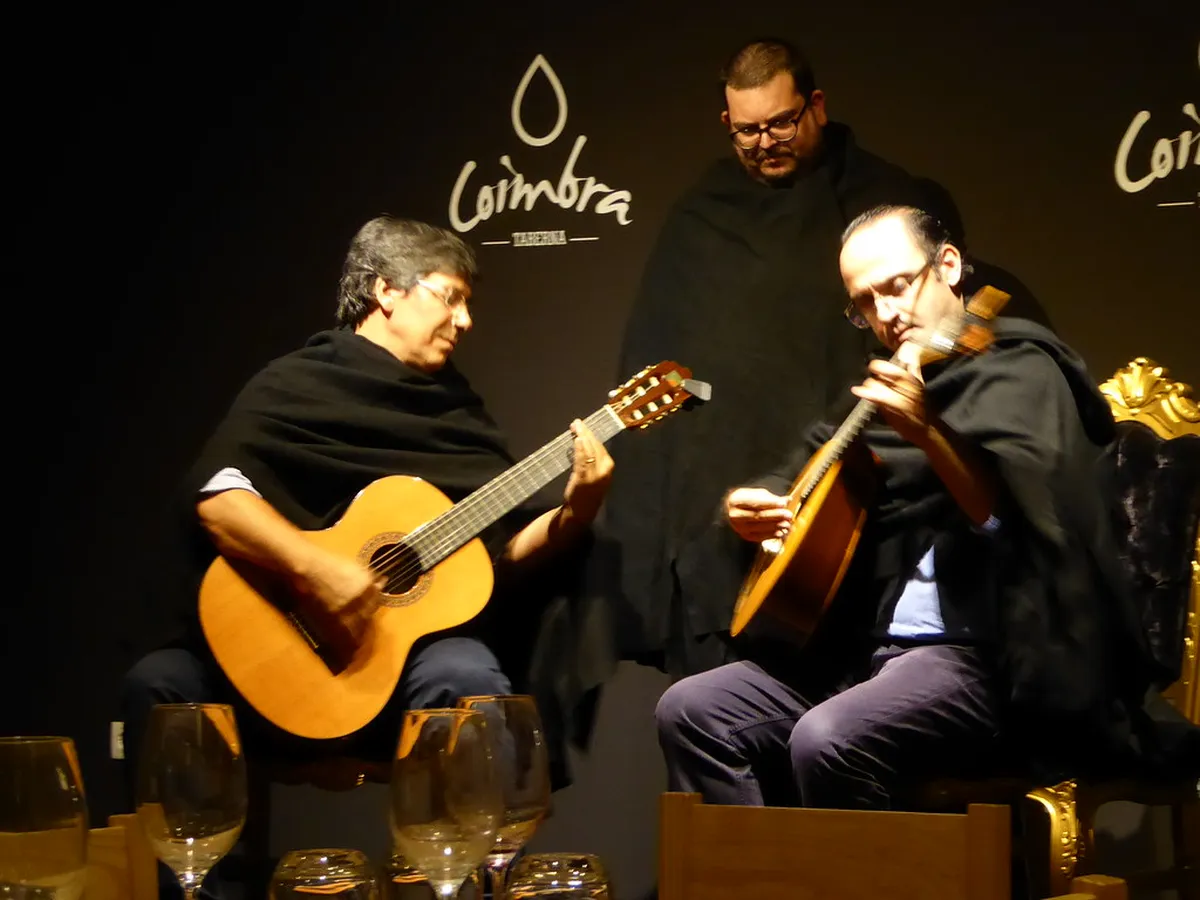
Authenticity in fado is not about age or décor — it is about who is in the room and why they are there. We observed that the most telling signal is the fadistas themselves: at genuine tascas, the singers who have already performed stay seated and listen to their colleagues with visible emotion. At tourist-oriented venues, performers often leave the room between sets.
A second signal is the Portuguese word saudade — untranslatable longing — which should feel present, not performed. Fado emerged in Lisbon's working-class Mouraria and Alfama districts in the early 19th century before spreading to Bairro Alto. The tradition was inscribed on UNESCO's Intangible Cultural Heritage list in 2011, which brought international recognition but also the commercial pressure that created tourist-oriented dinner shows.
Two sub-styles exist in Bairro Alto: formal casas de fado (dinner-show venues with a structured programme) and informal fado vadio tascas (taverns where amateur singers take turns spontaneously). Both can be deeply authentic. The difference is not one being "better" — it is about what evening you want.
Spotting Tourist Traps vs a Real Casa de Fado
The distinction matters because in a tourist-trap show, the music is background to the meal. In a real fado house, the meal is background to the music.
Red flags of a tourist trap:
- Staff outside handing out flyers or physically steering you toward the door.
- A laminated "Fado Night" menu priced at €60–€80 per person with no à-la-carte option.
- Performances every 20 minutes with a different singer each time, none of whom stays to listen.
- Tables packed so tightly that conversation at normal volume is the norm during songs.
- A playlist that cycles through hits like Estranha Forma de Vida and Lágrima back-to-back without patter or breath between them.
Green flags of an authentic house:
- A handwritten or minimal printed menu. Prices for food and wine separately from any cover.
- The host signals silence before each song — often just a look around the room.
- The viola baixo (bass guitar) and guitarra portuguesa (pear-shaped Portuguese guitar) players tune visibly before each set.
- Local regulars at nearby tables who came only for the music, not a full dinner.
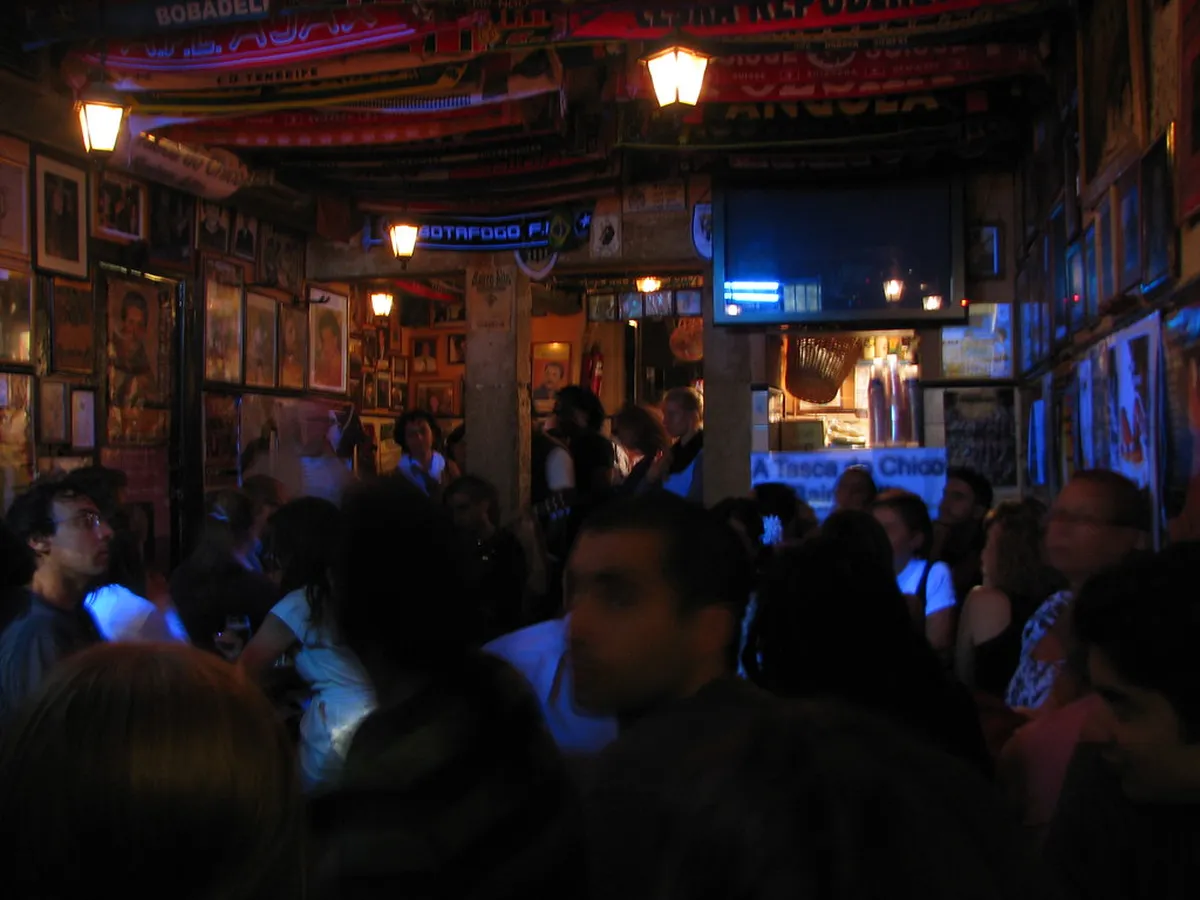
- Tasca do Chico (Rua do Diário de Notícias, 39) and A Tasca do Jaime both fit this profile — expect cash-only, no frills, extraordinary emotion.
Explore the full venue breakdown in our guide to traditional Bairro Alto fado bars, which covers cover charges, minimum spends, and opening nights by venue.
The Night in Three Acts
A fado evening has an organic arc that regulars navigate instinctively. Understanding it helps you time your arrival and manage expectations.
Act One — The warm-up (8:30–9:30 PM): Food arrives, the room fills slowly. The first one or two fadistas are often younger or less established. The music is present but conversation is still possible between songs. This is the moment to order wine and petiscos (small plates). Expect bacalhau à brás or amêijoas (clams in garlic and white wine) — both classic pairings.
Act Two — The heart (9:30–11:00 PM): The headline fadista performs. The room quietens noticeably. Songs like Amália Rodrigues' Estranha Forma de Vida or Mariza's rendition of Lágrima — written by Alfredo Marceneiro — can appear here. Each song lasts three to six minutes. Between songs, the guitarist may speak briefly. This is when silence is absolute.
Act Three — The close (11:00 PM–midnight): The programme winds down with a final set. Regulars often linger over wine. The house may permit one or two fado vadio contributions from the audience — a rare honour. At places like Tasca do Chico on a Monday or Wednesday night, Mariza herself has walked in unannounced and sung.
Etiquette: Silence, Applause, Photography
The cardinal rule at every serious Bairro Alto venue is posted at the door: "Silêncio, que se vai cantar o Fado" — Silence, Fado will be sung. Breaking this rule will earn a shush from staff and visible disapproval from the room.
Silence: When the guitarist begins the opening phrase, talking stops immediately — at your table and everywhere in the room. This is not polite suggestion; it is the acoustic and emotional condition the performance depends on. Even whispering carries in a low-ceilinged tasca.
Applause: Clap only when a song is completely finished and the guitarist has lifted his hand from the strings. Clapping during a song — even enthusiastically — breaks the spell and marks you as a tourist. Genuine appreciation is a deep, sustained applause after the final note.
Photography: Photos between songs are generally tolerated if your phone is on silent and you skip the flash. Recording during songs is frowned upon; some venues display no-camera signs. The polite approach: take one quiet photo when the musicians are settling in, then put the phone away.
Arrivals and departures: Never enter or leave the room mid-song. Wait for the applause, then move quickly and quietly.
Entering or leaving mid-song is considered deeply disrespectful — at tascas like Tasca do Chico, staff will stop you at the door until the song ends. If you need to step out, wait for the sustained applause after a song finishes, then move quickly and quietly.
What to Eat and Drink
Food is part of the ritual but should not overshadow the music. In a formal casa de fado, a set dinner (€35–€60 per person in 2026) typically includes soup, a main of bacalhau, grilled sardines, or roasted lamb, dessert, and house wine. In a tasca, you order à la carte: expect to spend €20–€35 for food and drinks combined.
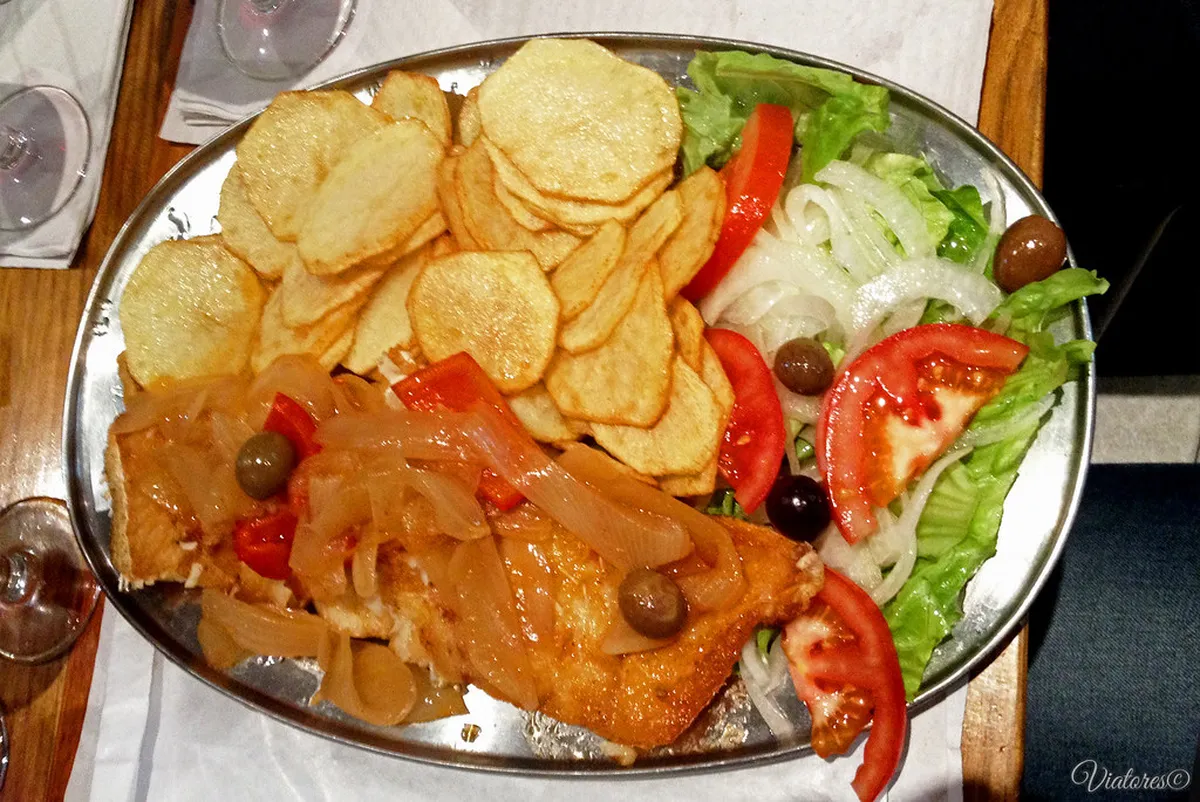
Classic food pairings that appear consistently across authentic Bairro Alto venues:
- Bacalhau à brás — shredded salt cod scrambled with eggs and thin potato sticks. Rich enough to sustain a long evening.
- Caldo verde — kale soup with chouriço. Light starter, deeply Portuguese.
- Petiscos — small plates: octopus salad, grilled chouriço, cheese and presunto (cured ham).
- Amêijoas à Bulhão Pato — clams in garlic, olive oil, lemon, and coriander. The pairing with a cold Vinho Verde is perfect.
Wine guidance: order a house red (often an Alentejo or Douro) for the richest food pairing, or a crisp Vinho Verde if you are skipping a full meal. Port is traditionally an after-show drink, not a table wine during fado.
See our broader coverage of the neighbourhood in the Bairro Alto nightlife guide for bar and restaurant context around your fado night.
Booking and Dress Code
When to book: Reservations are essential at formal casas de fado — Friday and Saturday seats at Tasca do Chico fill within hours of opening. Book at least five to seven days ahead in high season (May–October 2026). For fado vadio tascas, walk-in is possible on weekdays; arrive by 8:00 PM to secure a table.
Tasca do Chico (Rua do Diário de Notícias, 39) takes reservations by phone or email only — not through OTA platforms. It is cash-only, so bring euros. Friday and Saturday seats fill within hours of becoming available, so book five to seven days ahead during high season (May–October 2026).
Where to book: Most authentic houses take reservations by phone or email only — not via large OTA platforms. Venues listed on the official Fado Museum's Roteiro do Fado (roteiro.museudofado.pt) have been quality-vetted. A Tasca do Chico (cash only) does not accept credit cards.
Dress code: Smart-casual is the floor. Long trousers or a simple dress, closed shoes, no beachwear or sports gear. The cobblestone streets of Bairro Alto are steep and uneven — comfortable soles matter more than height. Inside, venues can be warm and poorly ventilated; dress in layers you can remove. There is no formal black-tie expectation, but flashy party outfits feel out of place in an intimate tasca.
2026 pricing context: Dinner-and-show packages at established casas de fado: €40–€65 per person. Tasca cover charges (where they exist): €5–€10. Minimum spend at mid-range houses: €25 per person on food and drink. Fado vadio tascas: no cover, pay for what you drink (expect €3–€5 per glass of wine).
| Venue Type | 2026 Cost (per person) | Cover Charge | Booking Required | Best Nights |
|---|---|---|---|---|
| Fado vadio tasca (e.g. Tasca do Chico) | €20–€35 food & drinks | None (or €5–€10) | Walk-in weekdays; phone/email for weekends | Mon, Wed (surprise guests possible) |
| Mid-range casa de fado | €25 minimum spend | €5–€10 | Recommended 3–5 days ahead | Thu–Sat |
| Formal dinner-and-show casa de fado | €40–€65 set dinner | Included in package | Essential; 5–7 days ahead in high season | Fri–Sat |
| Fado vadio (open amateur nights) | €3–€5 per glass of wine | None | Walk-in; arrive by 8:00 PM | Weekdays |
For a curated shortlist of specific venues across price points, see our best fado bars in Bairro Alto guide.
Frequently Asked Questions
How do I know if a Bairro Alto fado house is authentic or a tourist trap?
Watch for two signals: whether the fadistas stay in the room and listen to each other between their own sets (authentic), and whether the menu is priced à la carte vs a fixed high-cost "fado night" package (tourist-oriented). Venues on the Museu do Fado's Roteiro do Fado list are vetted. Tasca do Chico and A Tasca do Jaime in Bairro Alto are both consistently cited by locals as genuine.
What is fado vadio and how is it different from a formal fado dinner show?
Fado vadio (literally "vagrant fado") is informal, spontaneous fado performed in tascas where amateur or semi-professional singers take turns. There is no programme, no stage, and no set menu — just singers who show up and feel the urge to sing. A formal fado dinner show has a curated lineup, a fixed menu, and a ticketed or minimum-spend structure. Both can be deeply authentic; vadio is rawer and more unpredictable.
Is it rude to clap during a fado song?
Yes. Clapping mid-song breaks the emotional arc and marks you as unfamiliar with the tradition. Wait until the guitarist lifts his hand from the strings and the room applauds together. Sustained, warm applause after the final note is the correct expression of appreciation.
What is the typical cost for an authentic fado experience in Bairro Alto in 2026?
Expect €20–€35 per person at a fado vadio tasca (food and drinks, no cover). Formal dinner-and-show packages at casas de fado run €40–€65 per person in 2026. Some mid-range houses require a minimum spend of €25 on food and drink. Cash is preferred or required at smaller tascas.
What food should I order at a fado restaurant?
Bacalhau à brás (salt cod with eggs and potato sticks) and amêijoas à Bulhão Pato (clams in garlic and coriander) are the most classic pairings. For lighter eating, order petiscos — small plates of chouriço, cheese, and octopus salad. Pair with a house red from Alentejo or a cold Vinho Verde. Save port wine for after the show.
Can I take photos during a fado performance?
Photos between songs are generally tolerated if your phone is silenced and you do not use flash. Recording or photographing during a song is considered disrespectful at serious venues. The safest approach: take one quiet photo as musicians settle in, then put your phone away for the rest of the night.
Planning Your Fado Night: Key Takeaways
- Choose venues on the Museu do Fado's Roteiro do Fado list — quality-vetted, not commission-driven.
- Tasca do Chico (Bairro Alto, cash only) and A Tasca do Jaime offer fado vadio with no minimum spend.
- Arrive by 8:00–8:30 PM; the best sets happen after 9:30 PM.
- Silence during songs is non-negotiable. Clap only when the guitarist stops playing.
- Dress smart-casual with comfortable shoes for Bairro Alto's cobblestones.
- Budget €20–€65 per person depending on whether you choose a tasca or a full dinner show.
- Book five to seven days ahead for formal casas de fado in high season.
Continue exploring Lisbon's historic quarter
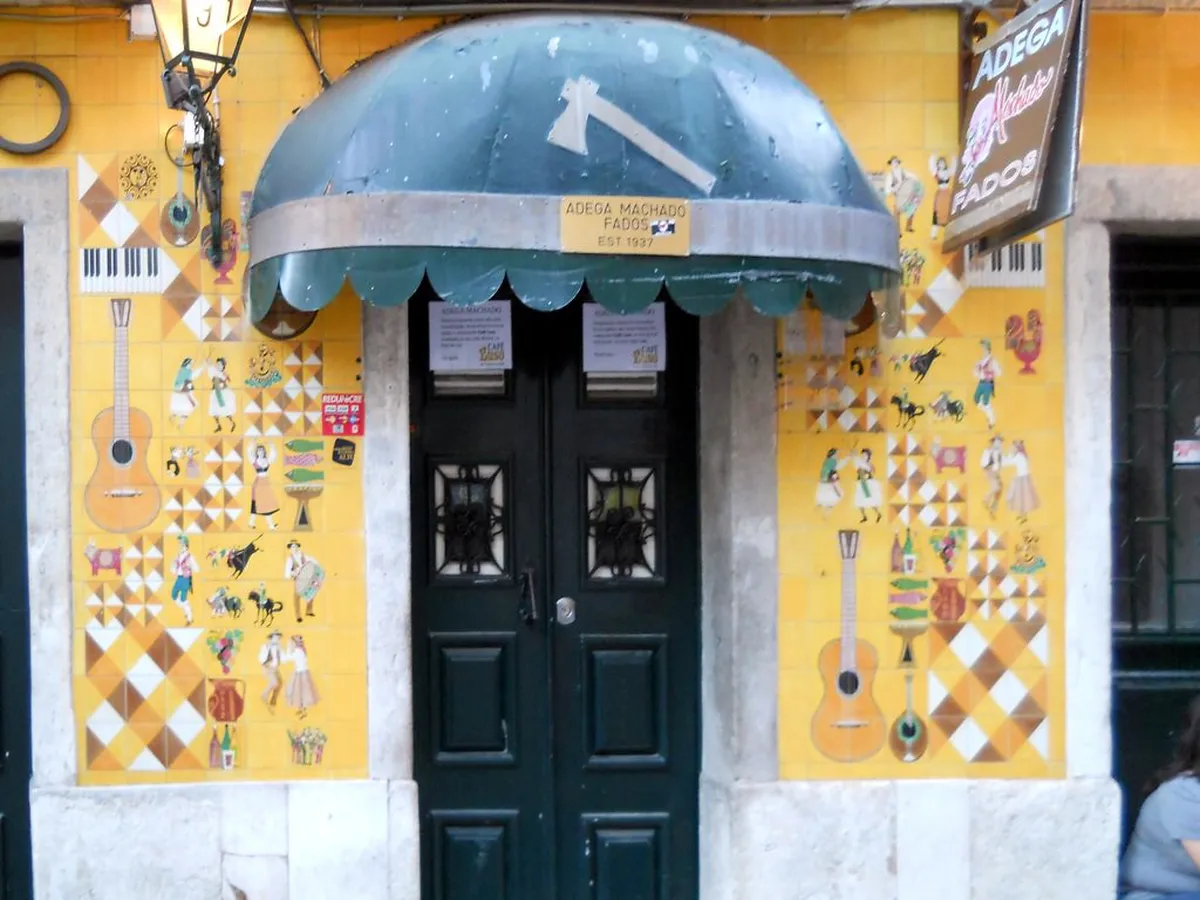 Bairro Alto Fado Bars: The Complete Guide (2026 Guide)December 11, 2025
 Cheap Fado Bars in Bairro Alto Lisbon for 2026December 11, 2025
- Authentic Bairro Alto Fado Experience: Your 2026 GuideDecember 10, 2025
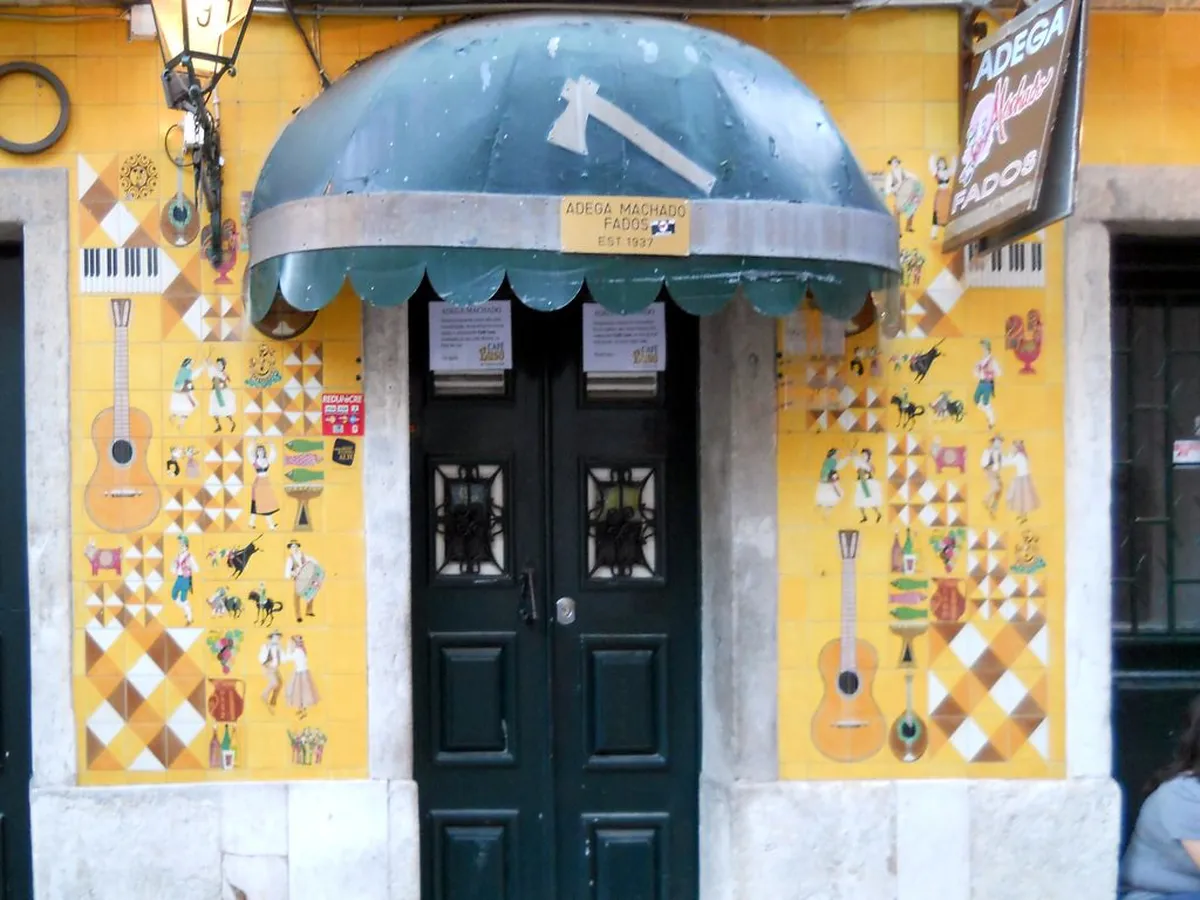 Best Fado Bars in Bairro Alto, Lisbon (2026)December 10, 2025