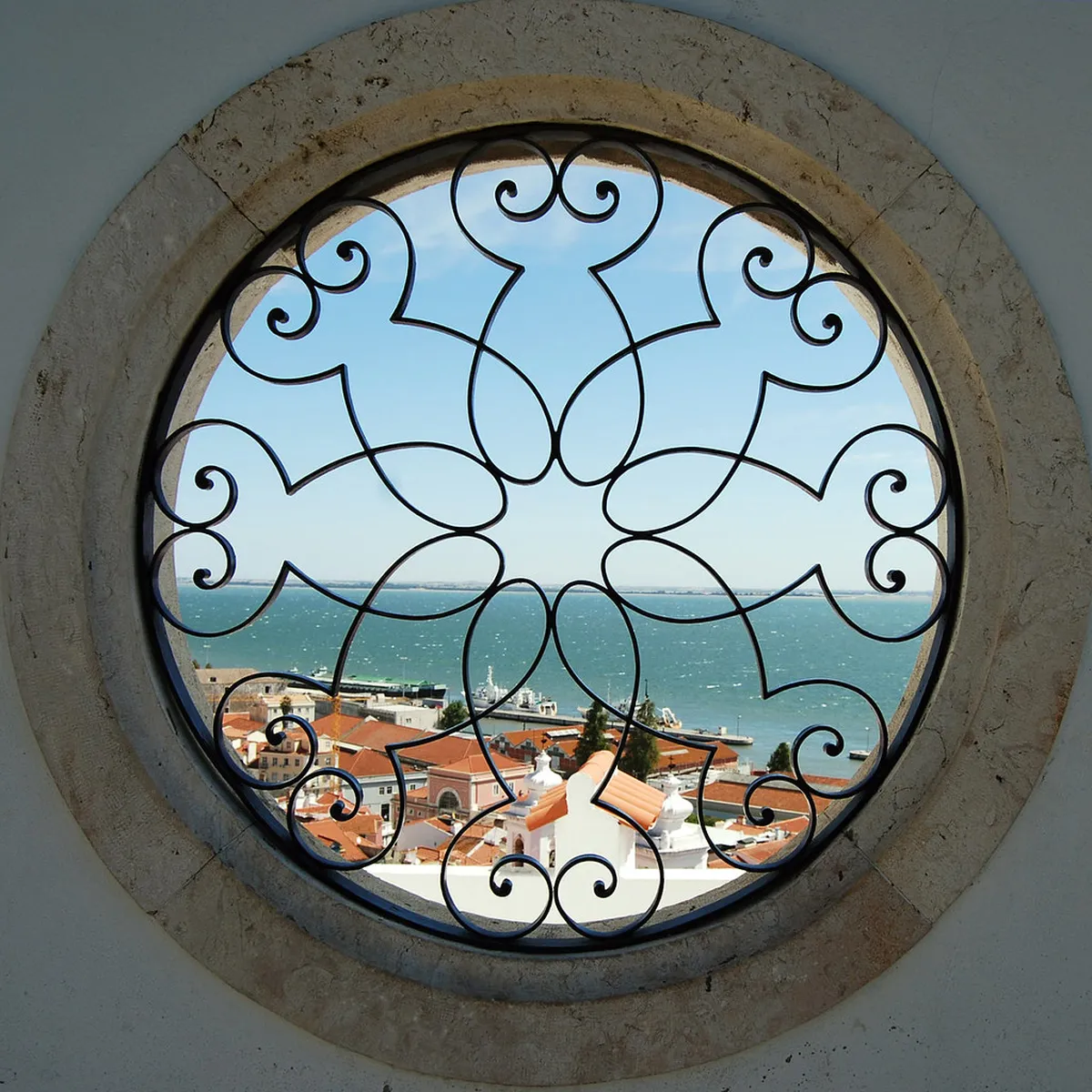
Bairro Alto Fado Bars: The Complete Guide (2026 Guide)
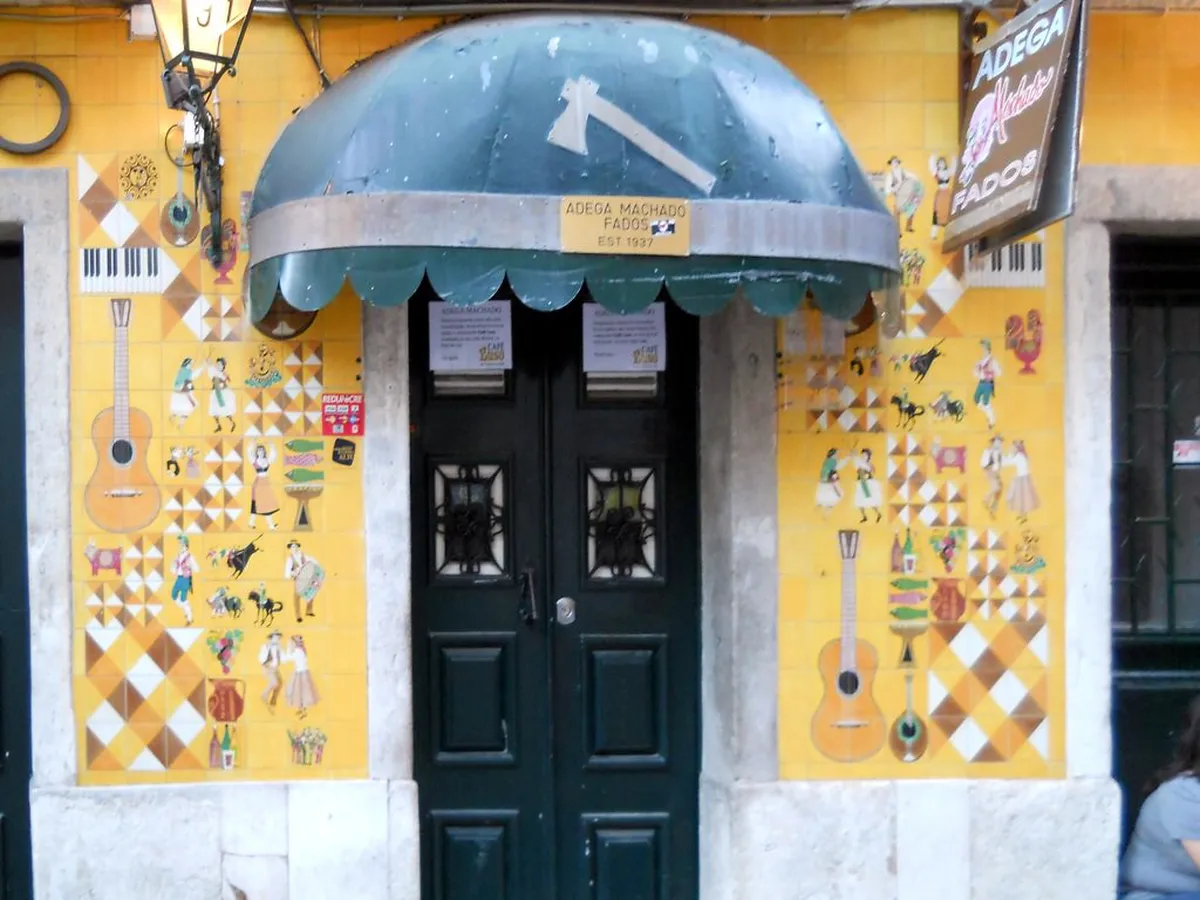
Table of Contents
Bairro Alto fado bars are the definitive starting point for anyone who wants to understand fado — Portugal’s UNESCO-listed genre of profound longing. This narrow hilltop neighborhood is where fado houses multiplied from the 1930s onward, turning working-class taverns into intimate temples of sound. Whether you are looking for a spontaneous fado vadio night or a formal dinner-and-show experience, this guide explains what fado bars are, how they differ from each other, what the etiquette rules are, and how to book them in 2026.
For curated venue picks see our best fado bars in Bairro Alto list. For budget-friendly options, read our cheap fado bars in Bairro Alto guide. And for a deeper immersive visit, our authentic Bairro Alto fado experience guide covers the full cultural ritual step by step.
The History of Fado in Bairro Alto
Fado emerged in Lisbon in the early 19th century in the city’s poorest districts — sailors, bohemians, and dockworkers turned personal grief and longing into song. The oldest form, fado do marinheiro (mariner’s fado), gave rise to a constellation of sub-styles: fado castiço, fado corrido, fado boémio, and fado aristocrata. Bairro Alto, then a working-class maze of narrow streets, became fado’s first formal home.
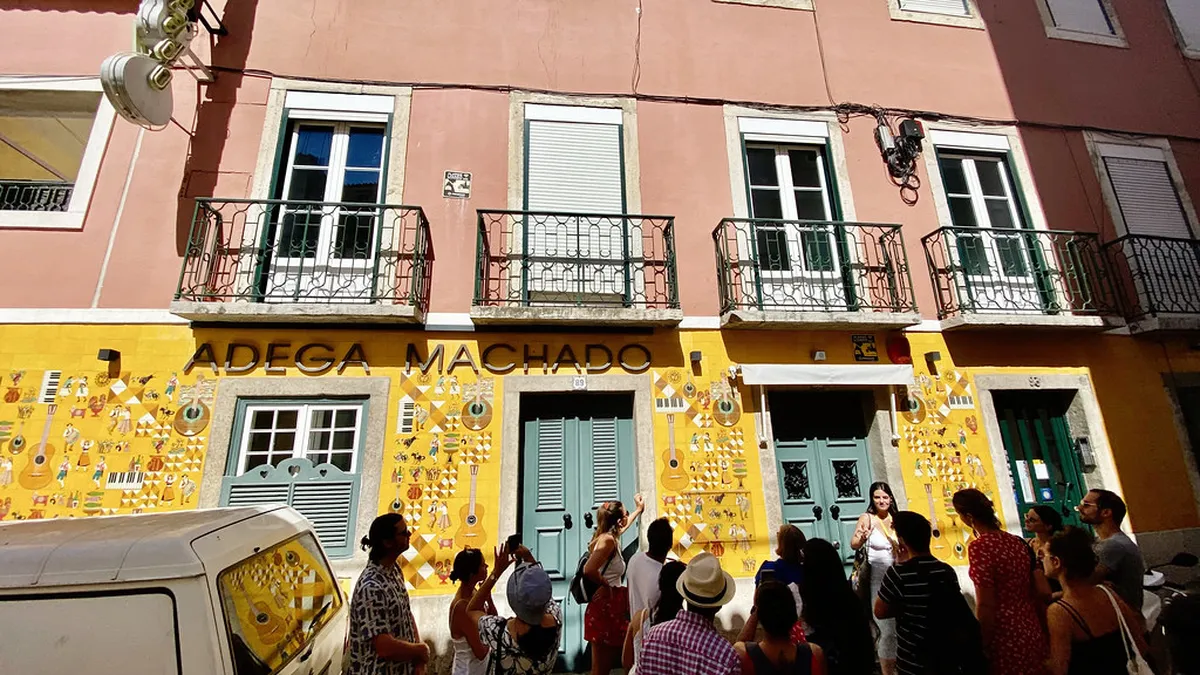
From the 1930s onward, casas de fado (fado houses) began to appear in force across Bairro Alto. The genre’s golden age — roughly 1940 to 1960 — produced its most celebrated voices, most famously Amália Rodrigues, who carried fado to international audiences for the first time. Venues on Rua do Norte, Rua da Barroca, and Rua do Diário de Notícias became institutions, many of which still operate today.
In 2011, fado received UNESCO Intangible Cultural Heritage status, cementing what locals had long known: this is not background music. It is a living oral tradition, and Bairro Alto is one of its two heartlands alongside Alfama. Walking into a fado house here is walking into more than 180 years of collective Portuguese memory.
Casa de Fado vs. Tasca: Understanding the Two Types of Fado Bar
The single most important distinction for first-time visitors is the difference between a casa de fado and a tasca. Getting this wrong means paying for an experience you did not want — or missing the one you did.
Casa de fado (fado restaurant or fado house) is a formal dining venue where professional fadistas perform set shows across a full dinner service. Guests pay a minimum spend — typically €50–€80 per person in 2026 — which covers a multi-course Portuguese meal, wine, and the performance. Venues like O Faia (Rua da Barroca 54–56) and Adega Machado (Rua do Norte 91) fit this model. Shows are structured: performers rotate across the evening, with each singer delivering three to four songs before passing to the next. The setting is dimly lit, the tables are set for dinner, and the audience is expected to maintain absolute silence during each song.
Tasca (tavern) is an informal neighbourhood bar that hosts fado vadio — literally "vagrant fado," the spontaneous, amateur tradition. Singers are not necessarily paid professionals; they perform out of love for the art, often showing up unannounced. You pay for your drinks and perhaps a small plate of food. Entry is commonly free or costs only a token amount. Tasca do Chico (Rua do Diário de Notícias 39) is Bairro Alto’s most celebrated example: a tiny space founded in 1996, originally a storage room for sausages and olives, now famous for performances that occasionally draw names like Mariza without announcement.
The short version: go to a casa de fado if you want a curated, guaranteed-quality dinner show; go to a tasca if you want the raw, unpredictable energy of fado the way it was sung before stages existed.
What to Expect During a Fado Performance
A fado performance is built around the fadista — a solo singer — supported by exactly two musicians: one playing a steel-string acoustic guitar (viola baixo) and one playing the 12-string Portuguese guitar (guitarra portuguesa), whose bell-like treble is the sound most people associate with fado. The three performers stand or sit close together, usually without a raised stage, which creates an unusual intimacy: you can see the singer breathe.
The subject matter is consistently saudade — a Portuguese word that translates imperfectly as melancholic longing for something lost or unattainable. Songs cover love, the sea, fate, displacement, and death. Performances are emotionally direct; it is not uncommon for audience members to cry.
At a formal casa de fado, the evening runs three to four hours with food service and fado sets interspersed. If that is too long, many venues now offer a 60–90 minute pre-dinner fado show. At a tasca the night is more free-form: singers arrive, perform a set, make way for the next, and conversations in Portuguese weave around the music in the gaps.
Fado Etiquette: The Rules You Must Know
Fado etiquette is not optional — it is part of the art form. Breaking it marks you as a tourist who does not respect the culture. Every serious venue posts a version of the same sign at the door: Silêncio, que se vai cantar o Fado — Silence, Fado will be sung.
- Stop talking the moment the fadista stands. Not after the first note — before it. The silence that precedes fado is itself part of the performance.
- No phone screens. The glow disrupts both the dimly lit atmosphere and the performers’ concentration. Take photos only in the gaps between sets, never during a song.
- No clinking glasses. Even the casual sound of a glass being set down is considered disrespectful. Handle drinks slowly and quietly during songs.
- Applaud only after the song ends. Do not applaud in the middle of a song regardless of how moved you are. Wait for the final note, then applaud warmly.
- Do not sing along. Even if you know the words. Even if you are Portuguese. The performance belongs to the fadista.
- Coimbra fado is different. In Coimbra — a separate fado tradition from university culture — audiences do not applaud at all; they clear their throats softly. Bairro Alto is Lisbon fado: applause after the song is expected and welcome.
Top Bairro Alto Fado Bars for an Authentic Experience
Choosing an authentic fado bar is the difference between a life-changing cultural evening and an overpriced tourist floor show. The following venues have built genuine reputations among both locals and informed visitors.
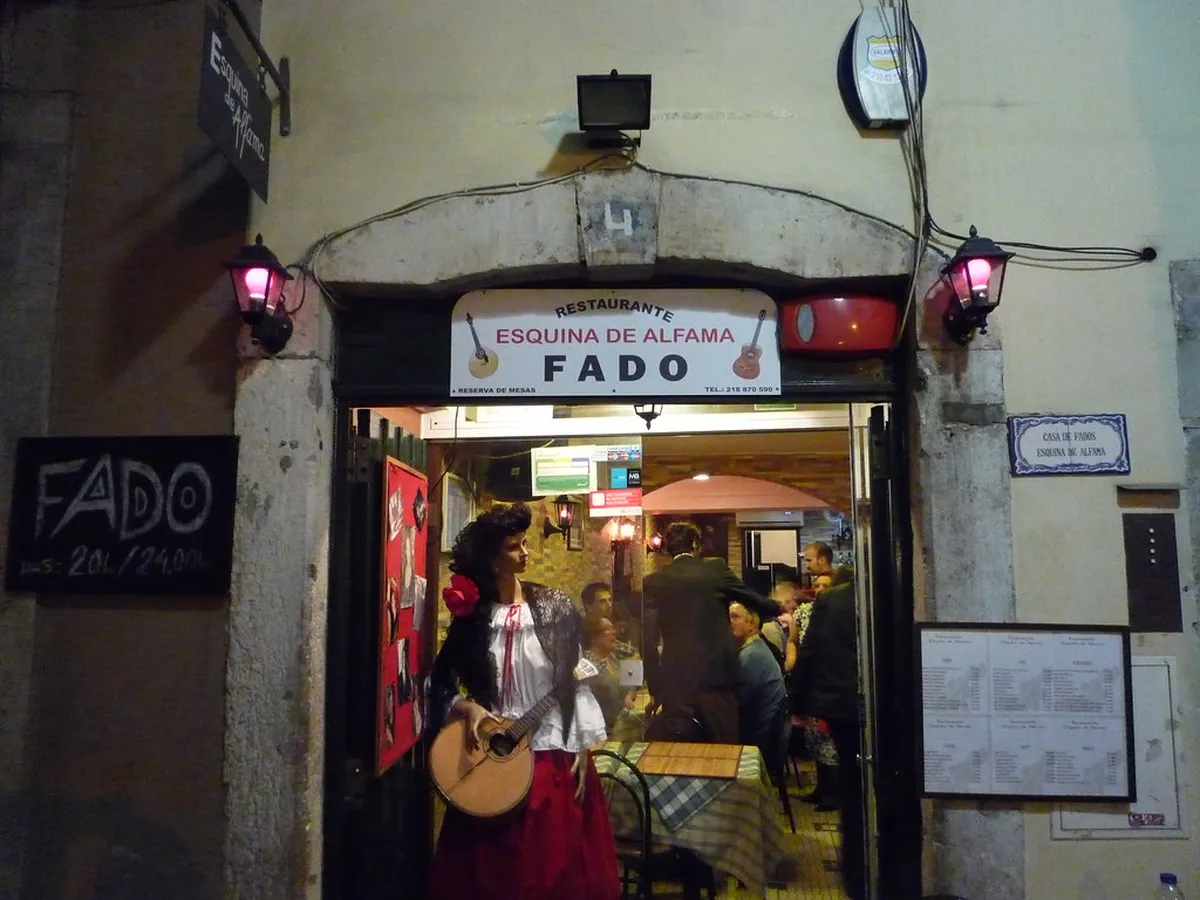
Tasca do Chico (Rua do Diário de Notícias 39) is the gold standard for fado vadio. Opened in 1996, this tiny bar seats around 25 people in a space covered in football scarves and colourful paintings. Drinks are inexpensive — a beer runs around €3–€4 in 2026. Entry is free; the house expects you to buy at least one round. Shows begin around 8:00 PM. Arrive by 7:30 PM or you may not get in.
O Faia (Rua da Barroca 54–56) is one of Bairro Alto’s oldest formal fado houses, consistently praised for its professional roster of fadistas and its traditional Portuguese kitchen. In 2026 expect a minimum spend of around €55–€65 per person including dinner. Reservations are essential, especially Thursday through Saturday.
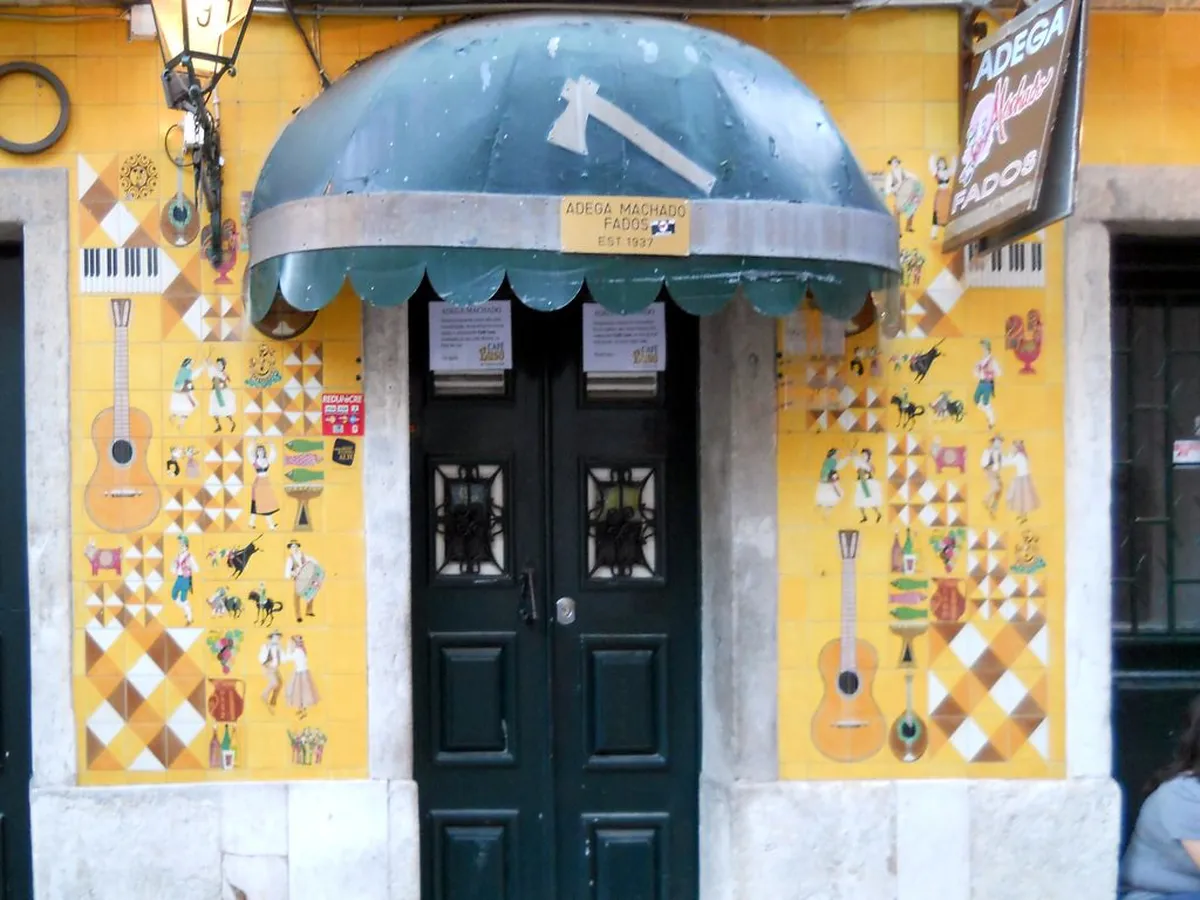
Adega Machado (Rua do Norte 91) has been running nightly shows since 1937, making it one of the longest-operating fado houses in Lisbon. The ambience is elegant without being stiff. Regional dishes — salt cod, grilled octopus, caldo verde — accompany the evening. Minimum spend in 2026 is approximately €50–€60 per person. Book via their website at least three days in advance for weekend dates.
Café Luso (Travessa da Queimada 10) operates in the cellar of an 18th-century palace that survived the 1755 earthquake. The stone vaulted ceilings provide exceptional acoustics and contribute to a historical atmosphere unlike any other venue in the neighbourhood. It is more expensive than most — budget €70–€80 per person in 2026 — but the setting is extraordinary.
For a truly intimate feel, Senhor Vinho (Rua do Meio à Lapa 18) sits just outside Bairro Alto proper but is worth the short walk. Known for presenting some of Lisbon’s finest voices in a small, focused setting, it is a favourite of fado connoisseurs rather than general tourists.
Reservation Tips and Practical Booking Advice
Booking a fado bar in Bairro Alto for 2026 is less complicated than it used to be, but the rules still catch visitors off guard. Follow this approach to avoid disappointment.
Book casas de fado 3–7 days in advance. Most formal fado restaurants in Bairro Alto seat between 40 and 80 guests. They fill to capacity on Thursday, Friday, and Saturday evenings from May through October. Call or email the venue directly — most have English-speaking staff — or book through their own website rather than third-party platforms to avoid fee markup.
For tascas, arrive early instead of booking. Most tascas do not take reservations. Arriving 30–40 minutes before the stated start time is the only reliable strategy. Tasca do Chico does not accept bookings; it is strictly first-come, first-seated.
Confirm the minimum spend before you arrive. Ask explicitly whether the minimum spend includes wine or only food, and whether service is included. In 2026, a standard Bairro Alto fado dinner minimum runs €45–€80 depending on the venue. Some include a half-bottle of wine per person; others charge wine separately at €15–€25 per bottle.
Consider the pre-dinner show option. Several venues — including Café Luso and Adega Machado — now offer a 60–90 minute fado-only show starting around 6:30 PM at a flat ticket price of €20–€30 per person. This is ideal if you want the music without committing to a full dinner, or if you want to eat elsewhere on the same evening.
Tasca do Chico does not take reservations. Arriving by 7:30 PM — roughly 30 minutes before the 8:00 PM start — is the only reliable way to secure a seat in this 25-person bar.
Keep cash for tascas. Some smaller venues do not accept card payment. Bring at least €20–€30 cash per person to be safe.
Costs and Practicalities of Visiting Fado Bars
A single beer at a fado tasca in 2026 costs €3–€4. A glass of house wine runs €4–€6. If you spend the evening in a tasca like Tasca do Chico with three or four drinks, the total per-person cost is typically €15–€25.
At a formal casa de fado, the minimum spend of €45–€80 per person covers a multi-course Portuguese meal and the performance. Wine is often extra. Total per-person cost including drinks at a mid-range venue like O Faia typically lands at €65–€90 in 2026.
Most Bairro Alto fado bars open at 7:00–8:00 PM. Performances usually begin between 8:00 PM and 9:00 PM and continue until midnight or later. Dress code is generally smart-casual; formal attire is not required but overly casual dress (shorts and flip-flops) is frowned upon at the more established casas de fado.
Always confirm whether the minimum spend at a casa de fado includes wine before you arrive. At some venues the stated €45–€80 minimum covers food only — wine is charged separately at €15–€25 per bottle, which can push the total per-person cost well above expectations.
| Venue | Type | Min. Spend (2026) | Reservation | Show Start |
|---|---|---|---|---|
| Tasca do Chico | Tasca (fado vadio) | €15–€25 (drinks only) | Not accepted — arrive by 7:30 PM | ~8:00 PM |
| O Faia | Casa de fado | €55–€65 pp incl. dinner | Essential (3–7 days ahead) | Evening service |
| Adega Machado | Casa de fado | €50–€60 pp incl. dinner | Essential (3+ days ahead) | Evening service |
| Café Luso | Casa de fado | €70–€80 pp incl. dinner | Essential | ~6:30 PM (pre-dinner show) or evening |
| Senhor Vinho | Casa de fado | ~€65–€90 pp total | Recommended | Evening service |
Getting to Bairro Alto is straightforward. The Elevador da Glória funicular runs from Praça dos Restauradores to the top of the hill. Taxis and ride-shares drop off on Rua do Século or Rua da Misericórdia. Walking from Chiado takes about ten minutes. For more on how to spend the full evening in the neighbourhood, the complete Bairro Alto nightlife guide covers bars, restaurants, and the full night-out sequence.
Beyond Fado: Bairro Alto’s Nightlife and Culture
Bairro Alto is a paradox: one of Lisbon’s most intense nightlife districts and one of its most serious cultural ones. The same streets that host Tasca do Chico also hold dozens of bars where people stand on the cobblestones with drinks until 2:00 AM. There is no tension between the two — you can end a fado evening by stepping fifty metres down the street into a buzzing neighbourhood bar.
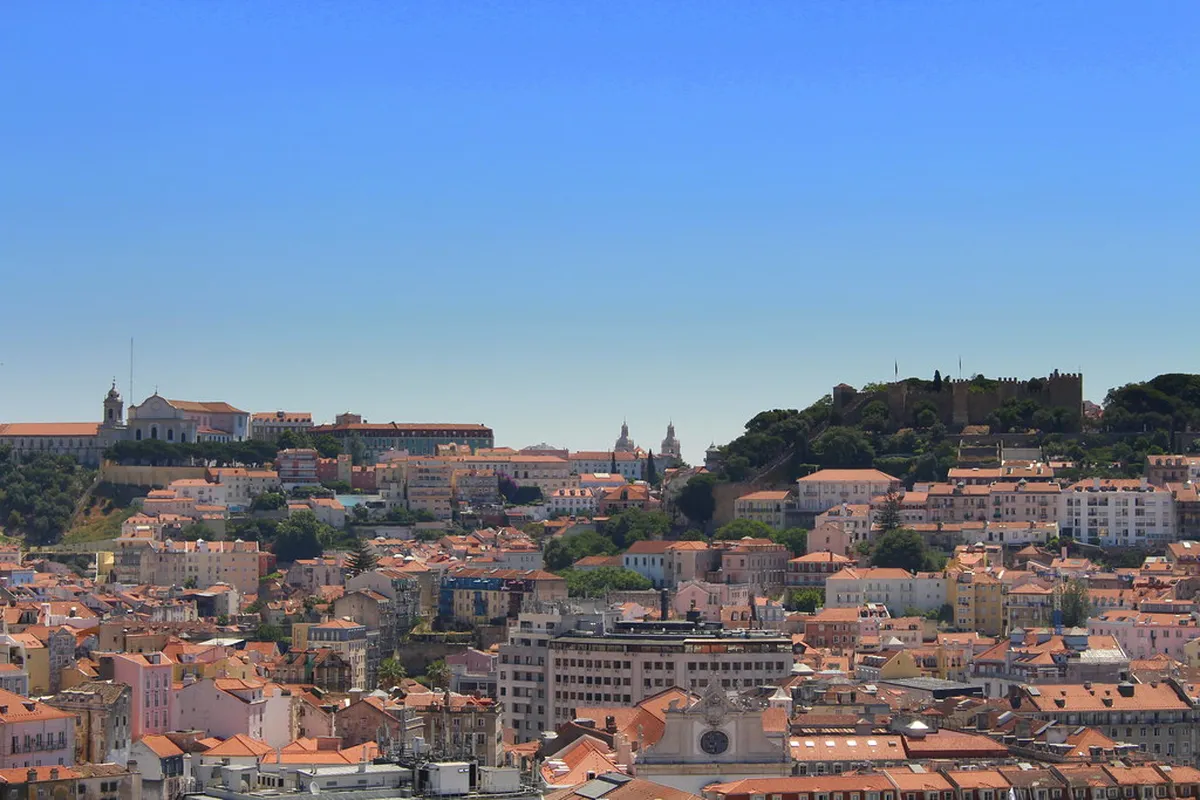
Explore the area before your fado show. Rua do Diário de Notícias and Rua da Barroca are both worth a slow walk in the early evening. The Miradouro de São Pedro de Alcântara offers a view over the Baixa and the Castle of São Jorge that is worth seeing before dark. The neighbourhood also holds independent bookshops, small galleries, and vintage clothing stores that close by 7:00 PM — worth catching before the night begins.
Frequently Asked Questions
What exactly is a fado bar in Bairro Alto?
A fado bar in Bairro Alto is a venue — either a formal casa de fado (fado restaurant with professional performers and dinner service) or an informal tasca (neighbourhood tavern hosting spontaneous fado vadio) — where live fado music is performed. The neighbourhood has been a centre of fado since the 1930s.
What is the difference between a casa de fado and a tasca?
A casa de fado is a formal restaurant with professional fadistas, a set dinner menu, and a minimum spend of €45–€80 per person in 2026. A tasca is an informal tavern hosting fado vadio — amateur, spontaneous singing — where you pay only for drinks, often with no entry charge.
What is the best way to find cheap Bairro Alto fado bars?
Look for fado vadio tascas, particularly Tasca do Chico on Rua do Diário de Notícias. Entry is free; you only pay for drinks (€3–€4 per beer in 2026). For a longer list of budget options see our cheap fado bars in Bairro Alto guide.
Do I need reservations for fado bars in Bairro Alto?
For formal casas de fado (O Faia, Adega Machado, Café Luso), book 3–7 days in advance, especially for Thursday–Saturday evenings. For tascas like Tasca do Chico, reservations are not accepted — arrive 30–40 minutes before the 8:00 PM start time to secure a seat in 2026.
What should I expect during a fado performance?
A solo singer (fadista) performs accompanied by a classical guitar and a 12-string Portuguese guitar in a dimly lit, intimate space. Silence is mandatory during songs. Expect deeply emotional, melancholic music themed around longing and fate. Applaud warmly after each song ends.
Is it rude to talk during fado?
Yes — talking, whispering, or clinking glasses during a fado song is considered deeply disrespectful to both the performers and other audience members. Every serious fado venue in Bairro Alto posts the rule at the door: Silêncio, que se vai cantar o Fado. Conversations belong only in the gaps between songs.
How much does a fado dinner in Bairro Alto cost in 2026?
Formal fado restaurants charge a minimum spend of €45–€80 per person in 2026, typically including a multi-course Portuguese meal and the performance. Wine is often extra. Budget-conscious visitors can enjoy a full fado evening at a tasca for €15–€25 total by paying only for drinks.
Understanding what Bairro Alto fado bars are — their history, their two distinct formats, their strict etiquette, and their pricing in 2026 — is the foundation of any genuine fado evening. Choose the format that fits your night: a tasca if you want spontaneous, unscripted culture, a casa de fado if you want a curated dinner-and-show. Either way, you are entering a tradition that has defined Portuguese identity for nearly two centuries.
Key Takeaways
- Bairro Alto has been a fado stronghold since the 1930s — the neighbourhood has living historical weight, not just tourist venues.
- Know the difference: casas de fado are formal dinner-and-show restaurants (€45–€80 per person in 2026); tascas are informal taverns with free-entry fado vadio (pay drinks only).
- The cardinal etiquette rule: absolute silence during songs. Talk only in gaps between performers.
- Book casas de fado 3–7 days ahead; for tascas, arrive 30–40 minutes early — they do not take reservations.
- Seek out ‘Fado Vadio’ for a spontaneous, authentic and budget-friendly fado experience.
Continue exploring Lisbon's historic quarter
- Bairro Alto Fado Bars: The Complete Guide (2026 Guide)December 11, 2025
 Cheap Fado Bars in Bairro Alto Lisbon for 2026December 11, 2025
 Authentic Bairro Alto Fado Experience: Your 2026 GuideDecember 10, 2025
 Best Fado Bars in Bairro Alto, Lisbon (2026)December 10, 2025