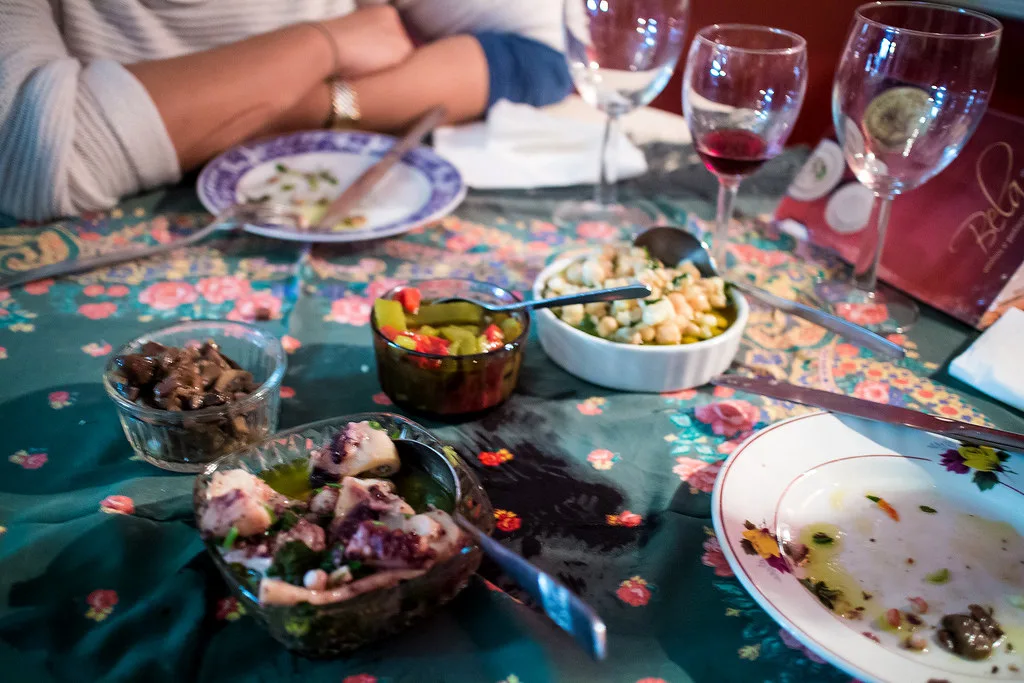
Bairro Alto is quiet by afternoon and loud by midnight, which is why its food scene rewards timing. The best night starts before the plastic cups take over Rua da Atalaia, with petiscos, a glass of Portuguese wine, and a clear sense of which streets suit dinner rather than drinking.
This bairro alto petiscos and wine guide focuses on the useful decisions: what petiscos are, where to eat, how to avoid tourist-trap fado dinners, and when to arrive in 2026. It keeps the neighborhood's two personalities in view, from rough-edged tascas to serious restaurants hidden behind heavy doors.
Understanding Petiscos: The Heart of Portuguese Food Culture
Petiscos are Portuguese small plates, but they are not just tapas with another name. Spanish tapas often carry the origin story of a snack placed over a drink; petiscos are usually ordered deliberately, paid for separately, and built around Portuguese pantry staples such as bacalhau, pork sausage, octopus, clams, cheese, and olive oil.
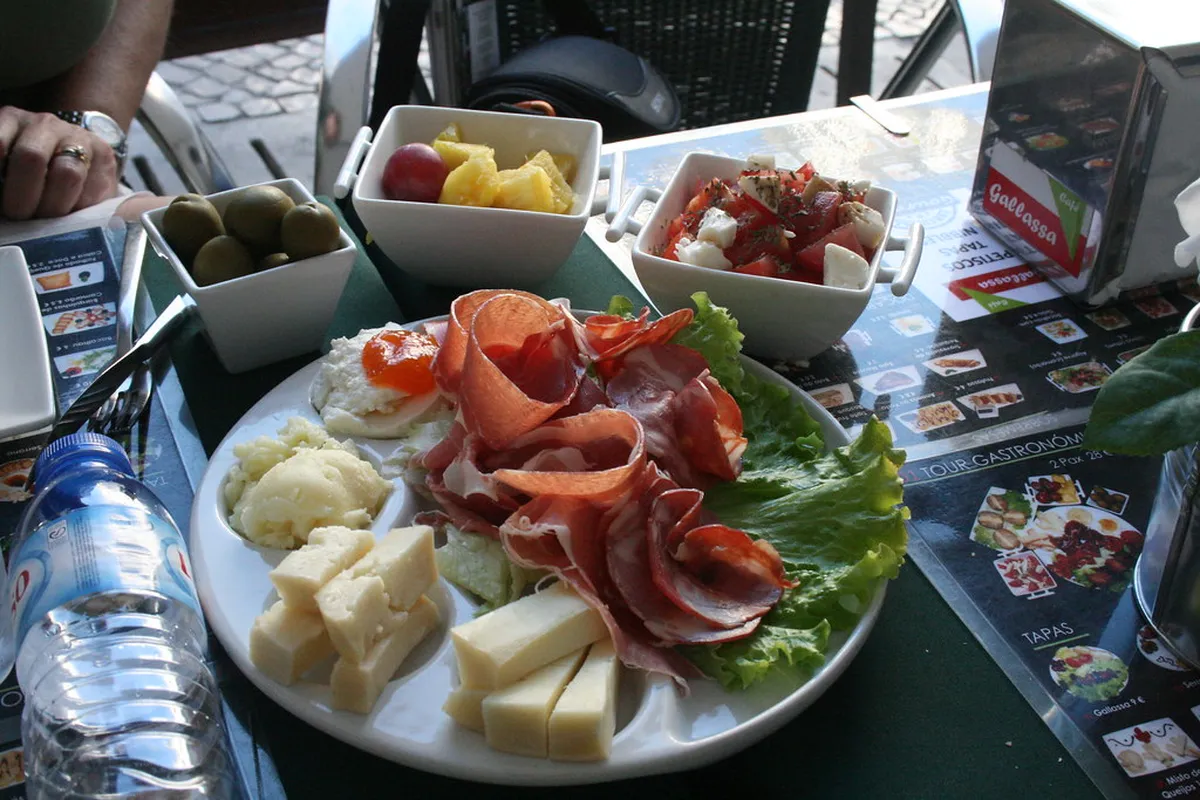
The rhythm matters as much as the food. A good petiscos night is slow and social, with two or three plates, a glass of wine, then a move to another counter or table. In Bairro Alto that rhythm fits the streets, because the district shifts from dinner lanes to nightlife lanes within a few hours.
Start simple if you are new to the format. Olives, bread, queijo de Azeitão, cod fritters, chouriço assado, and polvo à lagareiro give you a useful baseline before you chase more creative kitchens. For broader neighborhood context, the Rough Guides Bairro Alto guide is helpful on how the area's food, fado, and late-night scene overlap.
Top-Rated Petiscos and Wine Bars in Bairro Alto
Bairro Alto has hundreds of doors, so choose by mood rather than by the loudest menu outside. The strongest places tend to have a short list, staff who can explain the wine, and a room that still feels like a restaurant after 22:00. For drinking-first nights, keep this guide alongside our broader list of the best Bairro Alto bars.
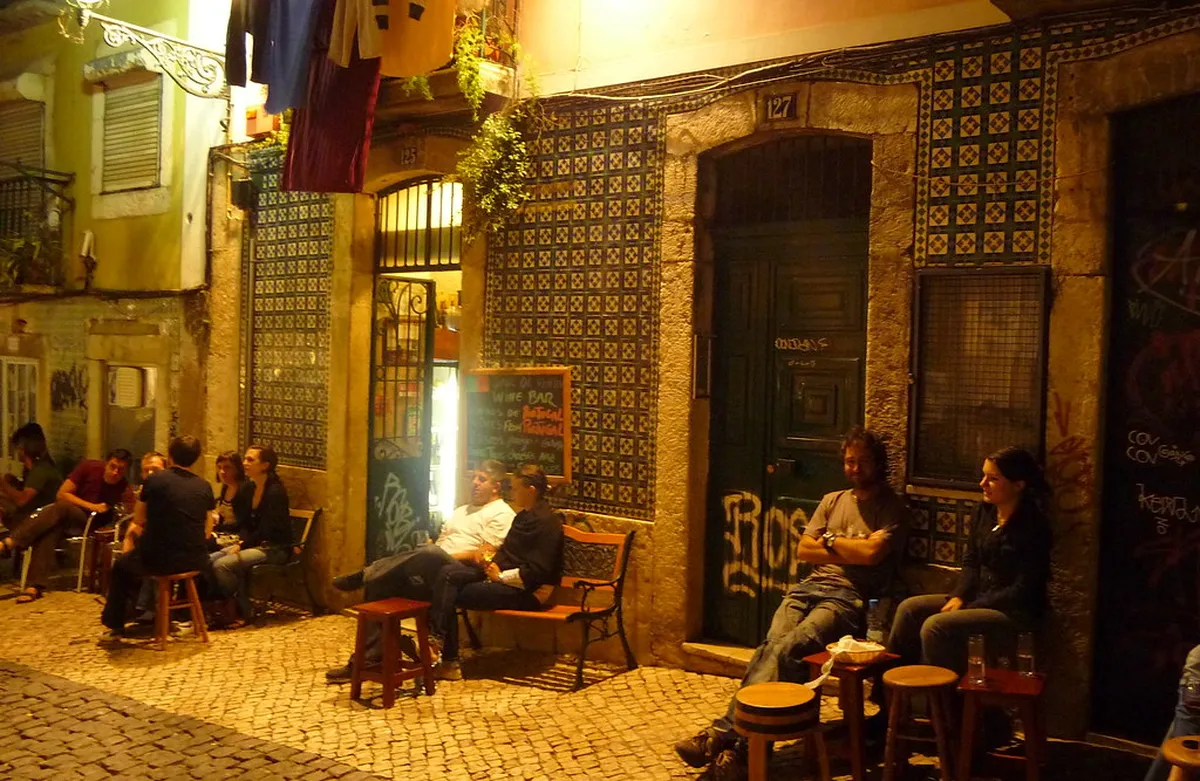
A Obra is the right pick when you want creative petiscos without losing the neighborhood's intimacy. The small room, Rua da Rosa setting, and chef-led counter style suit seasonal plates and Portuguese bottles that are more interesting than the standard house red.
Tasca do Chico remains the classic Bairro Alto fado-and-snack stop, especially if you want chouriço, red wine, and a raw introduction to live fado rather than a polished stage show. Casanostra is a calmer fallback when the streets feel too hard-edged; it leans Italian, but the room has the old Bairro Alto warmth that makes a late dinner linger.
- Book A Obra or Essencial Andre Cruz when the food is the main event and you want a seat, not just a standing drink.
- Choose Tasca do Chico for a crowded, informal fado stop where the music matters more than comfort.
- Use Casanostra when you need a quieter dinner room before walking back into the nightlife grid.
- Look just outside the hardest-partying lanes, especially toward Rua da Rosa and Príncipe Real, when conversation matters.
The Insider Move: High-End Gastronomy vs. Traditional Tascas
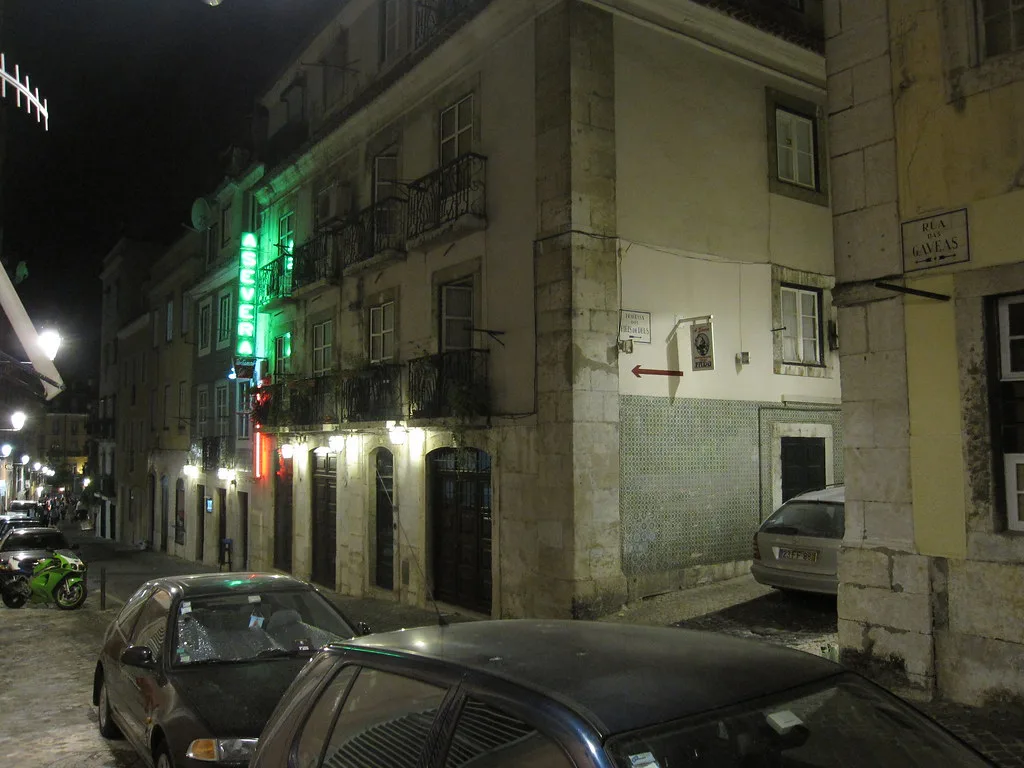
The smartest way to read Bairro Alto is as two neighborhoods occupying the same streets. One is the open-air party of plastic cups, cheap beer, and bar promoters. The other is a set of serious dining rooms that close the door on the noise and serve some of Lisbon's most precise cooking.
Restaurants such as 100 Maneiras and Essencial Andre Cruz are not casual petiscos bars. They are reservation-led rooms for tasting menus, polished service, and higher wine spend. That contrast is the point: you can step out from a quiet, ambitious dinner directly into the Bairro Alto nightlife that made the district famous.
Traditional tascas still matter because they keep the district grounded. They are better for salt cod, grilled sausage, house wine, and a loose evening with no fixed script. Modern rooms are better when you want technique, calm, and a bill that reflects the extra labor.
| Choice | Typical spend | Vibe | Order |
|---|---|---|---|
| Traditional tasca | €12-€25 per person | Loud, casual, fast-moving | Chouriço, bacalhau fritters, house red |
| Modern petiscos bar | €25-€45 per person | Small room, better wine advice | Octopus, seasonal vegetables, Vinho Verde |
| Fine-dining room | €80+ per person | Reserved, quiet, chef-led | Tasting menu with Portuguese wine pairing |
A Sample Bairro Alto Food and Wine Itinerary
Begin around 18:30 at Miradouro de São Pedro de Alcântara, when the view is still useful and the dinner streets have not yet filled. The nearby bars near Bairro Alto miradouro work well for one aperitif, especially if you want the skyline before the alleys take over.

Move to your first petiscos stop around 19:30 or 20:00. Order two plates, not five, so you can keep moving: cod fritters with Vinho Verde, octopus with a white from Lisboa or Setúbal, or sausage with an Alentejo red. A structured Devour Tours route is useful inspiration if you prefer a guided sequence rather than improvising.
By 21:30, decide whether the night is about more food or music. If it is music, aim for an Authentic Bairro Alto Fado Experience: Your 2026 Guide before the room becomes impossible to enter. If you want deeper context on the dishes and families behind them, a 8 Things to Know About a Bairro Alto With Locals Tour can make the district easier to read.
After 23:00, the streets become the event. This is the moment for one last glass, not a delicate meal, unless you booked a late table somewhere serious. By midnight on weekends, Rua da Atalaia is more useful for atmosphere than for thoughtful eating.
Logistics: How to Get There and When to Arrive
The easiest arrival is the Elevador da Glória from Praça dos Restauradores to the São Pedro de Alcântara side of the hill. You can also walk up from Chiado and Largo de Camões, which is often faster in the evening than trying to get a taxi through the narrow streets. Avoid driving to the door; get dropped at Largo de Camões or Príncipe Real and walk in.
Use 19:00 as the earliest practical dinner target in 2026, but expect many kitchens to feel livelier from 20:00. Our Bairro Alto opening hours guide is useful before a weeknight visit, because small kitchens and fado rooms do not all keep the same schedule.
The best timeline is simple. Arrive before 20:00 if you want a table without stress, eat between 20:00 and 22:00, then decide whether to stay for fado or leave before the street crowds peak. Friday and Saturday streets are at their loudest after midnight, especially around Rua da Atalaia and the lanes west of Rua da Misericórdia.
Wine Pairing and Petiscos Price Index
A fair 2026 price for a casual petisco in Bairro Alto is usually €6-€12, with octopus, clams, and larger seafood plates often closer to €14-€18. A glass of house wine can still land around €3-€5 in a simple tasca, while natural or small-producer pours in modern bars commonly start around €6-€8.
Arrive before 20:00 if you want a table without stress. Most Bairro Alto kitchens feel livelier from 20:00 onward, and the best petiscos bars fill quickly on weekends — especially those that do not take reservations.
Pair by weight rather than by prestige. Vinho Verde works with cod fritters, clams, prawns, and fried green beans because the acidity cuts oil and salt. Alentejo reds suit chouriço, pork cheeks, and richer stews, while a small Ginjinha or port makes more sense after cheese or dessert than beside seafood.
Watch the couvert. Bread, olives, cheese, and butter may arrive automatically, but they are not free if you eat them. It is normal to wave them away politely, and it is smarter to spend that money on one better plate if you are trying to keep the night under budget.
The couvert — bread, olives, cheese, and butter placed on your table — is not free once you eat it. You can wave it away politely before touching any of it, and in budget-conscious sessions that is usually the smarter move.
Dietary Accommodations and Local Etiquette
Vegetarians should not assume every petiscos menu will be easy. Traditional counters lean heavily on seafood, pork, cod, and sausage, so look for peixinhos da horta, mushrooms, tomato rice, cheeses, olives, vegetable soups, and seasonal salads. Modern petiscos bars are usually better than old tascas for plant-forward plates.
If you have a serious allergy, choose a calmer restaurant early in the evening rather than a packed bar at midnight. Cross-contact is harder to discuss when staff are moving through a crowded room with loud music. Write the allergy in Portuguese on your phone and confirm it before ordering.
Reservations matter for A Obra, Essencial, 100 Maneiras, and any fado dinner with limited seating. Casual bars may not take bookings, so arrive early and be ready to stand with a glass while a table opens. Tipping is modest; rounding up or leaving 5-10 percent for good service is enough.
What to Skip on Rua da Atalaia
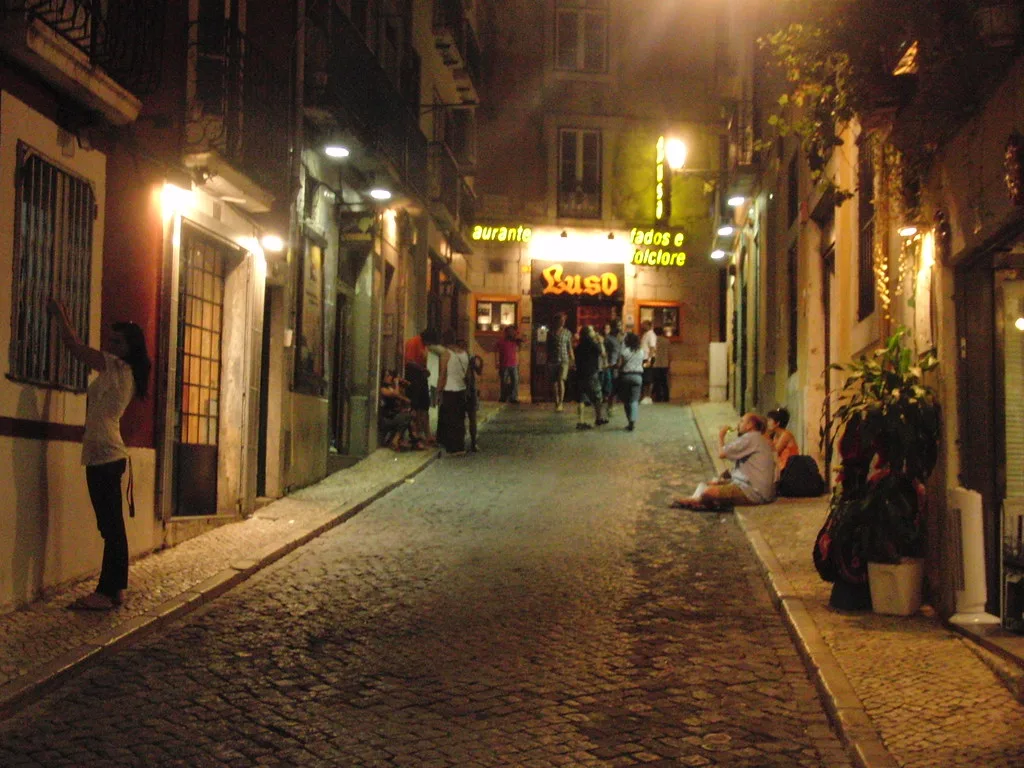
Rua da Atalaia is useful for nightlife, but it is not where every good meal hides. Be wary of laminated menus in several languages, promoters pushing cheap sangria, and bars advertising fado, dinner, and a drink at a price that looks too neat to be real. The food may be edible, but the experience is usually built for turnover.
Authentic fado houses feel more serious about silence, timing, and the singer than about selling a package at the door. If people keep talking through the performance, or if the room treats fado as background entertainment, move on. Tasca do Chico is crowded and imperfect, but it still gives visitors a more direct sense of the form than many commercial dinner-show rooms.
For quieter dining, use Rua da Rosa, the edge of Chiado, or the Príncipe Real side as your pressure release. Rua da Atalaia is best after dinner, when you want to see the party without asking it to provide the best plate of the night.
Must-See Landmarks and Nightlife Tips
Build one landmark stop into the evening so the night is not only bars. Igreja de São Roque is close, richly decorated, and easy to pair with an early dinner. The roofless Convento do Carmo and Museu Arqueológico sit just beyond the neighborhood and work better before dark, while Miradouro de São Pedro de Alcântara is the obvious sunset start.
Fado is the natural bridge between dinner and nightlife. It works best when you treat it as listening, not background noise, and when you accept that a cramped room can be part of the atmosphere. If you mainly want drinks, save fado for another night and let the musicians have a room that is paying attention.
Bairro Alto is generally safe, but crowded lanes invite pickpockets and nuisance sellers. Keep your phone and wallet close, ignore street dealers, and read our 9 Things to Know About Bairro Alto Safety at Night advice before a late weekend visit. For a lower-noise route, move between Rua da Rosa, São Pedro de Alcântara, and Príncipe Real instead of staying in the Atalaia crush.
For a broader overview of nightlife in this neighborhood, see our complete Bairro Alto nightlife guide.
Frequently Asked Questions
What is the difference between petiscos and tapas?
Petiscos are small versions of full Portuguese meals, whereas tapas are Spanish appetizers. While both involve sharing small plates, petiscos are usually ordered from a menu and feature distinct Portuguese flavors like salt cod and piri-piri. You can find many authentic petiscos bars throughout Bairro Alto.
What time do restaurants open in Bairro Alto?
Most kitchens in Bairro Alto open for dinner around 7:00 PM or 8:00 PM. However, the neighborhood does not truly come alive until after 10:00 PM. Many bars continue serving food and wine until well after midnight on weekends.
Is Bairro Alto safe for tourists at night?
Yes, Bairro Alto is generally very safe for tourists, though it gets extremely crowded. You should watch out for pickpockets in dense crowds and avoid buying anything from street vendors. Staying on well-lit main streets is always a good safety practice.
Do I need reservations for petiscos bars in Lisbon?
Reservations are recommended for modern or high-end restaurants like 100 Maneiras. Most traditional tascas operate on a first-come, first-served basis, especially for small groups. Arriving early is the best way to secure a table without a booking.
What are the best wines to pair with Portuguese petiscos?
Vinho Verde is a classic choice for seafood petiscos due to its light and crisp nature. For heavier meat dishes, look for bold red wines from the Alentejo or Douro regions. Port wine makes an excellent accompaniment to local cheeses and desserts.
Exploring Bairro Alto through its food and wine is one of the most rewarding experiences in Lisbon. From the rustic charm of traditional tascas to the innovation of modern chefs, there is something for every palate. The neighborhood offers a unique blend of history, culture, and gastronomy that defines the Portuguese spirit. Take your time to wander the streets and discover your own favorite hidden gems.
Remember to respect the local customs and enjoy the slow pace of a traditional petiscos meal. Whether you are listening to fado or sipping Vinho Verde, the memories of this district will stay with you. Lisbon continues to evolve, but the heart of Bairro Alto remains rooted in its culinary traditions. We hope this guide helps you have an unforgettable evening in one of Europe's most charming neighborhoods.