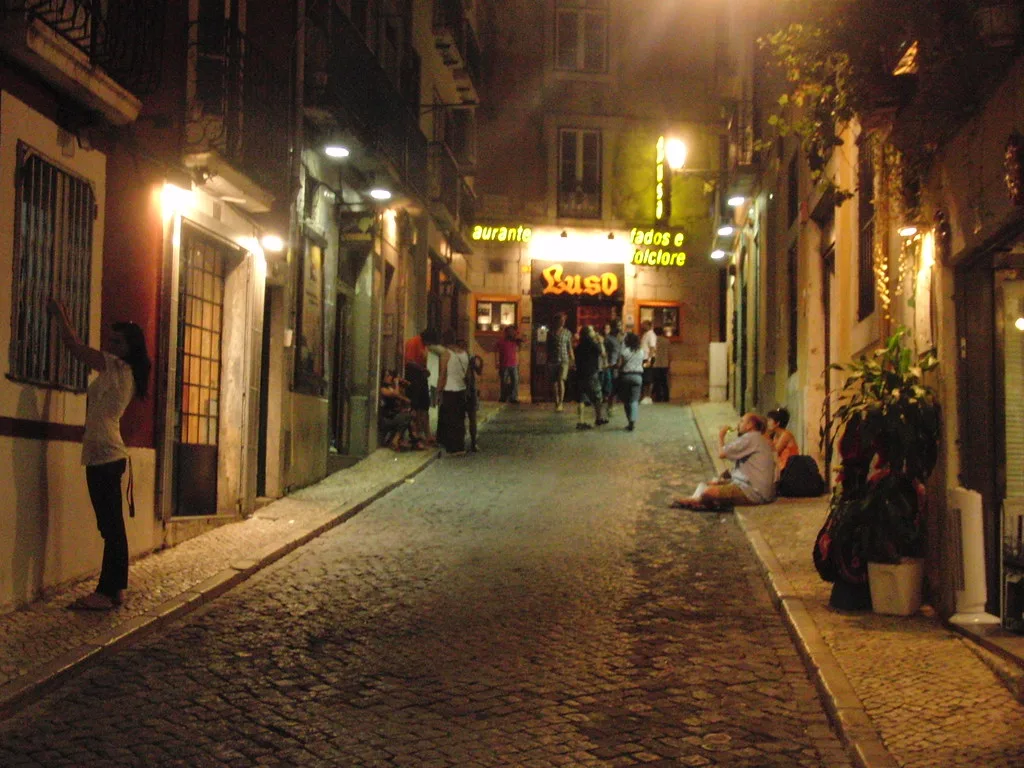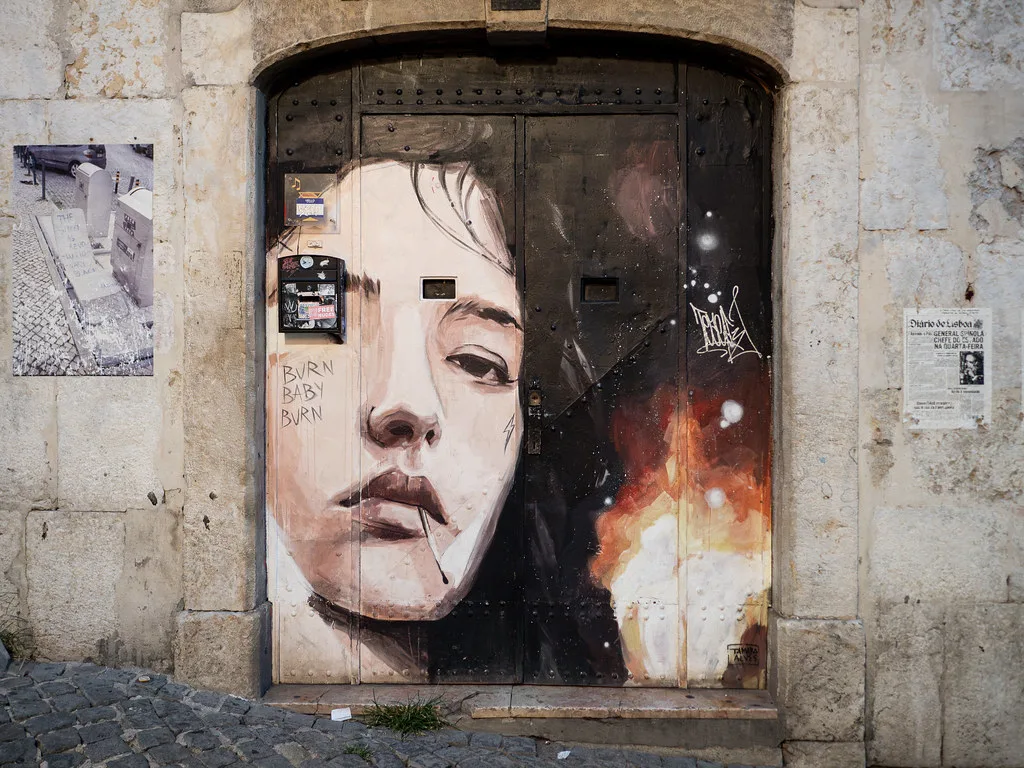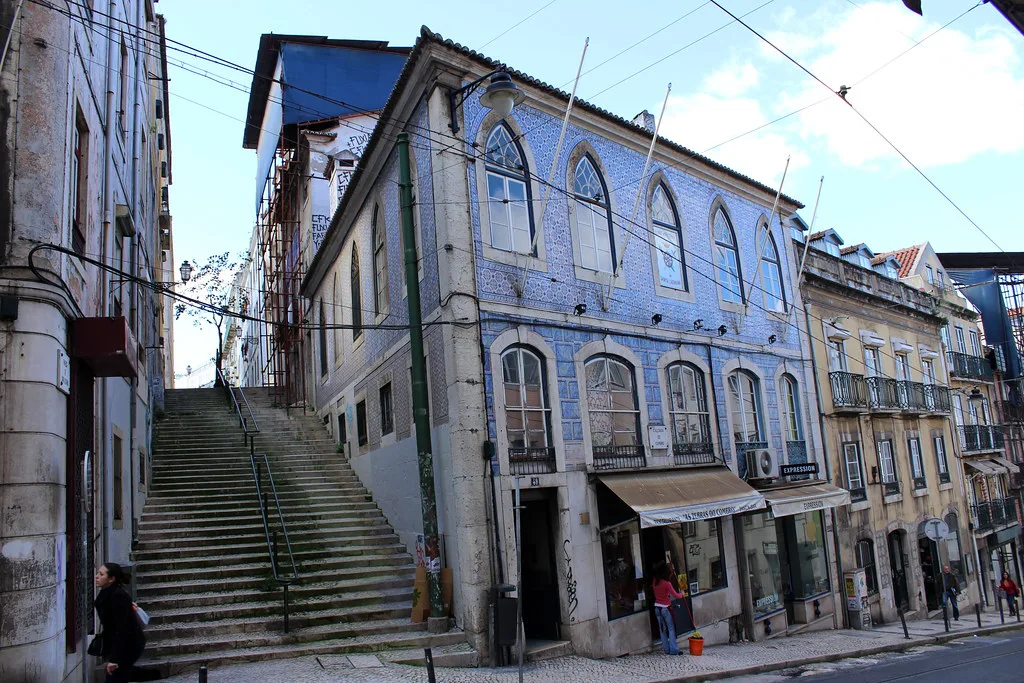
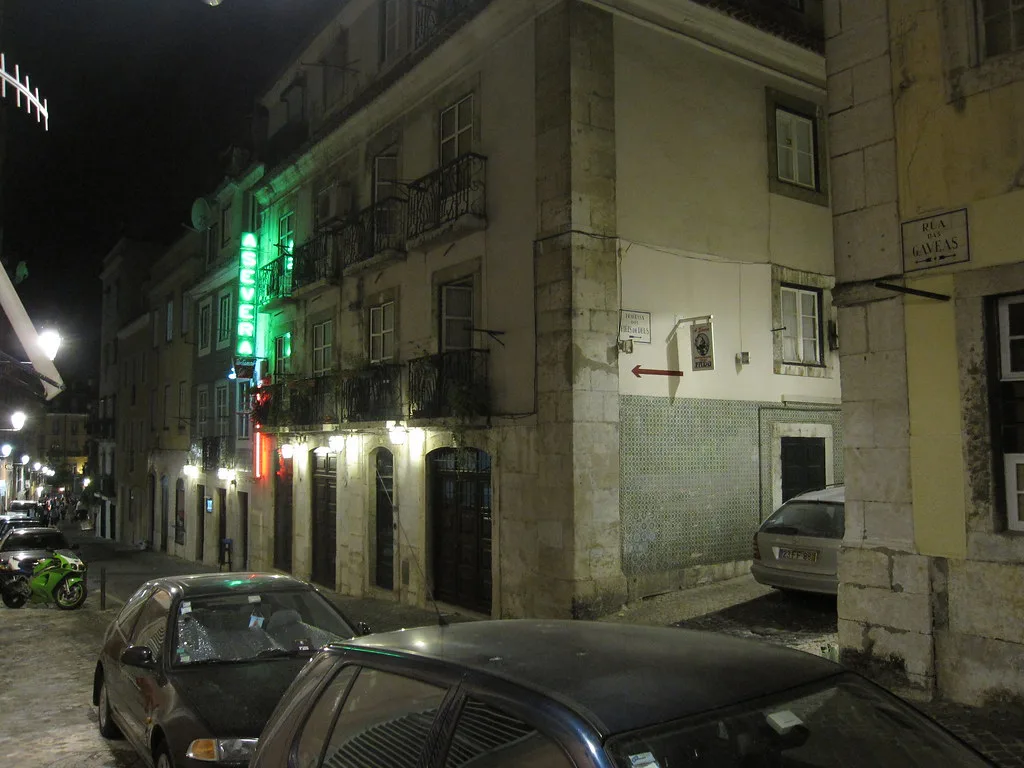
Lisbon's Bairro Alto district is casual, loud, late, and still residential. Understanding the bairro alto dress code and nightlife etiquette helps you enjoy the bar streets without looking like the group every doorman wants to avoid.
The area mixes pavement drinking, tiny music bars, smart-casual rooftops, and traditional Fado houses within a few steep blocks. What works at a Rua da Atalaia beer bar can feel wrong at a dinner Fado show or a post-02:00 club door.
The practical rule for 2026 is simple: dress comfortably, pace yourself, keep the street noise down, and know when to move downhill toward Cais do Sodré. That is how locals turn Bairro Alto into a good night rather than a chaotic one.
Our Top Tipsy Tours
A guided bar crawl makes sense if this is your first Lisbon night and you do not want to read the street alone. Bairro Alto rewards wandering, but a host helps you avoid empty early bars, tourist-trap shots, and venues where your group does not fit the room.
Our Bairro Alto Bar Crawl Itinerary: 10 Steps to Lisbon's Best Night works best as a structure, not a rigid script. Start with one seated drink, move into the pavement scene after 23:00, then decide whether to stay local or continue downhill after 02:00.
Do not treat a tour as permission to be loud in residential lanes. The good groups stay compact, order quickly, and leave queues quieter than they found them, which matters more at busy doors than a polished outfit.
Essential Tips for Your Bairro Alto Night
Wear flat shoes with real grip. The traditional Calcada Portuguesa stones are beautiful limestone, but they become slick after drizzle and uneven near doorways, tram tracks, and steep corners.
High heels are a safety problem here, not just a fashion mistake. They catch between stones, slow your group on hills, and make the walk from Bairro Alto to Cais do Sodré much harder after midnight.
Calcada Portuguesa cobblestones become slick after drizzle and are uneven near doorways, tram tracks, and steep corners — flat shoes with real grip are essential, not optional.
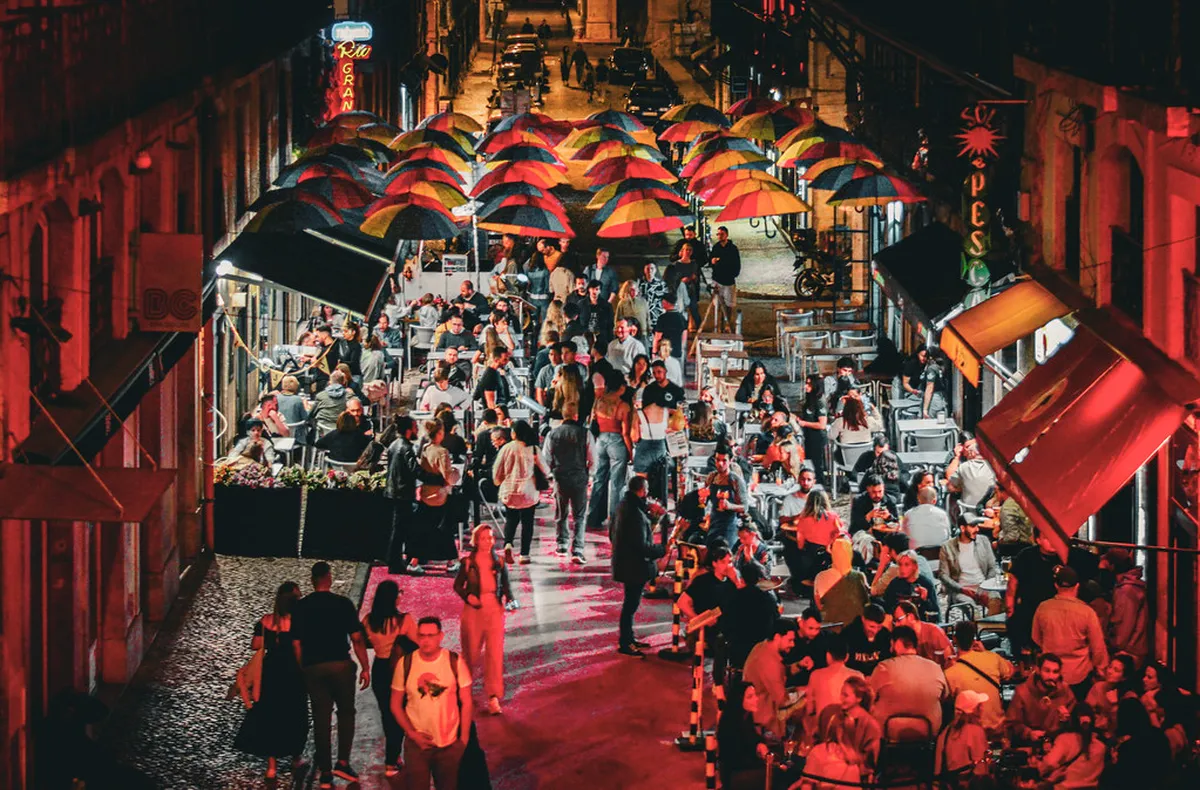
Time your night like Lisbon does. Eat around 21:00, reach Bairro Alto around 23:00, expect the streets to peak between 00:00 and 02:00, then choose whether to wind down or continue toward clubs.
Carry a little cash for small bars, Ginjinha, and awkward card-machine moments. Keep your phone and wallet in front pockets or zipped bags because crowds build fast around Largo de Camões, Rua da Atalaia, and Rua do Diário de Notícias.
Bairro Alto peaks between 00:00 and 02:00 — arriving at 23:00 lets you find a spot before the pavement crowds build, and leaves time to move downhill to Cais do Sodré before club doors get strict.
Dress Code and Door Policies at Bairro Alto Venues
Most Bairro Alto street bars have no meaningful dress code. Clean sneakers, jeans, T-shirts, casual dresses, and light jackets all work because the scene is more about moving between small bars than posing inside one room.
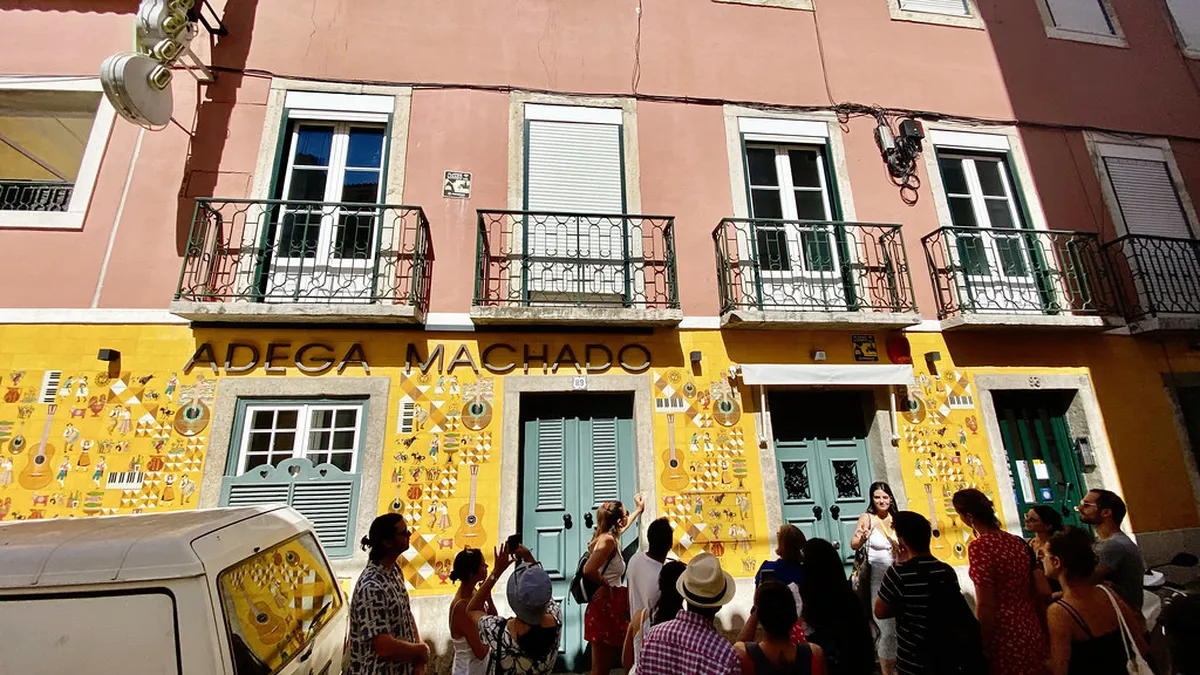
Rooftop lounges and smarter cocktail rooms expect more effort. Avoid beachwear, flip-flops, football shirts, and visibly messy clothing if you plan to start somewhere with views or table service.
Fado houses sit in the middle. A Tasca do Chico feels informal, while dinner-focused Casas de Fado lean smart casual, especially if you have a booking and a full meal minimum.
The stricter door policy usually appears later, when groups try to leave Bairro Alto for clubs. Some doormen use a high entry fee as a drunk tourist filter, especially for loud all-male groups or people who cannot answer a simple question clearly.
Bring physical ID if you may continue after 02:00, and keep one sober-enough person in charge of the door conversation. Check the Historicquarters.com guide for specific venue requirements in 2026.
Nightlife Etiquette: How to Party Like a Lisboeta
The first rule is to remember that Bairro Alto is not a purpose-built party strip. People live above the bars, and neighborhood associations have spent years dealing with noise, broken glass, vomit, blocked doorways, and early-morning arguments.
Drink outside if the bar serves in plastic cups, but keep your group out of apartment entrances and narrow doorsteps. This is the small courtesy many visitors miss: residents still need to get home while you are deciding where to go next.
Use the quiet queue strategy at busy venues. Lower your voice, do not crowd the door, have ID ready, and let one person speak for the group; it makes you look composed before the doorman checks clothing.
Respect the silence rule when entering a Fado house to hear traditional Portuguese music. You can find a more relaxed atmosphere at authentic Bairro Alto Fado bars where locals gather, but you still wait for a song to end before talking, ordering, or moving around.
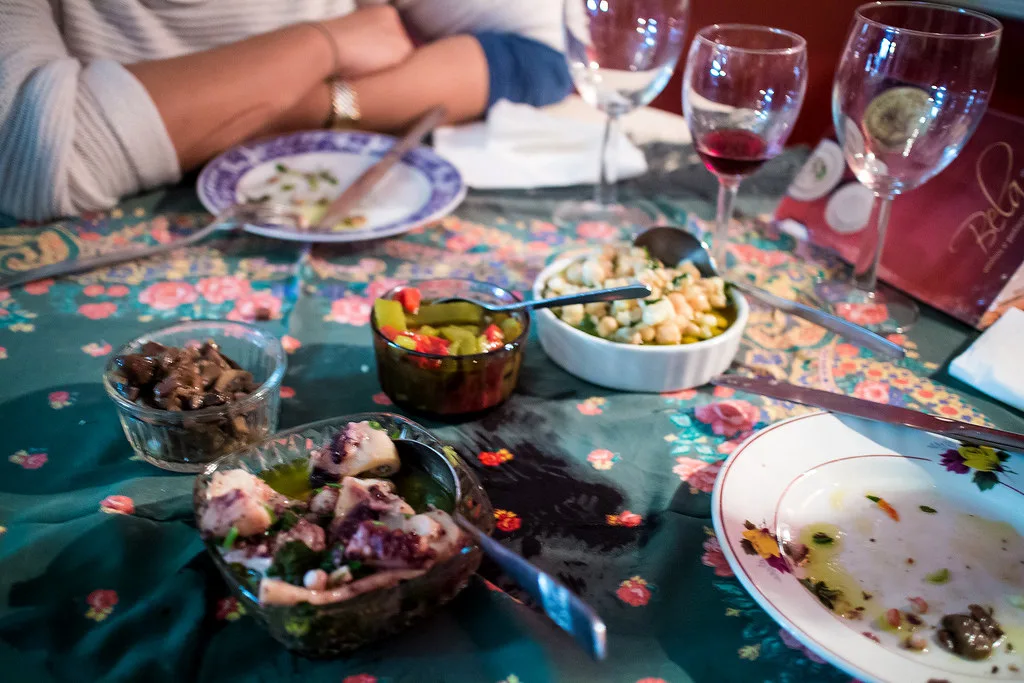
Fado Vadio is informal and may feature amateur or semi-professional singers, while professional Casas de Fado often include dinner, reservations, and higher minimum spends. Both deserve silence during the performance because the room is built around listening, not background entertainment.
Getting To and From Bairro Alto Safely
Take the historic Elevador da Glória if you want to reach the hilltop district without starting sweaty. It links Restauradores with the São Pedro de Alcântara side of Bairro Alto, but it stops before the nightlife really ends.
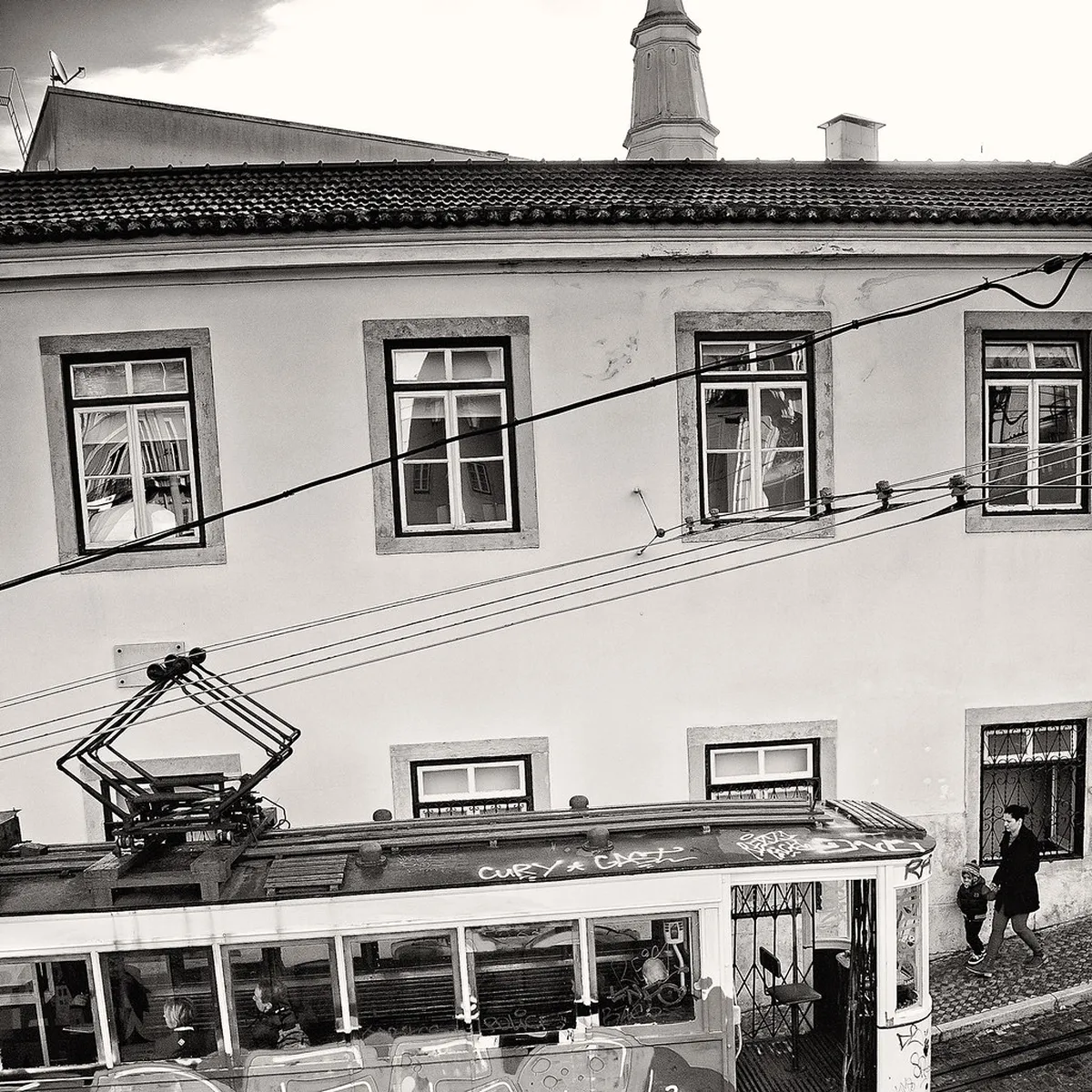
Baixa-Chiado is the most useful metro station for arrival, and the walk into the district is short but uphill. After the metro closes, ride-share apps and taxis are easier from wider streets near Largo de Camões, Rua do Alecrim, or Praça Luís de Camões than from a packed alley.
Keep your belongings secure in crowded spaces to prevent pickpocketing incidents. Read more about 9 Things to Know About Bairro Alto Safety at Night to stay prepared for the busiest corners, especially around closing time.
If you are leaving alone, avoid shortcuts through empty stairways and dark lanes just because the map says they are faster. Walk with the crowd down toward Chiado or Cais do Sodré, then call a ride from a visible pickup point.
Bairro Alto vs Cais do Sodré: Which Should You Pick?
Bairro Alto is the better first stop if you want conversation, cheap drinks, small bars, and a flexible route. The night happens in short hops, with people spilling into the street between rounds.
Cais do Sodré is the better choice once your group wants louder music, longer opening hours, and a more club-focused mood. Pink Street and the surrounding lanes feel less residential and more built for late movement.
The Bairro Alto vs Cais do Sodré nightlife comparison highlights different musical vibes and closing times. For most visitors, the right answer is not either-or: Bairro Alto first, Cais do Sodré second.
| Choice | Pick it for | Typical timing | Dress expectation |
|---|---|---|---|
| Bairro Alto | Bar hopping, Fado, pavement drinks, casual social energy | 23:00 to 02:00 | Casual to smart casual |
| Cais do Sodré | Clubs, DJs, Pink Street, later dancing | 02:00 to 06:00 | Cleaner shoes, ID, and stricter doors |
Dance ‘til Dawn: Where to Go After Bairro Alto
Most Bairro Alto bars start thinning around 02:00 or 03:00, especially when police move street crowds along. That is the natural point to decide whether the night is over or just changing neighborhoods.
The easy route is downhill by Rua do Alecrim toward Cais do Sodré. It takes around 10 minutes on foot, but the descent is steep, so this is where sensible shoes start paying for themselves.
Clubs like Lux Frágil and larger venues around the riverfront offer electronic music, mixed programming, and later closing times. Be prepared for stricter door policies, queues, and entry fees that can run roughly €8 to €15 depending on the night.
Official guides at Wikinight.eu provide updated lists of the best clubs for 2026. Arriving before the full Bairro Alto migration can help you avoid the longest wait, but only go if your group is still coherent enough to pass the door.
Budgeting for Your Lisbon Night Out
Bairro Alto can still be affordable in 2026 if you understand the price split. A small beer or house wine often sits around €3 to €5, a basic mixed drink around €6 to €10, and a cocktail at a better bar around €8 to €15.
A traditional Ginjinha served in a chocolate cup usually costs about €1.50 to €2.50. Look for cheap drinks in Bairro Alto by visiting the smaller hole-in-the-wall bars rather than the brightest corners near the main squares.
Fado changes the budget. A casual Fado Vadio night may only require drinks, while a professional dinner show can run about €40 to €60 per person once the meal or minimum consumption is included.
Set aside a separate late-night transport budget so you do not bargain with your own safety at 03:00. A short app ride within central Lisbon may be worth more than saving a few euros by walking unfamiliar lanes after your group has split up.
| Item | Typical price (2026) | Notes |
|---|---|---|
| Small beer or house wine | €3 – €5 | Street bars and hole-in-the-wall spots |
| Basic mixed drink | €6 – €10 | Most indoor bars |
| Cocktail at a better bar | €8 – €15 | Rooftop lounges, cocktail rooms |
| Ginjinha (chocolate cup) | €1.50 – €2.50 | Traditional cherry liqueur, small vendors |
| Fado Vadio night | Drinks only | Informal, no dinner minimum required |
| Professional Fado dinner show | €40 – €60 p/p | Includes meal or minimum consumption |
| Club entry (Cais do Sodré) | €8 – €15 | After 02:00, varies by night and venue |
Key Takeaways
- Clean sneakers, jeans, and smart casual layers work for most Bairro Alto bars; save smarter outfits for rooftops, Fado dinners, and clubs.
- Use the 21:00 dinner, 23:00 Bairro Alto, 02:00 Cais do Sodré timeline if you want the standard Lisbon night rhythm.
- Flat shoes are the practical choice because Calcada Portuguesa cobblestones are steep, uneven, and slippery after rain.
- Stay quiet in queues, keep out of residential doorways, and treat Fado performances as listening rooms.
- Budget around €3 to €5 for beer or wine, €1.50 to €2.50 for Ginjinha, and much more for professional Fado dinner shows.
For related Bairro Alto deep-dives, see our guides on a guided tour with a local and Bairro Alto bar opening hours.
Smart Casual Decoded: Dress by Venue Type from Bairro Alto to Pink Street
"Smart casual" means different things on different blocks, so read the venue before the outfit. At pavement bars on Rua da Atalaia and Rua do Diário de Notícias, there is effectively no door check: clean trainers, jeans, a T-shirt, or a casual dress all pass, because you are buying a plastic cup and standing in the street, not entering a room. Closed-toe shoes with grip still matter more than the top half, since the Calçada Portuguesa limestone is slick and uneven all the way down to Cais do Sodré.
Rooftop and cocktail rooms raise the bar one notch. At smart-casual addresses such as the Bairro Alto rooftop bars and Park bar (built on a Calçada do Combro car-park roof, typically open until around 02:00), staff expect clean sneakers or shoes, dark jeans or chinos, and a tidy shirt or dress — they turn away flip-flops, swimwear, football shirts, vests, and visibly stained clothing. Park has no formal code but gets crowded fast, so arrive before 21:00 for sunset seating.
The strictest doors sit on Pink Street (Rua Nova do Carvalho) and the riverfront after 02:00. Clubs like Lux Frágil and Pensão Amor enforce smart casual properly: no caps, no sportswear, no flip-flops, and clean footwear is non-negotiable. As of 2026, expect entry of roughly €8–€15 (Lux often higher on headline nights, with consumo minimo), card and cash accepted, and bring physical ID. For live bands rather than DJs, see our guide to live music venues in Bairro Alto, where dress runs casual but doors still close to obvious sportswear.
| Venue type | Smart-casual standard | Refused at door |
|---|---|---|
| Bairro Alto street bars | Trainers, jeans, T-shirt, casual dress | Nothing meaningful (it is the pavement) |
| Rooftop / cocktail rooms | Clean sneakers or shoes, dark jeans/chinos, tidy shirt or dress | Flip-flops, swimwear, football shirts, vests |
| Pink Street / riverfront clubs | Clean shoes, neat trousers, collared or smart top | Caps, sportswear, flip-flops, scruffy trainers |
Seasonally, layer light. Summer nights stay warm (often 18–22°C past midnight), so a packable shirt over a tee handles air-conditioned indoor clubs without bulk; winter and damp spring evenings call for a slim jacket you can keep on, since cobblestone hills and river wind make a heavy coat a liability on the downhill walk.
Frequently Asked Questions
What is the dress code for bars in Bairro Alto?
The dress code is generally casual, with jeans and sneakers being perfectly acceptable. However, some upscale rooftop bars and late-night clubs may require a smart-casual look. Avoid wearing flip-flops or swimwear if you plan to enter indoor venues.
Is it legal to drink on the street in Lisbon?
Yes, drinking on the street is a major part of the Bairro Alto experience. Most people buy a drink in a plastic cup and socialize in the narrow alleys. Just remember to be respectful and keep noise levels down for the local residents.
What time does Bairro Alto get busy?
The district typically starts to fill up after 11 PM as people finish dinner. Peak hours are usually between midnight and 2 AM on Friday and Saturday nights. Arriving too early might mean finding many of the smaller bars still empty.
Do you need to book Fado shows in advance?
Booking is highly recommended for professional Fado houses that include dinner service. Smaller "Fado Vadio" taverns often operate on a first-come, first-served basis. Secure your spot early to ensure you get a seat near the performers.
Is Bairro Alto safe for solo travelers at night?
Bairro Alto is generally safe, but solo travelers should remain aware of their surroundings. Stick to well-lit streets and keep a close eye on your personal belongings in crowded areas. For more tips, see our Bairro Alto safety guide.
Mastering Bairro Alto is less about dressing up and more about reading the setting. Be casual at the street bars, respectful in Fado rooms, composed at club doors, and considerate outside apartment buildings.
Dress for cobblestones, follow Lisbon's late rhythm, and leave the narrowest streets better than you found them. That is the etiquette that makes a night in Bairro Alto feel local rather than careless.