
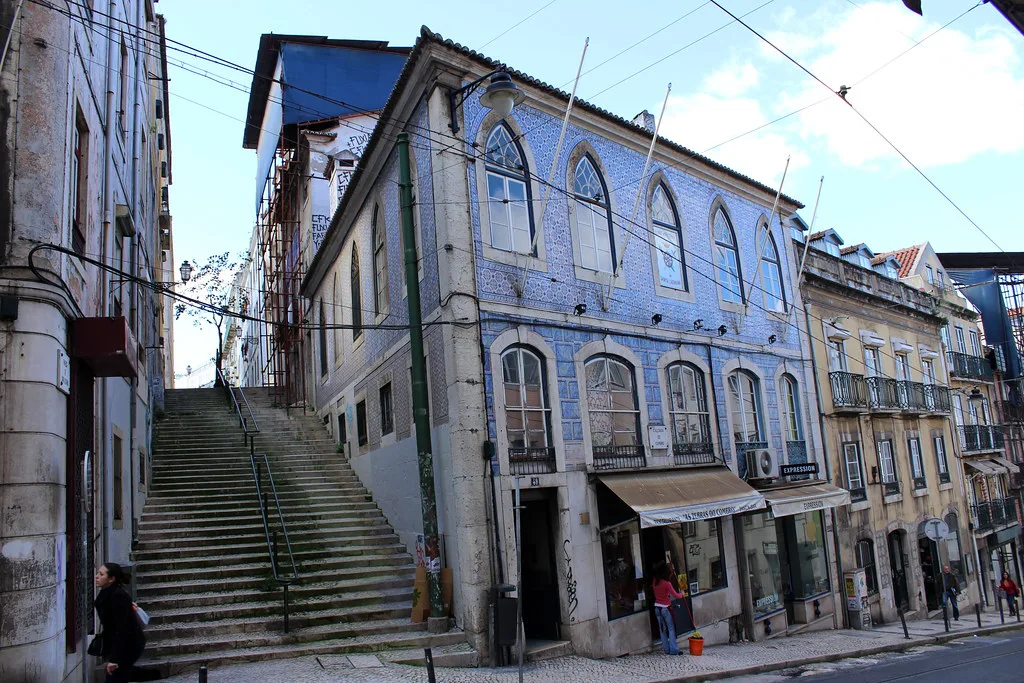
A bairro alto with locals tour works best when it feels less like sightseeing and more like being shown around by someone who knows which doors, viewpoints, and shortcuts matter. The neighborhood is compact, but it is layered: Renaissance streets, old newspaper offices, Fado houses, tiny tascas, tiled facades, and bars that spill into the lanes after dark. A local guide helps connect those pieces without turning the walk into a rushed checklist.
The main decision is not only which tour to book. You also need to know whether you want a daytime culture walk, an evening food-and-Fado route, or a broader Lisbon welcome tour that links Bairro Alto with Chiado and Baixa. In 2026, most visitors should plan for two to three hours, sturdy shoes, a clear meeting point, and a realistic tip or booking budget before arriving.
Use this guide to compare the main tour styles, understand the key stops, and avoid the common mistakes that make Bairro Alto harder than it needs to be. The reward is a neighborhood that shifts from laundry-lined calm to one of Lisbon's loudest social stages in the same day.
A Brief History of Bairro Alto
Bairro Alto began taking shape in the early 16th century, when Lisbon expanded beyond its older medieval core. Its planned grid was unusual for the city at the time, and that structure still makes the neighborhood an important part of historic quarters in Portugal. The streets look casual today, but the layout reflects a deliberate attempt to build a new hilltop district for a growing capital.
The area later mixed simple homes, aristocratic houses, Jesuit influence, churches, convents, and workshops. Because Bairro Alto was less devastated than lower parts of Lisbon in the 1755 earthquake, many historic layers remained visible. A good guide will point out the difference between a modest tiled residence, a former palace, and a religious building that a first-time visitor might pass without noticing.
By the 19th and early 20th centuries, Bairro Alto had become tied to writers, artists, printers, and newspaper offices. Street names such as Rua do Diario de Noticias still hint at that press history. The bohemian reputation never fully disappeared, which is why Fado houses, late-night bars, and small restaurants feel like a continuation of the district's past rather than a recent tourist invention.
What to Expect on a Bairro Alto Locals Tour
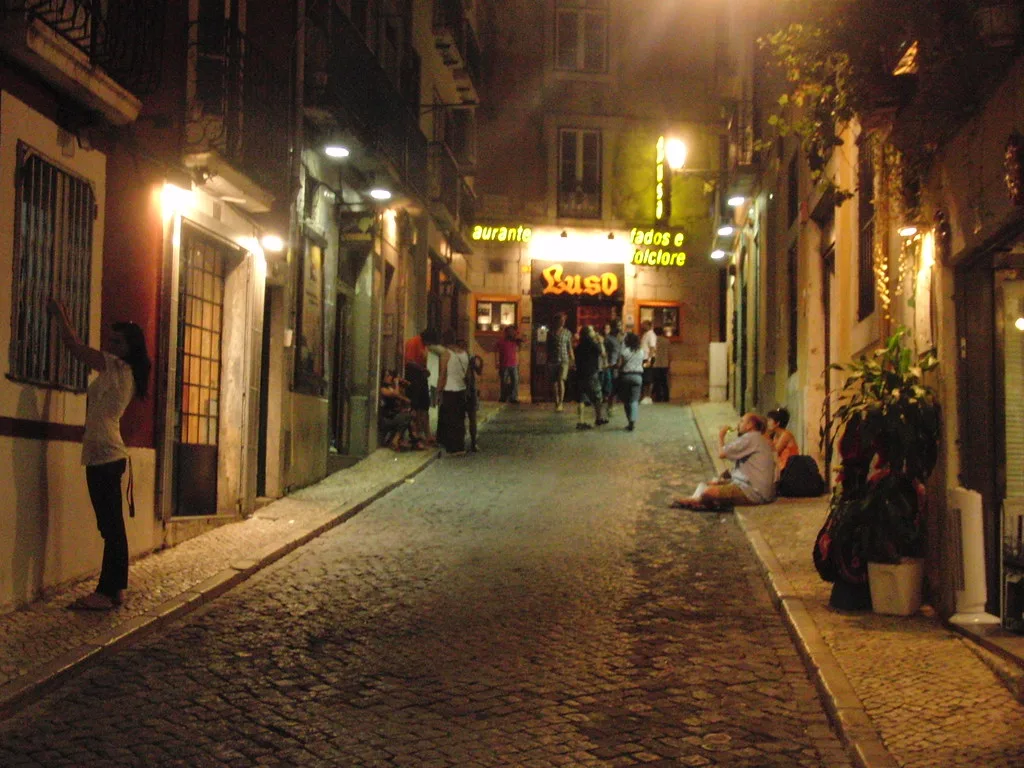
A typical bairro alto with locals tour blends neighborhood history, street-level culture, food tips, and practical navigation. You may smell grilled sardines from a small kitchen, hear guitar rehearsals near the door of one of the Bairro Alto Fado Bars: The Complete Guide, then turn into a quiet lane where residents still hang laundry above the street. The value of a local guide is in knowing which details are normal daily life and which ones need context.
Most walks are relaxed rather than strenuous, but the surfaces are not easy. Expect polished limestone pavement, steep lanes, short stairways, and frequent stops for stories or photos. Food-focused versions may include tastings, while history-focused tours usually keep food and drink as optional recommendations for after the walk.
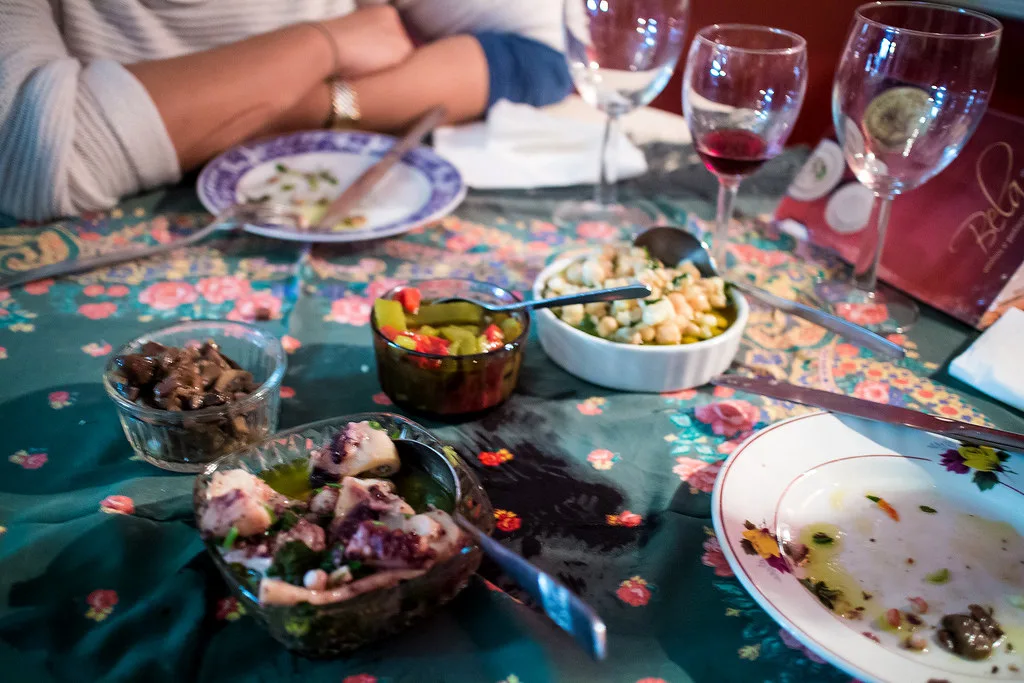
Good guides also explain local etiquette. Bread, olives, cheese, and butter placed on a table are usually charged if you eat them, not automatic freebies. If you want to continue independently afterward, ask the guide where they would go for Bairro Alto petiscos and wine before the bars become too crowded.
Tour Itinerary and Key Stops
The most common route links Baixa or Chiado with Bairro Alto because that climb tells the story of Lisbon's geography. Many groups start near Rossio, Praca Dom Pedro IV, Baixa-Chiado metro, or Praca Luis de Camoes, then move uphill toward the neighborhood core. This route lets the guide explain how downtown reconstruction, elegant Chiado, and the hilltop nightlife district fit together.
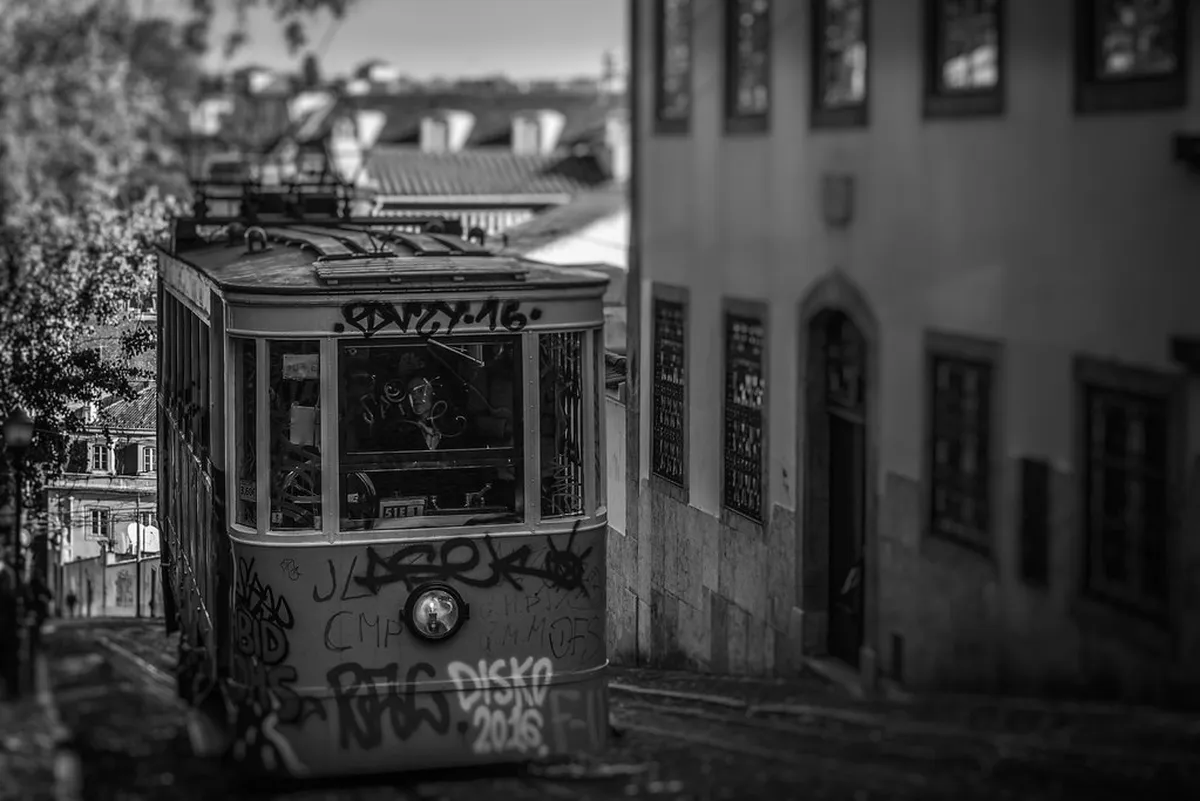
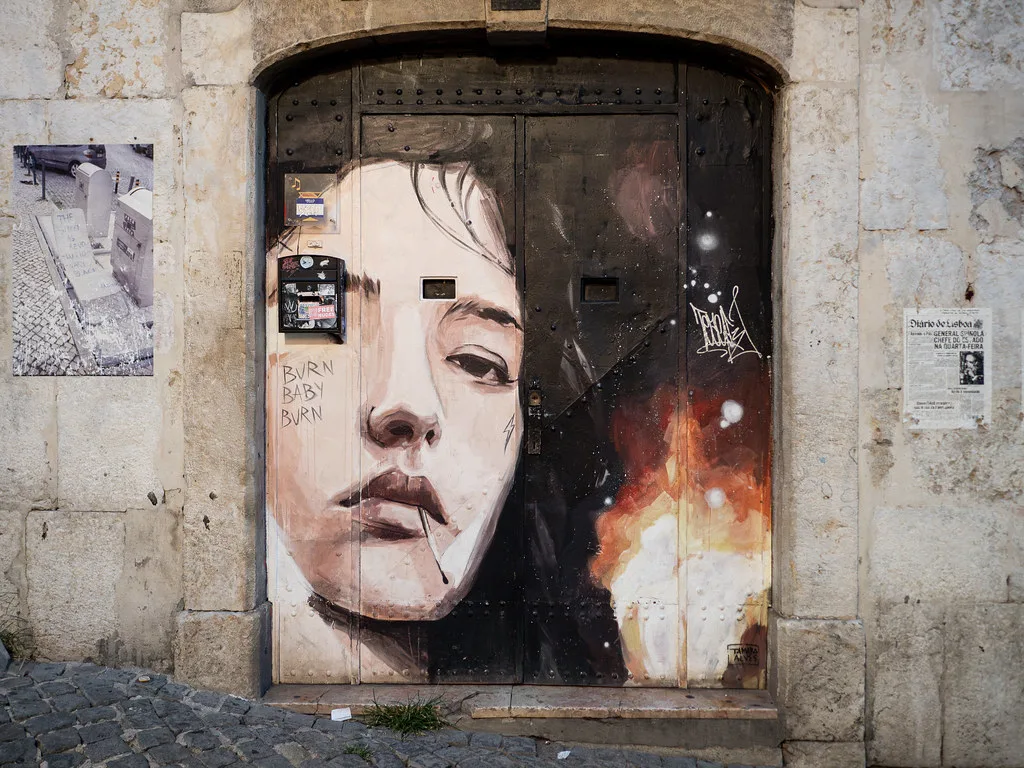
Key stops often include Miradouro de Sao Pedro de Alcantara, Igreja de Sao Roque, the streets around Rua do Diario de Noticias, and the lanes leading toward Praca Luis de Camoes. The Sonse - Gloria Funicular Image shows why Elevador da Gloria is such a recognizable approach to the area. Some tours also point out street art, former newspaper buildings, small galleries, and Fado doors that are easy to miss in daytime.
Not every tour enters paid attractions. Igreja de Sao Roque is often included when opening hours and dress rules allow, but food tours may skip interiors to save time for tastings. Ask before booking whether the route includes Bairro Alto only or also downtown Lisbon, because the wider versions can spend less time in the neighborhood itself.
Must-See Attractions in Bairro Alto
Miradouro de Sao Pedro de Alcantara is the best orientation point in Bairro Alto. From the terrace, you can see Sao Jorge Castle, Baixa, the Tagus River, and the steep urban folds that make Lisbon difficult to read on a flat map. Guides often use the viewpoint to explain why different districts feel so distinct even when they sit only a few minutes apart.
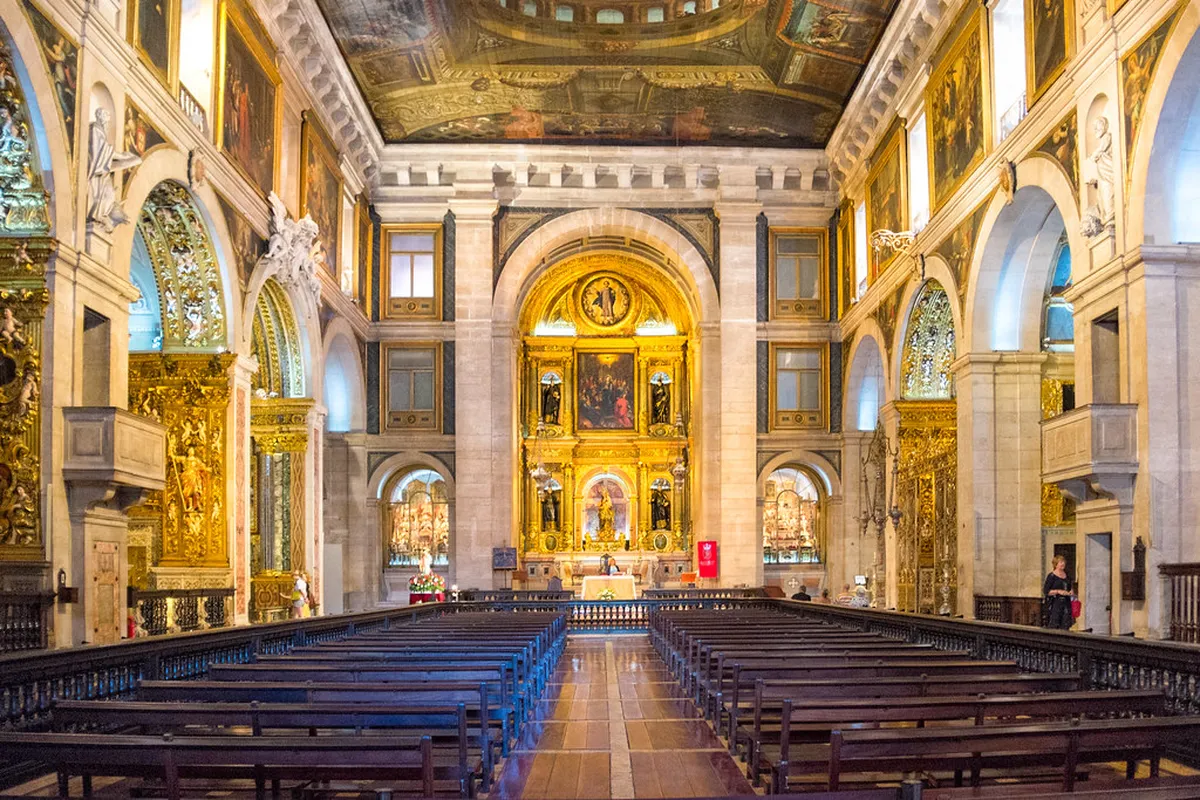
Igreja de Sao Roque is the neighborhood's most important interior stop. The plain exterior hides gilded chapels, marble, azulejos, and one of Lisbon's richest religious art collections. If your tour includes churches, dress neatly and keep shoulders covered enough to enter without awkwardness.
Convento dos Cardaes, Rua do Seculo, Rua da Atalaia, and the streets around Praca Luis de Camoes add texture rather than blockbuster sightseeing. Bairro Alto is not a monument-heavy neighborhood, and that is part of its appeal. The best tours treat shops, tiled facades, old press streets, and Fado venues as evidence of daily culture, not filler between attractions.
The Best Times to Visit: Day vs. Night
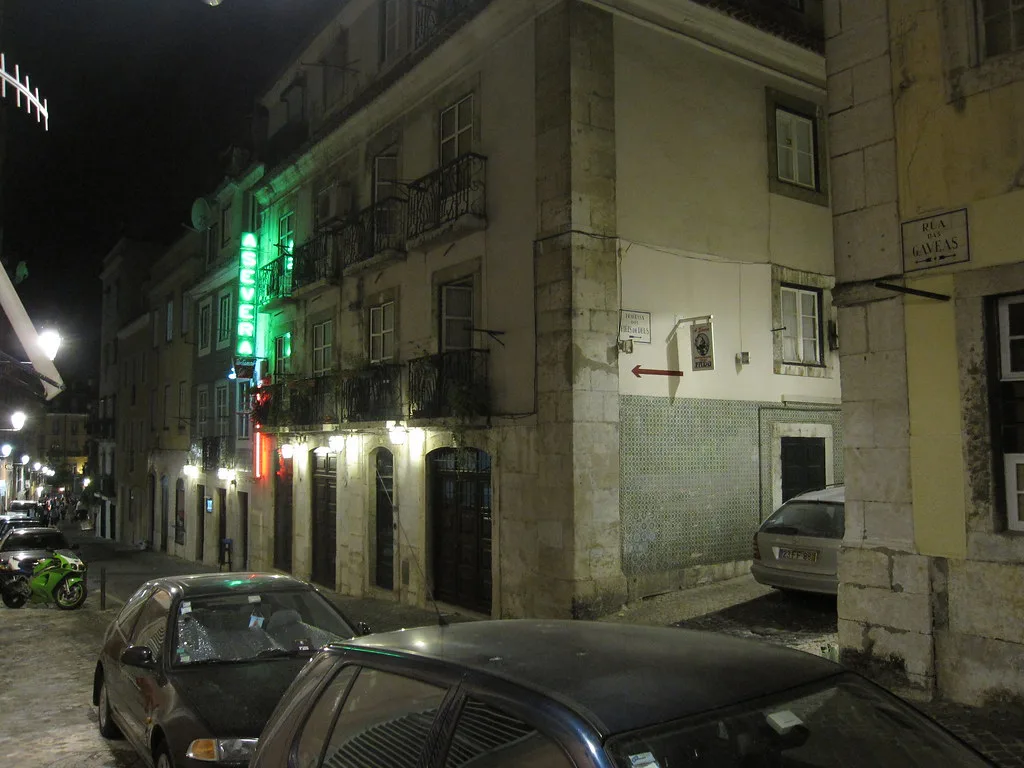
Bairro Alto has two lives, and your tour time decides which one you meet. Morning and early afternoon walks are quieter, with residents shopping, talking from windows, and moving around streets that can feel almost village-like. The Jorge Franganillo - Bairro Alto Streets photo captures that calmer side better than most nightlife images do.
Late afternoon is the best compromise for many visitors. You can still see facades, churches, viewpoints, and local shops clearly, but the neighborhood begins to warm up for dinner. This is a strong choice if you want cultural context first and then plan to stay for a drink, Fado, or petiscos afterward.
After 21:00, the district becomes one of Lisbon's most social nightlife areas. Bars fill, conversations move into the street, and the soundscape changes from footsteps and shutters to glasses, music, and late-night crowds. If the goal is to understand Bairro Alto nightlife in Lisbon, book an evening tour, but expect noise and less room for architectural detail.
Late afternoon is the best compromise for most visitors — facades, churches, and viewpoints are still clearly visible, but the neighbourhood begins to warm up for dinner, letting you transition naturally from cultural sightseeing to petiscos and wine without retracing your steps.
Funicular or Foot: Getting Up from Baixa
The classic choice is Elevador da Gloria, which connects Praca dos Restauradores with the upper edge of Bairro Alto near Sao Pedro de Alcantara. It saves energy, gives you the iconic yellow-funicular experience, and helps if you are arriving just before a tour. The trade-off is that queues can be slow at busy times, and a guide may still expect you to walk through steep streets after you arrive.
Walking up from Baixa-Chiado or Rossio is more flexible and often faster when the funicular line is long. It also lets you understand how the lower city, Chiado, and Bairro Alto connect. The climb is real, so use our guide to getting there from Baixa if you want the least awkward approach.
| Option | Best Use | Trade-Off |
|---|---|---|
| Elevador da Gloria | Use it for the classic arrival and less uphill walking. | Queues and ticket costs can make it slower than expected. |
| Walk from Baixa-Chiado | Use it when you want flexibility and better city context. | The climb is steep on worn limestone pavement. |
| Taxi or ride-hail | Use it for mobility limits, heavy rain, or late-night returns. | Cars cannot always drop you at the exact narrow-street doorway. |
Pricing and Tipping Etiquette
Paid small-group walking tours usually cost 15 to 50 Euros per person, depending on length, group size, and whether food or entry tickets are included. Private tours cost more but are better if you want a slower pace, a family-friendly route, or a historian-led experience. Food tours are priced separately because tastings, drinks, and restaurant stops change the economics.
Free walking tours are free to book, not free to run. The guide is paid through tips at the end, so arrive with cash unless the platform clearly supports card or app payments. In 2026, a fair Lisbon tip is usually 10 to 20 Euros per adult for a good two-hour walk, more if the group is small or the guide gives unusually useful recommendations.
| Tour Type | Typical Cost | When It Makes Sense |
|---|---|---|
| Free walking tour | Tip 10 to 20 Euros per adult. | Best for budget travelers who are comfortable in larger groups. |
| Paid group tour | About 15 to 50 Euros per person. | Best when you want clearer inclusions and a capped group size. |
| Private local guide | Often 80 to 150 Euros or more per group. | Best for families, mobility needs, photographers, or deep history questions. |
| Food or Fado tour | Higher when tastings or seats are included. | Best when the goal is dinner planning as much as neighborhood context. |
Meeting Point and Directions
The most common meeting points are Praca Dom Pedro IV at Rossio, Praca Luis de Camoes, Baixa-Chiado metro station, or the top of Elevador da Gloria. Rossio works well for tours that explain downtown before climbing. Praca Luis de Camoes works better for tours that start directly between Chiado and Bairro Alto.
Read the confirmation message carefully. Some guides use umbrellas, yellow shirts, branded signs, or a specific statue as the meeting marker, and Lisbon squares can be busier than expected. Arrive 10 to 15 minutes early, especially in summer, because a late arrival may mean a steep solo climb to catch the group.
If the tour ends after dark, decide your exit route before the final stop. Baixa-Chiado metro, Cais do Sodre, and ride-hail pickups are all possible, but narrow lanes can make exact pickup points confusing. For a longer evening, review 9 Things to Know About Bairro Alto Safety at Night so you know which habits matter in crowded streets.
Additional Practical Information
Wear rubber-soled sneakers or walking shoes with real grip. Calçada portuguesa, the black-and-white limestone pavement used across Lisbon, becomes slick when polished by years of foot traffic and worse when wet. Smooth soles, flimsy sandals, and high heels are the fastest way to turn a good walking tour into a cautious shuffle.
Calçada portuguesa becomes dangerously slick when wet. If rain is forecast, skip flimsy sandals or smooth-soled shoes entirely — the steep lanes between Baixa and Bairro Alto turn into a real hazard, and a tour guide will not slow the group's pace for footwear problems.
Bring water, a light layer, and sun protection for daytime tours. For evening tours, bring only what you can keep secure in front of your body, because crowded bar streets are not the place for open tote bags or loose back pockets. Luxury travelers who want to stay close without sleeping directly above the loudest lanes can compare the Bairro Alto Hotel Booking option near the Chiado edge.
- Plan for two to three hours of walking and standing.
- Expect two to three kilometers, with hills and uneven pavement.
- Check whether food, drinks, church entry, or transport are included.
- Carry cash for tips, small snacks, and older tascas that may not love split card payments.
Tasca Etiquette and Useful Portuguese
Tascas are small, traditional eateries where the best move is to be simple, polite, and decisive. Do not assume every table is meant for a long meal, especially at peak dinner time. If you only want a drink or small plate, say so clearly, stand at the counter when appropriate, and avoid blocking the doorway while reading the menu.
A few Portuguese phrases make these interactions warmer. Say "bom dia" before lunch, "boa tarde" in the afternoon, and "boa noite" at night. Ask "tem mesa para dois?" for a table for two, "uma imperial, por favor" for a draft beer, "a conta, por favor" for the bill, and "obrigado" or "obrigada" depending on your gender when saying thank you.
This is also where local guidance helps most. A guide can tell you whether a place is better for petiscos, a full dinner, a quick glass of wine, or a Fado reservation. That distinction matters in Bairro Alto because the wrong choice at 20:30 can leave you stuck in a tourist trap while better neighborhood rooms fill around the corner.
How to Choose the Right Local Guide
Choose the guide based on the kind of Bairro Alto you want to understand. A general free tour is useful for orientation, while a private guide is better for history, architecture, mobility limits, or a pace that lets you ask detailed questions. If reviews mention only jokes and nightlife, do not expect a deep explanation of the press history or religious sites.
Theme matters. A specialized Bairro Alto Street Art and Bars Walking Guide: A Local Route suits travelers who care more about murals, creative culture, and evening venues than church interiors. A food guide should be able to explain tascas, petiscos, house wine, and Fado dinner timing without pushing one commission-heavy stop.
Look for recent reviews that mention group size, audibility, punctuality, and whether the guide handled hills well. Confirm the language of the specific time slot, not just the company's general language list. If you are booking for older relatives or children, ask whether the route avoids the steepest lanes and whether there are seated stops.
Beyond Bairro Alto: Nearby Neighborhoods to Explore
Bairro Alto pairs naturally with Chiado because the boundary is almost seamless. After a tour, you can walk toward the Carmo Convent ruins, historic cafes, bookshops, and more polished shopping streets. The contrast helps explain why Bairro Alto feels bohemian while Chiado feels literary and elegant.
Principe Real sits just north and makes a calmer next stop, especially before dinner. It has gardens, concept stores, antique shops, and restaurants that feel more residential than the busiest Bairro Alto lanes. If your tour ends near Sao Pedro de Alcantara, continuing to Principe Real is easier than dropping all the way back to Baixa.
Cais do Sodre is the better move if you want late-night energy after the hilltop bars. Pink Street and the waterfront have a different rhythm from Bairro Alto, with more clubs, bigger venues, and easier transport at the end of the night. For a broader Lisbon plan, use the local tour as your orientation, then decide which neighboring district matches the next part of your evening.
For a broader overview of nightlife in this neighborhood, see our complete Bairro Alto nightlife guide.
Frequently Asked Questions
How much does a local tour in Bairro Alto cost?
A standard group walking tour usually costs between 15 and 25 Euros per person. Private tours with expert guides can range from 80 to 150 Euros for a small group. If you join a 'free' tour, it is customary to tip the guide at least 10 to 15 Euros per person based on the quality of the experience.
Is Bairro Alto safe for tourists at night?
Yes, Bairro Alto is generally safe for tourists, though it becomes very crowded and loud after midnight. You should be mindful of pickpockets in dense crowds and avoid poorly lit side alleys. For more details on staying secure, check our guide on Bairro Alto safety at night before your visit.
How long does a typical Bairro Alto walking tour last?
Most guided walks through the neighborhood last approximately two to three hours. This time allows for several stops at viewpoints, historical landmarks, and traditional shops. Some food-focused tours may extend to four hours to include multiple tasting stops at local tascas.
Are free walking tours in Lisbon actually free?
Free walking tours do not have an upfront booking fee, but they are not technically free. The guides rely entirely on tips from participants at the end of the journey. Most travelers provide between 10 and 20 Euros depending on how much they enjoyed the historical insights and local stories provided.
Exploring Bairro Alto with a local guide is the best way to uncover the hidden layers of Lisbon's history. You will gain a deeper appreciation for the neighborhood's transition from a noble district to a bohemian sanctuary. The combination of stunning views, soulful music, and traditional food makes this a highlight of any Portuguese itinerary. Prepare for the steep hills and uneven stones, but expect to be rewarded with unforgettable cultural memories.
Remember to book your tour in advance during the busy summer months to secure your preferred time slot. Whether you choose a morning walk or an evening exploration, the district will surely capture your imagination. Take the time to talk to your guide and ask for their personal recommendations for the rest of your trip. Your journey through these ancient streets will provide a lasting connection to the authentic spirit of Lisbon.

.jpg)