One day in Lisbon is a tight brief, but this city delivers fast. This guide is built around three distinct route options so you can match the day to your actual priorities — monument-hopper, neighborhood walker, or crowd-avoider — rather than following a single generic loop. I have walked all three routes multiple times and timed them against real opening hours and queue patterns in 2026.
The single biggest planning mistake is treating all attractions as equally accessible. The Jerónimos Monastery closes on Mondays and sells out timed slots weeks in advance in summer. The Belém Tower has a tiny interior capacity. Both are near-impossible to enter without a pre-booked ticket. Build your day around these two constraints first, then fill everything else around them.
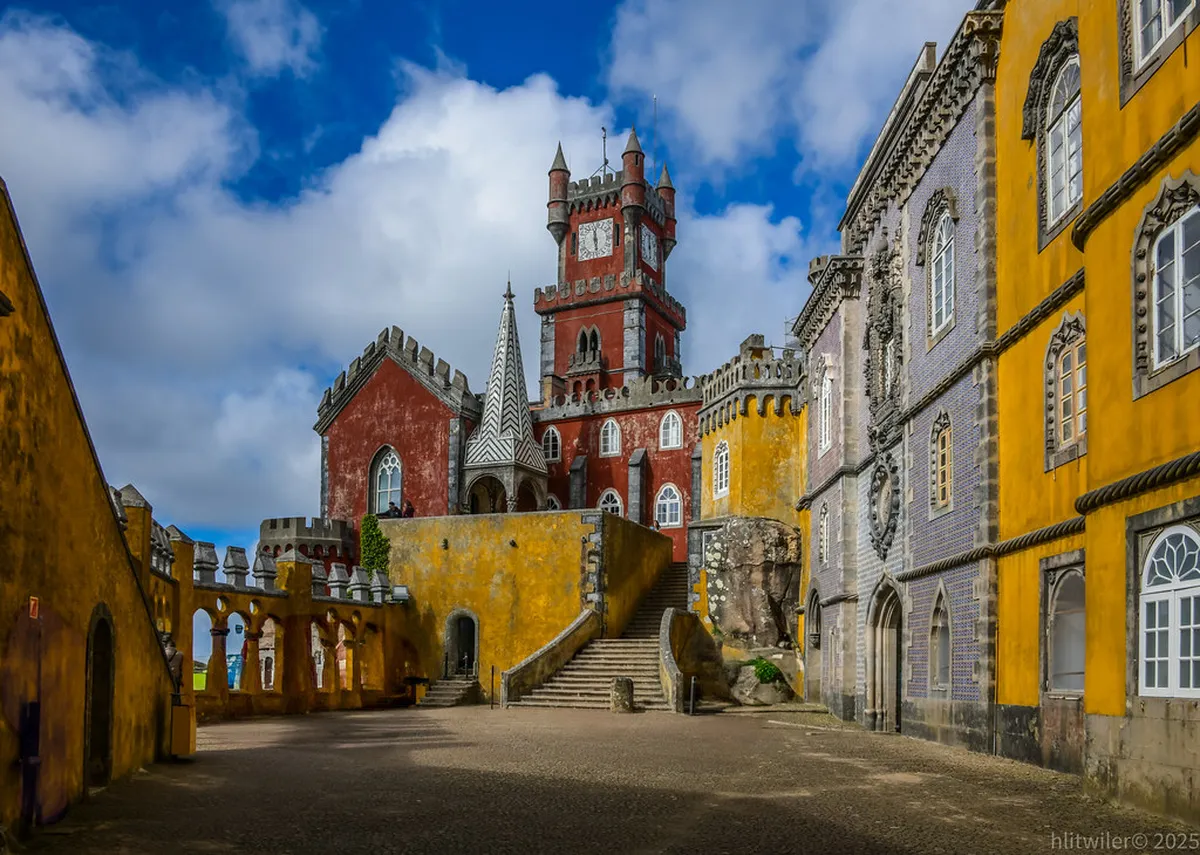
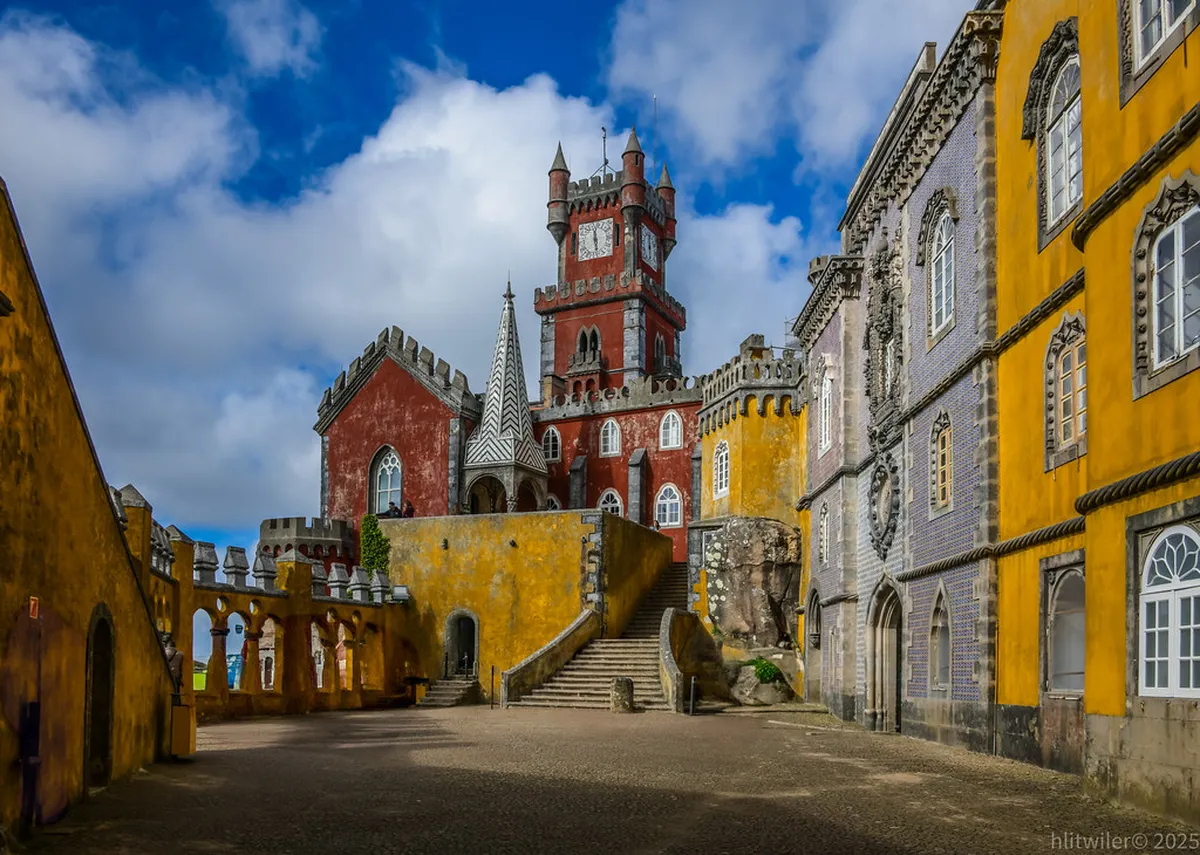
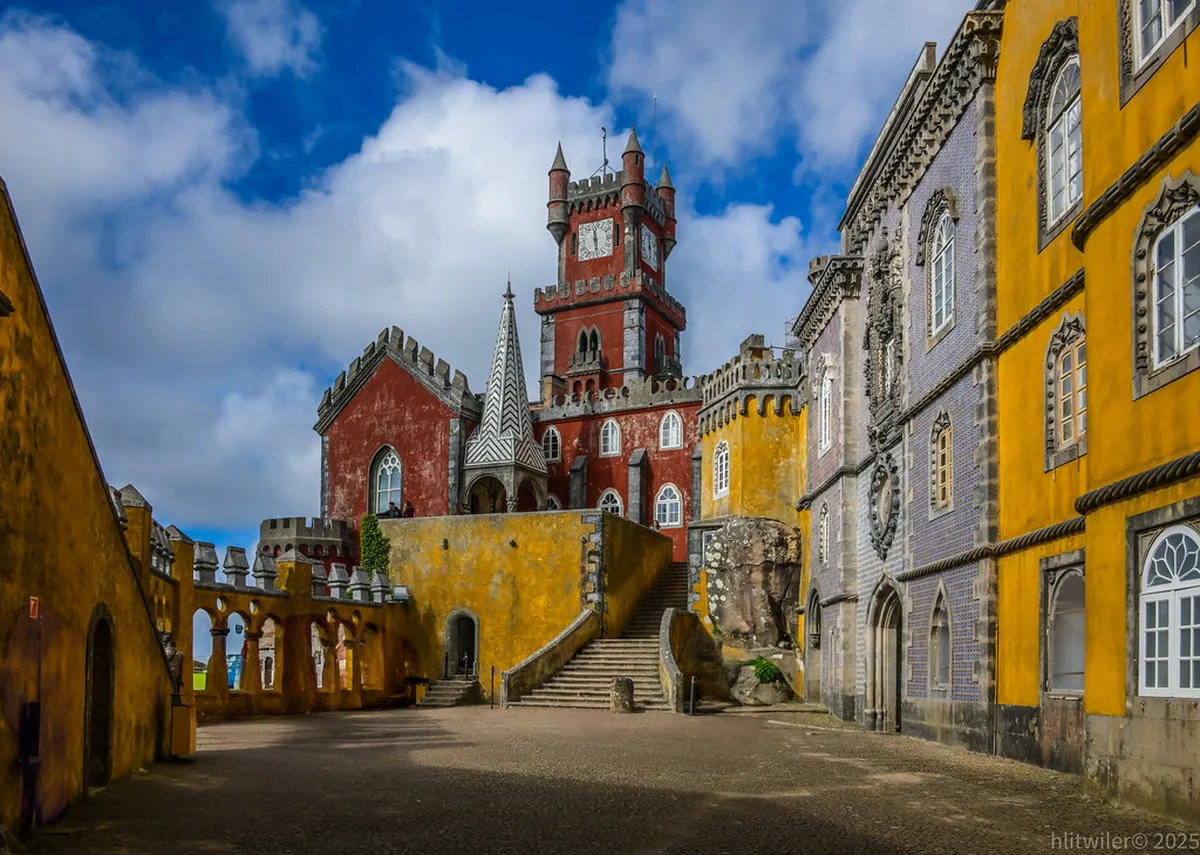
Wondering whether to squeeze in Sintra? My honest answer is no, if this is your only day in Lisbon. A round trip to Sintra takes at least five hours door to door, and you will return having seen one palace and skipped an entire city. Check our stretch it into a two-day route if you want to do both properly.
Is One Day in Lisbon Enough?
Honestly, no — but it is enough to fall completely in love with the city. In 24 hours you can cover two or three distinct neighbourhoods, visit one major monument cluster, and catch a proper sunset over the Tagus. What you will miss is the slower rhythm of the place: the second coffee in a square, the tram ride for its own sake, the evening wandering after dinner.
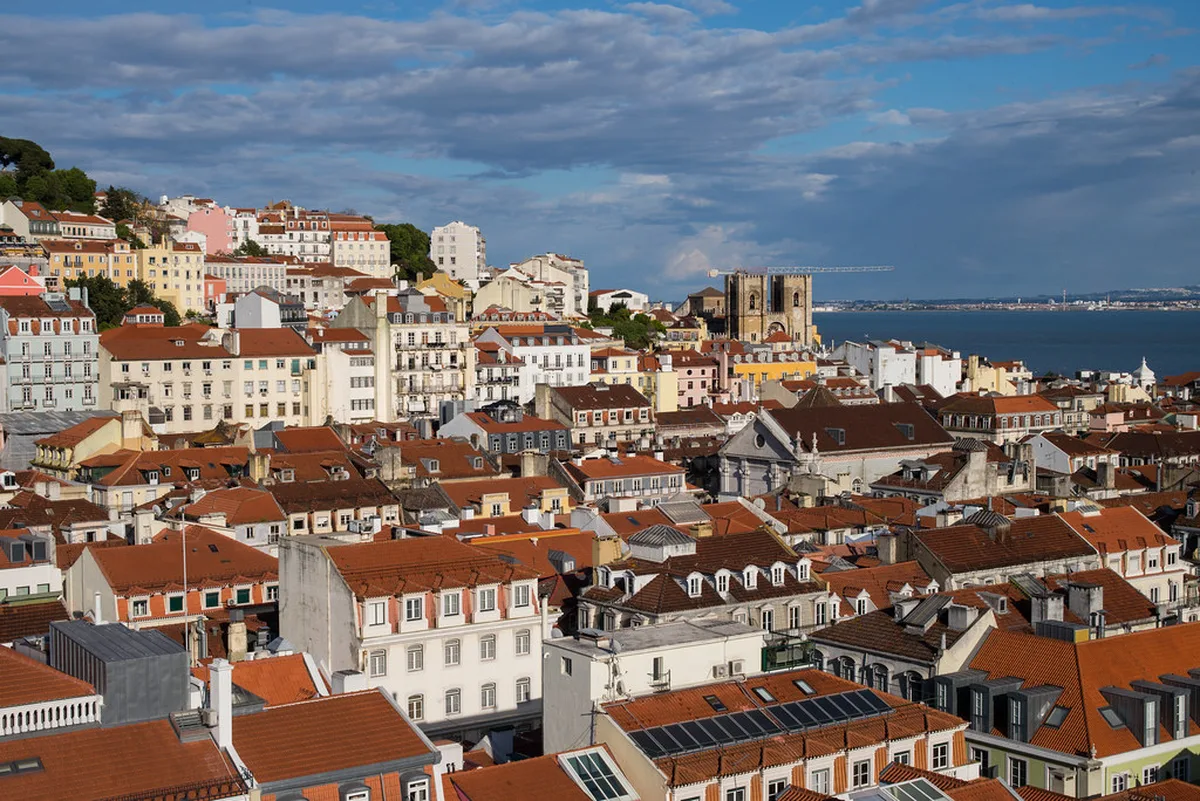
The city splits into two natural halves for a one-day visit. The western half (Belém) holds the UNESCO monuments. The eastern half (Alfama, Baixa, Chiado, Bairro Alto) holds the neighbourhood character. You can do both in one day, but you will feel rushed at each. The three route options below each make a deliberate choice about which half to weight more heavily.
If your only day falls on a Monday, build around Option 1 or Option 3. The Jerónimos Monastery is closed on Mondays and there is no workaround. The Church of Santa Maria de Belém next door is free and open, but it is a partial substitute at best. Plan accordingly before you book transport to Belém.
Those who prefer slow travel should consult our guide to decide how long to stay for their pace. Most people who visit for one day leave wishing they had booked three.
How to Get Around Lisbon
The Carris public transport network covers buses, trams, and funiculars on a single Viva Viagem card. The card costs €0.50 to buy at any metro station and can be loaded with a 24-hour unlimited pass for around €6.80. This is the baseline for any one-day visit — load it before you leave the airport or your hotel.
Tram 28 is famous for good reason: it climbs through Alfama, passes the cathedral, and rolls through Chiado in about 40 minutes end to end. However, by 10:00 it is standing-room only with tourists, and pickpocketing on this specific line is the most commonly reported theft in Lisbon. Ride it before 09:00 or after 20:00 if you want the experience without the crush. For actually getting to the Alfama neighbourhood, Bus 737 from Martim Moniz reaches the same starting points in Alfama (São Jorge Castle area) in 12 minutes with a fraction of the crowd. This is the bus locals use.
Tuk tuks cost €50–€70 per hour and are genuinely useful if you have limited mobility or are trying to link Belém to Alfama without a transfer. For everyone else they are a pleasant splurge, not a time-saver: they cannot use the main bus lanes and get caught in the same Baixa traffic as everything else.
The metro is the fastest way between Belém (take Tram 15E, not the metro — Belém has no metro station) and the city centre. From Cais do Sodré station you can connect to the entire metro grid in under 30 minutes. Use the metro for airport transfers and for moving between distant neighbourhoods; use buses and trams once you are on foot in the historic quarter.
Option 1: The Historic Center and a Sunset Cruise
This option keeps you in the eastern city — Alfama, Baixa, and Chiado — and skips Belém entirely. It is what I would personally do on a first visit, because the neighbourhood character of Alfama is more distinctively Lisbon than the monuments of Belém, and the walk from São Jorge Castle down through Baixa to Chiado is one of the great European urban strolls.
- Best for: First-timers who want atmosphere over monuments, history walkers, photographers.
- Pace: Moderately busy — you will cover 8–10 km on foot with natural breaks built in.
Start the day at São Jorge Castle at 09:00 when it opens. Tickets cost €17 (buy online in advance — the queue for walk-ups can hit 45 minutes by 10:30). The castle sits at the top of Alfama and gives you the best panoramic view of the city early in the day, before haze builds over the Tagus. Allow 60–90 minutes, then walk downhill through Alfama's alleyways to the Miradouro de Santa Luzia and Miradouro das Portas do Sol — both free, both photogenic, both five minutes from each other.
Lunch belongs at the Time Out Market in Cais do Sodré (10:00–24:00 daily). It is busy but efficient: pay per stall, find a communal table, eat well for €10–€15. From there, walk north through Baixa — Praça do Comércio, Rua Augusta, Rossio Square — then climb to Chiado via the Santa Justa Lift (€5.30 return, or walk the steps for free). Spend an hour in Chiado: Largo do Carmo, the Carmo Convent ruins (€6), and a coffee at A Brasileira are the core stops.
The evening slot goes to a Tagus River sunset cruise. Boats depart from three points: Praça do Comércio docks, Alcântara waterfront, and Belém. A 90-minute cruise passes in front of Alfama, skirts the Belém Tower, and goes under the 25 de Abril Bridge. Book at least three days in advance — these sell out in summer. Most operators charge €25–€35 per person. If you prefer to stay on land, Miradouro de São Pedro de Alcântara in Bairro Alto is the best free sunset viewpoint from the ground.
- 09:00 — São Jorge Castle (arrive at opening; 90 min)
- 10:30 — Walk through Alfama to Santa Luzia & Portas do Sol viewpoints (60 min)
- 12:00 — Sé de Lisboa cathedral (free entry; 20 min)
- 13:00 — Lunch at Time Out Market, Cais do Sodré (60 min)
- 14:30 — Praça do Comércio, Rua Augusta, Rossio Square (90 min)
- 16:00 — Santa Justa Lift up to Chiado; Carmo Convent (90 min)
- 19:00 — Sunset cruise or Bairro Alto viewpoint + dinner
São Jorge Castle opens at 09:00 — arriving on the dot means you clear the main ramparts before the first tour buses arrive at 10:30. That 90-minute head start is the single biggest time-saver of the whole day.
| Time | Stop | Duration | Cost (2026) |
|---|---|---|---|
| 09:00 | São Jorge Castle | 90 min | €17 (online) |
| 10:30 | Alfama alleyways + Santa Luzia & Portas do Sol viewpoints | 60 min | Free |
| 12:00 | Sé de Lisboa cathedral | 20 min | Free |
| 13:00 | Lunch — Time Out Market, Cais do Sodré | 60 min | €10–15 |
| 14:30 | Praça do Comércio → Rua Augusta → Rossio | 90 min | Free |
| 16:00 | Santa Justa Lift → Chiado → Carmo Convent | 90 min | €5.30 + €6 |
| 19:00 | Tagus sunset cruise or Bairro Alto viewpoint + dinner | 2–3 h | €25–35 / Free |
Option 2: Belém's Monuments, Baixa & Chiado, and Fado
This is the highlight-hopper route and the most commonly recommended one-day plan in travel guides — for good reason. You hit both UNESCO World Heritage Sites (Jerónimos Monastery and Belém Tower) in the morning, then cross the city for the neighbourhood experience in the afternoon, and finish with a live Fado dinner in Alfama.
- Best for: First-timers who want both the monuments and the culture, those who have already seen Alfama and want the Belém contrast.
- Pace: Fast — you will use public transport to link Belém to Baixa; expect 12 km total.
Start with breakfast at Pastéis de Belém (Rua de Belém 84–92, open from 08:00 daily). A warm custard tart costs €1.50 here — the original recipe, handed down from the monks of the adjacent monastery. Walk over to the Jerónimos Monastery and join the entry queue by 09:00, before the timed-slot crowds arrive. The monastery opens at 09:30 (closed Mondays; €18 entry). The cloister alone justifies the trip: two storeys of intricately carved Manueline stonework surrounding a central courtyard. Allow 60 minutes inside.
Walk 12 minutes west along the river to the Belém Tower (€6; book online). The interior is genuinely atmospheric — cannons, a dungeon, river views from the battlements — but the tower's small capacity creates long queues at the door. If you have a pre-booked ticket, enter and allow 30 minutes. Then walk east to the Padrão dos Descobrimentos, the monument to the Age of Discoveries (€10 to climb to the viewing terrace; the exterior alone is impressive and free). Take Tram 15E from the Belém stop back to Praça do Comércio for lunch at the Time Out Market.
The afternoon mirrors Option 1 through Baixa and Chiado — Rua Augusta, the Santa Justa Lift, the Carmo Convent — but at a faster pace because you have used your morning energy in Belém. End the night at a Fado house in Alfama or Bairro Alto. A proper set-menu Fado dinner runs €40–€60 per person including wine and a live performance lasting 90 minutes. Book at least two days ahead; the better houses fill quickly. The soulful, melancholic music is the single most distinctively Portuguese experience available in one evening.
- 08:00 — Breakfast at Pastéis de Belém
- 09:00 — Queue for Jerónimos Monastery (opens 09:30; 60 min inside)
- 11:00 — Belém Tower (30 min) + Padrão dos Descobrimentos (20 min)
- 12:30 — Tram 15E back to city centre; lunch at Time Out Market
- 14:30 — Praça do Comércio, Rua Augusta, Santa Justa Lift, Chiado, Carmo Convent
- 18:00 — Walk or taxi to Alfama or Bairro Alto Fado house (dinner from 20:00)
Option 3: The Alternative Local Route (Graça & Arroios)
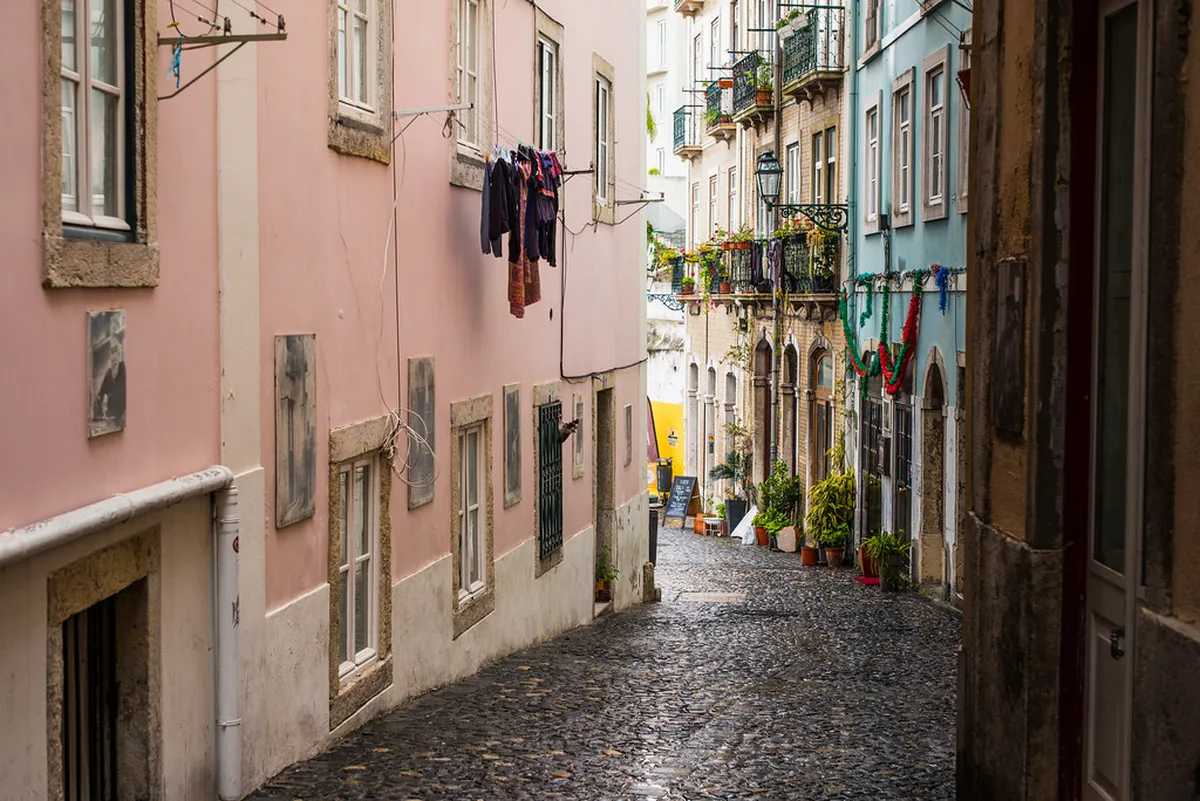
This route is for repeat visitors and anyone who finds the standard Belém-Alfama circuit exhausting to read about. Graça sits directly above Alfama but feels entirely different — quieter, younger, full of ceramic workshops and independent wine bars. Arroios, just east of Intendente, was named one of the coolest neighbourhoods in the world by Time Out in 2023 and has only got better since.
- Best for: Return visitors, travelers on a tight budget, those who prefer street life over queues, anyone curious about contemporary Lisbon.
- Pace: Relaxed — this is a walking day with few paid entries.
Start the morning at Miradouro da Graça before 09:00 when the light is soft and the viewpoint is mostly empty. The café kiosk opens at 08:00 and serves solid espresso for €0.80. From there, walk along Rua da Graça to the Igreja de São Vicente de Fora (€8 entry, rooftop views that rival São Jorge Castle, and almost no queue on weekday mornings). The monastery's azulejo panels depicting the fables of La Fontaine alone are worth the detour.
By mid-morning, descend toward Intendente square, one of Lisbon's most genuinely multicultural spaces. Grab lunch at the Mercado de Arroios (Rua Ângela Pinto 38; Mon–Sat 07:00–14:00) — a neighbourhood market where stall meals run €5–€8 and the fish counter is outstanding. Spend the early afternoon walking the grid streets of Arroios, pausing at any of the ceramic studios and independent bookshops that have opened in the last two years.
The afternoon loops back via Mouraria, Lisbon's oldest Moorish quarter and the birthplace of Fado. The walk from Arroios through Mouraria to the base of São Jorge Castle takes 20 minutes on foot. The Largo do Intendente and Rua do Benformoso are both worth slowing down for. Finish the day at LX Factory on the Alcântara waterfront — open late, full of good food stalls and independent shops — or take the metro from Intendente back to Baixa for dinner in Chiado.
Book in Advance: Ticket Planning Cheatsheet
The difference between a smooth day and a wasted one in Lisbon usually comes down to three bookings. Here is what you genuinely need to pre-book versus what you can leave for the door.
- Jerónimos Monastery — Book 3–4 weeks ahead in summer (June–September), 1 week ahead in shoulder season. Timed slots sell out. Buy via the official monastery website. Closed Mondays — this is non-negotiable.
- Belém Tower — Book 2 weeks ahead. Very small interior, fills fast each morning. Combined Belém ticket bundles the tower and the monastery at a small saving.
- São Jorge Castle — Book 48–72 hours ahead. Walk-up tickets are usually available by mid-morning but the queue can cost 45 minutes. Online booking costs €17.
- Tagus River cruise — Book 3 days ahead minimum in peak season. Popular 90-minute operators run from Praça do Comércio docks. Check weather: sailings cancel in strong westerly winds.
- Fado dinner — Book 2 days ahead for weeknight sittings, 4–5 days ahead for Friday or Saturday.
- Carmo Convent / Time Out Market / all miradouros — No booking needed. Walk in.
One detail that trips up first-timers: the free Church of Santa Maria de Belém (which contains the tomb of Vasco da Gama) sits inside the Jerónimos complex but is accessed separately and costs nothing. If you arrive in Belém and find the monastery full, the church is not a consolation prize — it is genuinely magnificent, with a soaring Manueline nave. It is simply not the cloister.
How to Eat Well on a One-Day Schedule
Food in Lisbon rewards early starts and punishes lunchtime indecision. Build these three stops into whichever route you choose, and you will eat better than most tourists who spend a week here.
Breakfast (08:00–09:00): If you are heading to Belém, start at Pastéis de Belém on Rua de Belém 84–92. A tart costs €1.50, coffee €0.80, and the queue at opening is still short. If you are staying in the city centre, Padaria Portuguesa has branches near Chiado and Alfama with fresh pastries and espresso for under €3. Avoid hotel breakfast buffets — they cost time you do not have.
Lunch (12:30–13:30): The Time Out Market at Cais do Sodré is the most time-efficient lunch option for a packed itinerary — dozens of quality stalls under one roof, no waiting for a table, €10–€15 per person including a drink. Alternatively, the Mercado de Arroios (Option 3 route) gives you a more local experience at lower cost. Avoid the tourist-facing restaurants on the ground floor of Praça do Comércio — quality is inconsistent and prices are 30–40% higher than two streets away.
Dinner (19:00–21:00): This slot is where you make the big decision between a Fado house (pre-book, €40–€60 set menu) and an independent restaurant in Bairro Alto or Chiado (walk-in, €20–€35). Both are valid. If you want specifically Portuguese food without the performance, Tasca do Chico in Bairro Alto (Rua do Diário de Notícias 39) is one of the most honest tavernous restaurants in the neighbourhood — cash only, arrive before 19:00 for a walk-in table.
The Lisbon Card: Is It Worth It for One Day?
The Lisbon Card 24-hour pass costs €22 in 2026. It covers unlimited travel on all Carris buses, trams, the metro, and the urban train lines. It also includes free entry to the Jerónimos Monastery, Belém Tower, and São Jorge Castle, plus discounts at dozens of other sites including the Santa Justa Lift (€5.30 without the card).
The maths only work if you are following Option 2 and visiting all three major paid sites. The monastery (€18) plus the tower (€6) plus the castle (€17) totals €41 in individual tickets. Add two days of transport at €6.80 each and you are well ahead. If you are following Option 1 (city centre only, skipping Belém), visit the castle and one or two paid museums and the card roughly breaks even. If you are following Option 3 (Graça, Arroios, Mouraria), the card almost certainly does not pay for itself — the neighbourhood route involves very few paid entries.
One practical caveat: the card does not guarantee queue-skipping. At the Jerónimos Monastery you still need a timed entry slot booked in advance — having the card gets you in for free, but you must reserve the slot on the official website regardless. Factor that into your planning. You can pick up the card at the airport arrivals hall, at the main tourist office on Praça do Comércio, or at several metro stations.
Where to Stay for a 24-Hour Visit
With only one day in the city, your hotel location functions primarily as a logistics base, not a neighbourhood to explore. The single most important factor is proximity to public transport and the first stop of your chosen route. Do not pick a hotel in Belém if you are doing Option 1, and do not pick a hotel in Alfama if you have early-morning Belém plans — the transfer alone can cost 40 minutes.
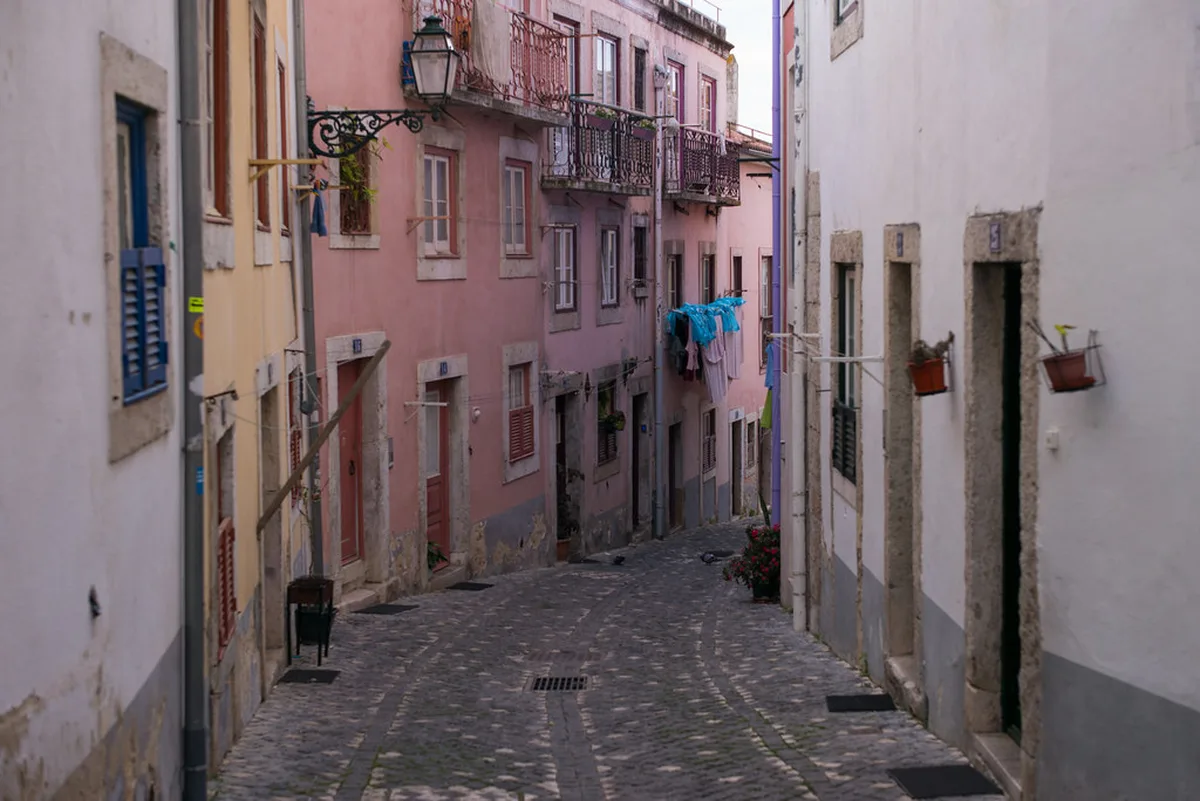
Chiado and Baixa are the best all-round bases for a short stay. Both are metro-accessible (Baixa-Chiado station), flat enough for rolling luggage, and within 30 minutes of every point in all three itineraries. Chiado in particular is within walking distance of Bairro Alto, Alfama (downhill), and the Cais do Sodré river terminal. If you have a morning Belém start, Tram 15E runs from Praça da Figueira (five minutes' walk from most Baixa hotels) directly to the monastery stop.
For a single overnight, Príncipe Real — just north of Chiado — offers a quieter alternative to Baixa's tourist bustle while remaining extremely central. The neighbourhood has good independent restaurants for a pre-itinerary dinner and is genuinely pleasant to walk through at night. Budget travelers should look at guesthouses in Intendente (Option 3 territory) where prices run 30–40% lower than Chiado for equivalent quality.
Frequently Asked Questions
Is one day in Lisbon enough for first-timers?
One day allows you to see the main historic districts like Belém and Alfama. However, you will likely miss out on the magical palaces of nearby Sintra. Most travelers prefer at least three days to cover both the city and day trips.
Is the Lisbon One Day Pass worth the cost?
The pass is worth it if you visit at least three major paid attractions. It covers all public transport and entry to the most famous monuments in Belém. You will save money and time by avoiding individual ticket lines.
How do I get from Lisbon airport to the city center?
The red metro line connects the airport to the city center in about twenty minutes. It is the most affordable option for solo travelers or couples. Taxis and ride-sharing apps are also available for a faster, more direct journey.
Lisbon is a city that earns repeat visits. One day gives you the architecture, the light, the custard tarts, and the sound of Fado drifting from a backstreet — enough to understand why people keep coming back. Pick one of the three routes, book the two or three tickets that actually require advance planning, and let the rest of the day be flexible.
Wear comfortable shoes — the cobblestones of Alfama and the hills of Graça are beautiful but unforgiving on thin soles. In summer, carry water and start the outdoor sections before 10:00 when the heat is manageable. Safe travels, and enjoy every moment of your day in Portugal's capital.