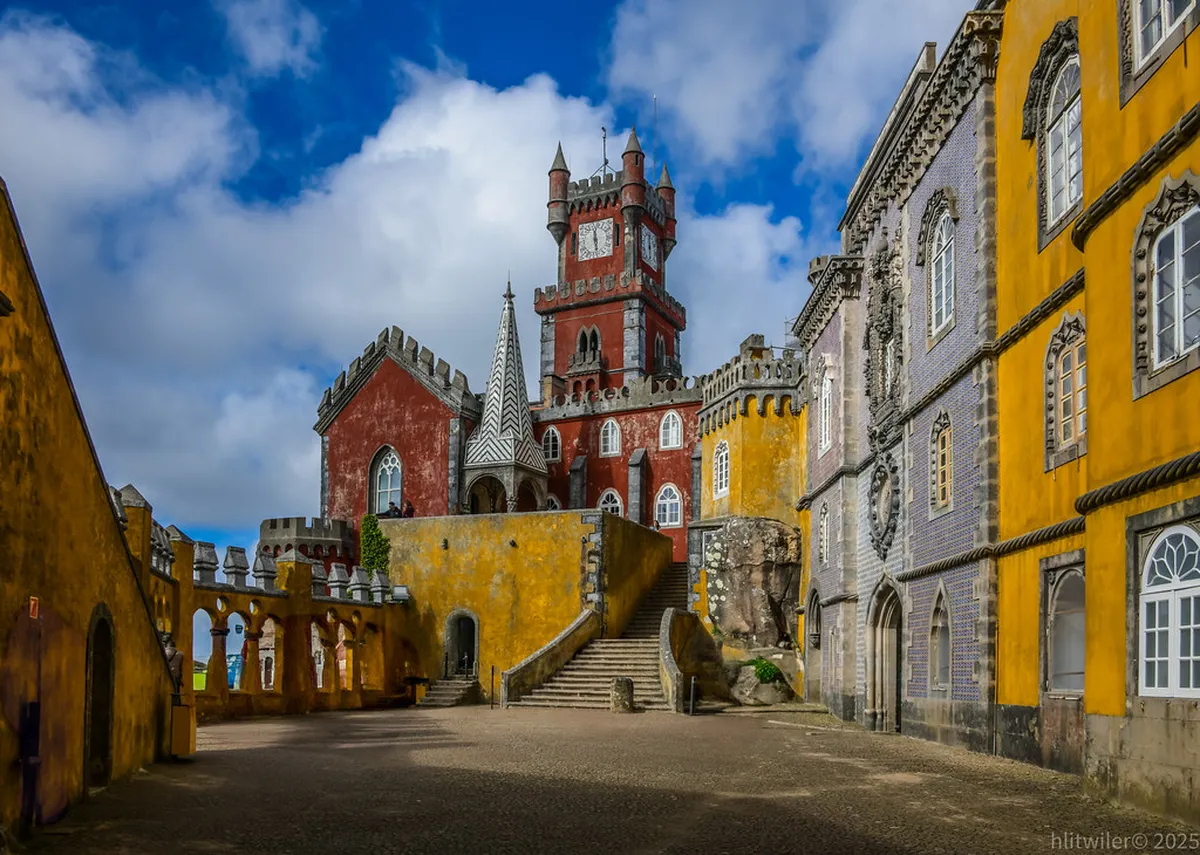
Three days in Lisbon is a tight but completely workable window — if you plan by neighborhood rather than by landmark. This guide is built around exactly that logic, grouping each day so you walk downhill rather than up, arrive at the busiest sites before 10:00 and reach Sintra before the cruise-ship crowds. We updated this itinerary for 2026 to reflect current ticket prices and the Pena Palace timed-entry system that caught many visitors off guard last season.
One of the single biggest time-savers is treating Belém as a morning-only destination. The Jerónimos Monastery and Belém Tower are both quieter before 10:00 AM, and the famous custard tarts at Pastéis de Belém taste exactly the same at 09:30 as they do at noon — with a fraction of the queue. From there, each afternoon takes you deeper into the historic quarters the city is built on.
Lisbon Planning Cheatsheet
Before diving into the day-by-day plan, these are the logistics that will determine whether your trip runs smoothly or not. Lisbon airport (Humberto Delgado) connects to the city center via the Red Line metro in about 25 minutes for around €1.65. An Uber from the arrivals hall typically costs €12–€18 depending on traffic and is the easiest option after a long flight.
Currency is the euro. Most restaurants and taxis accept cards, but tuk-tuk drivers usually prefer cash. The Viva Viagem rechargeable card (€0.50 deposit) covers metro, bus, and tram in one tap — buy one at any station kiosk. For a full breakdown of current passes, events, and neighbourhood guides, the official Lisbon tourism site is the most reliable source. Public transport fares within the city are €1.65 per journey. A 24-hour unlimited pass for metro, bus, and tram costs €6.80 and makes sense from Day 2 onward when you are moving between districts.
- Book Pena Palace in Sintra at least 14 days ahead — timed entry, non-negotiable in summer 2026.
- Book Jerónimos Monastery at least 7 days ahead; Belém Tower 3–5 days is usually enough.
- Top restaurants (Belcanto, A Cevicheria) book up weeks in advance; lock in before you fly.
- Download the CP (Comboios de Portugal) app for Sintra train tickets — no queue at the machine.
- Bring a light rain layer: Lisbon's cobblestones turn slick in a drizzle and the hills are unforgiving.
Lisbon's major sites now enforce timed entry in peak season (April–October). Book Pena Palace 14+ days ahead and Jerónimos Monastery 7–10 days ahead — both sell out online before walk-up tickets are even available at the gate.
| Day | Morning | Afternoon | Evening |
|---|---|---|---|
| Day 1 | Belém — Jerónimos Monastery & Pastéis de Belém | Alfama — Sé Cathedral, Castelo de São Jorge | Fado dinner in Alfama |
| Day 2 | Baixa & Chiado — Praça do Comércio, A Brasileira | Mouraria & tuk-tuk miradouro tour | Sunset Tagus river cruise |
| Day 3 | Sintra — Pena Palace (09:30 timed entry) | Moorish Castle, Sintra village lunch | Cascais waterfront dinner, train back |
Is 3 Days in Lisbon Enough?
Many travelers try to work out how long to stay before committing to their booking. Three days gives you enough time to cover the two most iconic heritage districts inside the city, do a full Sintra day trip, eat well each evening, and leave without feeling you rushed. That is a high bar for three days, and this itinerary achieves it by treating each morning as sacred — early starts at the big monuments before the tour buses arrive.
Where three days falls short is the outer neighborhoods: Mouraria's deeper alleys, Príncipe Real's antique market on Saturdays, and the Tile Museum (Museu Nacional do Azulejo) all tend to get bumped. If you have a fourth day, those are the first additions. If you only have two days, skip Sintra and spend both days in Alfama and Belém — do not try to compress Sintra into a half-day.
Where to Stay in Lisbon
The neighborhood you choose has a larger effect on your daily experience than almost any other decision. Baixa (the flat neoclassical grid near Praça do Comércio) is the most practical base: metro access, flat walking, close to the 15E tram for Belém and the Rossio train for Sintra. It skews toward international chain hotels and is noisier on summer evenings.
Chiado sits just uphill from Baixa and feels noticeably calmer while still being within ten minutes' walk of every Day 2 site. It suits travelers who want good dinner options outside their front door without navigating stairs to get home at midnight. Alfama, Lisbon's oldest neighborhood, is the most romantic choice — expect narrow alleys, Fado music drifting from open doors, and a genuine workout every time you return to your guesthouse. Budget for boutique: genuinely good Alfama hotels (Memmo Alfama, Santiago de Alfama) run €180–€280 per night in 2026. Bairro Alto is the nightlife pick — quieter during the day, and you can walk home after dinner.
- Alfama: best for atmosphere, worst for flat access — bring roll-on luggage, not a suitcase with wheels.
- Baixa / Chiado: best for first-timers; within walking distance of both the 15E tram and Rossio Station.
- Bairro Alto: ideal if you plan to stay out late; most bars and Fado houses are within a five-minute walk.
- Príncipe Real: the local's favorite — leafy, quieter, excellent restaurants, three metro stops nearby.
How to Get Around Lisbon
Lisbon is compact but hilly, and your transport choice should match the terrain. Walking covers most of the historic center well — Baixa to Alfama is under 25 minutes on foot. The metro is fast for longer cross-city moves (airport, Oriente station, Marquês de Pombal). For Belém, take Tram 15E from Cais do Sodré: it runs along the riverside and drops you directly in front of the Jerónimos Monastery in about 20 minutes.
Tram 28 is the one that always comes up. It is a genuine vintage tram, not a tourist trolley, and it still serves residents of Alfama, Graça, and Bairro Alto. The honest trade-off: it costs the same as any other tram (€1.65 on card) and passes some beautiful streets, but in peak season it is crushingly crowded, slow, and a known pickpocket environment. If you want the view, ride one stop and get off. If you need to actually get somewhere, use the 28's bus parallel (routes 737 or 734) or take an Uber — typically €4–€7 anywhere within the historic center.
Tuk-tuks are fun and genuinely useful for the steep alleys that buses cannot reach. Expect to pay €40–€80 for a one-hour private tour depending on the route and season. Always agree the price before you get in. The Santa Justa Lift (€5.50 return) connects Baixa to Largo do Carmo and is worth it once for the view, though the free staircase next to it achieves the same result.
For Sintra: trains depart from Rossio Station every 20–30 minutes from roughly 07:00 to midnight. A single ticket is €2.25 one-way. Once in Sintra, take the 434 circular bus (€3.30 for day pass) from the station — it stops at Pena Palace, the Moorish Castle, and the historic village center in a loop. Alternatively, take an Uber from the station directly to the top of the hill (about €6–€8) and walk downhill through the palaces, which is far more enjoyable than climbing up in the midday heat.
Day 1: Belém in the Morning, Alfama in the Afternoon
Start at Cais do Sodré and board Tram 15E by 08:45 AM. You want to arrive at the Jerónimos Monastery by 09:15 at the latest — it opens at 09:30 and the small queue that forms before opening is infinitely shorter than the one that builds by 10:30 when the cruise-ship groups arrive. The monastery costs €10 and includes the church with Vasco da Gama's tomb and the magnificent two-storey Manueline cloister — both the monastery and the nearby Belém Tower are UNESCO World Heritage sites inscribed together in 1983. Budget 60–75 minutes inside.
After the monastery, walk 200 metres west to Pastéis de Belém. The custard tarts here (served warm, dusted with cinnamon and powdered sugar) have been made to the same secret recipe since 1837. There will be a short queue; it moves fast. Take your tarts across the street to the Praça do Império gardens to eat them. Then walk another 10 minutes along the riverside to the Belém Tower (€6, pre-book online). The exterior Manueline stonework is the highlight; the interior is narrow and the views are similar to what you can get from the riverbank for free. Allow 30–45 minutes.
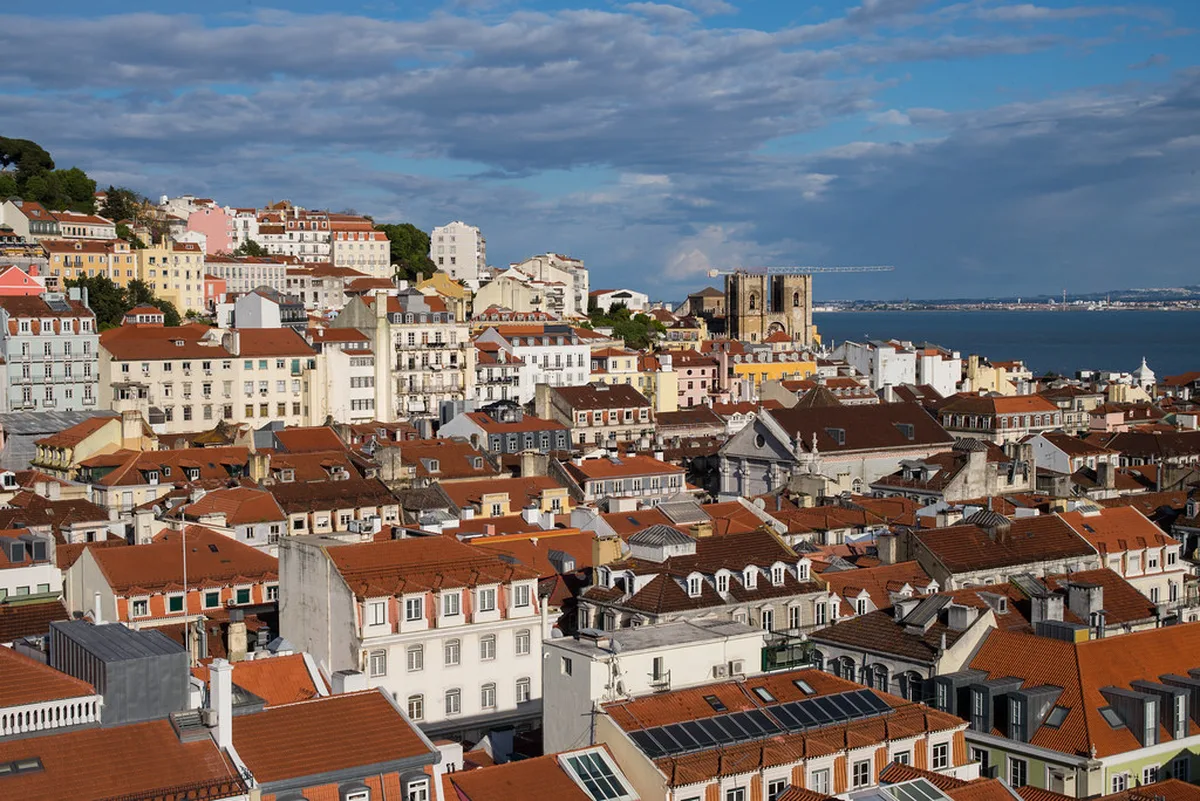
Return to central Lisbon on Tram 15E (direction Praça da Figueira) by early afternoon and walk uphill into Alfama. Start at Sé Cathedral (free to enter the nave), then climb to Miradouro de Santa Luzia for a river view before reaching the Castelo de São Jorge. The castle costs €15 and is open 09:00–21:00; timed-entry is not required but pre-booking online saves you about 20 minutes in queue. The hilltop offers the widest panorama in central Lisbon. End the day with a Fado dinner in Alfama — proper Fado restaurants include a meal and expect to run €35–€55 per person including wine. Book 24–48 hours ahead in summer.
Day 2: The Historic Heart — Baixa, Chiado, and Mouraria
Day 2 is the one most itineraries reduce to "wander Chiado and take a tuk-tuk," but for a site rooted in Lisbon's historic quarters, there is a better sequence. Start at Praça do Comércio by 09:30 AM. Walk through the Arco da Rua Augusta into Baixa and continue uphill to Chiado. Stop at A Brasileira café (opened 1905, Rua Garrett 120) for coffee — it is genuinely historic and the espresso is solid. Browse A Vida Portuguesa on Rua Anchieta for made-in-Portugal ceramics and linen if you are shopping for gifts.
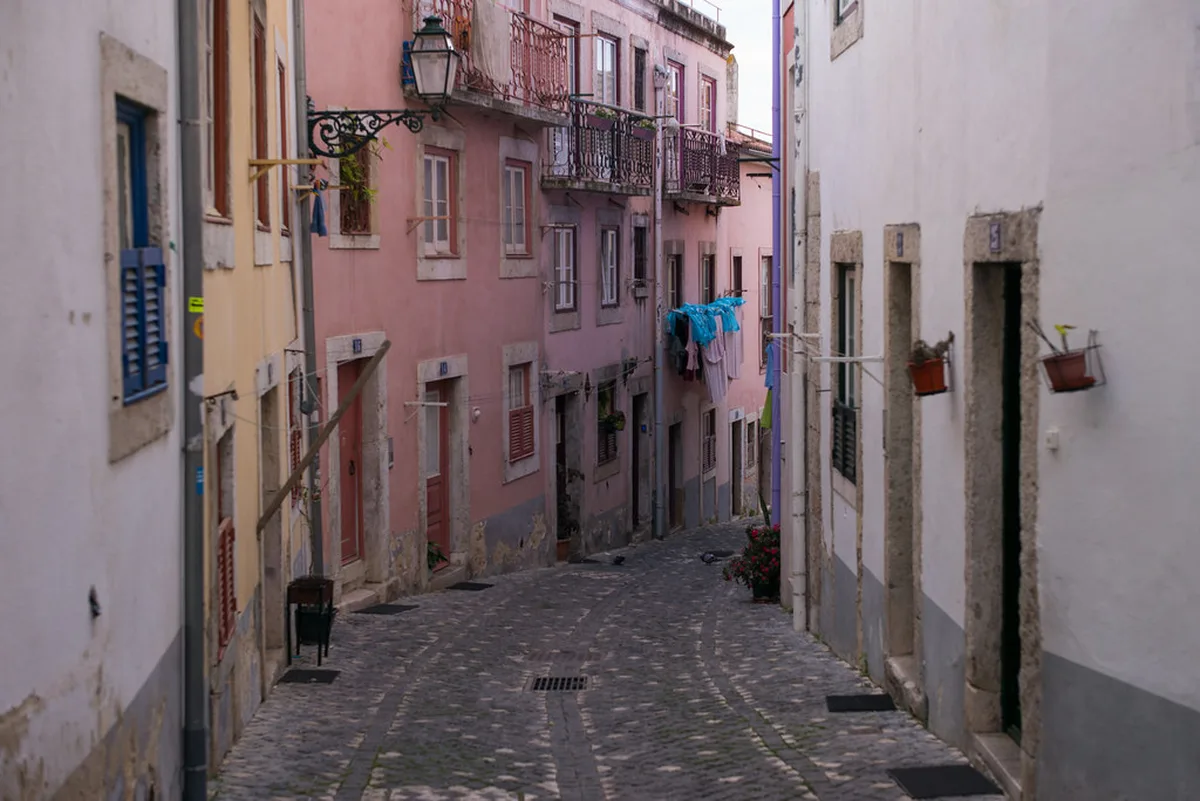
From Chiado, most visitors head back to Alfama for a tuk-tuk tour. A better routing passes through Mouraria first. Mouraria is Lisbon's oldest Moorish quarter — the neighbourhood that predates Alfama in settlement history and is widely considered the birthplace of Fado. It sits just below and northwest of the castle, between Martim Moniz square and the castle walls. Largo do Intendente is its civic heart: a restored tile-fronted square with independent cafés and a small local market on weekend mornings. The Mouraria Food Market (inside the covered Mercado de Mouraria) runs Tuesday to Saturday and sells the city's best fresh cheese and charcuterie alongside hot lunch plates for €6–€9. Almost no SERP itinerary routes through here, yet it takes only 20 minutes from Chiado by metro (green line, Martim Moniz stop) and gives a completely different texture to the city than the more polished tourist circuit.
After Mouraria, book a tuk-tuk from Praça do Rossio for an hour-long tour of the hilltop viewpoints (miradouros) — Graça, Portas do Sol, and Senhora do Monte. Expect to pay €40–€60 for a private one-hour route. The drivers know short cuts through passages too narrow for buses. Finish the afternoon with a sunset cruise on the Tagus if you skipped Fado on Day 1 — two-hour sailings depart from Cais do Sodré and cost around €35–€45 per person.
Day 3: Sintra and Cascais Day Trip
Leave your hotel by 08:00 AM. Take the metro to Rossio Station and board the first or second direct train to Sintra (platform 3 or 4; departs from roughly 07:00 onwards, every 20–30 minutes). Arriving in Sintra before 09:30 is the difference between a pleasant morning and a frustrating one — the town fills up dramatically after 10:30 as day tours arrive from Lisbon. Buy your CP train ticket on the app the night before to skip the morning kiosk queue.
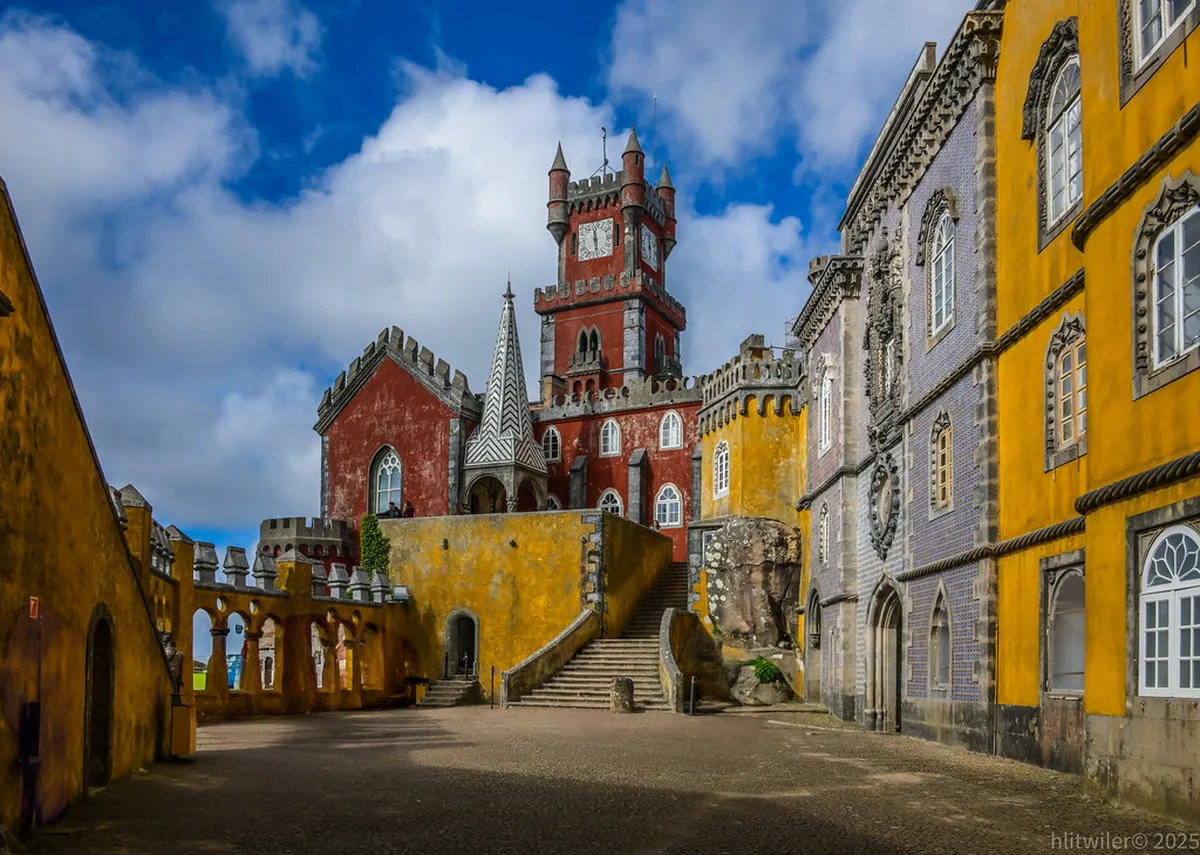
At Sintra station, take the 434 bus (departs from the stop directly outside) or an Uber to Pena Palace at the top of the hill. Pena Palace requires a timed-entry ticket booked online — in 2026 this is non-negotiable from April through October. Book the 09:30 AM slot at least two weeks ahead. This avoids the worst of the midday heat and gives you the exterior terraces with far fewer people in frame. The ticket covers the gardens and palace interior (€19.50 for adults); the gardens alone are €8.50 if the palace interior sells out. After Pena Palace, walk 15 minutes downhill to the Moorish Castle (€8.50) — the stone walls wind through forest and the views toward the sea on a clear day are exceptional.
By early afternoon, walk down into Sintra village for lunch. The village is compact and lined with pastry shops selling travesseiros (almond-cream puff pastry, a Sintra specialty). Return to Sintra station and take the same Linha de Cascais train westward (not back to Lisbon — the train continues through Estoril and on to Cascais). The Cascais leg takes about 35 minutes from Sintra station. Cascais is a relaxed fishing-town-turned-resort: the waterfront promenade, the old harbor, and the outdoor tables at the seafood restaurants are all within easy walking distance of the station. Have dinner there and catch a direct train back to Cais do Sodré in Lisbon (about 40 minutes) when you are done.
Book These Tickets in Advance
Lisbon's growing popularity as a destination means timed entry is now standard at the most-visited sites. Pena Palace in Sintra requires a timed ticket 14+ days ahead in peak season (April–October 2026). The 09:30 AM slot is the most valuable — it puts you on the palace terraces before the midday heat and the largest tour groups, and it is the first to sell out. If the 09:30 is gone, take 10:00; avoid anything after 12:00.
Jerónimos Monastery sells out online 7–10 days ahead in summer. Buying online also lets you enter via a separate fast-track gate, bypassing the walk-up ticket queue that can stretch 45 minutes. Belém Tower is slightly less pressured — 3–5 days ahead is usually sufficient. Castelo de São Jorge does not currently require timed entry but pre-purchasing online (€15) saves queue time at the gate.
Add an Extra Day: Nearby Escapes
If you have a fourth day, the itinerary opens up considerably. Évora is the most culturally rewarding option: a UNESCO-listed walled city with a Roman Temple, the Chapel of Bones (Igreja de São Francisco), and some of the best Alentejo red wines you will taste. It is 90 minutes by bus from Sete Rios station (€12–€15 each way). The historic center is compact and walkable and nothing requires advance booking.
Óbidos is the easier half-day: a medieval walled town with a single main street, a 12th-century castle, and the local custom of serving ginjinha (sour cherry liqueur) in small chocolate cups. Buses from Campo Grande station take about 75 minutes. Setúbal and the Arrábida Natural Park offer the best beaches within day-trip range of Lisbon — dramatic limestone cliffs above clear turquoise water. Driving is easiest, but shared tours depart from central Lisbon from around €35 per person.
Additional Tips for a Smooth Trip
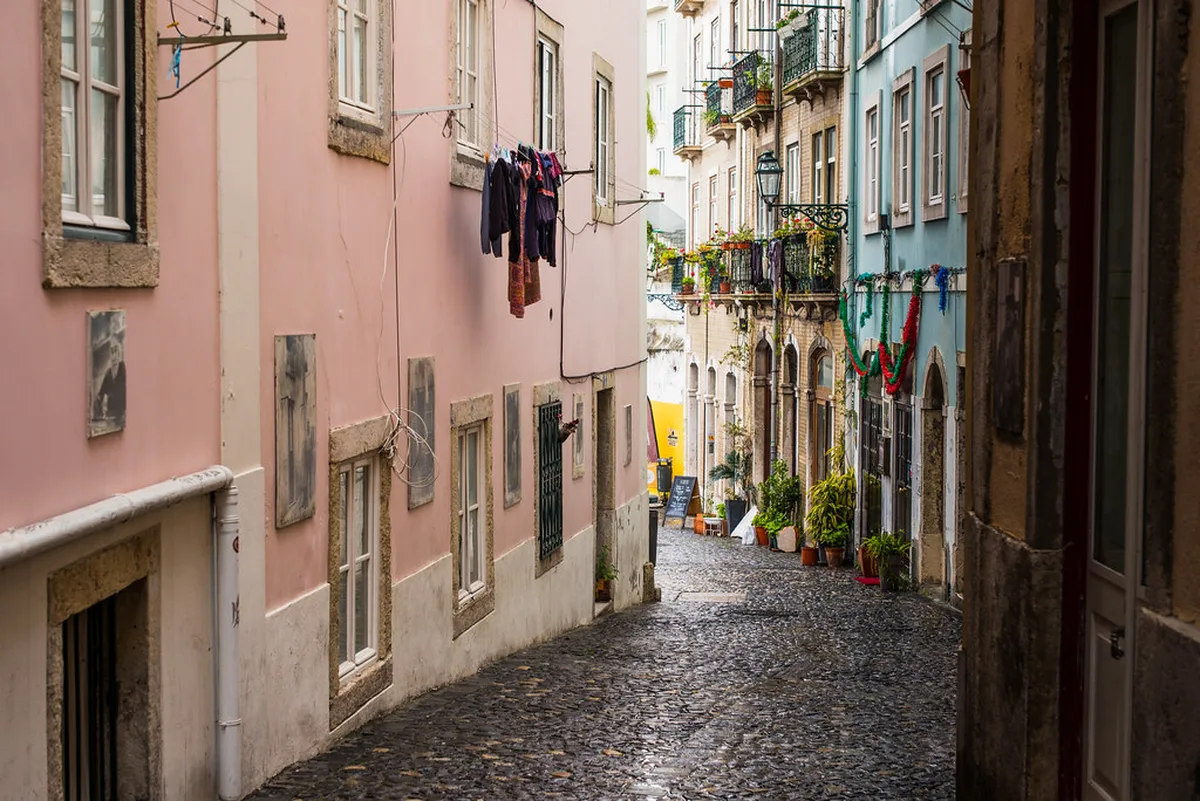
Wear flat-soled shoes with grip. Lisbon's calçada portuguesa (black-and-white limestone cobblestones) is beautiful and genuinely treacherous when wet. Running shoes or hiking trainers outperform stylish footwear every time. The hills are steeper than they look on a map — plan your return route before you start descending into Alfama, or you will be climbing back out.
The best time to visit is April–May or September–October: warm enough for comfortable walking, cool enough that the climb to Castelo de São Jorge does not leave you drenched. July and August are peak season — expect 35°C heat, longer queues, and hotel prices 40–60% above the shoulder-season rate. January and February are grey and quiet, with very low prices and almost no queues, though some miradouro cafés reduce hours.
For pastéis de nata beyond the tourist circuit, weekend visitors can try Manteigaria in Chiado (Rua do Loreto 2, open daily 08:00–00:00) or the lesser-known Pastelaria Santo António in Alfama (Rua dos Remédios 55) — a genuine neighborhood bakery where locals stop on the way to work. The custard ratio skews creamier than Belém and the queue is never more than three people deep.
Purchase a Viva Viagem card at any metro station on arrival. It covers metro, buses, trams, and the Santa Justa Lift on a single tap. Tuk-tuks and Uber do not accept the card — keep a small amount of cash on hand. Bolt also operates in Lisbon and is typically 10–15% cheaper than Uber on the same route.
Frequently Asked Questions
Is 3 days enough time for Lisbon?
Yes, three days is sufficient to see the major historic sites and Sintra. You can explore the central neighborhoods and enjoy the local cuisine comfortably. It provides a great balance between sightseeing and relaxation.
How do I get from Lisbon to Sintra?
Take the direct train from Rossio Station in central Lisbon. The journey takes about 40 minutes and costs roughly €5 for a return ticket. Trains run frequently throughout the day.
What is the best neighborhood to stay in Lisbon?
Baixa is the best for central access and flat streets. Alfama offers the most historic charm but involves many steep hills. Chiado is ideal for shopping and upscale dining.
Lisbon is a city that stays with you long after you leave. This 3-day itinerary ensures you see the best landmarks while avoiding common mistakes. I hope you enjoy the hills and the history of this beautiful capital. Safe travels as you explore the soul of Portugal.