Lisbon is one of the few European capitals where a two-day visit can feel genuinely satisfying — and where five days still leaves you with a list. The right duration depends entirely on which parts of the city matter to you. This guide focuses on what actually takes time in Lisbon: the historic quarters. Alfama, Mouraria, Bairro Alto, Chiado, and Baixa are each a half-day commitment when walked properly, and no other city in Western Europe packs this much medieval texture into such a small area.
Use this guide to match your available days to the quarters you want to see. You will find day-by-day breakdowns, a clear comparison of what each trip length gets you, practical transport costs, and honest advice on what to skip if your time is short.
The Short Answer: How Many Days in Lisbon?
Three days is the inflection point. With two days you can see the city core and feel the character of the old quarters, but you will sacrifice either Belém or Sintra — the two areas that require a dedicated half-day each. Three days lets you do both without rushing. Four or five days open up slower exploration of Mouraria, Príncipe Real, and the Chiado side streets that most visitors blow past.
If you are visiting Lisbon for the first time in 2026, the Visit Lisboa official site confirms that the average stay is now 3.4 nights — up from 2.8 nights pre-2020, reflecting how much the city has expanded beyond its original tourist circuit. That average is accurate for a reason: three days is genuinely enough to feel the city rather than just photograph it.
Here is a quick comparison to help you decide:
- 2 days — Alfama + Baixa on day one; Belém on day two. No Sintra. Good for a long weekend or a stopover.
- 3 days — adds Sintra as a full-day excursion. This is the "Big Three" combination: Alfama, Belém, Sintra.
- 4–5 days — adds Mouraria, Chiado, Príncipe Real, and optionally Cascais or a second Sintra palace. Best for travelers who want to feel like a temporary resident rather than a tourist.
| Length | Best for | Historic quarters you can cover |
|---|---|---|
| 1 day | Stopover or tight schedule | Alfama + Baixa (riverfront) |
| 2 days | First visit, long weekend | Alfama, Baixa, Belém |
| 3 days | Most visitors — the "golden ticket" | Alfama, Mouraria, Chiado, Baixa, Belém + Sintra day trip |
| 4+ days | Slow travel, return visitors | All of the above + Bairro Alto, Príncipe Real, Mouraria deep-dive, Cascais |
Is 2 Days in Lisbon Enough?
Two days is enough for a strong first impression, but it demands discipline. The key mistake most 48-hour visitors make is trying to cover too many districts and ending up with surface-level contact with all of them. A tighter plan means picking two or three historic quarters and spending real time inside them rather than walking through them.
A 2 days in Lisbon itinerary works best when you treat day one as a hills day and day two as a riverfront day. On day one, walk from Baixa up into Alfama in the morning, then cut across to Mouraria in the afternoon — these two medieval quarters sit almost back-to-back on the same hill. On day two, take tram 15E from Cais do Sodré to Belém and spend the full morning there before returning for the riverside walk.
Skip Sintra if you only have two full days. The train takes 40 minutes each way from Rossio Station, and the palaces realistically consume five to six hours on site. That is almost an entire travel day, which leaves too little for the city itself. Save Sintra for a third day.
Also skip the Santa Justa Lift on a two-day trip. The queue regularly runs 45–60 minutes in summer 2026 and the view is not significantly better than Miradouro de Santa Luzia, which is free and takes two minutes to reach from Alfama. Spend that hour in Mouraria instead.
The 3-Day Sweet Spot: The Golden Ticket
Three days is where Lisbon opens up. The structure that works best is to dedicate each day to a distinct geographic zone: the historic hills on day one, the maritime quarter on day two, and Sintra on day three. This approach minimises backtracking and respects the fact that the old city is built on seven hills — moving between quarters costs more time and energy than maps suggest.
Day one belongs to the eastern historic quarters. Start at the top of Alfama — a tuk-tuk or taxi to Castelo de São Jorge before 09:00 is worth the €8–12 fare because the castle fills up by 10:00. Walk downhill through Alfama's alleys, stopping at Miradouro de Santa Luzia and Sé Cathedral, then continue into Mouraria for lunch. Mouraria sits directly below Alfama and is far less visited — the Intendente square is genuinely local at midday. End the evening in Bairro Alto for dinner and, if you want it, a Fado house from around 21:00. Expect to pay €35–55 per person for a traditional Fado dinner with wine included.
Day two covers the western maritime zone. Take tram 15E from Cais do Sodré to Belém — the journey costs €1.85 on a Viva Viagem card. Visit Jerónimos Monastery (pre-book; €10 adult) first thing, then walk fifteen minutes along the riverfront to Belém Tower. The bakery at Pastéis de Belém next door opens at 08:00 and the queue is manageable before 09:30. In the afternoon, the Lisbon 3-day itinerary works well with a stop at LX Factory in the Alcântara district — the Sunday market is the best version, but the weekday cafes and bookshop (Ler Devagar) are worth the detour any day.
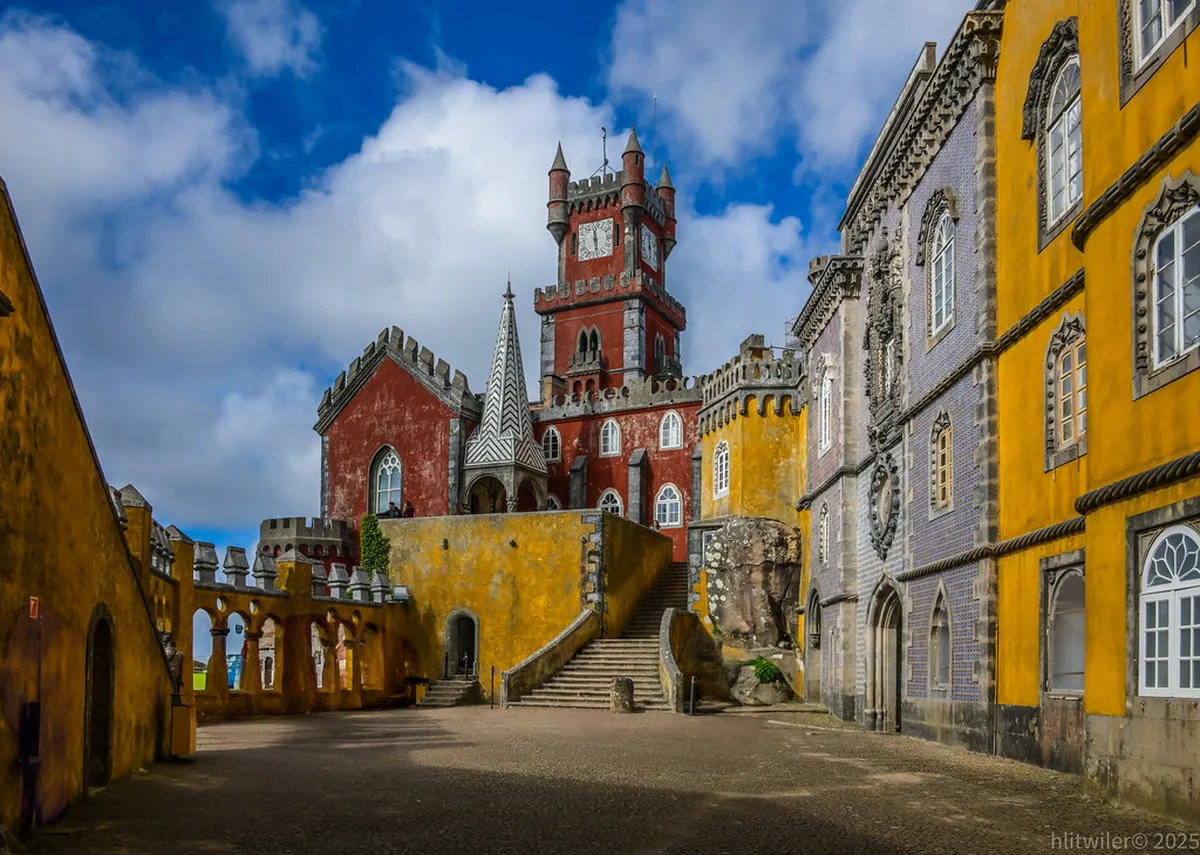
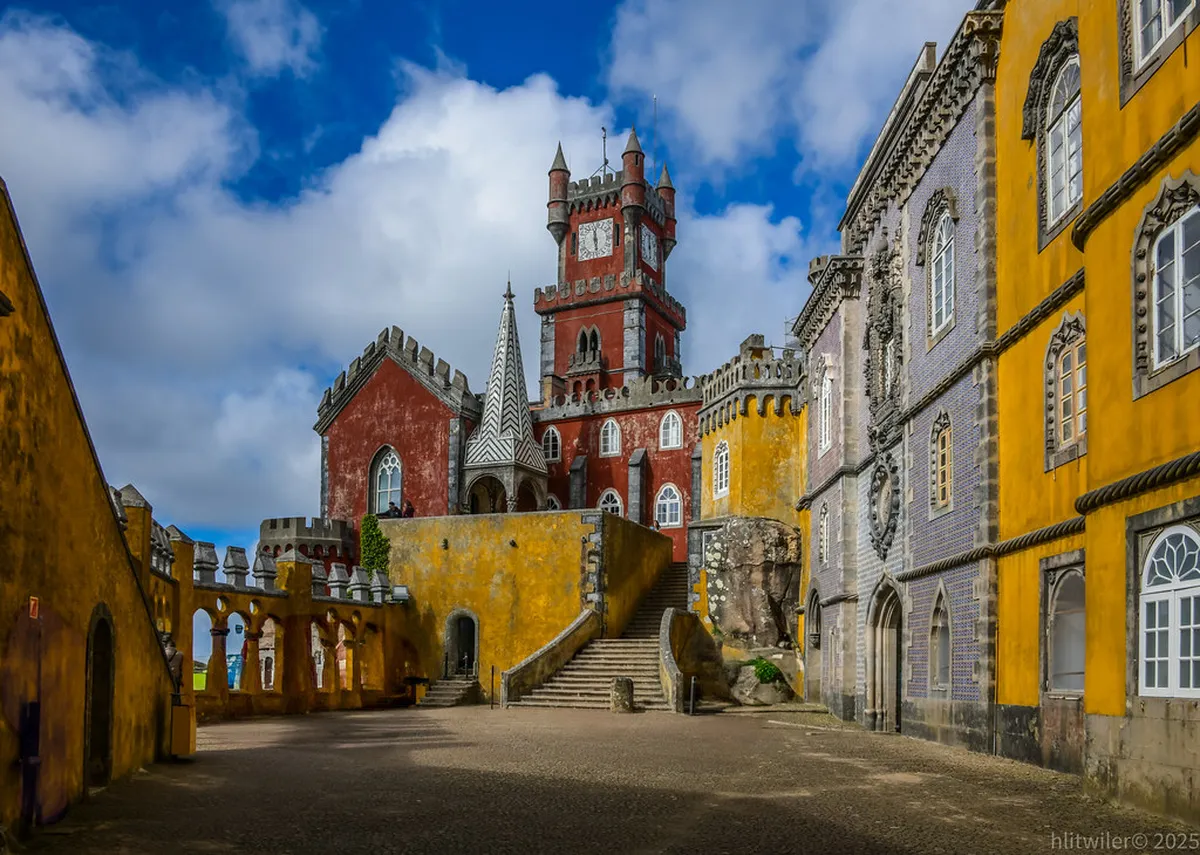
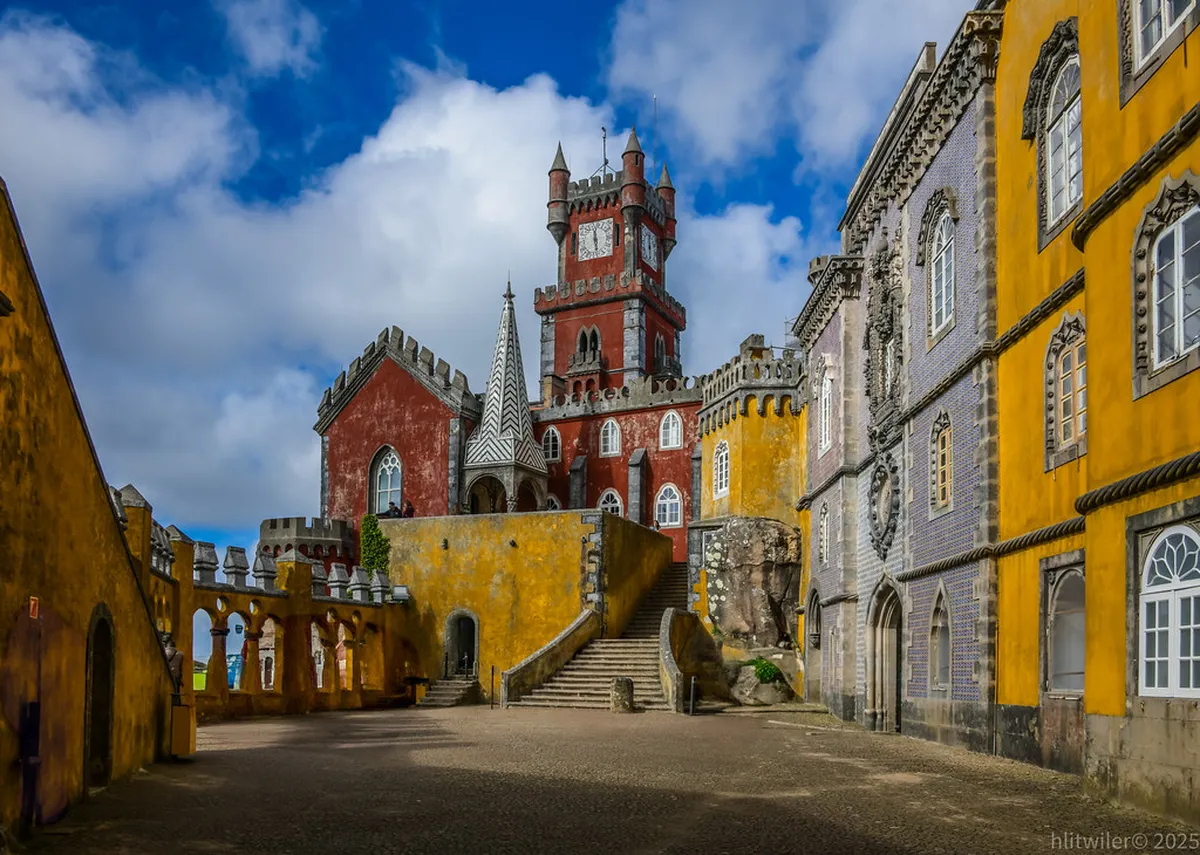
Day three is Sintra. Trains run every 20–30 minutes from Rossio Station; the single ticket is €2.25 and the journey is 40 minutes. Take a taxi from Sintra station directly up to Pena Palace — the uphill walk is 4 km and not worth it in the morning heat. Buy separate tickets for the palace exterior (€7.50) and the interior (€14 combined). After Pena Palace, walk down to Quinta da Regaleira (€10, pre-book in high season) rather than the Moorish Castle if you can only choose one — the initiation well and Masonic gardens are more distinctive than anything you can find elsewhere.
The Hills Decide How Long You Need
Every trip-length guide for Lisbon underestimates the hills. This is the single biggest planning mistake made by first-time visitors, and it is the main reason why three days outperforms two. The historic quarters — Alfama, Mouraria, Bairro Alto, and Graça — each sit on a separate ridge, and moving between them at street level takes two to three times longer than Google Maps estimates because of gradient and cobblestone.
The practical implication is this: do not try to combine Alfama and Belém in the same day on a short trip. These are on opposite ends of the city and at different elevations. The walk is 4 km each way and takes the better part of an afternoon. Grouping same-elevation areas — Alfama with Mouraria, or Chiado with Bairro Alto — is the single most effective routing decision you can make. Both pairings are on the same hill and flow naturally downhill toward each other.
If your time is limited to 2 days, plan both days around the same hill: pair Alfama with Mouraria on day one (eastern ridge) and Chiado with Bairro Alto on day two (western ridge). You will cover two distinct medieval quarters each day without losing an hour to cross-city transit.
For travellers with mobility concerns or anyone visiting in August heat, this matters even more. Funiculars (Ascensor da Glória, Ascensor da Bica) cover the main Bairro Alto slopes and cost €3.90 return. The metro reaches Baixa-Chiado and Intendente without any hill walking. Plan your routing around these access points rather than assuming you can walk everywhere — the city rewards the walk, but punishes the plan that underestimates it.
Slow Travel: Spending 4 to 5 Days in the Capital
Four and five days unlock a different Lisbon. With the Big Three done (Alfama, Belém, Sintra), day four can go to Mouraria and Príncipe Real — two quarters that rarely appear on rushed itineraries but give a more accurate picture of how the city actually lives. Mouraria is the multicultural heart of old Lisbon, centred on the Intendente square, and it has the most honest cafe and restaurant scene in the historic centre. Príncipe Real, one hill west of Bairro Alto, has antique shops, the Jardim do Príncipe Real, and the Embaixada palace with its Portuguese design retailers.
A fifth day is best spent either at the Gulbenkian Museum (closed Tuesdays; €10 entry; world-class collection of Islamic art and European paintings) or taking the train to Cascais, 40 minutes from Cais do Sodré on the Linha de Cascais (€2.35 each way). Cascais is calmer than Sintra and rewards people who want coastline over palaces. The walk from Cascais to Boca do Inferno cliffs along the seafront takes about 30 minutes.
On longer stays, consider staying in Chiado or Príncipe Real rather than Baixa. These areas are slightly elevated, which means morning walks tend downhill into the action — physically easier and qualitatively different. The grocery shops, morning markets, and neighbourhood cafes in Chiado give a sense of the city that the hotel-dense Baixa flatlands do not.
The Sintra Decision: Full Day, Half Day, or Skip?
Sintra is a full day, not a half day — even though it appears only 28 km from Lisbon. Budget at least eight hours door to door: 40 minutes each way on the train, 20 minutes on the bus or taxi from Sintra station to the palaces, and a minimum of four hours to see two attractions without rushing. Visitors who try to do Sintra as a half-day afternoon trip consistently report feeling cheated by what they managed to see.
The decision matrix is straightforward. If you have three days, put Sintra on day three and accept that you will not see every palace — Pena and Quinta da Regaleira are enough for one visit. If you have only two days, skip Sintra entirely and revisit on a longer trip. Sintra on a rushed schedule is worse than not going at all: the palaces require walking between them on steep paths, and Pena Palace in particular requires timed-entry tickets that sell out. In summer 2026, Pena Palace timed-entry slots for the interior routinely sell out 2–3 weeks ahead.
If you want a coastal day trip that is easier to manage in half a day, Cascais is the better choice. The train runs every 30 minutes from Cais do Sodré, the town centre is flat, and there is no queuing. Sintra demands a full-day commitment to justify the journey — keep that in mind when deciding whether your schedule can absorb it.
Must-See Neighbourhoods: From Alfama to Bairro Alto
Lisbon's historic quarters are the reason to visit. Generic sightseeing can be compressed; these neighbourhoods cannot be rushed without losing what makes them worth visiting. Here is what to expect from each one and how much time to budget.
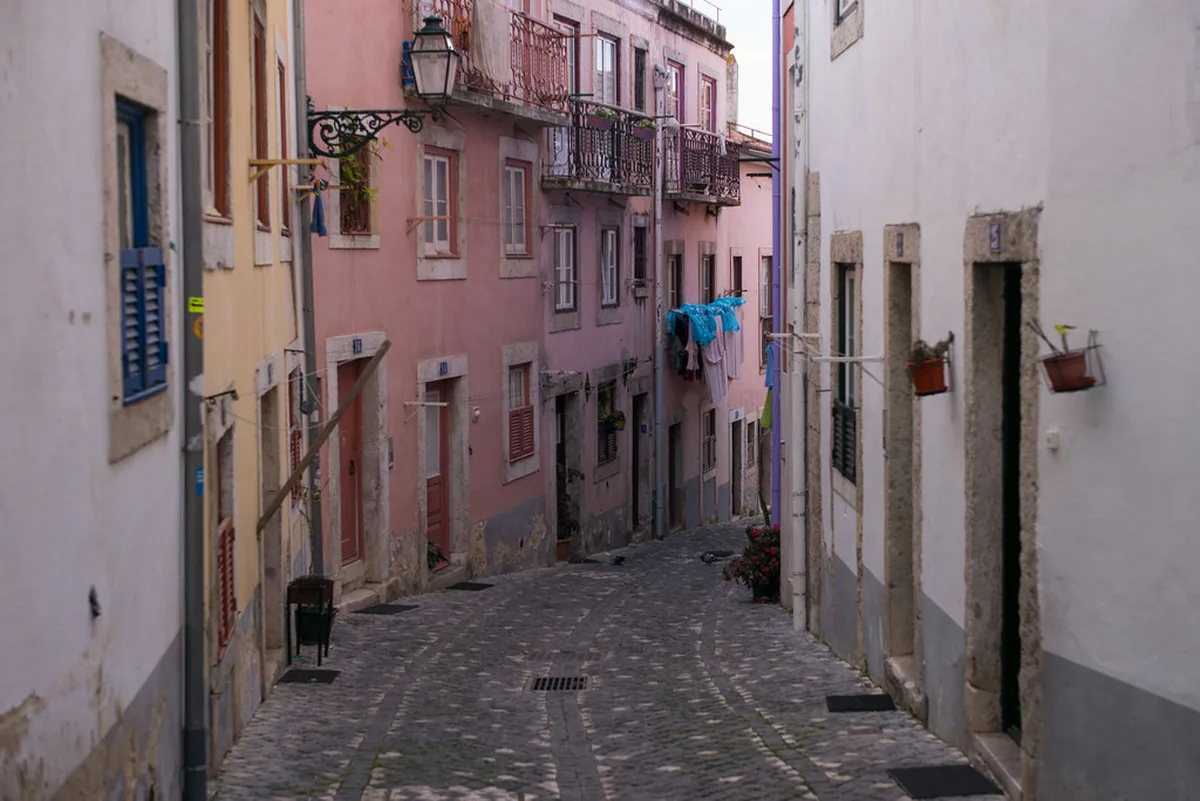
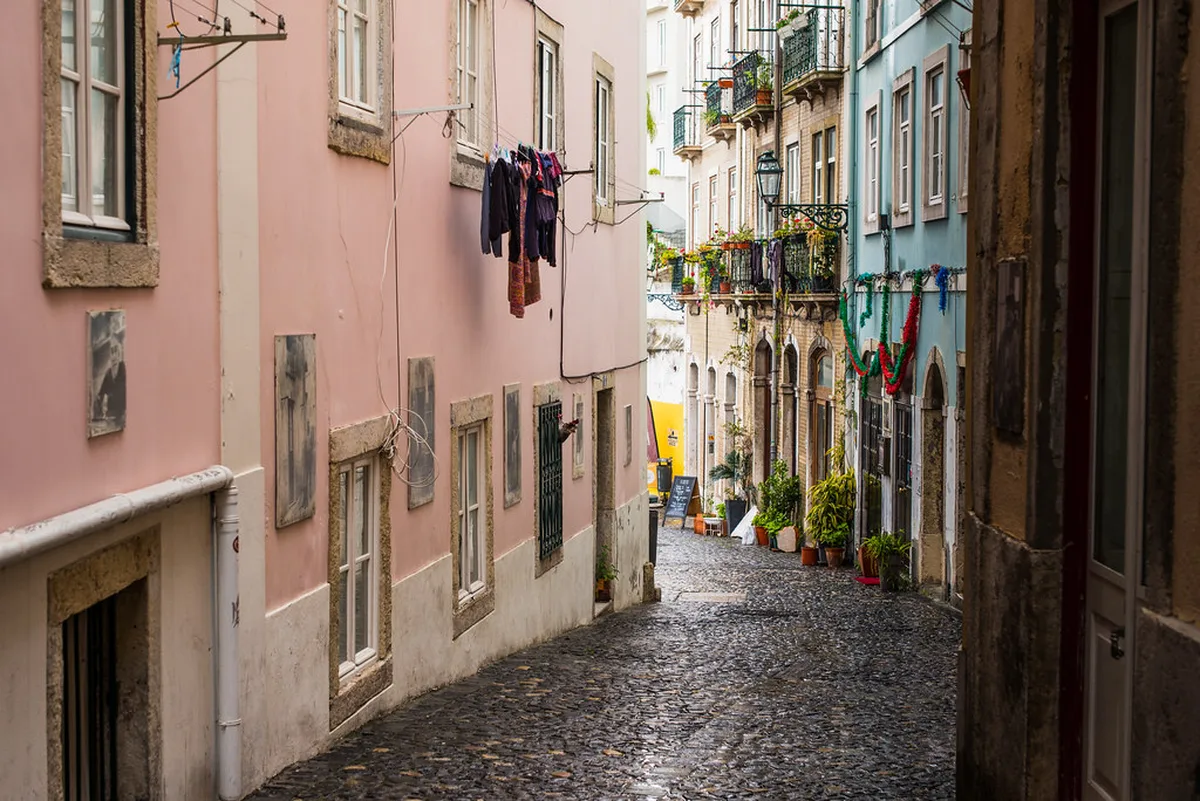
Alfama is the oldest continuously inhabited district in Lisbon and the emotional core of the city. Its labyrinthine alleys survived the 1755 earthquake that destroyed the rest of the city. Budget a half day minimum — the miradouros (Portas do Sol, Santa Luzia) and the cathedral take two hours alone. Alfama is also where you find the most authentic Fado houses: look for small venues around Rua do Capelão and Largo da Sé rather than the restaurant-theatre hybrids on the tourist circuit.
Mouraria sits immediately below Alfama and is Lisbon's most undervisited historic quarter. It was the Moorish quarter during the Christian reconquest and retains its irregular medieval street plan. The Intendente square has been regenerated in the past decade without becoming generic. If you have three or more days, allocate a morning here — it pairs naturally with an Alfama afternoon.
Bairro Alto operates on a split personality. By day it is quiet and residential, good for lunch at a tasca and a slow walk. By night it is the city's bar district, with dozens of small bars opening onto narrow streets after 22:00. It sits on the same hill as Chiado, linked by the Ascensor da Glória from Largo do Chiado. A two-day weekend break that doesn't include at least one Bairro Alto evening misses one of the city's most particular atmospheres.
Chiado and Baixa form the commercial heart. Chiado has the better cafes (A Brasileira, opened 1905, remains a functioning cafe not just a landmark) and independent shops. Baixa is flatter, more monumental, and the obvious starting point for any arrival — Praça do Comércio on the riverfront is the natural first stop. These two areas can be combined in a three-to-four hour morning walk without pressure.
Getting Around Lisbon: Transport Costs Compared
Lisbon has three practical transport layers: walking, the public network (metro, tram, bus), and Uber. Each suits a different moment in the day.
The Viva Viagem card is the right choice for any trip of two or more days. Buy it at any metro station for a €0.50 card fee, then load credit or a 24-hour pass (€6.80 for unlimited metro, bus, tram, and funicular). A single trip within the metro is €1.60 with the card; without it you pay €1.85 for a paper ticket. Tram 28, the historic yellow tram through Alfama, costs €3.00 per ride without a card — buy a stored-value card if you plan to use it more than twice. The 15E tram to Belém costs €1.85 with the card.
The metro is the fastest way across the city for distances that would take 20+ minutes on foot. The Linha Azul (Blue Line) connects the airport directly to Baixa-Chiado in about 25 minutes for €1.60. The metro does not reach Alfama or Belém directly — for those, use the tram or Uber.
Uber is inexpensive by European standards. A typical cross-city ride (Baixa to Belém) costs €7–10 and takes 15–20 minutes. Airport to city centre runs €12–18 depending on traffic, which is faster and often cheaper than the Aerobus (€4–6 but slower). Uber is the practical solution for reaching the top of Alfama or Sintra station in the morning rather than attempting the uphill walk.
The 24-hour pass at €6.80 makes financial sense if you take more than four transit rides in a day. For a relaxed three-day itinerary where you walk between nearby quarters, a stored-value card loaded with €10–15 per person is typically sufficient for the full stay.
Where to Stay: Best Neighbourhoods for Your Base
Where you stay shapes how much energy you spend getting to each historic quarter. The most central choice is Baixa — flat ground, walking distance to all tram and metro lines, and easy river access. It is also the most hotel-dense area, which means better pricing competition. The downside is atmosphere: Baixa at night is quieter and more tourist-facing than the residential quarters.
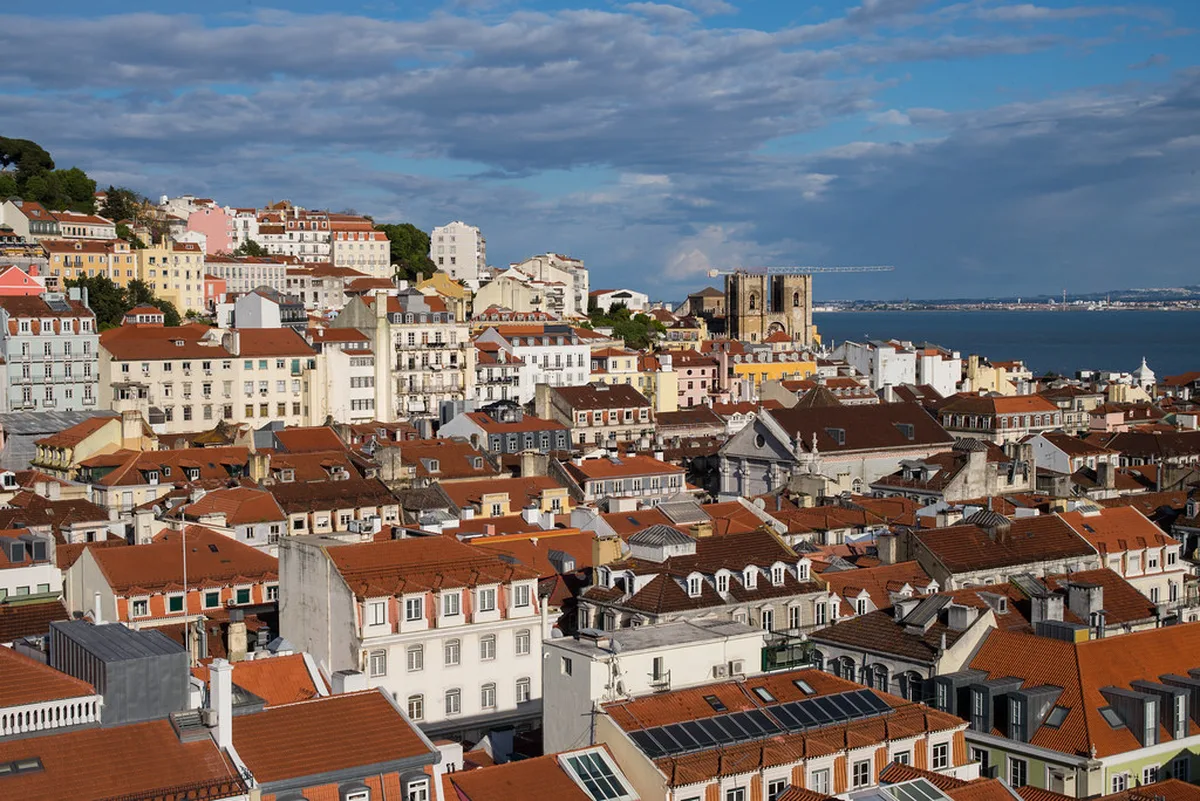
Chiado and Bairro Alto are the best base for visitors who plan to spend evenings in the western historic quarters. Both are on a hill — the funicular from Cais do Sodré makes access easy — and they put you within ten minutes' walk of Príncipe Real and fifteen minutes of Baixa. Several small boutique hotels operate in converted Pombaline buildings here. If you are looking for accommodation with genuine historic fabric, the streets around Largo do Chiado and Rua da Misericórdia have the highest concentration.
Alfama is the most atmospheric choice and the most physically demanding. Streets are steep, cobbled, and narrow — luggage with wheels becomes a problem. Staying here is worth it for the early morning and late evening atmosphere, when the tour groups are absent and the quarter returns to its residents. The Lisbon 1-day itinerary for anyone staying in Alfama can simply be walking the district itself at different times of day.
Book accommodation in any of these areas at least four to six weeks ahead for summer 2026 travel, and two weeks ahead for spring and autumn. Lisbon is now a year-round destination and the historic quarter hotels in particular are small-inventory and fill early.
Frequently Asked Questions
Is 3 days enough for Lisbon and Sintra?
Yes, three days allows you to see the city and Sintra. You will spend two days in Lisbon and one day in Sintra. This fast pace covers the main highlights and is perfect for first-timers.
Can you do Lisbon in 2 days?
You can see the main city highlights in two days. This requires skipping day trips like Sintra to focus on Alfama and Belém. It is an ideal length for a quick European city break.
Is it better to spend more time in Lisbon or Porto?
Most travelers prefer spending more time in Lisbon due to its size. Lisbon offers more diverse neighborhoods and easier day trip options. I recommend at least three days for Lisbon and two for Porto.
Lisbon rewards patience. Two days gives you the highlights; three days gives you the city. Every additional day peels back another layer of the historic quarters — Mouraria's multicultural streets, Chiado's literary cafes, the quieter Sintra palaces beyond Pena. Whatever your timeframe, anchor your planning around the quarters rather than the landmarks and you will leave with a more complete picture of what makes Lisbon genuinely different from other European capitals.
Plan Your Lisbon Historic-Quarters Trip
Match your route to your trip length, then fine-tune the timing — here are the companion guides for every part of a Lisbon historic-quarters visit.
Itineraries by Length
- One day in Lisbon: Alfama, Baixa & Chiado
- Two days across the historic quarters
- Three days: the deepest route, including Belém
- A weekend break in the old town