The best time to visit Lisbon is during the shoulder months of May and September. These months deliver warm days, manageable crowds, and the city's full cultural calendar without the intensity of peak summer. If you are planning a trip focused on the historic quarters — Alfama, Mouraria, Bairro Alto, and Chiado — the season you choose shapes the experience more than almost any other decision.
Spring and autumn offer the ideal balance of weather and access. The steep cobbled hills are easier to climb when temperatures sit in the low 20s Celsius rather than the high 30s. Winter brings genuine bargains and solitude in the old city, while summer erupts with festivals and nightlife that are worth the extra heat and cost. This guide breaks down every month so you can match your trip to what matters most to you.
Best Time to Visit Lisbon at a Glance
Mid-May through mid-June is the single strongest window for most travelers. Temperatures sit between 18–24°C (64–75°F), the jacaranda trees are in full purple bloom across the Chiado and Príncipe Real neighborhoods, and the city's festival season is just beginning. Accommodation rates have not yet hit their July–August peak, so you get strong value alongside comfortable weather.
September 15 to October 15 is the second-best window. The Atlantic is still warm enough for swimming at Costa da Caparica. Afternoon light is golden and long. Crowds at the Alfama viewpoints thin noticeably compared to August, and restaurant tables are easier to find without a reservation.
Budget-conscious travelers should target January and February. These are the coolest and occasionally wettest months, but Lisbon's mild Atlantic winters rarely drop below 8°C (46°F). Hotel rates in the old city hit their annual floor, and the Alfama feels authentically local without the summer surge of cruise passengers.
| Season | Temp Range | Crowds | Prices | Highlight |
|---|---|---|---|---|
| Spring (Mar–May) | 15–22°C / 59–72°F | Moderate | Mid-range | Jacaranda bloom, Easter processions |
| Summer (Jun–Aug) | 25–32°C / 77–90°F | High | Highest | Santo António festival, nightlife |
| Autumn (Sep–Nov) | 16–26°C / 61–79°F | Moderate | Mid-range | Warm sea, harvest season, chestnuts |
| Winter (Dec–Feb) | 10–15°C / 50–59°F | Low | Lowest | Budget value, quiet old city |
Seasonal Weather Breakdown: Temperature and Rainfall
Lisbon enjoys a Mediterranean climate strongly moderated by the Atlantic Ocean. According to data from the IPMA (Portuguese Institute for Sea and Atmosphere), average annual rainfall is around 726 mm, concentrated between October and March. The city receives roughly 2,800 hours of sunshine per year — more than almost any other European capital.
Spring (March to May) is green and increasingly warm. March can still bring rain squalls off the Atlantic, but by May the skies are reliably clear. Temperatures climb from around 15°C (59°F) in March to a pleasant 22°C (72°F) in May. This is the ideal season for walking the hills without overheating.
Summer (June to August) is hot and dry. July and August average highs of 28–30°C (82–86°F), occasionally spiking past 35°C (95°F) during heat waves. Rain is essentially absent — July and August each receive fewer than 5 mm of precipitation on average. The compensating factor is the Nortada, a cool northerly wind that arrives most afternoons and brings the apparent temperature down by several degrees along exposed hilltops.
Autumn (September to November) transitions from summer warmth to winter rain. September is still dry and warm — nearly indistinguishable from late summer. October brings increasing cloud cover and the first real rain events. November is often the rainiest single month, with around 93 mm of rainfall on average. Winter (December to February) is mild by European standards, with daytime highs of 13–15°C (55–59°F) and frequent sunny intervals between frontal rain systems.
How the Historic Quarters Feel Differently in Summer Heat
No competitor guide covers this, but it matters significantly if you plan to spend most of your time in the old city. Lisbon's seven hills create genuine microclimates, and the Nortada wind does not blow uniformly across the city. The wind arrives from the northwest, which means it cools the western-facing slopes — Bairro Alto, Chiado, and São Bento — more effectively than the eastern-facing valleys.
Alfama and Mouraria sit on the east-facing slope of the São Jorge castle hill, largely shielded from the Nortada by the castle ridge itself. On a 30°C (86°F) August afternoon, these neighborhoods can feel 3–5°C hotter and noticeably more humid than Bairro Alto just fifteen minutes' walk away. If you are visiting in July or August and plan long mornings on foot in Alfama, start before 09:00 and retreat to the western hillside neighborhoods for your afternoon wandering. The difference is tangible, not theoretical.
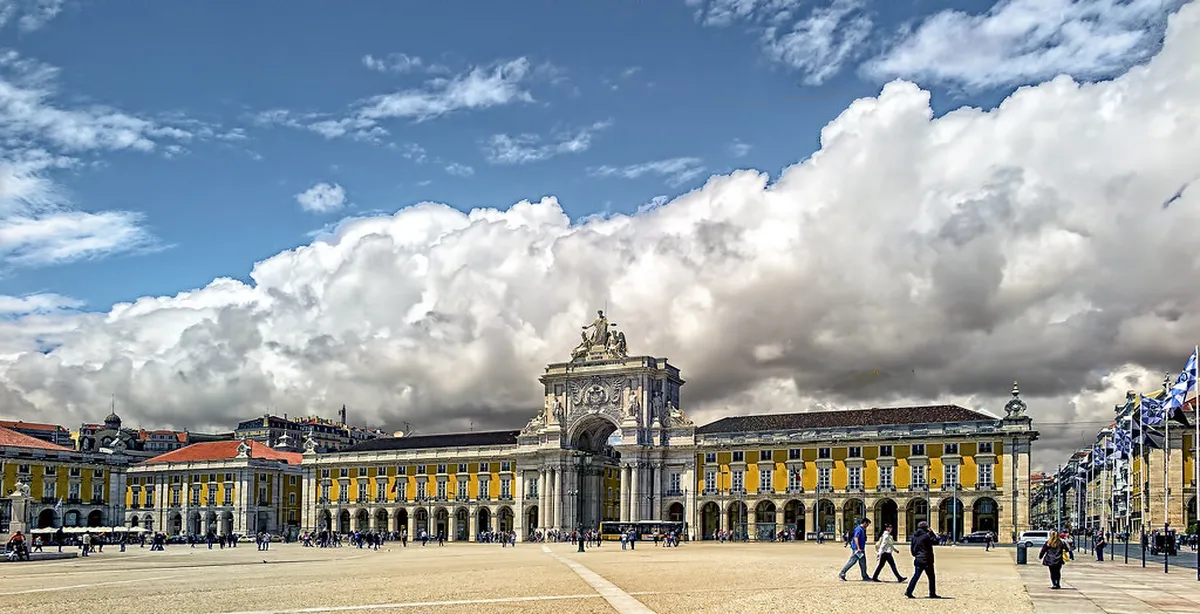
The Tagus River waterfront along Baixa also benefits from river breezes that Alfama does not receive in the same way. On extreme heat days, the Praça do Comércio esplanade can feel more comfortable than the narrow lanes of the Mouraria even though both are at similar elevations. Knowing this lets you plan your daily route to stay in the cooler microclimate during the hottest hours.
Month-by-Month Guide to Lisbon
January and February are the quietest months. Hotels in the old city drop to their annual lows, and the Alfama feels genuinely residential. Tram 28 runs without queues. February sometimes brings Carnival celebrations, with smaller street events in Mouraria and Bairro Alto. Rain is possible but often broken by crisp, sunny days perfect for viewpoint photography.
March and April bring warming temperatures and the city's Easter calendar. Semana Santa processions in the historic quarters draw local crowds rather than tourist ones. April is particularly attractive: the rains taper off, wildflowers bloom along the Tagus riverbanks, and the Lisbon Half Marathon typically runs in mid-March, closing off sections of the lower city for a festive morning.
May is the consensus favourite month. The jacaranda trees along Avenida da Liberdade and Príncipe Real are in full bloom, temperatures are ideal for hill-climbing, and the festival season has not yet hit peak intensity. Lisbon Fish and Flavours, a food festival celebrating bacalhau and seafood, usually runs in late April or May.
June is the most culturally charged month. The Festas de Lisboa — known locally as the Santos Populares — run throughout the first two weeks, culminating on the night of June 12–13 with the feast of Santo António. Streets in Alfama, Mouraria, and Graça fill with grilled sardines, paper decorations, and music until dawn. Check the official Visit Lisboa calendar for specific street-party locations each year. Temperatures rise toward 28°C (82°F) by late June, but the festival atmosphere justifies the heat entirely.
July and August are the peak summer months. NOS Alive, one of Portugal's biggest music festivals, takes place in Algés in early July. Beaches at Costa da Caparica and Cascais are packed on weekends. Many smaller family-run tasca restaurants in Alfama close for two to three weeks in August as owners take their own holidays. Book accommodation well in advance and expect the highest prices of the year.
September is the month that experienced Lisbon visitors often choose above all others. The heat retreats, the ocean remains warm for swimming (sea surface temperatures around 19–20°C / 66–68°F), and the crowds thin noticeably. Nearby in the Alentejo and Douro Valley, grape harvest festivals begin. October is still warm and increasingly photogenic as the light softens. The city's independent film festival Indie Lisboa sometimes runs in late spring, while DocLisboa (a documentary film festival) typically fills October.
November marks the arrival of roasted chestnut vendors on every street corner — a smell that defines the city in autumn. It is also the rainiest month on average, so pack a compact umbrella. The Gulbenkian Museum and the National Tile Museum make excellent indoor alternatives on wet afternoons. December brings Christmas markets to Praça do Comércio and Chiado, and the city glows with lights along Rua Augusta into the new year.
For a deeper look at rainfall, sunshine hours, and temperatures across all twelve months, see our month-by-month Lisbon weather breakdown.
Best Time for Festivals and Local Traditions
The Santos Populares (June 1–30, peak on June 12–13) is the event that defines Lisbon's cultural calendar. The feast of Santo António — Lisbon's patron saint — transforms the historic quarters into an open-air party. Alfama, Mouraria, Bairro Alto, Bica, and Graça each host their own arraial (street party) with competing sound systems, sardines on open grills, and paper streamers overhead. The atmosphere is intensely local and unlike anything in summer tourist season. If you want one reason to absorb the summer heat, this is it.
Beyond June, Lisbon's festival calendar extends across every season. In early spring, the Lisbon International Music Network (MENT) fills small venues in Mouraria and Intendente with emerging European acts. The EDP Lisbon Marathon takes over the waterfront in October. Carnival in February brings smaller but genuine street events, especially in the working-class neighborhoods of the old city. The Fado ao Centro festival in Mouraria — celebrating the UNESCO-recognised musical tradition born in these streets — runs events throughout the year but peaks in the warmer months when outdoor stages are possible.
Winter visitors should not assume Lisbon goes quiet culturally. The New Year's Eve fireworks over the Tagus River are spectacular, rivalled in Portugal only by Madeira's famous display. Christmas lights in Chiado and along Avenida da Liberdade run from late November through early January, and the city's Fado houses in Mouraria and Alfama operate year-round with their most intimate performances during the low-season months.
May vs September: Choosing Your Shoulder Season
Both months are near-perfect for visiting Lisbon, and the choice comes down to priorities. May offers the iconic jacaranda bloom — the purple flowering trees that line the Chiado streets are at their best in the first two weeks of May. The city is green and lush after the spring rains. Festival season has not yet started, so the old city feels calm even on weekends. Sea temperatures around 17°C (63°F) are too cool for most swimmers, so beaches are uncrowded.
September reverses several of those conditions. The jacarandas are long gone, but the light is warmer and more golden — better for photography. The Atlantic has had all summer to warm up, so sea temperatures of 19–20°C (66–68°F) make beach days genuinely pleasant. The festival season is over, which means the old neighborhoods feel relaxed rather than quiet. Wine harvest festivals are beginning in the Douro and Alentejo for easy day trips. Prices are marginally lower than May as the summer premium fades.
The practical tiebreaker: if you want to swim, choose September. If you want flowers, choose May. If neither matters, September has a slight edge on weather reliability and value.
Visiting Lisbon on a Budget: Finding the Best Deals
Mid-January to late February is the cheapest window of the year. Flight prices drop to their annual low point in the weeks after the post-Christmas rush, and hotel rates in the old city fall sharply. Three- and four-star properties in Chiado and Bairro Alto that charge €200+ per night in August can dip below €80 during this period. You still get Lisbon's full museum circuit, Fado performances, and the best tascas — the crowds simply aren't there.
Many state-run national museums offer free entry on the first Sunday of each month year-round. The Museu Nacional do Azulejo and the Museu Nacional de Arte Antiga both participate. Eating the 'prato do dia' (daily special) at a neighborhood tasca in Alfama or Mouraria costs €7–10 for a full plate and typically includes soup, a main, and sometimes wine. This is where the price of Lisbon genuinely separates itself from Paris or Amsterdam.
Public transport covers the whole city well. A reusable Viva Viagem card loaded with a 24-hour travelcard (€6.80 in 2026) covers all metro, bus, tram, and urban ferry journeys. Avoid tourist-oriented restaurants on Rua Augusta in Baixa — prices are significantly higher and quality lower than a five-minute walk into Mouraria or the back streets of Bairro Alto.
Avoiding the Crowds: When to Find Peace in the City
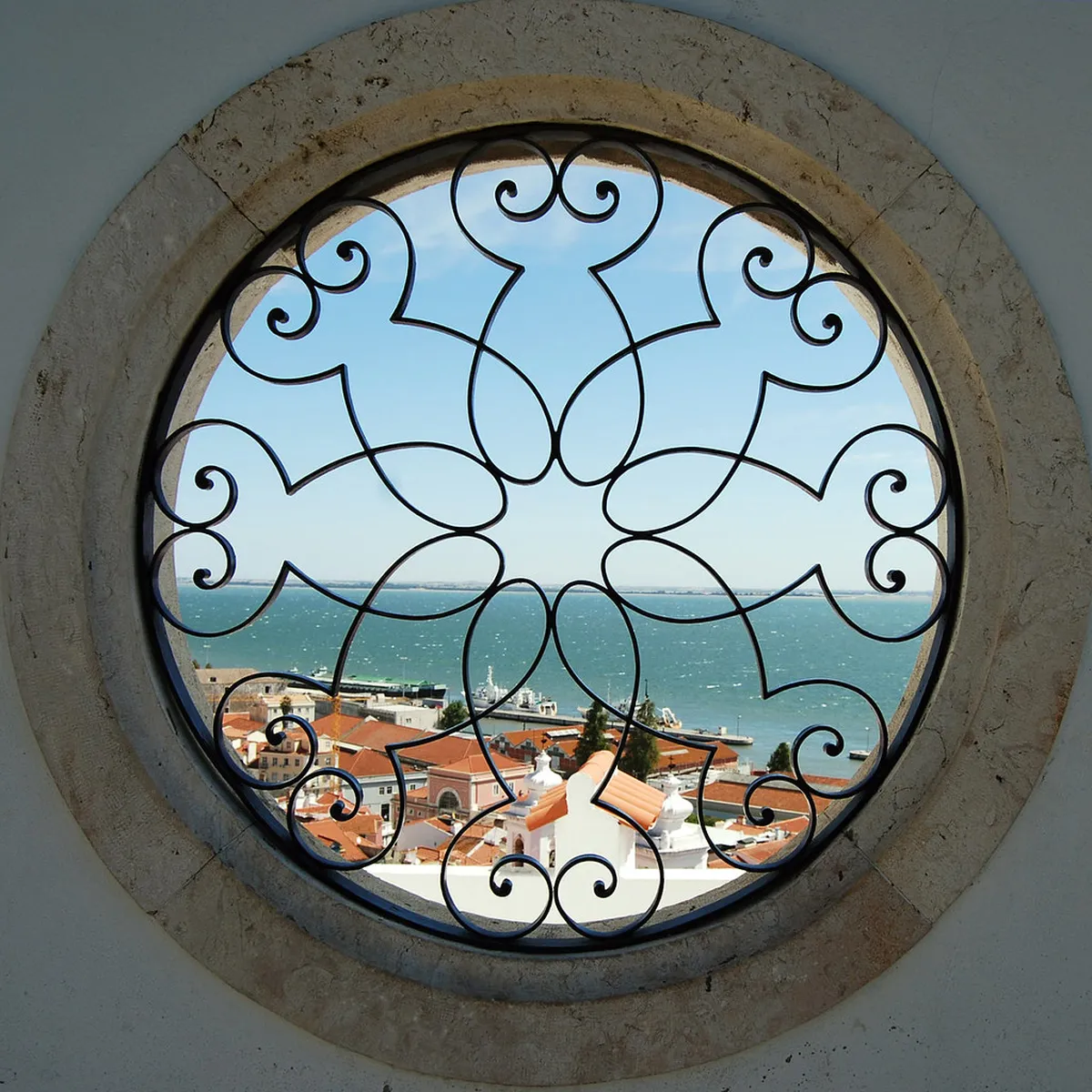
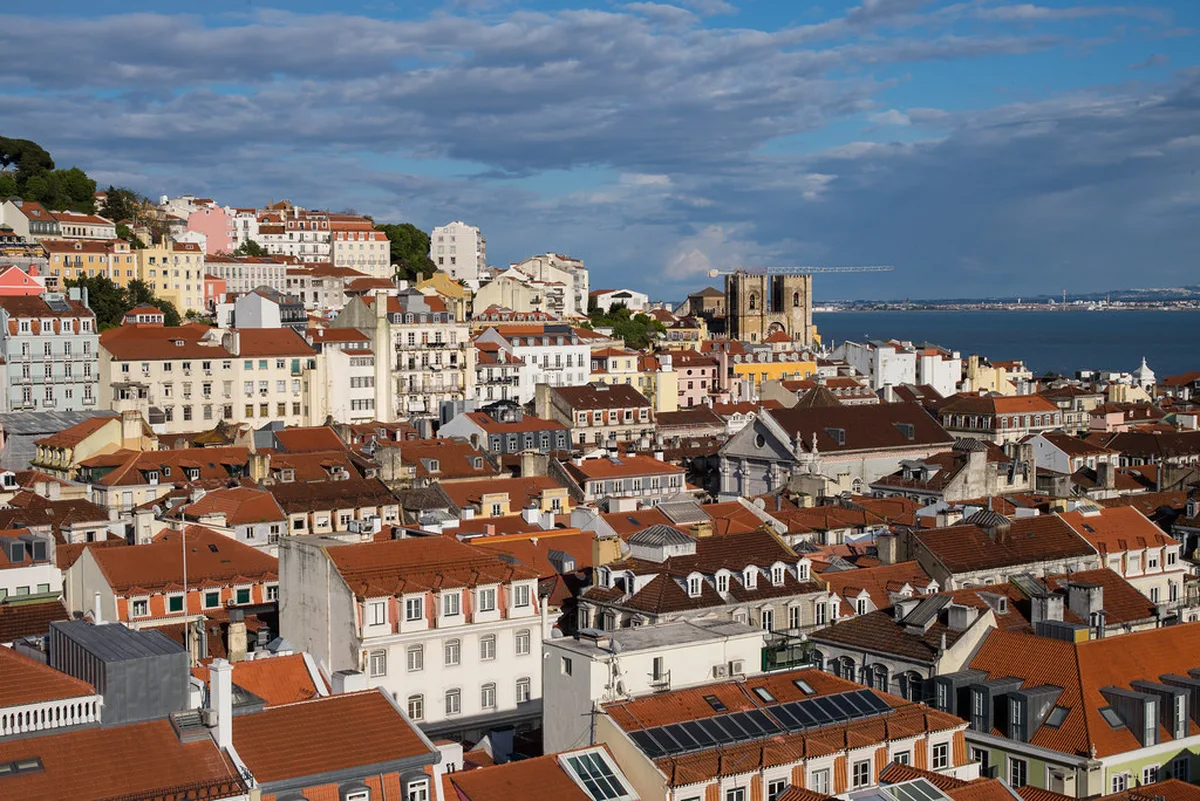
The Alfama and Mouraria viewpoints — Miradouro da Graça, Santa Luzia, and Portas do Sol — are most crowded from June through September, and especially on weekend mornings between 10:00 and 13:00. Visiting on weekday mornings in October, November, or March puts you in these spots with a fraction of the typical crowd. The walk up from the Sé cathedral to the São Jorge Castle is genuinely pleasant when you are not navigating tour groups.
November through March is the low-season window where the historic quarters feel most authentically inhabited. Local children play in the alleys of Mouraria; older residents sit outside the Alfama's old houses in afternoon sunshine. The city's tram 28 route — which traverses Chiado, Bairro Alto, and Alfama — runs without the summer wait. Cruise ship passenger days (typically Tuesday through Saturday, April through October) bring sudden surges of visitors to the waterfront and Alfama; checking cruise schedules at Lisbon port before your visit lets you plan accordingly.
Within the busy season, crowds thin dramatically after 17:00 in the old city. The main viewpoints, which see tour-group saturation from morning until mid-afternoon, become peaceful again by early evening. The light at sunset from Miradouro da Graça looking over the Alfama rooftops toward the Tagus is arguably better late in the day regardless — this is one timing trick that works in any season.
Worst Time to Visit Lisbon: Trade-offs to Consider
August is the month with the most concentrated downsides. Temperatures regularly exceed 32°C (90°F), climbing the steep lanes of Alfama or Mouraria in midday heat is genuinely exhausting, and hotel prices reach their annual peak. Many locally-owned restaurants and small guesthouses in the historic quarters close for at least part of August as proprietors take their annual leave. If you arrive expecting the authentic neighbourhood life of Bairro Alto or Alfama in August, you may find shutters pulled down on the most characterful establishments.
November is the trade-off month for budget travelers. It offers the lowest crowds and excellent prices, but it is also the rainiest month in Lisbon's calendar. Extended periods of grey, rainy weather are possible, which makes the outdoor-heavy appeal of the cobbled hills and viewpoints harder to enjoy. Indoor alternatives are excellent — the Gulbenkian, the Tile Museum, the Fado Museum in Mouraria — but if you are coming specifically to walk the historic quarters in sunshine, November carries real weather risk.
There is genuinely no bad month to visit Lisbon. Even August has the compensating factors of the best nightlife, warmest beaches, and the highest energy level the city reaches all year. These are trade-offs to weigh, not reasons to avoid the city entirely.
Essential Planning Tips for Your Lisbon Trip
Book accommodation in the historic quarters at least two to three months ahead for any dates from mid-June through August, and for the Santo António festival week specifically. Small guesthouses in Alfama and Mouraria have very limited inventory and fill quickly for the June festivals. Shoulder-season visits in May, September, and October can usually be booked four to six weeks out without difficulty.
Footwear is the most critical packing decision. The calçada portuguesa — the traditional hand-laid limestone cobblestones of the historic quarters — becomes slick even in dry conditions after centuries of polishing by foot traffic. Rubber-soled shoes with good grip are essential. Flat-soled fashion shoes or worn-down sneakers cause accidents, particularly on the steeper descents in Alfama and Bica. In winter or autumn, add waterproofing to that requirement.
Whatever season you pick, pack rubber-soled shoes with real grip — Lisbon's polished limestone calçada gets slippery even when dry, and the steep Alfama and Bica descents are where most slips happen.
Layer your clothing regardless of season. The Nortada wind in summer can shift afternoon temperatures dramatically on exposed hilltops; a light layer in your bag means you are comfortable on Miradouro da Graça at sunset without returning to your hotel first. In shoulder seasons, the temperature difference between a sunny afternoon and an evening meal outdoors in Chiado can be 8–10°C, so a compact jacket earns its space in your bag every time. Lisbon's airport connects directly to the city centre via metro Line Vermelha (Red Line) in around 20 minutes — no taxi needed if your accommodation is near a metro station.
Frequently Asked Questions
What month is the best time to visit Portugal?
May and September are the best months to visit. You will enjoy warm temperatures and fewer crowds. These months offer the best balance for exploring both cities and beaches.
What's the cheapest month to go to Lisbon?
January is typically the cheapest month for travel to Lisbon. Flight prices and hotel rates are at their annual lows. You can find excellent value during this quiet period.
Is it better to go to Lisbon in May or September?
May is better for seeing spring flowers and lush green landscapes. September is better if you want to swim in the ocean. Both months offer nearly perfect sightseeing weather.
Lisbon is a city that rewards visitors in every season, but the timing you choose shapes the experience significantly — especially if your focus is on the historic quarters where heat, crowds, and festivals hit hardest. Shoulder months give the best overall value. June's Santo António festival gives the strongest cultural memory. January gives the deepest quiet and the best prices. Every one of those options is a good trip.
Start planning by checking the official festival calendar on Visit Lisboa and the official weather records at IPMA before booking. If you are still undecided between spring and autumn, September tends to edge ahead on weather reliability, sea temperature, and value — but May's jacaranda bloom is the single most photographed natural event in the city and worth planning around if you can.
Plan When to Visit Lisbon's Historic Quarters
Dig deeper into the timing of your trip, then turn it into a day-by-day plan.
Timing & Seasons
- Lisbon weather, month by month
- What each season feels like in the quarters
- June festivals in Alfama (Santo António)