The best time to visit Lisbon's historic quarters depends on what you want from the city. Late spring (May to early June) and early autumn (September to October) are the sweet spots: warm enough to spend all day on foot, cool enough to climb from Baixa up through Mouraria without stopping every twenty metres for shade. Each season transforms the same steep alleyways, miradouros, and fado taverns into a completely different experience.
Lisbon enjoys a Mediterranean climate — hot, dry summers and mild but sometimes wet winters — moderated by its position on the Atlantic coast. That ocean proximity keeps summers from reaching the furnace-like temperatures of the interior Iberian Peninsula, and it keeps winters warmer than most of northern Europe. But it also means the sea never really warms up, which changes how you plan your time. For a full breakdown of temperature ranges, see our when to plan your trip guide.
This guide focuses on the seasonal atmosphere of the historic quarters — Alfama, Bairro Alto, Mouraria, Chiado, and Baixa — rather than raw weather data. Those five neighbourhoods behave differently in each season, and knowing which one to base yourself in (or prioritise on foot) changes the quality of your trip considerably.
The Weather of Lisbon
Lisbon gets over 2,800 hours of sunshine per year — more than almost any other European capital. Summer daytime highs average 28–30°C, though heatwaves regularly push past 35°C in July and August. Winter highs sit around 14–16°C with nights rarely below 6°C, making it mild by northern European standards but still noticeably cool once the dampness sets in. Spring and autumn both offer 18–24°C during the day, ideal for covering the city on foot.
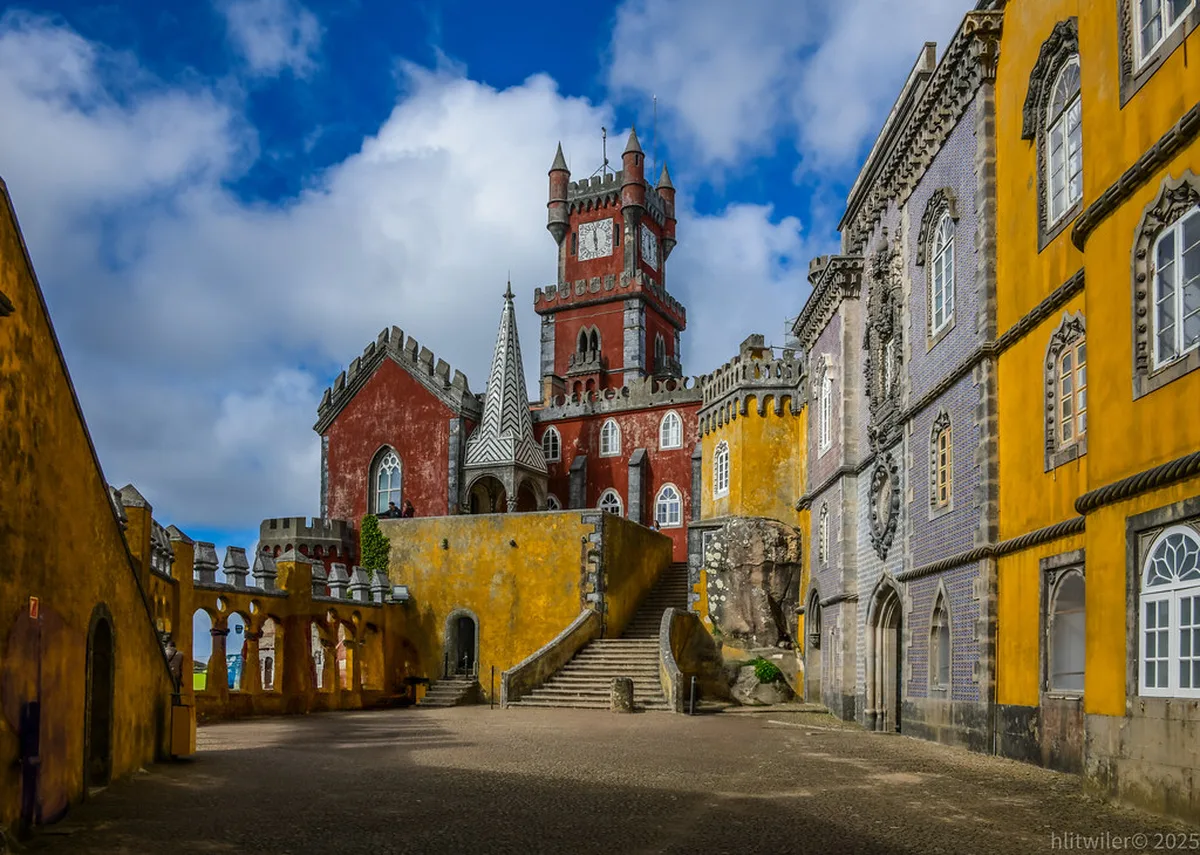
The Atlantic shapes the extremes. A north wind called the Nortada blows strongly most afternoons from late spring through summer, cooling the hilltop districts but creating a wind tunnel effect along Avenida da Liberdade. The same ocean keeps winter wetter than you might expect: November and December bring persistent Atlantic fronts that can last three or four days. April can also deliver heavy but brief downpours between long sunny spells.
One figure surprises most visitors: the sea temperature peaks at just 19°C in late August, even after three months of summer. The chilly water is caused by coastal upwelling — the Nortada pushes warm surface water offshore, drawing cold water up from depth. This matters for trip planning. There is no warm-sea reward waiting at the end of a hot city day, unlike in the Mediterranean. The historic quarters are your best refuge from summer heat, not the beach.
Choosing the Right Season for Your Lisbon Vacation
Three factors drive the decision: weather, crowds, and budget. They pull in opposite directions. Peak summer delivers the finest weather but also the longest queues, the highest prices, and — for anyone based in the historic quarters — a near-constant flow of tour groups through Alfama's narrowest streets. Winter inverts all three: empty viewpoints, cheap flights, but genuine risk of several consecutive grey, wet days in a city built for sunshine.
If you can only visit once, aim for May or September. Both months split the difference between summer heat and winter unpredictability — you'll get warm evenings, manageable crowds, and genuine access to the fado houses and neighbourhood cafés that make Alfama worth the climb.
The shoulder seasons resolve the trade-off cleanly. May and early June give you jacaranda-purple streets, 20–23°C afternoons, and manageable crowds before the cruise ships arrive in force. September and October give you lingering summer warmth, sea temperatures still acceptable for a dip, and Alfama returning to something close to its everyday rhythm after the August peak. Both windows also give you better access to smaller fado houses in Mouraria that get booked solid from July through August.
If you have a specific event in mind, June 12–13 is the single most rewarding window the city offers — the climax of the Festas dos Santos Populares. And if budget is the overriding priority, January through March consistently offers the lowest airfares and room rates, with the caveat that flexible plans and indoor alternatives are essential. The table below gives a quick comparison.
| Season | Vibe | Crowds | Best for |
|---|---|---|---|
| Spring (Mar–May) | Fresh, floral, unhurried | Low–Moderate | Walking Alfama, jacaranda bloom, IndieLisboa film festival |
| Summer (Jun–Aug) | Electric, festive, intense heat | Very High | Santos Populares street parties, nightlife in Bairro Alto |
| Autumn (Sep–Nov) | Golden, relaxed, local | Moderate | Fado houses, harvest day trips, golden-hour photography |
| Winter (Dec–Feb) | Quiet, moody, affordable | Low | Museum days, Chiado pastry cafés, budget-conscious visits |
Spring in Lisbon (March–May)
Spring is the season that makes Lisbon look like its own postcards. Jacaranda trees bloom across the historic quarters from late April, turning Largo do Carmo above Chiado a deep violet and lining Rua Garrett with falling purple petals. Mid-May is typically the peak week, though the timing varies by a week or two depending on the year. The bloom usually lasts two to three weeks before the petals carpet the cobblestones and dissolve. For the full festival calendar that extends into early summer, Visit Portugal's Festas de Lisboa page lists events from late May through late June.
Temperatures in April average 17–20°C during the day and drop to 10–12°C at night. May is noticeably warmer, reaching 22–23°C, and the evenings are mild enough for outdoor dining until late. Both months are ideal for long walking days through Alfama and Mouraria without the midday exhaustion that July brings. Crowd levels at Miradouro da Graça and Portas do Sol are a fraction of summer, and you can actually hear the city from those viewpoints rather than a dozen tour-guide voices.
March and April can produce heavy downpours — usually short and intense rather than all-day drizzle. An umbrella is worth packing. Easter week (dates vary each year) brings higher hotel prices and advance-booked Alfama restaurants, so check the calendar before locking in dates. For practical help on what each month looks like in detail, the month-by-month temperatures and rainfall breakdown covers averages in detail.
- Visit Miradouro da Graça early: crowds are light before 10:00, views across the Tagus are clearest
- Book IndieLisboa film festival screenings in advance if your dates overlap (April–May)
- Jardim da Estrela and Principe Real market are at their best in May — plan for a Saturday morning
Summer in Lisbon (June–August)
Summer draws the largest crowds and the liveliest atmosphere, but it also requires the most planning. Daytime temperatures sit at 26–30°C from June through August, with July and August capable of pushing past 35°C during heatwaves. The Nortada wind provides relief most afternoons — strongest at the exposed hilltop miradouros and along the waterfront — but the heat is genuine in the hours between midday and 16:00.
The classic advice is to start sightseeing before 09:00 and retreat to shade or an air-conditioned museum for two hours around midday. In the historic quarters, this is actually manageable: the narrow alleyways of Alfama and Mouraria stay shaded and 3–4 degrees cooler than Baixa's open plazas throughout the day. Bairro Alto and Chiado's tight streets offer similar relief. The urban geometry that makes these neighbourhoods photogenic also makes them functional in a heatwave.
Do not expect the beach to solve the heat problem. Sea temperatures peak at just 19°C in late August — bracing rather than refreshing — and the train to Cascais or Carcavelos takes 40 minutes each way. A beach excursion is still worthwhile, but it is not the easy escape that Mediterranean beach towns offer. Book any accommodation in Alfama, Bairro Alto, or Mouraria months ahead: July and August sell out the best guesthouses by March. Air conditioning is non-negotiable at night; verify it before you confirm any booking.
The Festas dos Santos Populares
The first two weeks of June are when Lisbon celebrates the feast days of its patron saints, above all Santo António on 12–13 June. The Festas dos Santos Populares transform Alfama, Mouraria, Bica, and Graça into open-air street parties that run nightly. Coloured streamers and paper decorations cover the alleyways, makeshift grills appear on every corner, and the smell of charcoal sardines fills the air from early evening until well after midnight. The official programme — including the Marchas Populares parade route and arraiais locations — is published each year by Visit Lisboa.
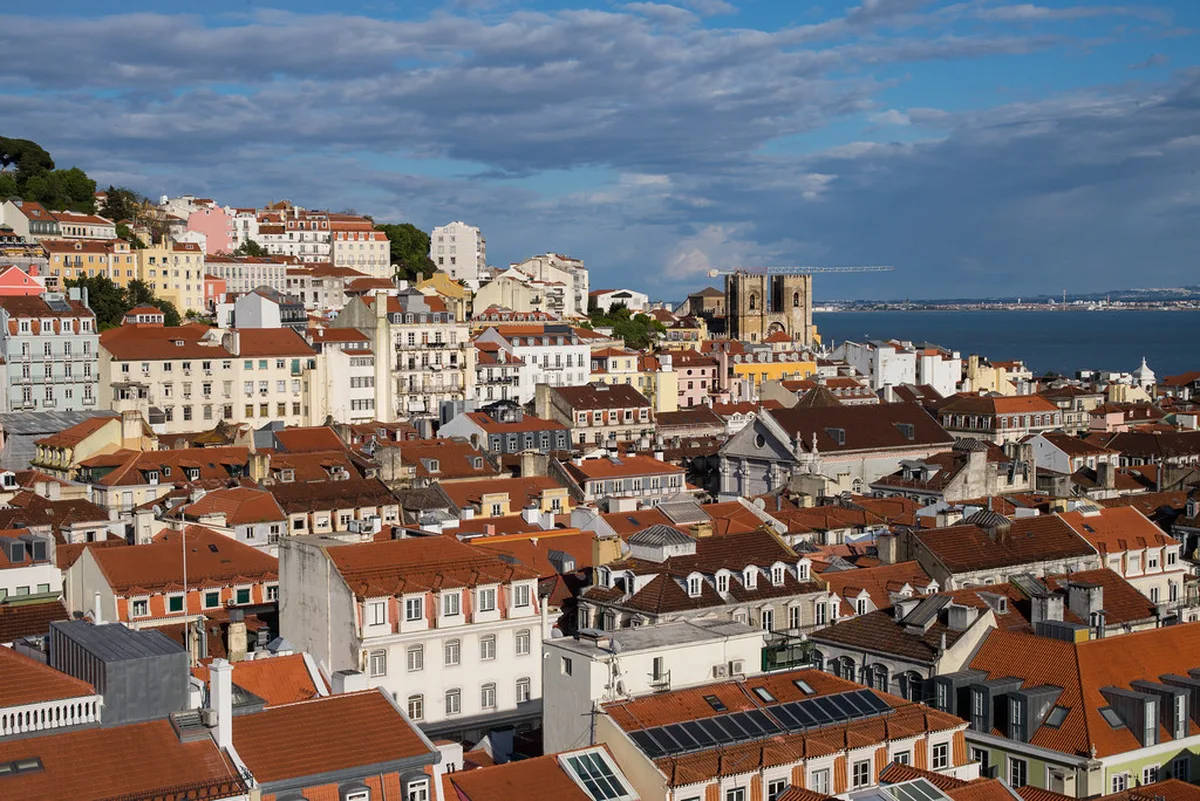
The atmosphere builds night by night through the first twelve days of June. On the night of 12 June, a carnival procession moves through Alfama and a city-wide celebration runs until dawn. The 13th is a public holiday — the city falls quiet as it recovers. If you can be in Lisbon for the period 3–13 June, this is the single most atmospheric window the historic quarters offer all year. Traditional Pimba music, fado improvised on doorsteps, neighbours leaning from their windows — the neighbourhood dynamic that Alfama is famous for becomes fully visible during these nights.
Practical notes: accommodation in Alfama itself sells out by February for this period. The surrounding areas — Mouraria, Intendente, and Graça — are close enough to walk and typically have more availability. Earplugs are advisable if you need to sleep before 02:00. The sardine BBQs are typically priced at €2–4 per sardine serving with bread; sit-down restaurants triple their covers and often require advance booking.
Fall in Lisbon (September–November)
September is the month Lisbon regulars prefer. The sea is at its warmest relative to the air, hitting 18–19°C — still cold by Mediterranean standards, but the best it gets. The summer crowds thin noticeably after the first week, and restaurants in Alfama that were solidly booked in August begin accepting walk-ins again by mid-month. Temperatures hover around 24–26°C, and the afternoon light takes on the warm golden quality that makes Alfama's tiled facades look three-dimensional.
October is arguably the finest month for walking the historic quarters without any agenda. Highs drop to 20–22°C, rain is still rare, and the streets of Mouraria and Graça return to a recognisably local rhythm. This is the right time to walk slowly, sit at a neighbourhood café that does not appear on any top-ten list, and find a fado house in Alfama with actual walk-in capacity. The Lisboa Design Show in October and harvest festivals in the Setúbal and Alentejo wine regions make for good day-trip material during this window.
November shifts the balance toward indoor activities. The rainy season begins in earnest mid-month, and some days bring persistent Atlantic fronts that last all day. The Calouste Gulbenkian Museum, the Tile Museum (Museu Nacional do Azulejo), and MAAT on the waterfront are all worth full afternoon visits. Roasted chestnut vendors appear on the main squares from late October, and the atmosphere in Bairro Alto's smaller bars turns noticeably cosier. Expect some autumn-sale room rates to emerge from the second week of October onward.
Winter in Lisbon (December–February)
Winter in Lisbon is mild by European standards but genuinely unpredictable. Daytime highs average 14–16°C through December and January, and nights drop to 6–8°C. The real issue is not cold but wet: Atlantic fronts move in fast and can deliver several consecutive days of grey skies and persistent rain. Many historic-quarter buildings — including most Alfama rental apartments — have no central heating and rely on portable electric heaters. The damp Atlantic air makes 13°C feel considerably colder than the number suggests.
The upside is financial: December through February consistently offers the lowest flight and hotel prices of the year. A boutique guesthouse in Chiado that costs €180/night in July can be booked for €70–90 in January. The Christmas market at Praça do Comércio runs through December, and the New Year's Eve fireworks display over the Tagus is one of the largest in Europe. Jerónimos Monastery and the Tower of Belém in Belém are far more accessible without the summer queues — typical winter wait is under fifteen minutes.
The most important planning adjustment for winter is flexibility. Sintra — the most popular day trip from Lisbon — loses much of its appeal in wet, misty conditions. The hilltop palaces become cloud-obscured and the forest paths get muddy. Keep Sintra as an optional plan B and build your winter days around indoor alternatives: the Tile Museum, the Gulbenkian, the fado houses of Mouraria, and the pastry cafés of Chiado. Have two versions of every day planned — one for dry weather, one for rain — and check the forecast each morning rather than booking rigid day tours.
What Changes in the Off-Season
Lisbon is a year-round city, but some services scale back significantly between November and March. Ferry routes across the Tagus operate on reduced timetables. Rooftop bars, including several popular spots in Bairro Alto and Chiado, close their outdoor terraces during sustained wet periods. Smaller seasonal tour operators running outdoor activities — kayaking, jeep tours to Arrábida, cycling routes — pause operations until April. Always verify current schedules on official websites before making firm plans.
Beach-adjacent restaurants along Costa da Caparica can close entirely from November through February. Some smaller Alfama guesthouses use January and February for renovation work and operate at reduced capacity. Tuk-tuk operators and open-top bus tours scale back their departure frequencies considerably. The Feira da Ladra flea market in Alfama still runs on Tuesdays and Saturdays through winter, but the number of vendors drops noticeably on cold or wet days.
The Historic Quarters: Where Season Matters Most
The five historic quarters do not respond identically to the seasons. Alfama and Mouraria — built on steep hillsides with narrow winding streets — stay shaded and physically cooler in summer than the flat, open streets of Baixa. This makes them the most liveable quarters in July and August, a detail that most seasonal guides overlook because they focus on the city as a whole rather than its microgeography. If you are visiting in peak summer, base yourself in or adjacent to Alfama rather than in the Baixa grid.
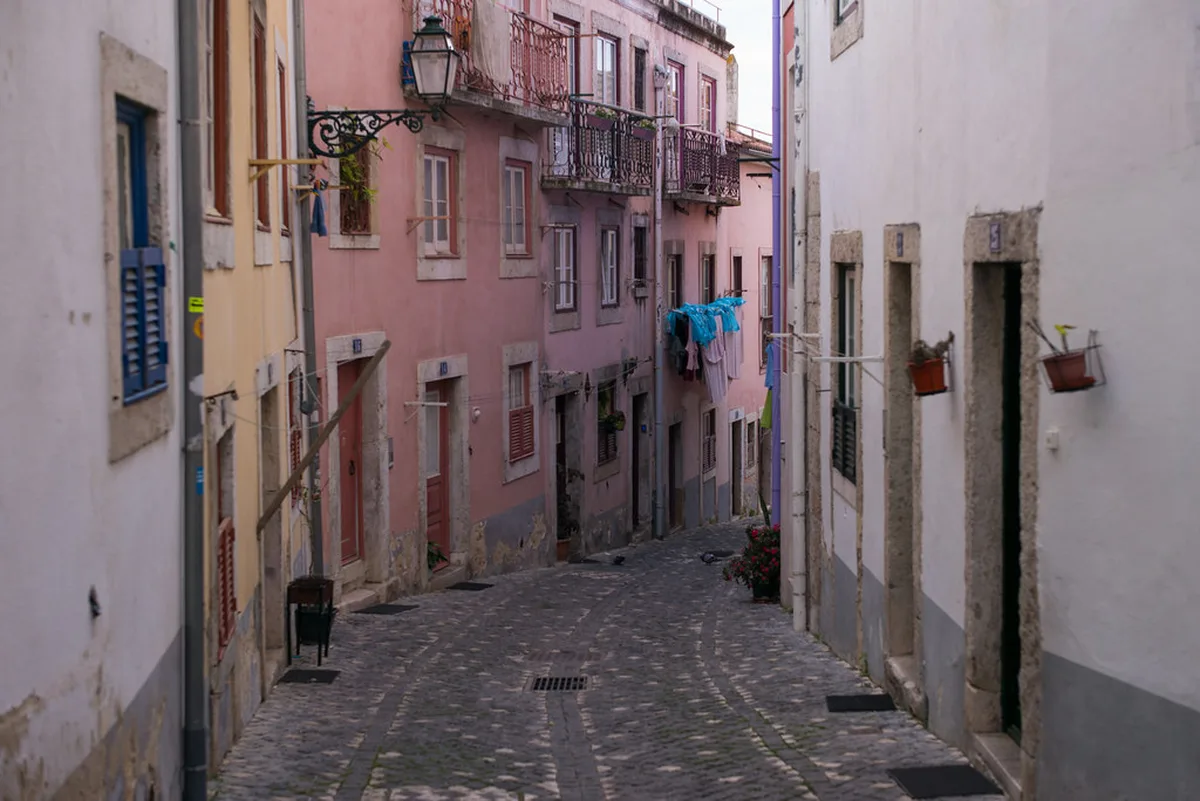
Chiado and Bairro Alto perform best in the shoulder seasons. The outdoor esplanadas that define the Chiado café culture are really only comfortable from April through October. In winter, the hilltop wind exposure makes sitting outside unpleasant. Bairro Alto's bar scene is genuinely year-round, but the spontaneous street socialising that defines summer nights there depends entirely on warm, dry weather — it simply does not happen in November or February.
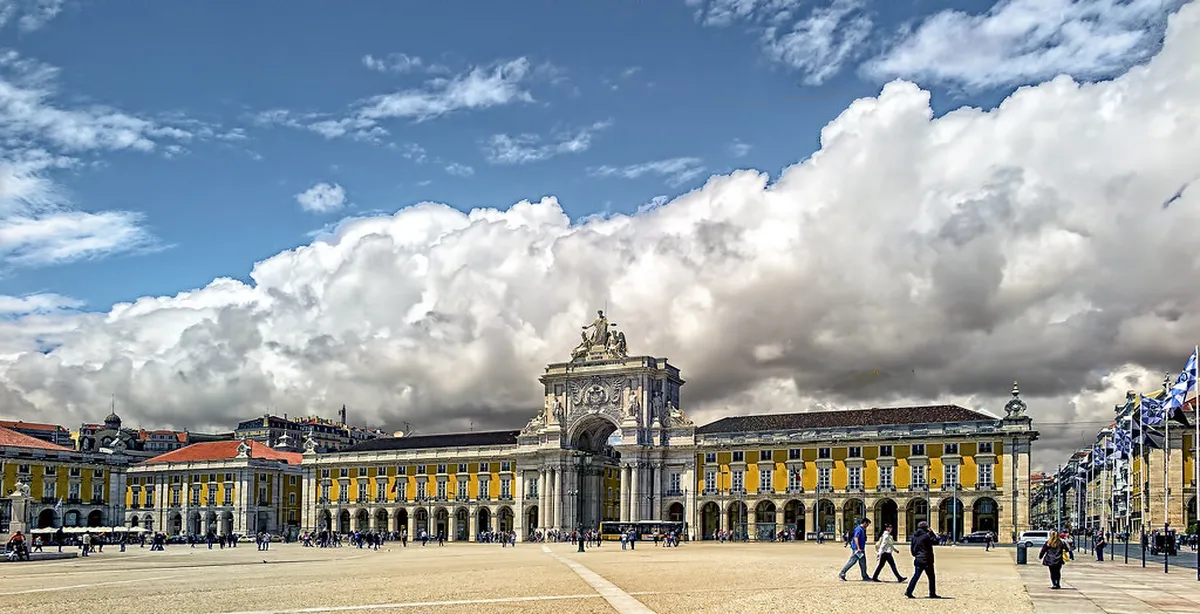
Baixa — the flat commercial grid between Alfama and Chiado — is the most exposed quarter in all weathers. In summer it bakes; in winter the wind funnels through its wide streets. It is best treated as a transit zone rather than a destination in the extremes of January or August, and most rewarding in spring and autumn when outdoor café culture returns to Praça do Comércio's waterfront arcades.
Frequently Asked Questions
What is the rainiest month in Lisbon?
December is typically the rainiest month in Lisbon, receiving the highest average rainfall. However, rain usually comes in short bursts rather than lasting all day. You can still expect many hours of bright sunshine between the winter showers.
Is Lisbon too hot in the summer?
July and August can be very hot with temperatures reaching 30°C / 86°F regularly. The steep hills and lack of shade in some areas make walking difficult. The Atlantic breeze usually helps cool the city down in the late afternoon.
Can you go to the beach in Lisbon?
Yes, you can visit excellent beaches in Cascais and Estoril via a quick train ride. The best time for swimming is between June and September when the water is warmest. Many locals also head to the sandy shores of Costa da Caparica.
Lisbon's historic quarters change character with every season, but they never lose their appeal. Spring gives you jacarandas over Chiado's cobblestones and empty miradouros. Early June delivers the Santos Populares, the city's most electric two weeks of the year. September brings golden light, returning locals, and space to move. Winter offers the city at its quietest — and its cheapest — with the understanding that the weather writes its own agenda. Pick the version that fits how you travel, then plan around the quarter that makes it shine.