
Late spring (mid-May to early June) and early fall (September) are the sweet spots for visiting Lisbon. The city's Mediterranean climate brings over 2,800 hours of sunshine a year and mild winters that rarely dip below 8°C. Knowing the best time of year to visit helps you plan around the rainy season and avoid peak-crowd heat. This guide breaks down temperatures, rainfall, and what each month actually feels like when you are walking the historic quarters.
Overview of Lisbon's Mediterranean Climate
Lisbon sits at the mouth of the Tagus River on Portugal's Atlantic coast, which gives it a classic Mediterranean climate with a strong maritime influence. Summers are hot and dry, winters are mild and occasionally wet, and the shoulder months offer some of the most comfortable city weather in Europe. The city averages around 280 sunny days per year, ranking it among the sunniest capitals on the continent. Humidity stays moderate year-round thanks to the Atlantic breeze.
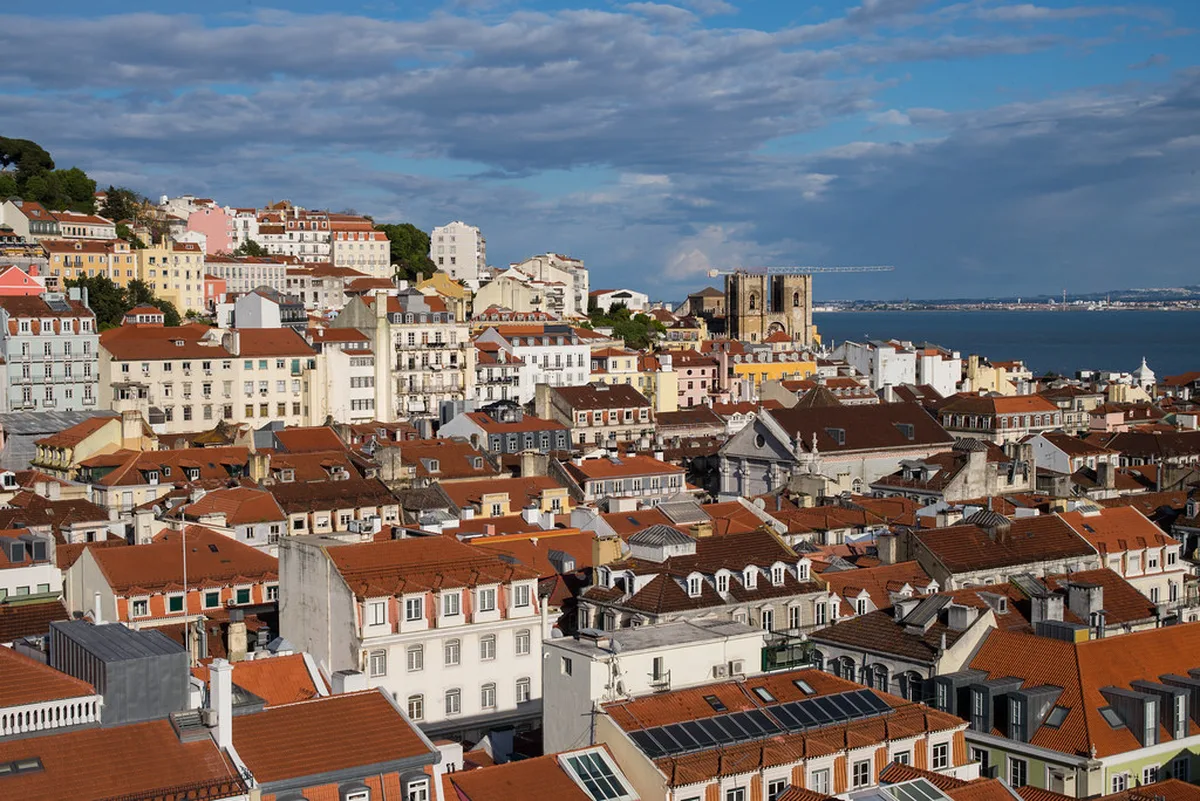
One climate feature worth understanding before you arrive is the Nortada — a persistent northerly wind that builds through the afternoon in June, July, and August. It can drop the perceived temperature by 4–6°C compared to inland Iberian cities like Madrid, making Lisbon's summer heat far more bearable than the raw numbers suggest. Evening temperatures at outdoor restaurants in Alfama rarely feel oppressive even in peak summer. The Nortada is one reason Lisbon has been historically cooler than its southern latitude implies.
Rainfall is concentrated between October and March, with November and December being the wettest months. Most rain falls as short, heavy showers rather than days-long drizzle, so sunny intervals are common even in the wettest weeks. Snow is effectively non-existent; frost occurs only once or twice a decade. Travelers from northern climates consistently find Lisbon's winter far milder than expected.
Lisbon Weather by Month: Temperature and Rainfall Table
The table below gives concrete monthly figures to compare at a glance. All temperatures are averages; individual days will vary. Rainfall totals reflect historical averages from WeatherSpark Lisbon climate data.
| Month | Avg high (°C) | Rain days | Crowds | Notes for the quarters |
|---|---|---|---|---|
| January | 16 | 12 | Very low | Wet calçada — grip soles essential in Alfama's steep lanes |
| February | 17 | 10 | Very low | Off-season deals; Carnival brings festive colour to Mouraria |
| March | 19 | 9 | Low–moderate | Rain easing; ideal for long Bairro Alto and Chiado walks |
| April | 21 | 7 | Moderate | Jacaranda starts; Easter processions thread through Alfama |
| May | 24 | 5 | Moderate–high | Peak comfort for miradouro photography; book ahead |
| June | 27 | 2 | High | Festas de Lisboa fill Alfama and Mouraria with sardine smoke |
| July | 29 | 1 | Very high | Start hill climbs before 10:00; Nortada cools hilltops by noon |
| August | 30 | 1 | Very high | Hottest month; shade scarce in Alfama's south-facing alleys |
| September | 28 | 3 | Moderate | Crowds thin; sea still warm; best all-round quarter walking |
| October | 24 | 7 | Moderate | Golden afternoon light perfect for Chiado and Baixa streets |
| November | 20 | 12 | Low | Rainy season proper; wet limestone needs caution on descents |
| December | 17 | 13 | Low–moderate | Festive lights in Baixa; cobbles slippery after evening rain |
Wear rubber-soled shoes with a deep lug pattern whenever you walk Alfama or Mouraria — the handcut limestone calçada portuguesa becomes genuinely slippery in rain, and the steep descents catch out even experienced city walkers. Pack a compact waterproof layer from October through March; showers are brief but the cobbled streets shed water slowly.
Spring in Lisbon (March–May): Best for Sightseeing
Spring is the most reliably comfortable season for walking the city. Temperatures climb from 19°C in March to 24°C in May, with evenings staying fresh enough that you rarely need air conditioning. Rainfall drops steadily through the season, and daylight extends to nearly 14 hours by late May. Most visitors cite May as the single best month of the year for outdoor sightseeing.
The signature spring sight is the jacaranda bloom that covers Avenida Alvares Cabral and Rua Castilho in purple during late April and May. The fallen blossoms drift across the calçada portuguesa limestone pavements and create a vivid contrast against the cream-and-grey stone. Crowds are manageable through March and April, though May sees increasing hotel prices as bookings fill. Booking accommodation at least 6–8 weeks ahead is sensible for late May.
The IndieLisboa Film Festival runs in late April and early May, drawing art-house cinema crowds to Chiado and Bairro Alto screening venues. Easter week (dates vary) brings religious processions through Alfama that are worth planning around. Spring is the best season for photographers working the miradouros: the air is cleaner than summer, the light is soft in the afternoon, and the viewpoints are not yet packed by 09:00.
Summer in Lisbon (June–August): Peak Season and Beach Weather
June opens the high season with the Festas de Lisboa — a month-long celebration anchored by the Feast of Saint Anthony on 13 June. Grilled sardines fill the air in Alfama and Mouraria, neighbourhoods that transform into outdoor parties after dark. July and August push daytime highs to 29–30°C, but the Nortada wind arrives reliably by early afternoon and makes the heat feel several degrees cooler than Madrid or Seville at the same temperature. Evenings cool to around 18–20°C, comfortable for long dinners on terrace esplanadas.
Beach access is one of summer's clearest advantages. Cascais is 40 minutes by train from Cais do Sodré station; Costa da Caparica is accessible by bus across the 25 de Abril bridge. Atlantic water temperatures peak around 20–21°C in August — refreshingly cool compared to the Mediterranean. The NOS Alive music festival in Oeiras (typically July) draws large international crowds and affects hotel availability across the city.
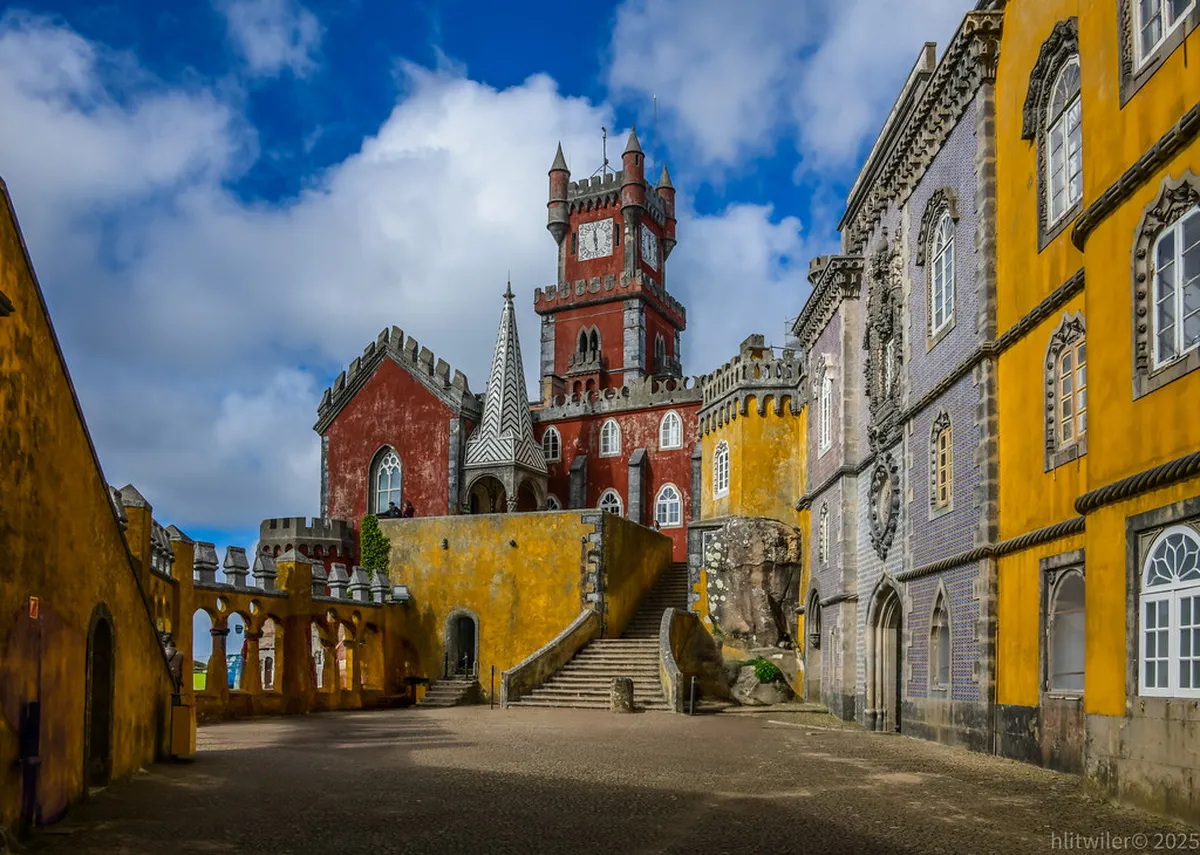
The trade-off is volume. Major monuments like the Jerónimos Monastery and the Palácio da Pena in Sintra reach timed-entry capacity by 10:00. Tram 28 queues can stretch 45 minutes on weekend mornings. Book all guided tours and museum tickets at least a week ahead, and plan the earliest possible start times at outdoor sites.
Fall in Lisbon (September–November): Mild Days and Fewer Crowds
September is the most underrated month in Lisbon. Daytime highs hold at 28°C while summer crowds begin their retreat, dropping hotel prices by 20–30% from August peaks. The Atlantic remains warm enough for swimming — sea temperatures lag the air by about 6 weeks, peaking at 21°C in early September. You get the warmth of summer with none of the log-jams at the viewpoints.
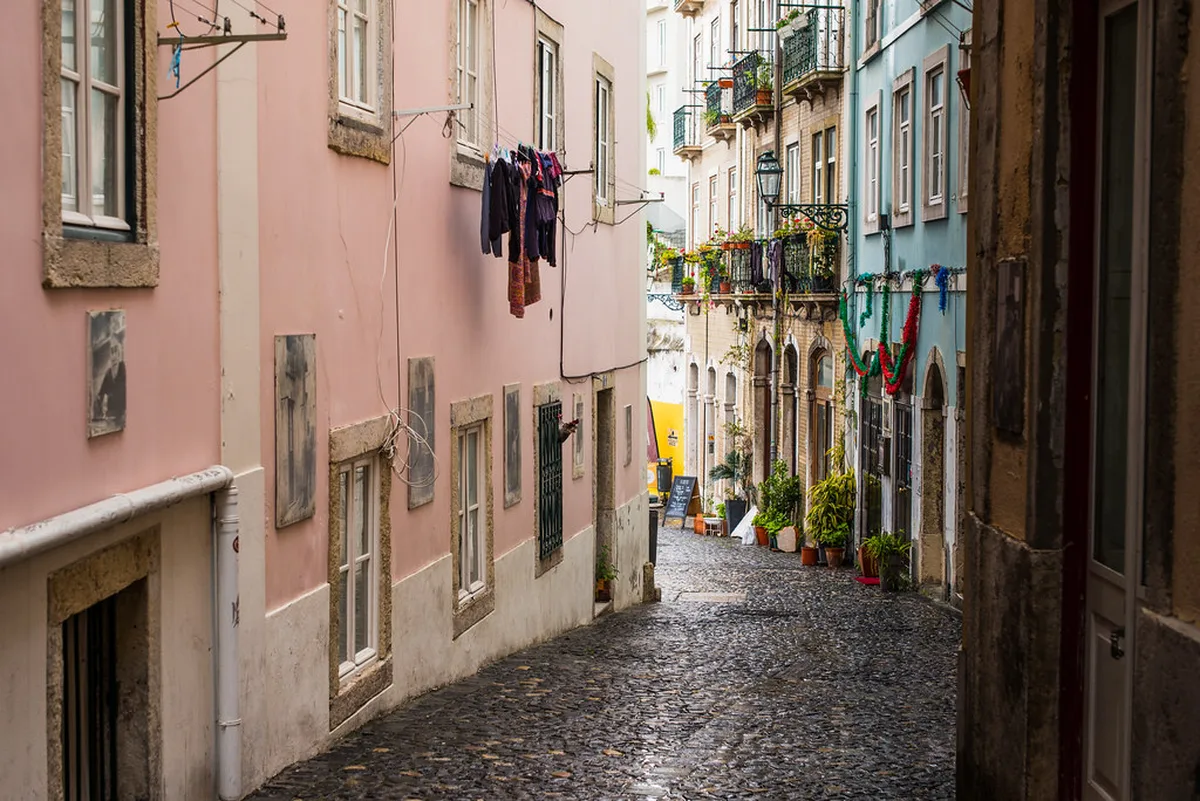
October cools to a pleasant 24°C and the light shifts to a softer golden tone that photographers chase specifically for this window. Rain starts appearing as quick afternoon showers by late October, so a compact waterproof layer earns its place in your daypack. The Lisboa Design Show and Lisbon Architecture Triennale (held in alternate years) bring cultural programming to October. Fado nights at small Alfama tascas are easier to book than in summer and often more intimate.
November crosses into the rainy season proper, with 120mm of monthly rainfall and more frequent grey afternoons. Average temperatures drop to around 20°C, which is still mild by northern European standards. The historic quarters of Lisbon are at their most local in November — the tourist wave has passed and the cafés fill with Lisbonites again. Indoor visits to the Museu Nacional do Azulejo, Fundação Calouste Gulbenkian, or the Oceanário at Parque das Nações are excellent wet-day alternatives.
Winter in Lisbon (December–February): Quiet Charm and Rain
December and January are the wettest months, averaging around 105–115mm of rain each. Temperatures rarely fall below 8°C at night and typically reach 16–17°C on a clear afternoon. Snow has not fallen on the city centre in living memory, though frost occasionally appears on the higher hilltops overnight. A medium-weight coat, waterproof layer, and grippy shoes cover 90% of winter scenarios.
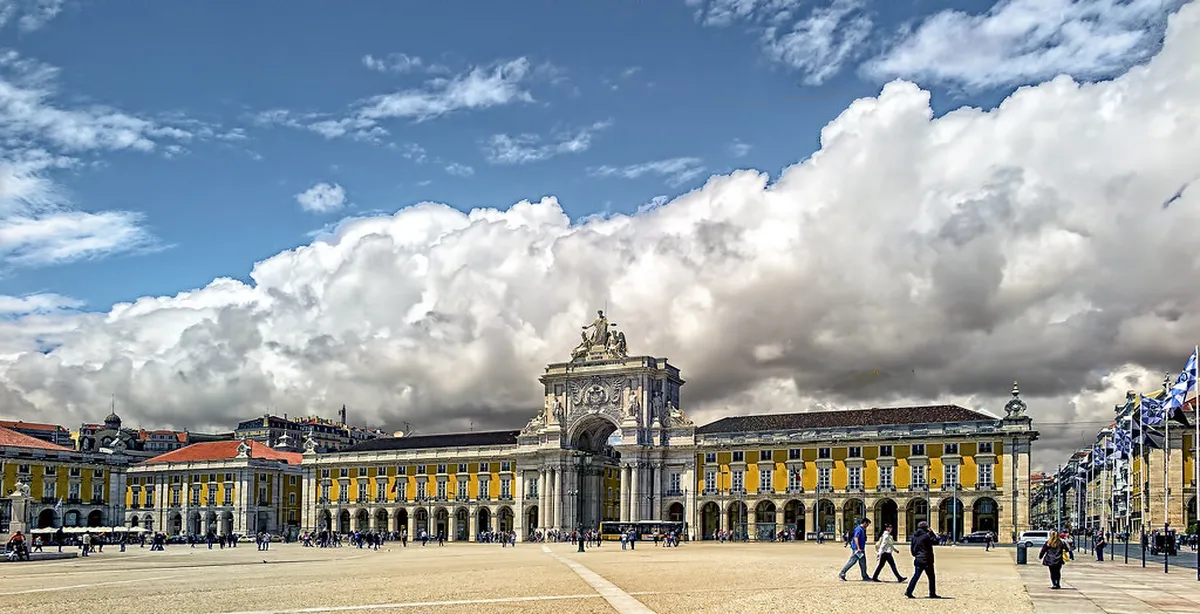
December brings festive lights to Rua Augusta and Praça do Comércio, and a Christmas market runs in the square through late December. New Year's Eve fireworks launch from the waterfront and are visible from most hilltop miradouros without a paid ticket. January and February are the quietest months for tourism: popular sites like the Jerónimos Monastery or the Museu do Azulejo rarely have queues, and Fado performances in Alfama are easier to book at shorter notice. Hotel rates in January are typically 40–50% below their July peak.
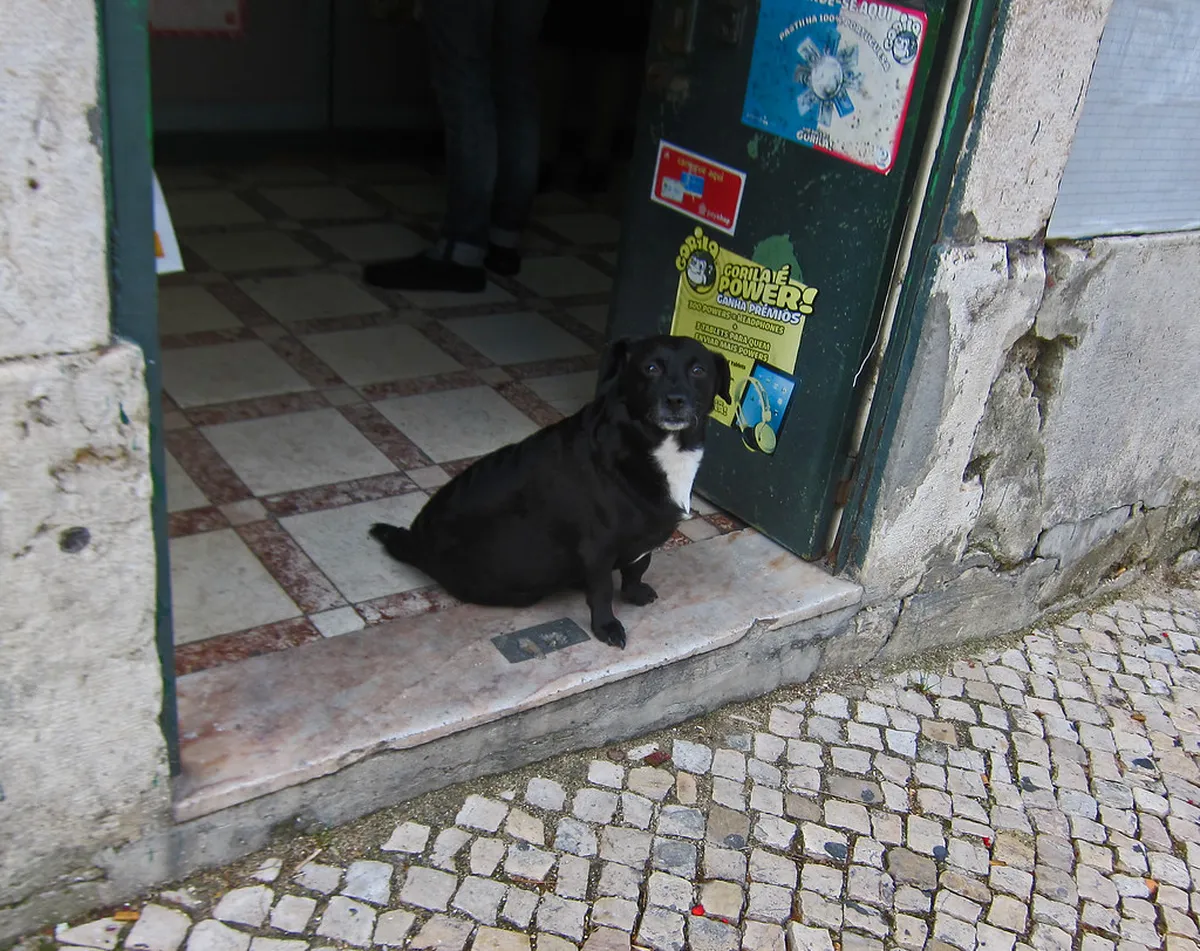
The main practical hazard in winter is the limestone pavement. The calçada portuguesa — the handcut white-and-grey cobblestone that covers every street and square in the historic centre — becomes genuinely slippery when wet. The effect is more pronounced on the steep descents of Alfama and the long ramps connecting Mouraria to Graça. Rubber-soled shoes with a flat, non-smooth tread are not optional in winter; they are the single most important packing decision for a November-to-February trip.
Walking the Historic Quarters: What Weather Means on the Ground
Generic weather data does not capture what the seasons actually feel like in Alfama, Mouraria, and Bairro Alto, because these neighbourhoods behave differently from the rest of the city. The narrow alleys of Alfama face south and east, trap heat from morning sun, and have almost no shade between the buildings — a 30°C day in Alfama by 14:00 can feel like 35°C. In July and August, plan hill climbs before 10:00 or after 18:00. The miradouros (particularly Miradouro da Graça and Miradouro de Santa Luzia) are fully unshaded; bring water and sun protection if you are visiting mid-afternoon.
The hilltop districts also get the Nortada wind first. Bairro Alto and Graça, sitting above the city, feel noticeably cooler in summer afternoons than Baixa down by the river. The riverfront Praça do Comércio area holds heat and humidity because the Tagus water moderates temperature in both directions — warmer in winter, more humid in summer. This micro-climate gap between the hills and the waterfront can be 3–5°C on calm days.
In the wet season, Mouraria's stepped streets and Alfama's ramped lanes funnel rainwater into fast-moving streams during heavy downpours. Local residents slow to a shuffle on these surfaces; visitors who are not expecting it are the ones who fall. The calçada stones are polished smooth by centuries of foot traffic, and no amount of warning fully prepares you until you step on one wet. A sole with a deep rubber lug pattern — hiking shoes or trail runners — is safer than any city sneaker with a flat rubber bottom.
Best Time to Visit Lisbon for Festivals and Events
The official Lisbon tourism calendar publishes event dates annually, but the anchor events stay consistent. June is the standout month for street culture: the Feast of Saint Anthony on 13 June is the city's biggest neighbourhood party, with dancing, sardine grills, and outdoor concerts running until 03:00 in Alfama, Intendente, and Mouraria. Festas de Lisboa programming runs throughout the entire month of June, not just on the saint's day itself.
April and May suit travelers who prefer cultural events over street parties: the IndieLisboa Film Festival (late April to early May), the Estoril Jazz Festival (May), and Easter processions through the historic quarters. September brings the Lisbon International Film Festival and the Lisboa Design Show in October. December delivers Christmas illuminations, a riverside market in Praça do Comércio, and the most dramatic New Year's Eve fireworks display on the Iberian Peninsula.
- June: Festas de Lisboa street parties and sardine festivals across Alfama and Mouraria
- April–May: IndieLisboa Film Festival, spring blooms, Easter processions
- September: warm sea, thinner crowds, film festival programming
- January: lowest prices, fewest tourists, quiet access to every major monument
What to Pack: Navigating Lisbon's Microclimates and Cobblestones
Footwear is the most critical packing decision for any Lisbon trip, not just in winter. The calçada portuguesa is hard, uneven, and — in the sun or rain — can be slippery. Flat leather soles, thin-soled fashion trainers, and any shoes without lateral grip perform poorly on both the downhill ramps of Alfama and the long flights of steps in Mouraria. A rubber-soled shoe with some arch support will protect your feet from the unyielding stone and prevent slips on wet surfaces. This applies in every season.
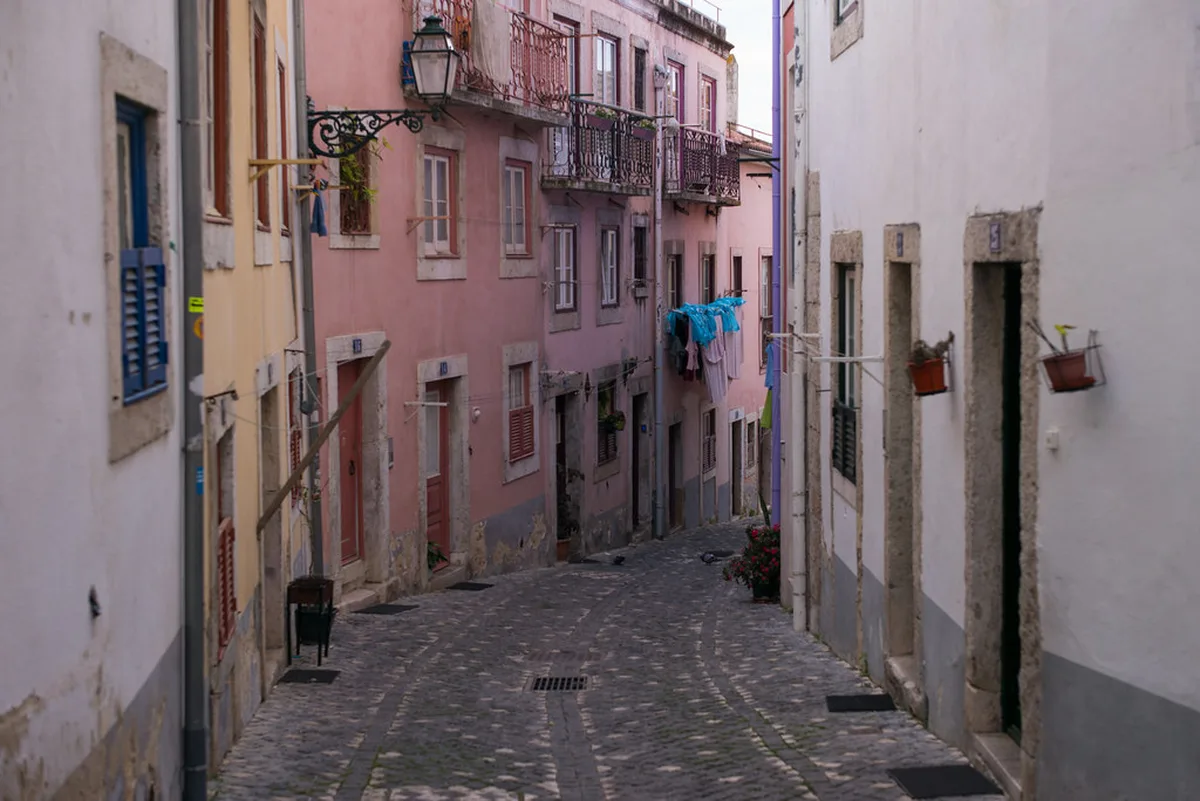
Layering is the principle for every month except July and August. Mornings and evenings in spring and autumn can be 10°C cooler than afternoon highs, and the Nortada wind at a hilltop miradouro can feel sharp even on a clear June evening. A lightweight packable jacket that folds into its own pocket covers the breeze and any passing shower without taking up luggage space.
- Rubber-soled shoes with grip — non-negotiable for the calçada, every season
- Sun protection (SPF 30+, sunglasses, hat) — mandatory May through September and useful year-round
- Compact waterproof jacket — essential October through March; useful shoulder months
- Lightweight layers — for the temperature gap between valley (Baixa) and hilltops (Alfama, Bairro Alto)
- Reusable water bottle — Lisbon tap water is clean; refill at public fountains throughout the historic centre
Frequently Asked Questions
When is the best time to visit Lisbon?
Late spring and early fall offer the best balance of weather and crowds. May and September are ideal for walking the hilly streets. You will enjoy mild temperatures and lower hotel prices during these months.
What is the rainiest month in Lisbon?
November and December are typically the rainiest months in the city. You should expect frequent showers and slippery limestone sidewalks. Indoor museums are great alternatives during these wet days.
Is Lisbon too hot in the summer?
July and August can be hot, with highs reaching 28°C / 82°F. However, the cooling Nortada wind often makes the heat manageable. Evenings remain pleasantly cool for outdoor dining.
Lisbon is a versatile destination that offers something special in every season. Whether you want summer festivals or quiet winter strolls, the city will not disappoint. Plan your visit around the shoulder seasons for the most comfortable weather conditions. The unique light and Atlantic breeze make every month a good time to visit.