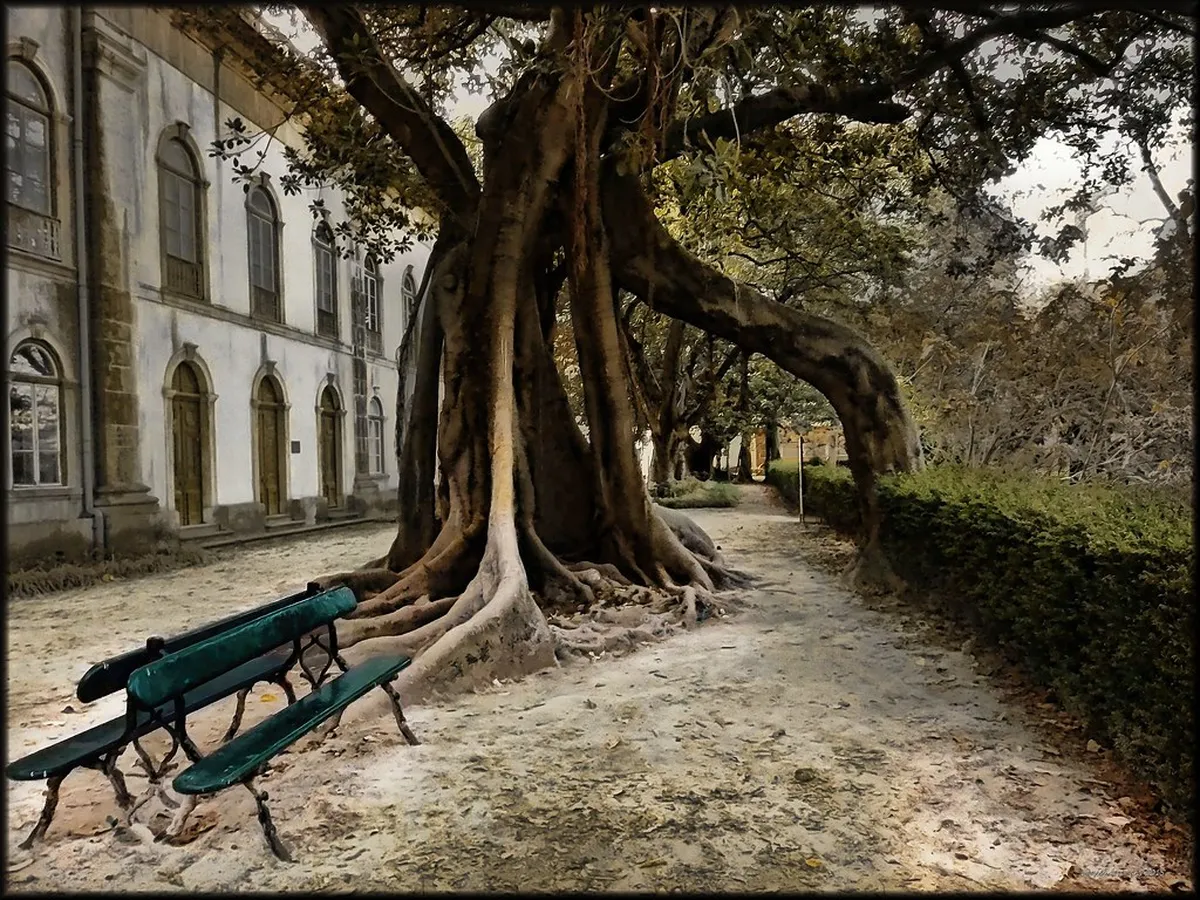
A Friday-evening to Sunday city break in Lisbon is one of the most rewarding short trips in Europe. The city packs Roman ruins, Moorish alleyways, Art Nouveau cafes, and the world's best custard tarts into a compact area that genuinely rewards two full days. This guide is built around a weekend — not just a generic 48-hour sprint — with Saturday morning's Feira da Ladra flea market, Friday and Saturday fado nights in Alfama, and the particular calm of Sunday at dawn in the historic quarters all factored in.
The full Lisbon 2-day itinerary covers every hour in detail. This page focuses on the weekend-trip angle: arriving Friday, making the most of Saturday's unique events, and leaving Sunday afternoon without feeling rushed. Wear proper walking shoes — Lisbon's cobblestones are uneven and the hills are real.
How to Spend a Weekend in Lisbon
The key to a Lisbon weekend is grouping sights by neighborhood so you climb each hill only once. Day one belongs to the historic quarters of Alfama, Mouraria, and Baixa — the oldest, densest part of the city. Day two heads west to Belém's monumental riverside district and ends with a sunset drink in Bairro Alto or Chiado. Arriving Friday evening gives you a bonus few hours: drop your bags, walk down to Praça do Comércio on the Tagus waterfront, and find a table in Chiado for a late dinner.
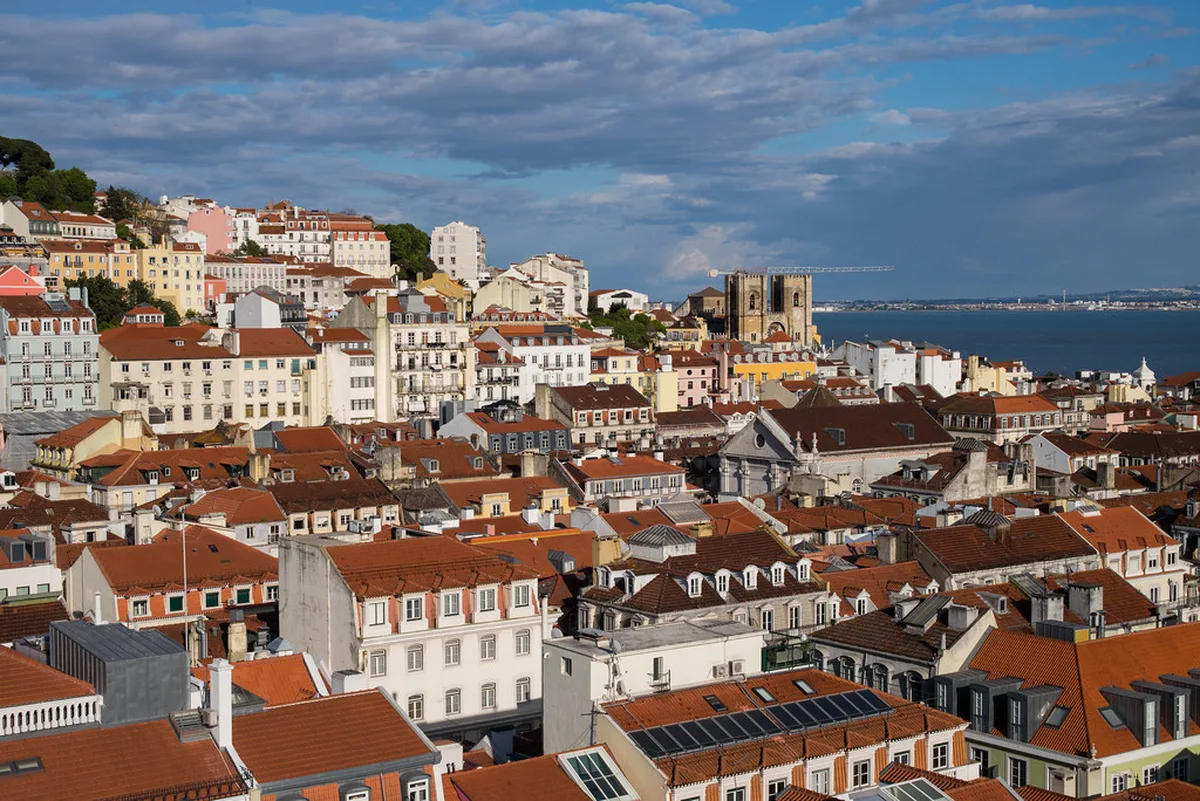
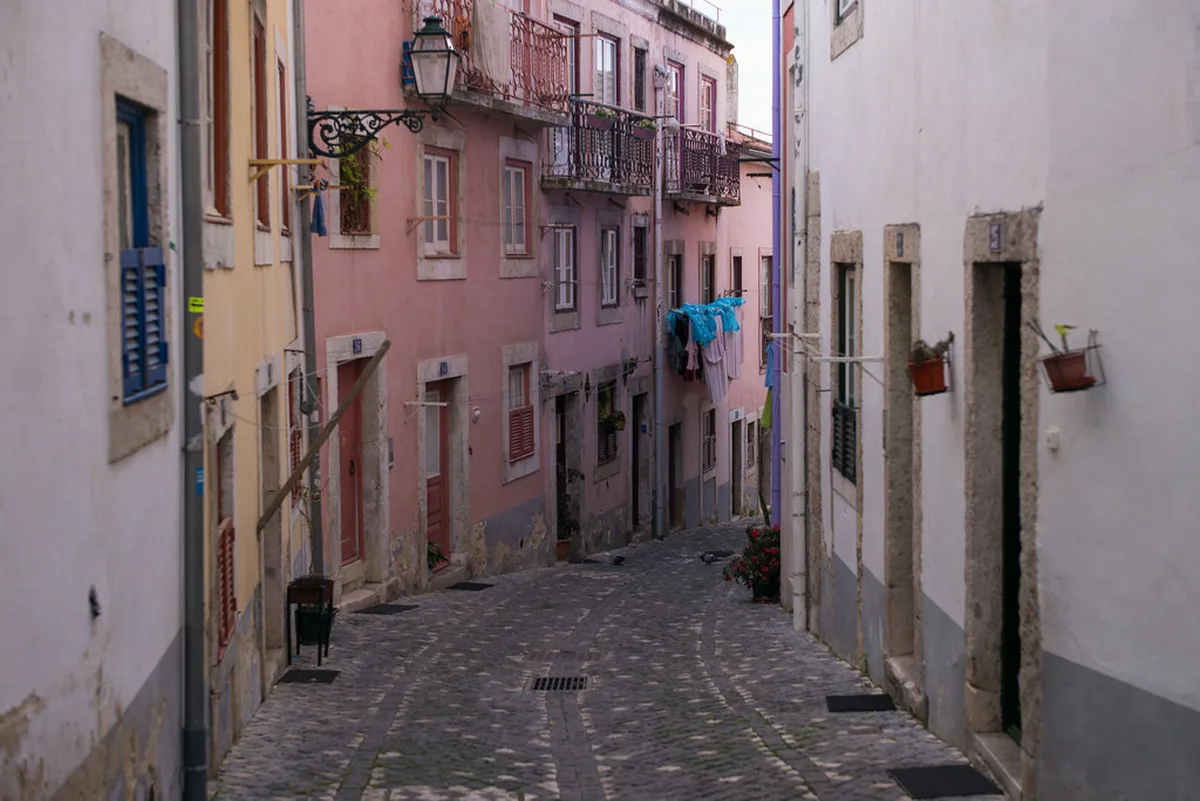
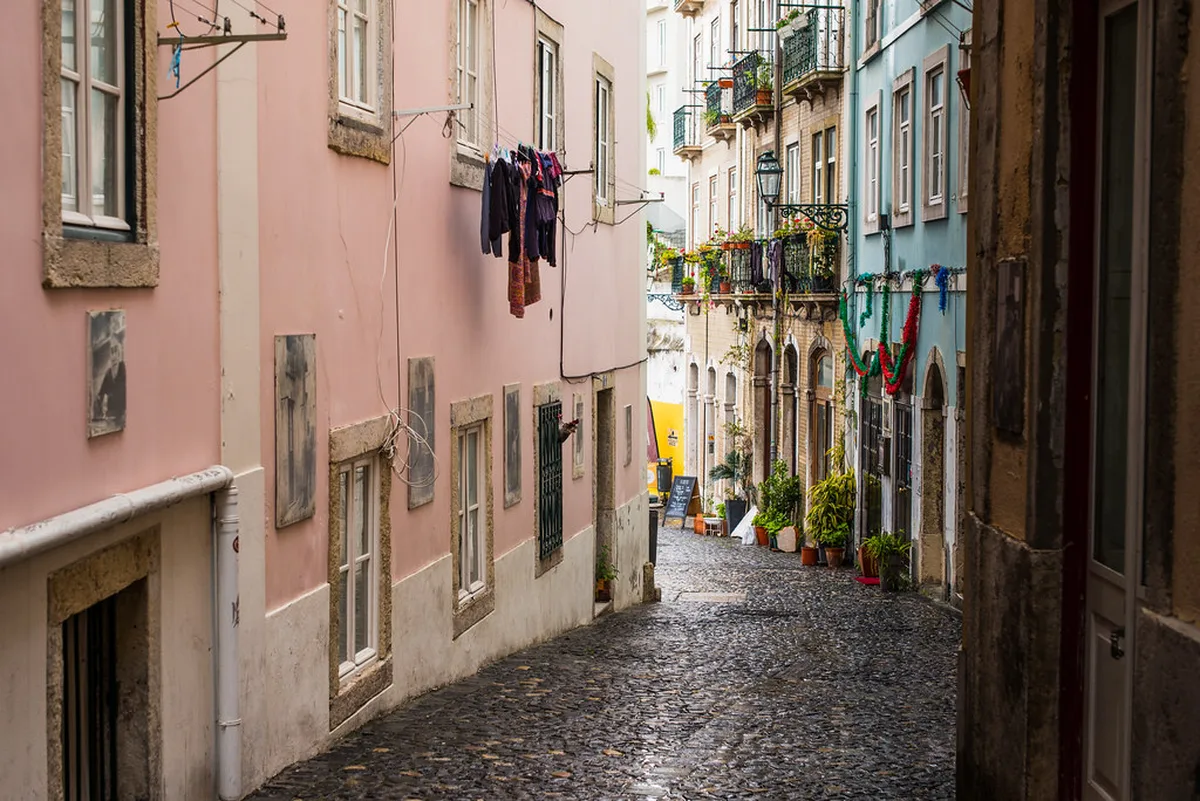
Saturday is the busiest and richest day. Start at 09:00 at the Feira da Ladra flea market in Campo de Santa Clara — this open-air market runs every Tuesday and Saturday and is one of Lisbon's oldest traditions. By 11:00 the serious antique browsers are gone and the food stalls take over. From there, walk up to Castelo de São Jorge before the tour buses arrive. Spend the afternoon in Baixa and Chiado, then return to Alfama for a fado dinner. Sunday morning is Alfama at its quietest: the lanes empty out by 08:30, azulejo facades glow in early light, and the miradouros belong mostly to locals. Take Tram 15E to Belém by 10:00 and you will have the Jerónimos Monastery nearly to yourself before the crowds build after noon.
- Friday evening: Arrive, settle in, walk Praça do Comércio, dinner in Chiado
- Saturday morning: Feira da Ladra (Campo de Santa Clara, opens 09:00), Castelo de São Jorge
- Saturday afternoon: Baixa squares, Pink Street, Time Out Market
- Saturday evening: Fado dinner in Alfama (book at least 5 days ahead)
- Sunday morning: Early Alfama wander, then Tram 15E to Belém
- Sunday midday: Jerónimos Monastery, Belém Tower, pastel de nata at Pastéis de Belém
Must-See Weekend Attractions
Castelo de São Jorge sits at the top of Alfama and gives 360-degree views across the red-roofed city to the Tagus. Entry is €15 in 2026. Book online in advance to guarantee a morning slot — the castle's terrace is noticeably less crowded before 10:00. From the ramparts you can see all seven hills laid out below.
Jerónimos Monastery in Belém is the most complete example of Manueline architecture in Portugal — the ornate late-Gothic style that blends maritime motifs with Christian iconography. Entry is €10, free on the first Sunday of each month. The Belém Tower (Torre de Belém) sits 15 minutes' walk along the riverside path and costs €6 to enter. Both are Visit Lisboa anchor sites and worth combining in a single morning. For something less ticketed, Praça do Comércio on the Tagus is free, grand, and best appreciated early before the tour buses arrive.
Elevador de Santa Justa is the famous iron lift designed by an apprentice of Gustave Eiffel. The ride costs €5.30 return in 2026 (or use the Lisboa Card). It connects Baixa to Chiado and doubles as a viewpoint from the top platform. Pink Street — officially Rua Nova do Carvalho — is a 10-minute walk from there, now lined with bars and independent restaurants rather than its former red-light tenants. Praça do Comércio's Martinho da Arcada café, established in 1782, is worth a coffee stop for the oldest-café-in-Lisbon claim alone.
Museums, Art, and Culture
The Museu Nacional do Azulejo (National Tile Museum) is one of the most distinctive museums in Europe and one that competitors consistently understate. It occupies a 16th-century convent in the Xabregas district, about 15 minutes by bus from Alfama. The collection traces the azulejo tile from its Moorish origins to 20th-century modernist panels. Entry is €5 and it opens at 10:00 Tuesday to Sunday. The convent cloister alone justifies the visit. This is the single best museum to book for a Saturday afternoon if the castle feels too crowded.
Fado is not just dinner entertainment — it is a UNESCO-recognised living heritage. The Museu do Fado in Alfama (entry €5) explains the genre's roots in Mouraria and the dockside taverns of the 19th century before you experience it live. For a live performance, Ana Moura and other established artists perform at larger venues on weekends, but the smaller Alfama houses — Clube de Fado on Rua São João da Praça, for instance — give a more intimate setting. Expect to pay €35–55 per person for a house-wine-and-food set menu with the performance included.
MAAT (Museum of Art, Architecture and Technology) on the Belém riverfront is the modern counterpart to the historic sights nearby. The elliptical new building and the former power station house rotating contemporary art exhibitions. Entry is €11. It is worth pairing with the Belém Tower visit on Sunday morning if you want a culture-and-landmarks combo in one riverside loop.
Parks, Gardens, and the Miradouro Strategy
Lisbon's miradouros (viewpoints) are free and each has a distinct character. For a weekend visitor, the timing matters as much as the location. Miradouro de Santa Luzia in Alfama faces southwest and catches the best golden-hour light on Saturday evening — azulejo panels of historic Lisbon flank the terrace. Miradouro da Graça, a short walk north, is bigger and less photographed, facing the castle and the river simultaneously. Locals use it for Sunday morning coffee and it fills with neighbourhood families rather than tour groups.
Miradouro de São Pedro de Alcântara in Bairro Alto is the most accessible on foot from Chiado and faces east across the castle hill — ideal for a Friday-evening orientation drink. Miradouro da Senhora do Monte, in the Graça district, is the highest in the city and gives the widest panorama, but the walk up is steep; it is worth saving for late Saturday afternoon when the light is warm and you are already on that side of the city after the castle visit.
Jardim da Estrela, near Chiado, is the best park for a Sunday morning slow hour before heading to Belém — peacocks wander the paths and the café kiosk opens by 09:00. The Belém riverside gardens between the monument and the tower are flat, shaded, and uncrowded before 10:00, making them a good walking route to combine both sites without backtracking.
The Saturday Morning Rhythm: Feira da Ladra and Free Lisbon
Feira da Ladra only runs on Tuesdays and Saturdays — so a weekend trip is your best chance to catch it. Arrive before 09:00 for the real antiques; by 10:00 the focus shifts to food stalls and the crowds build quickly.
| When | Where | Highlights |
|---|---|---|
| Friday evening | Chiado / Praça do Comércio | Waterfront walk, late dinner, first miradouro drink |
| Saturday morning | Campo de Santa Clara → Castelo de São Jorge | Feira da Ladra flea market (from 09:00), castle ramparts before tour buses arrive |
| Saturday afternoon | Baixa / Pink Street / Time Out Market | Elevador de Santa Justa, riverside squares, market lunch |
| Saturday evening | Alfama | Fado dinner (book 5–7 days ahead), Miradouro de Santa Luzia at golden hour |
| Sunday morning | Alfama → Belém (Tram 15E) | Early Alfama wander, Jerónimos Monastery before 11:00, pastel de nata at Pastéis de Belém |
| Sunday midday | Belém riverside | Belém Tower, MAAT museum, riverside gardens before departure |
The Feira da Ladra (literally "thieves' market") runs every Tuesday and Saturday on the slope of Campo de Santa Clara, a five-minute walk from the Panteão Nacional (National Pantheon). It is one of Lisbon's oldest markets and costs nothing to browse. Stalls start setting up from 07:30 and the market runs until around 17:00. You will find vintage tiles, old prints, secondhand books in Portuguese, cork goods, and the usual flea-market assortment. Serious bargain hunters arrive before 09:00; the food and drink stalls get busier from 10:00 onward. This is the single most distinctively weekend-specific thing to do in Lisbon that most short-trip guides skip entirely.
For budget visitors, several of the city's headline attractions are free at specific times. Jerónimos Monastery is free on the first Sunday of each month and on national holidays. The Museu Nacional do Azulejo is free on the first Sunday morning of each month. The castle ramparts at Castelo de São Jorge can be seen for free from the outer walls at Largo das Portas do Sol — you do not need to pay the entry fee to get the hill-top atmosphere. The public elevators — Elevador da Glória (connecting Restauradores to Bairro Alto) and Elevador da Bica (connecting Calçada do Combro to Rua de São Paulo) — each cost just €3.80 return and are far less crowded than the Santa Justa Lift, giving equally scenic rides without queues. The views from every miradouro are free at all times.
Getting Around Lisbon
Buy a Viva Viagem card at any metro station for €0.50. Load it with a 24-hour pass (€6.80) or a 48-hour pass (€13.20) — both cover trams, buses, metro, and the city's funiculars. The Carris network operates all surface routes. For a full weekend the 48-hour pass loaded from Friday evening will cover you through Sunday. The Lisboa Card (€22 for 24 hours, €38 for 48 hours) bundles transport with free or discounted museum entry and may be worth it if you plan to pay into several attractions.
Tram 28 is the most famous route and runs through Alfama, Baixa, and Estrela. It is genuinely useful but consistently overcrowded on weekends and a known pickpocket target. Take it early — before 09:00 on Saturday — or skip it in favour of the 12E and 28E services which cover similar ground with less tourist density. Tram 15E is the fast route to Belém from Praça da Figueira and takes about 25 minutes. For the uphill climbs, use the funiculars: Elevador da Glória for Bairro Alto, Elevador da Bica for Chiado's western edge, and Elevador do Lavra for the Intendente neighbourhood. These feel like local secrets even though they are on the standard Carris map.
Walking remains the best way to experience Alfama and Mouraria — the alleys are too narrow for anything else. Wear flat-soled shoes with grip; the calcetaria cobblestones are polished smooth and slippery after rain. Rideshares (Uber, Bolt, Cabify) work well and are reasonably priced for longer cross-city journeys. Avoid driving in Alfama or Bairro Alto — the lanes are one-way labyrinths with almost no parking.
Where to Stay in Lisbon
For a weekend break, the neighbourhood you pick shapes the entire pace of your trip. Baixa is the flat commercial centre, straddling Alfama and Chiado, and is ideal for visitors who want to walk everywhere without a hill penalty. Hotels here are mostly modern mid-range chains. It puts you steps from Praça do Comércio, the metro, and the Santa Justa Lift. Budget: roughly €80–150/night for a decent double in 2026.
Chiado and Bairro Alto suit visitors who want boutique hotels, independent restaurants, and easy nightlife access. The streets are hilly but the hills are known and manageable with the funiculars. This area is also closest to the Time Out Market and the waterfront bars. Alfama itself is atmospheric but logistically demanding — you will climb steep lanes with your bag and most accommodation options are small guesthouses rather than full hotels. It is worth it if you prioritise the traditional feeling over convenience. Baixa is the better default for a first visit.
Mouraria, directly below the castle, has become a genuinely lived-in neighbourhood with authentic tascas (small taverns) and lower hotel prices than Chiado. It is slightly less glossy than its neighbours but gives access to both the castle hill and the Intendente district, which is one of Lisbon's most interesting emerging areas. For families or visitors with limited mobility, Baixa remains the top pick: flat, central, and well-served by accessible transport.
Where to Eat in Lisbon
Start every morning with a pastel de nata and a bica (espresso). The original factory bakery Pastéis de Belém on Rua de Belém has served the recipe since 1837 — expect a queue on weekends but it moves quickly, and the tarts cost €1.30 each. In Chiado, Manteigaria on Rua do Loreto is the city-centre alternative with slightly shorter lines; there is also a branch inside the Time Out Market where the ordering window on the side street beats the main queue.
Time Out Market at Mercado da Ribeira brings together 26 restaurants and 8 bars under one roof. It is noisy and popular, but genuinely good for a varied Saturday lunch — try the seafood rice from one stall and a ginjinha (cherry brandy) from another. Arrive before 13:00 or after 14:30 to find a seat. For a quieter dinner, Mouraria's tascas on Rua da Mouraria serve grilled fish and petiscos (Portuguese tapas) at prices significantly below Chiado levels — mains around €12–16.
Fado houses in Alfama typically serve a fixed dinner menu from 19:30 with the music starting around 21:00. Budget €35–55 per person including house wine. Reservations are essential on Friday and Saturday nights — book at least a week ahead during peak season (June to August). Vegetarians should note that traditional Portuguese menus are heavily meat and fish focused; ask in advance about options. For a free taste of the musical culture, some Mouraria café terraces host informal fado vadio (amateur fado) sessions on weekend evenings — locals sing for the neighbourhood, no cover charge.
Best Time to Visit Lisbon
For a weekend city break in 2026, March to May is the strongest window. Temperatures sit between 15°C and 22°C, the jacaranda trees in Parque Eduardo VII bloom purple in May, and hotel prices are 20–30% lower than peak summer. The light is warm without the July–August heat that pushes daytime temperatures past 35°C and makes Alfama's shadeless lanes uncomfortable by noon.
June to August is high season. Crowds at the castle, Belém Tower, and Tram 28 are at their densest. Lisbon's famous Festas de Lisboa run through June, with street parties in Alfama every night around the feast of Santo António (12–13 June) — genuinely spectacular if you enjoy a festival atmosphere, but bookings need to be made months ahead. September and October offer excellent conditions: summer heat fades, crowds thin, and prices drop while the weather remains reliably sunny. November to February is the quietest and cheapest period; it rains periodically but the city rarely gets cold.
For weekend visitors specifically: avoid the week of the Festas de Lisboa (early-to-mid June) unless you are coming for the festa itself, as Alfama accommodation sells out months in advance. Easter weekend brings large crowds from Spain and northern Europe. The first Sunday of each month is worth targeting if budget matters, since major museums are free that morning.
Helpful Tips for Your Lisbon Weekend
Book the key attractions before you arrive. Jerónimos Monastery and Castelo de São Jorge both offer timed-entry tickets online; without them you can wait 45–90 minutes in the queue on a Saturday. Fado dinner reservations should be made at least one week ahead in summer, five days in shoulder season. Many popular Chiado restaurants also require advance booking on Friday and Saturday evenings.
Carry a small amount of cash. Most cafes, tascas, and market stalls accept cards, but the Feira da Ladra is largely cash-only and some Alfama tascas have a minimum card spend of €10. ATMs (Multibanco) are plentiful and charge no foreign-transaction fees on your side — watch for the ATM's own conversion offer and always choose to pay in euros. Portuguese is the official language, but English is widely spoken in tourist areas; a simple "obrigado/a" (thank you) goes a long way.
Safety is generally good, but Tram 28 and crowded miradouros are known pickpocket spots on weekends. Use a front-facing bag or a money belt in dense crowds. The drug-selling activity that occasionally happens near main attractions in the evenings is low-level; a firm "não, obrigado" ends the interaction. Lisbon runs late — restaurants fill from 20:00, bars from 23:00, and the last metro runs around 01:00 on weekends. If you want a full night in Bairro Alto, budget for a taxi or rideshare home.
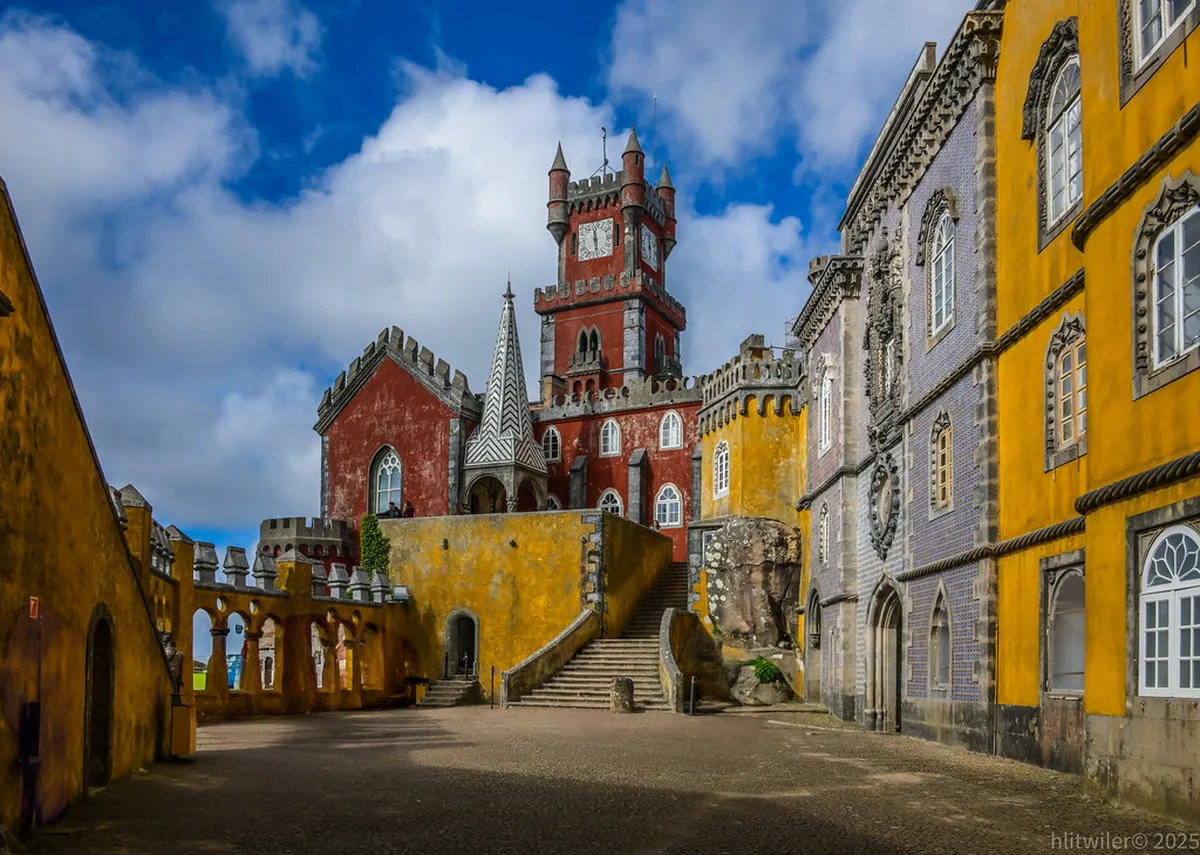
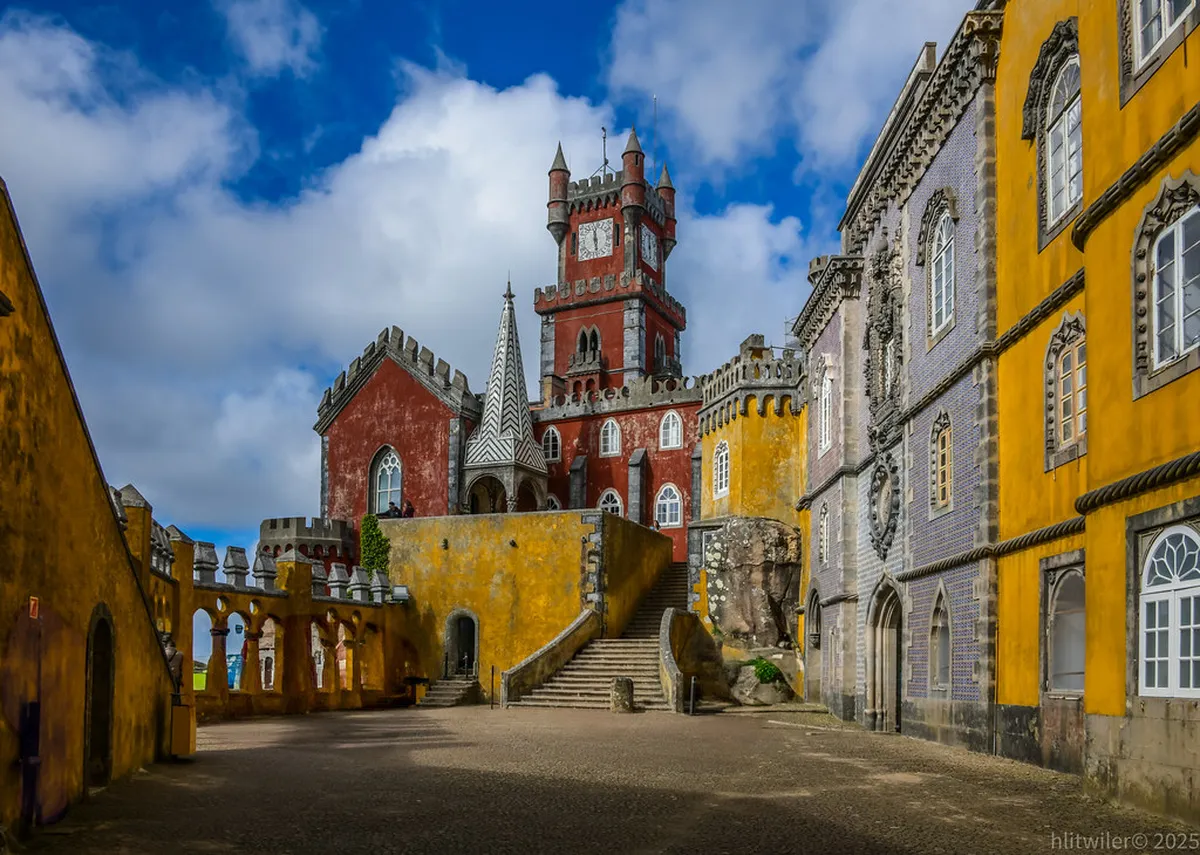
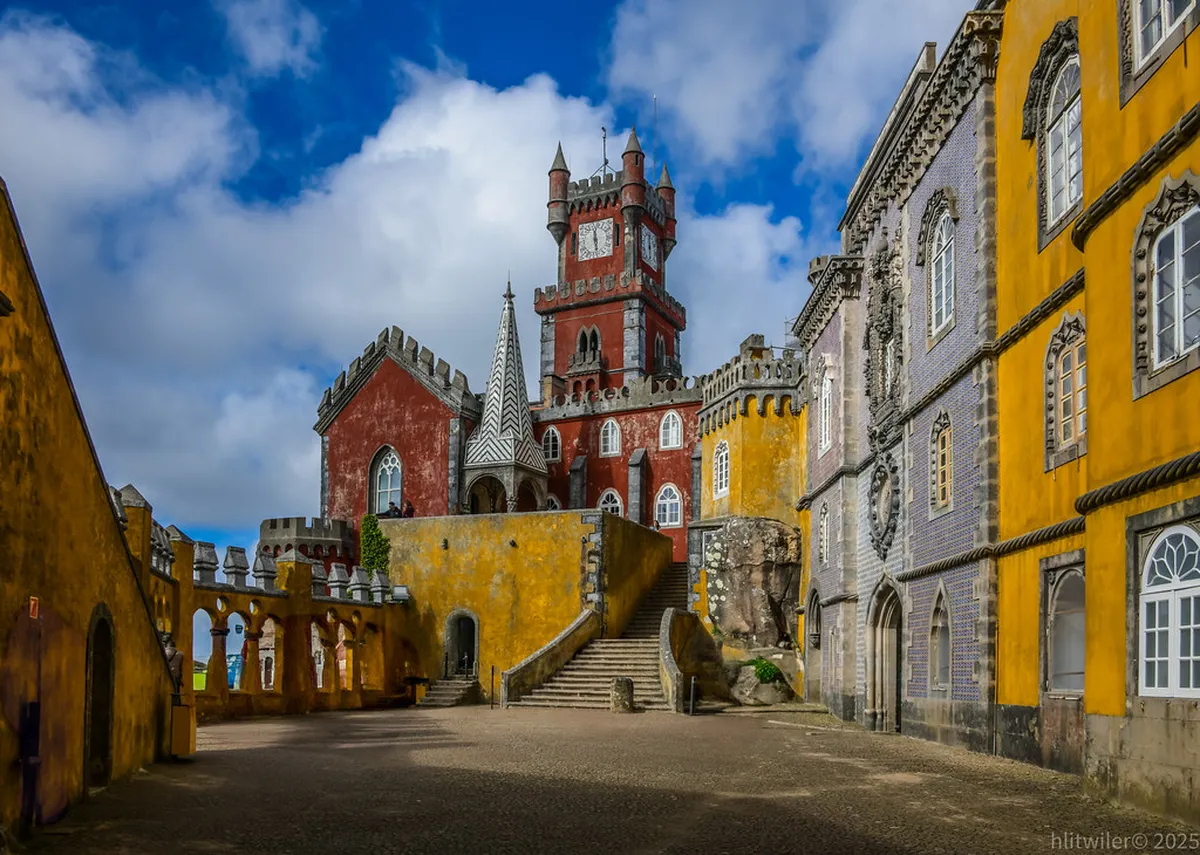
For a longer stay beyond the weekend, add a day trip to Sintra (40 minutes by train from Rossio station) or Cascais (40 minutes from Cais do Sodré). Both are easy half-day trips from the city and reward visitors who have already covered Lisbon's main sights. You can also explore more historic sites across Portugal if you plan to extend your trip beyond the capital.
Frequently Asked Questions
How much time should you spend in Lisbon?
A weekend is enough to see the major highlights like Alfama and Belém. However, I recommend spending three to four days for a more relaxed experience. This allows time for a day trip to Sintra.
What is the best neighborhood to stay in for a short trip?
Baixa is the best neighborhood for a short weekend stay. It is centrally located and mostly flat, making it easy to walk everywhere. You will be close to the metro and major squares.
How do I use the public transport card in Lisbon?
Buy a Viva Viagem card at any metro station for €0.50. You can load it with a 24-hour pass for around €6.80. This card works on all trams, buses, and the metro.
Lisbon is a captivating city that rewards even a short weekend stay. Two days — especially with Saturday's Feira da Ladra and a fado dinner in Alfama — gives you a genuinely memorable introduction to the historic quarters. Book the key attractions online before you leave home, load a Viva Viagem card when you land, and let the hills slow you down in the best possible way.
Remember to hit the miradouros at the right time of day, use the funiculars instead of fighting the tram queues, and save Sunday morning for the quiet side of Alfama. Safe travels.