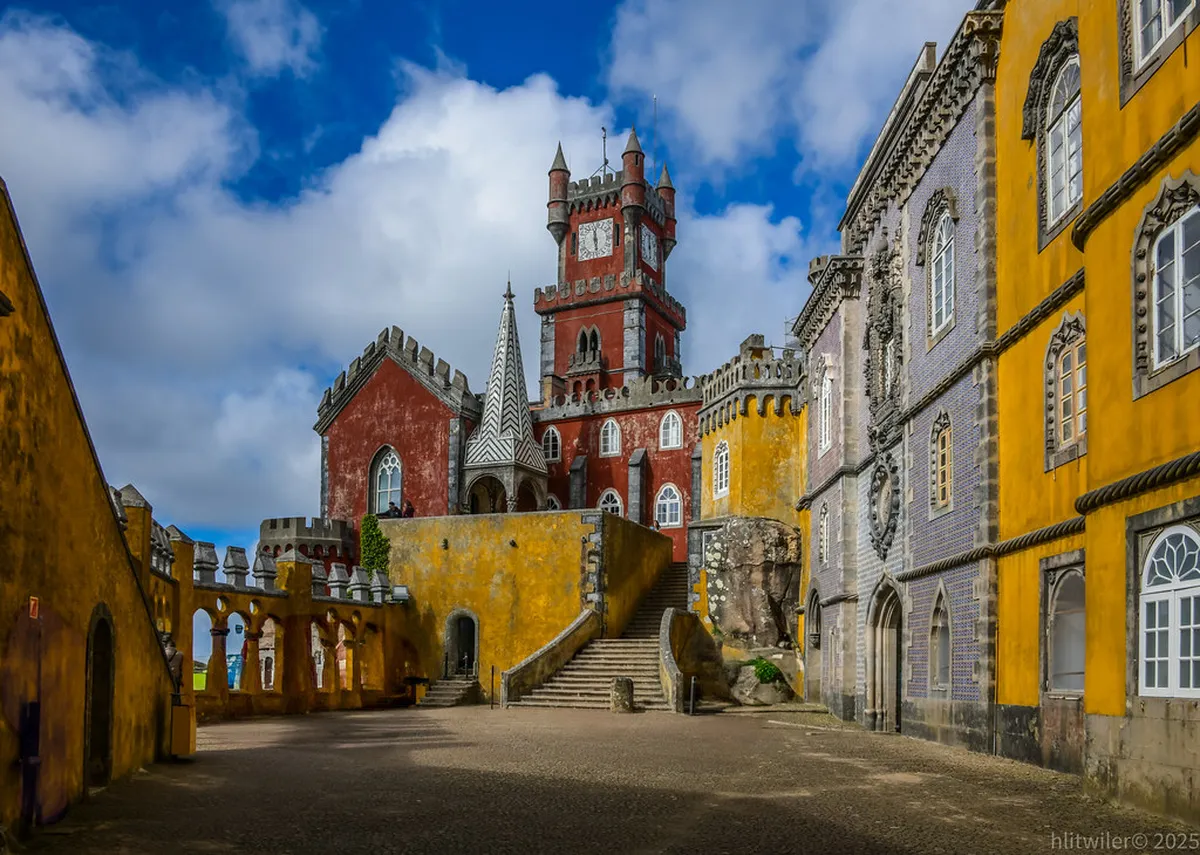
Lisbon is a city of golden light, steep hills, and intricate tile patterns that capture every traveler's heart. This guide is built for first-timers who want to see the main highlights without feeling overwhelmed — a clean 48-hour route through the historic core. Day 1 covers Alfama, Baixa, and Chiado. Day 2 heads west to Belém before looping back through Bairro Alto for the evening. Both days are designed to keep backtracking to a minimum. Check the official Lisbon tourism site for any sudden holiday closures before you go.
You will need a pair of sturdy walking shoes to handle the famous calçada limestone pavements — they look beautiful and are genuinely slippery when wet. This plan is deliberate: it packs your days without turning sightseeing into a sprint. If you already know you want a slower pace, our guide on how many days in Lisbon helps you decide whether to extend the trip.
When to Visit Lisbon
The best windows for a 2-day visit are March to May and September to October. Days are long, temperatures sit between 18 and 25°C, and the major landmarks are noticeably less crowded than in the July and August peak. You can reach São Jorge Castle at opening time in late April and find the ramparts nearly empty.
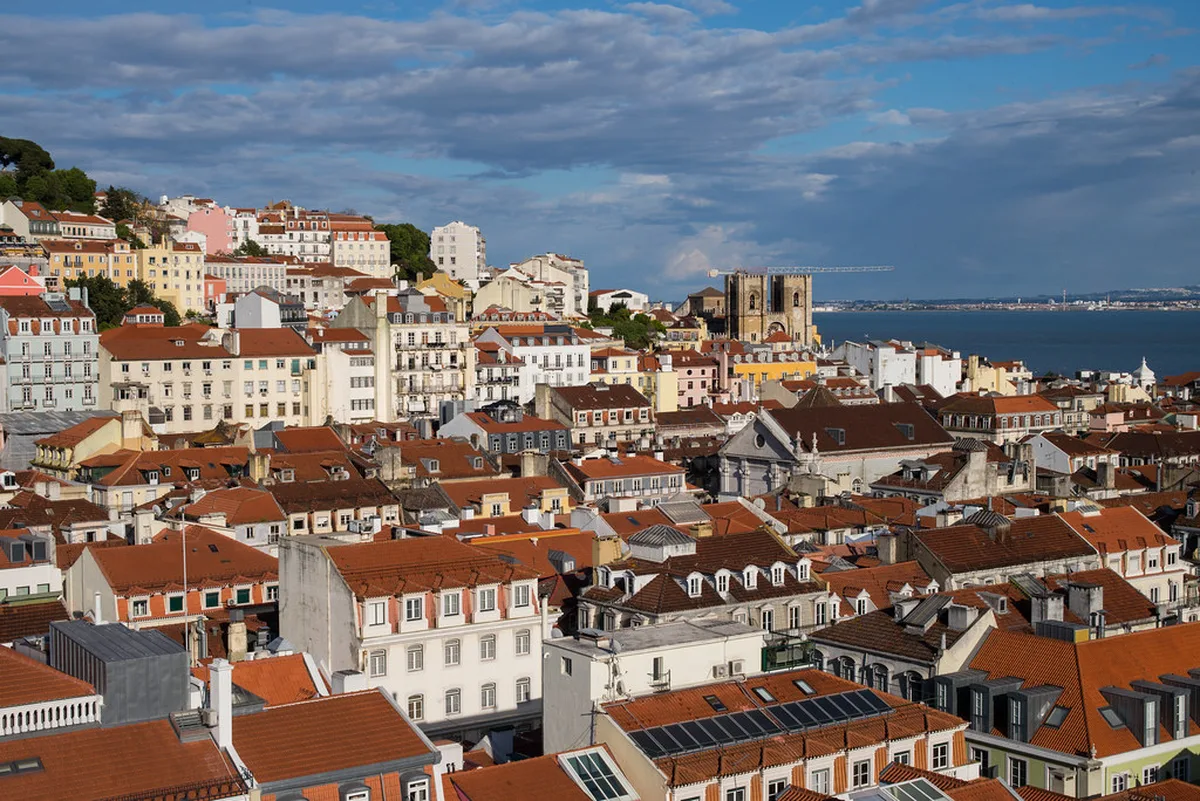
Summer (June to August) means heat, queues, and accommodation prices that can double overnight. If July or August is your only option, book Jerónimos Monastery tickets at least two weeks out and aim to be at each site before 10:00. Winter visits (November to February) are mild — rarely below 10°C — and offer uncrowded streets, though some viewpoints lose their dramatic light by mid-afternoon.
One practical angle most guides skip: if your visit falls on a Tuesday or Saturday, schedule your Alfama morning early to catch the Feira da Ladra flea market in Campo de Santa Clara. It runs from 09:00 to 18:00 and sits a short walk from São Vicente de Fora church. You can pick through second-hand ceramics, vintage postcards, and old azulejo tiles while the tourist crowds are still at breakfast.
Day 1 in Lisbon Portugal
Start your day in Alfama, the oldest district in the city and the only neighborhood to survive the 1755 earthquake largely intact. Arrive in the area by 08:30 to walk the cobblestone streets before the tour groups arrive. Begin near the Sé Cathedral (it opens at 10:00, but the exterior and surroundings are worth a look) and work your way uphill toward the viewpoints at Miradouro de Santa Luzia and Miradouro das Portas do Sol. The views over the Tagus rooftops from these terraces are among the best in Lisbon and both are free to access.
From Portas do Sol, it is a short uphill walk to Castelo de São Jorge. The castle opens at 09:00 and entry costs €15. Buy tickets on the official website in advance — the on-site queue by 10:00 can be 30 minutes long. Expect to spend 1.5 to 2 hours inside walking the ramparts and gardens. The panoramic views from the towers are the highlight; the interior archaeological museum is worthwhile if you have spare time.
After descending the castle, take a 15-minute walk northeast to the Panteão Nacional. Entrance costs €8 and the building is open Tuesday to Sunday. Very few tourists make the detour here, so you will almost always walk straight in. It is a Baroque masterpiece with a soaring dome, and the rooftop terrace offers one of the most underrated city views in Lisbon. If you visit on a Tuesday or Saturday, Campo de Santa Clara — right outside — hosts the Feira da Ladra market. For anyone interested in vintage tiles, old maps, or antique cork items, it is worth an hour of wandering.
After the Panteão, descend into Baixa by mid-afternoon. Walk south along Rua Augusta toward Praça do Comércio, the grand riverside square rebuilt after the earthquake. The waterfront promenade here is a good place to sit and pause before continuing west into Chiado. In Chiado, the must-see is Igreja São Roque — its plain exterior gives no hint of the dazzling gold-and-marble interior. The square nearby, Praça Luís de Camões, is pleasant for a coffee stop; Manteigaria bakery on the corner serves excellent pastéis de nata. Skip the Santa Justa Lift queue and walk uphill instead — the extra five minutes of effort costs nothing and avoids a long wait. End your afternoon wandering through Chiado's bookstores and narrow side streets before the evening.
For the evening, take a taxi or Uber north to Graça. The Miradouro da Senhora do Monte viewpoint in Graça delivers the most expansive sunset panorama in the city — 180 degrees across the rooftops, the castle, the Tagus, and the distant Arrábida hills on a clear day. Afterwards, find a small tavern in Alfama for a Fado dinner. Advance reservations at popular venues are essential; book at least a week ahead during spring and summer.
Mouraria: The Quarter Most Itineraries Skip
Between Alfama and Baixa lies Mouraria, the historic Islamic quarter that predates the 1755 earthquake and sits just below the castle hill. Most 2-day itineraries route visitors straight from the castle down to the Baixa grid, bypassing Mouraria entirely. That is a mistake for anyone who has come specifically to understand how Lisbon's historic quarters relate to each other.
Mouraria feels noticeably different from the polished tourist circuit above it. The streets around Largo do Intendente and Rua do Capelão are quieter, more residential, and lined with tile-faced buildings that have been left largely untouched since the early twentieth century. The Intendente square itself was renovated in 2014 and now has a fountain, a restored tile factory, and several local cafes where a coffee costs €0.80. It takes no more than 20 to 30 minutes to walk through on your way from Alfama to Baixa, but the contrast in atmosphere is striking.
Mouraria is also the birthplace of Fado as a musical tradition — a fact that most guides mention in passing but do not build into the itinerary. The small Museu do Fado at Largo do Chafariz de Dentro (open Tuesday to Sunday, €5 entry) is worth a stop if you plan to attend a performance later in the evening; it provides context that makes the music land differently.
Day 2 - Belém, LX Factory, and Bairro Alto
| Day | Morning | Afternoon | Evening |
|---|---|---|---|
| Day 1 | Alfama: Sé Cathedral, Miradouro das Portas do Sol, Castelo de São Jorge | Panteão Nacional → Baixa → Chiado (Igreja São Roque, Praça Luís de Camões) | Graça viewpoint at sunset, Fado dinner in Alfama |
| Day 2 | Belém: Pastéis de Belém, Jerónimos Monastery | Belém Tower, Monument to the Discoveries, LX Factory | Bairro Alto: Miradouro de São Pedro de Alcântara, dinner |
To pace 48 hours comfortably, finish Day 1 no later than 17:00 in Chiado so you have time to reach the Graça viewpoint before the best light fades around 19:30. On Day 2, aim to leave Belém by 14:00 — the 15E tram westbound fills up quickly in the afternoon and the LX Factory area is most pleasant before the evening dinner rush begins.
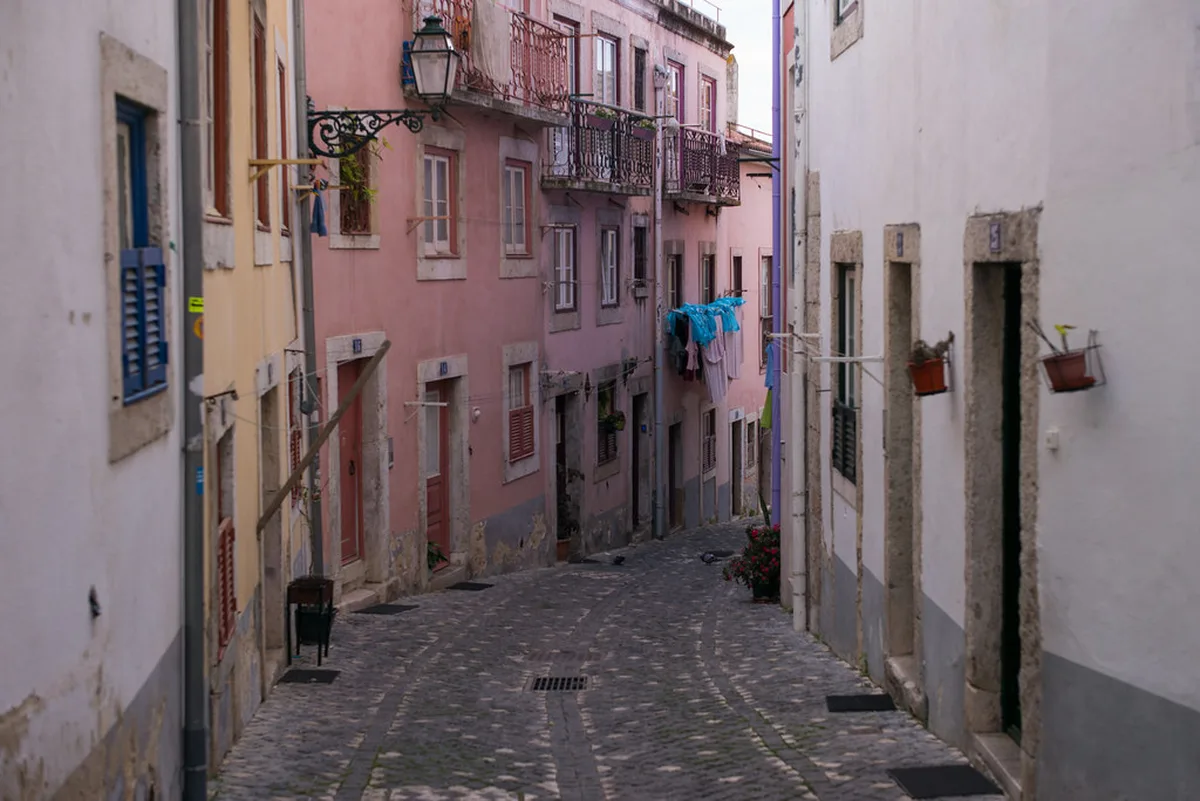
Take the 15E tram from Praça da Figueira or Praça do Comércio westward to Belém. The journey takes about 25 minutes and runs along the scenic Tagus riverbank. Be at the Pastéis de Belém bakery (Rua de Belém 84–92, open daily 08:00 to 22:00) as close to opening as possible — the line for a table grows quickly, but takeaway service from the counter is fast. The tarts here cost €1.40 each and taste meaningfully different from the nata you find elsewhere in the city; the recipe has remained secret since the bakery opened in 1837.
The Jerónimos Monastery is a three-minute walk from the bakery. Buy tickets in advance on the official monastery website; the site consistently sells out timed slots during peak season. Entry costs €12 (or free on Sundays before 14:00 for EU citizens). Allocate 1.5 to 2 hours for the cloisters and the church interior, where Vasco da Gama and Luís de Camões are buried. The cloisters in particular — two levels of carved limestone lace in Manueline style — are among the finest examples of the architecture style anywhere in Europe.
After the monastery, walk west along the riverfront promenade for ten minutes to reach the Belém Tower. The exterior is more photogenic than the interior, and the queues inside can be long. If time is short, appreciate the tower from the waterfront path and use the time instead to walk a few more minutes to the Padrão dos Descobrimentos (Monument to the Discoveries). The elevator inside takes you to a terrace 52 metres above the river, with a view south over the Tagus mouth and north toward the city skyline — a different angle than anything you saw on Day 1. Entry costs €10.
In the afternoon, take the 15E back toward central Lisbon and get off near the LX Factory, a creative hub inside a former nineteenth-century industrial complex on Rua Rodrigues de Faria. The market here runs every Sunday (12:00 to 20:00), but on weekdays the complex is open for its permanent shops, restaurants, and studio spaces. It makes a good mid-afternoon stop regardless of the day. For anyone extending the trip, our Lisbon 3-day itinerary devotes a fuller afternoon to this area.
End your second evening in Bairro Alto. The neighborhood fills with locals from around 20:00 onward, with bars and restaurants spread across the compact grid above Chiado. For a classic viewpoint stop, the Miradouro de São Pedro de Alcântara at the border with Príncipe Real looks east over Baixa and Alfama, with São Jorge Castle lit up against the sky. From there, wander into Bairro Alto proper and pick a restaurant at street level for a final dinner.
Getting Around Lisbon
Walking is the right choice for both days within the historic center. The distances between Alfama, Baixa, Chiado, and Bairro Alto are short — rarely more than 20 minutes on foot — and walking reveals the architectural details and tiled facades that disappear when you are looking at a phone screen in a taxi. The hills are real, but the uphill stretches are manageable if you pace yourself.
For the trip to Belém on Day 2, the 15E tram from Praça do Comércio is the standard option. A single fare costs €1.85 with the Viva Viagem card (€0.50 deposit); a 24-hour pass for all modes costs approximately €7.00. If you arrive at Lisbon's Humberto Delgado Airport by plane, the metro Aeroporto line reaches central Lisbon in about 20 minutes at the same per-ride rate. As of 2026, contactless bank cards and Apple/Google Pay work at metro validators, removing the need to buy a dedicated card.
Uber and Bolt are widely available and cost roughly €5 to €8 for cross-city hops (for example, Baixa to Graça). That is a reasonable trade when you are tired after a long Day 1 and want to get to the Miradouro da Senhora do Monte without another uphill climb. Taxis use meters and are similarly priced, though ride-share apps tend to give a fixed quote upfront. Tram 28 is popular but overcrowded; treat it as a photo opportunity rather than a reliable transit option during tourist season.
Where to Stay in Lisbon
With 48 hours in the city, stay in Baixa or Chiado. Both are central, well-connected to the metro, and within walking distance of virtually every stop on this itinerary. They are touristy, but for a first visit that is an advantage — you are closer to everything that matters and the streets are safe and lively at night. Alfama is atmospheric but hilly; it is a better choice if you prioritize ambience over logistics and do not mind the stairs at the end of a long day.
Príncipe Real is the best option for a quieter, more residential feel while staying within reasonable distance of the historic core. The neighborhood sits just above Chiado and Bairro Alto, with boutique hotels and wide, tree-lined streets. Check out the evening charm of the area through these photos by TeWeBs. Always verify whether your accommodation has an elevator if you are arriving with large luggage — many historic buildings in Lisbon do not.
Avoid staying in Belém unless you have a specific reason; the area is quiet at night and the commute back into the center adds friction to your evenings. For a weekend in Lisbon, where the angle is a Friday-to-Sunday break rather than a strict 48-hour route, accommodation choices naturally shift depending on whether you prioritize the first or last night of the trip.
What to Eat in Lisbon
Portuguese cuisine runs on seafood, olive oil, and simplicity. Bacalhau (salted cod) is the national dish and is prepared in hundreds of ways; Bacalhau à Brás — shredded cod with thin fried potatoes and scrambled egg — is one of the most approachable versions and available at almost any traditional restaurant. Expect €12 to €20 for a main course at a mid-range place; a set lunch menu (prato do dia) at a local taberna typically runs €9 to €12 including soup and a drink.
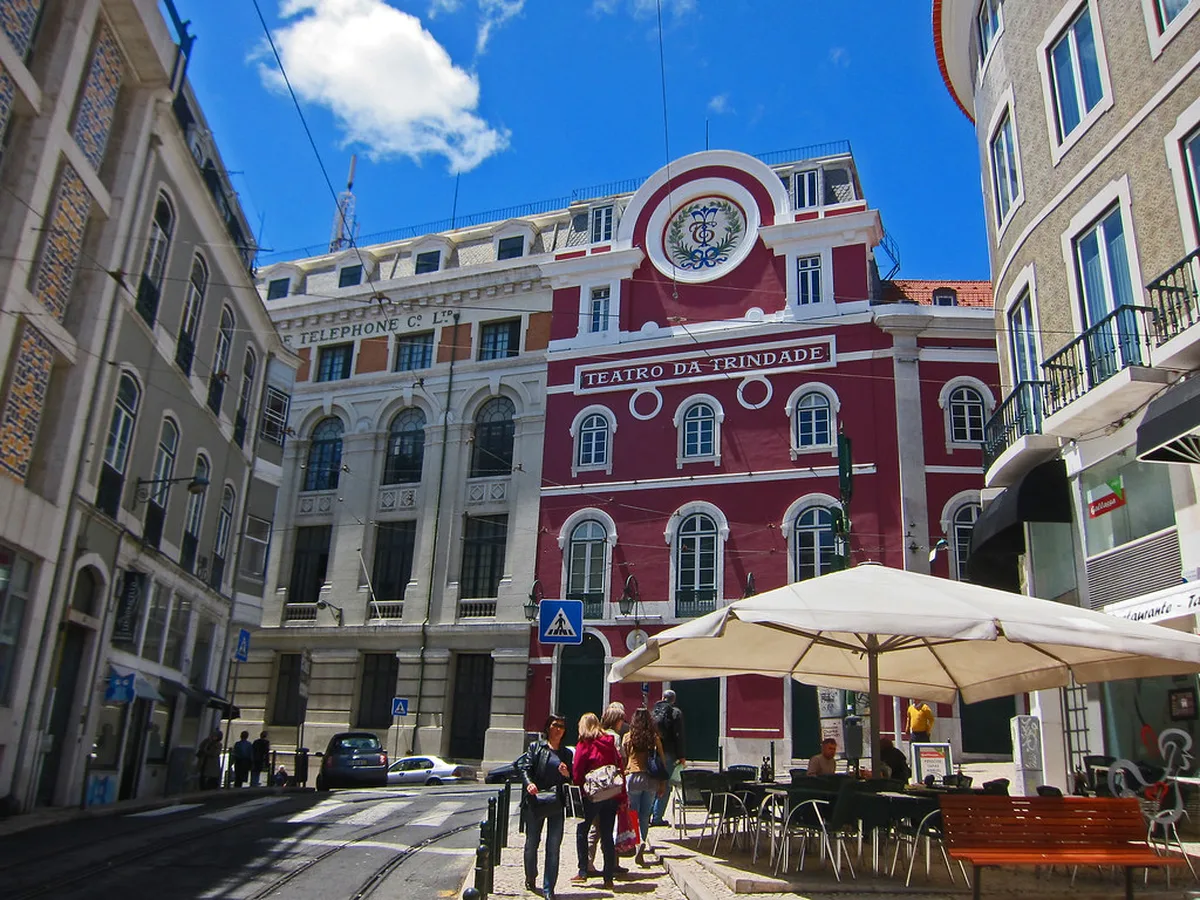
Sardines (sardinhas assadas) are grilled whole over charcoal and best in June when the season peaks — they appear on almost every outdoor festival menu. Fried padron peppers with coarse sea salt make a fast, cheap appetizer at nearly any counter bar. The pastel de nata — the custard tart — is the one thing you should try at multiple locations to taste the variation: the original at Pastéis de Belém on Day 2, and a version from A Manteigaria in Chiado on Day 1 for comparison.
The Time Out Market on Cais do Sodré brings together vendors from some of the city's better-known restaurants under one roof. It gets loud and crowded during the lunch rush; visit between 15:00 and 16:30 for a quieter experience. For wine, Vinho Verde (slightly sparkling, low-alcohol white from the north) is the right summer pour, and Ginjinha — a sour cherry liqueur — is a local tradition worth trying at one of the small street kiosks in Baixa. A shot costs €1.50 to €2.00 and requires no reservation.
Frequently Asked Questions
Are 2 days in Lisbon enough?
Two days allow you to see the main historic districts and the monuments in Belém. While you will miss some hidden gems, it is the perfect duration for a first-time city break. You can cover the core highlights effectively with a solid plan.
Is the Lisboa Card worth it for 2 days?
The card is worth it if you plan to visit multiple museums and use public transit frequently. It includes entry to the Jerónimos Monastery and Belém Tower. Calculate your planned entry fees to see if it saves you money.
What should travelers avoid in Lisbon?
Avoid wearing heels or shoes without grip on the slippery limestone sidewalks. Skip the tourist-trap restaurants with large picture menus in the Baixa area. Do not wait in the long Santa Justa Lift line if you can walk.
Lisbon rewards those who are willing to climb its hills and explore its alleys. This two-day itinerary provides a balanced mix of history, culture, and modern Portuguese life — anchored in the historic quarters that give the city its character. See the stunning Arne Müseler / www.arne-mueseler.com photography for more visual inspiration before you go.