Lisbon's Moorish Architecture Influence in 2026
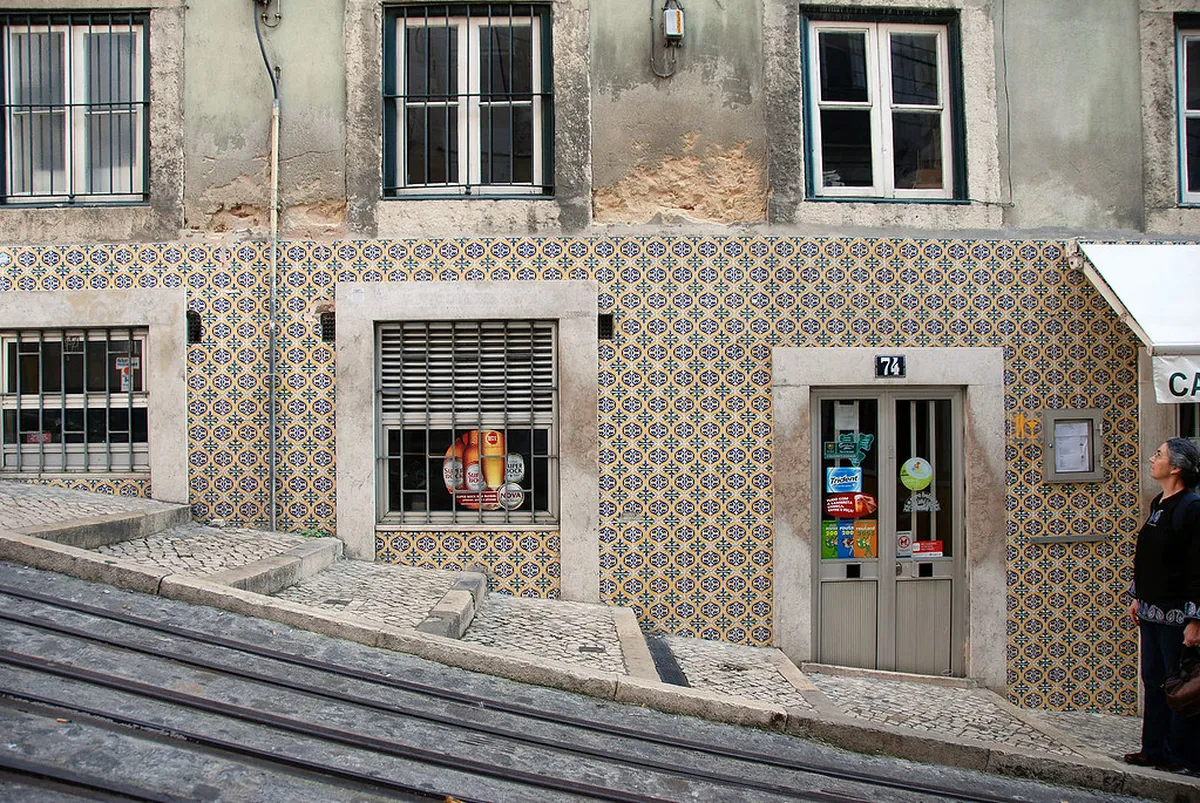
Table of Contents
Lisbon’s history is rich with diverse cultural layers. The city showcases a deep Moorish architecture influence. This heritage dates back centuries. You can see it in winding streets and specific building styles.
Understanding this past reveals Lisbon's unique character. These ancient roots shape the city even today. Discover how Islamic artistry shaped Portugal's capital. Prepare to explore fascinating historical details.
The Moorish Legacy in Lisbon's Historic Quarters
Lisbon’s oldest districts truly show its Moorish past. Areas like Alfama and Mouraria feature this architectural heritage. Their labyrinthine streets follow ancient Islamic city planning principles. These narrow alleys once defined the city’s defensive structure.
Walking these neighborhoods offers an authentic historical journey. You will observe irregular street patterns. Hidden courtyards and small squares are common features. This layout provided both defense and cooling shade. Explore the historic neighborhoods in Lisbon for a unique perspective.
Many traditional houses in Alfama still have Moorish elements. Look for small, strategically placed windows. Their whitewashed walls also reflect ancient building styles. These designs helped keep homes cool in warm climates. This cultural layer remains visible in 2026.
Mouraria, specifically, was a significant Moorish quarter. Its very name, "Moorish place," reveals its origins. This district preserves much of its original character. It offers a direct glimpse into medieval Lisbon’s daily life. Visit Mouraria for a profound cultural immersion.
This deep influence extends beyond just visible structures. It shaped the very soul of these communities. Understanding this past helps appreciate Lisbon today. It is a testament to centuries of cultural blending.
Castelo de São Jorge: A Moorish Stronghold
The magnificent Castelo de São Jorge crowns one of Lisbon's highest hills. It began as a formidable Moorish fortress. Its strong walls and strategic position date back to the 11th century. This castle served as a crucial defensive stronghold.
Portuguese forces successfully captured it in 1147. However, much of the original Moorish architecture remains intact. The castle's overall layout and specific defensive towers are from that era. Explore its ancient courtyards and formidable ramparts.
Visitors can easily tour the impressive castle grounds today. Entry costs around €15 for adults in 2026. It opens daily from 9 AM to 6 PM most months. Allow at least two hours to fully appreciate your visit. Discover more about Castelo de São Jorge history.
The castle offers truly breathtaking panoramic views. Gaze across the Tagus River and the entire city below. These stunning vistas alone make the visit worthwhile. Imagine ancient sentinels guarding Lisbon from these very walls.
Beyond its walls, remnants of the old Moorish residential quarter exist. Archaeological digs have uncovered significant findings. These provide insights into daily life within the fortress. It truly highlights Lisbon's deep historical layers.
Azulejos and Intricate Tilework: Moorish Artistry
Lisbon's vibrant azulejo tiles are renowned worldwide. Their artistic origins are deeply rooted in Moorish art traditions. The Islamic influence brought intricate geometric patterns to Portugal. These exquisite designs adorned homes and grand public buildings.
Moorish artisans perfected techniques for glazed ceramics. They introduced rich blues, greens, and yellows. These distinctive colors and patterns graced everything. You can spot these stunning tiles decorating buildings all over Lisbon.
Look for azulejos on building facades and church interiors alike. Many tiles showcase repetitive, symmetrical motifs. These reflect the aniconic principles of Islamic art. They beautifully transform ordinary walls into captivating art pieces.
The National Azulejo Museum is an essential visit. It displays centuries of Portuguese tile artistry. Admission is approximately €5 for adults in 2026. Explore the fascinating evolution of this beautiful craft. Learn about Lisbon's tiled buildings.
These tiles are more than just decoration. They tell stories of cultural exchange. The craft evolved significantly over time. Still, the underlying Moorish aesthetic endures. It’s a visual feast for any visitor.
Frequently Asked Questions
What are the main areas to see Moorish influence in Lisbon?
You should primarily visit the Alfama and Mouraria districts. These historic neighborhoods retain their ancient street layouts. The Castelo de São Jorge also shows significant Moorish roots. These areas offer the best glimpse into Lisbon's past.
How did Moorish architecture impact Lisbon's urban planning?
Moorish planning created winding, narrow streets. These provided natural defense and shade. This organic growth contrasts with later grid-like designs. It gave Lisbon its unique, charming labyrinthine feel.
Can I still find original Moorish buildings in Lisbon today?
Few fully intact original Moorish buildings remain due to subsequent rebuilding. However, elements are preserved within existing structures. The foundations of many old buildings are Moorish. Castelo de São Jorge is the best example of preserved structures.
Lisbon's rich history is evident everywhere you look. The enduring Moorish architecture influence shaped its very essence. From winding alleyways to stunning tilework, this heritage is unforgettable. It adds profound depth to the city's character.
As you explore Lisbon in 2026, seek out these ancient layers. Appreciate the unique blend of cultures. Let this historical journey enrich your visit. Experience the captivating legacy for yourself.
Key Takeaways
- Explore Alfama and Mouraria for authentic Moorish street layouts.
- Visit Castelo de São Jorge to see an original Moorish fortress.
- Observe azulejo tiles across the city to appreciate Islamic art influences.
Continue exploring Lisbon's historic quarter
 Pombaline Architecture Guide: Lisbon's Resilient StyleDecember 13, 2025
 Uncovering Lisbon Historic Architecture Styles GuideDecember 11, 2025
- Lisbon's Moorish Architecture Influence in 2026December 11, 2025
 Manueline Architecture Lisbon: Top Examples in 2026December 10, 2025