
Uncovering Coimbra Historical Facts for Your 2026 Visit

Table of Contents
Coimbra, Portugal, offers a deep dive into history. This ancient city served as Portugal's medieval capital. Its cobbled streets tell tales of kings and scholars. Uncover incredible Coimbra historical facts on your next visit. Prepare for a journey through time in 2026.
Coimbra's Ancient Roman and Moorish Roots
Coimbra boasts a rich history spanning millennia. Its origins trace back to Roman settlements. The city was once known as Aeminium. Roman ruins lie beneath many modern buildings.
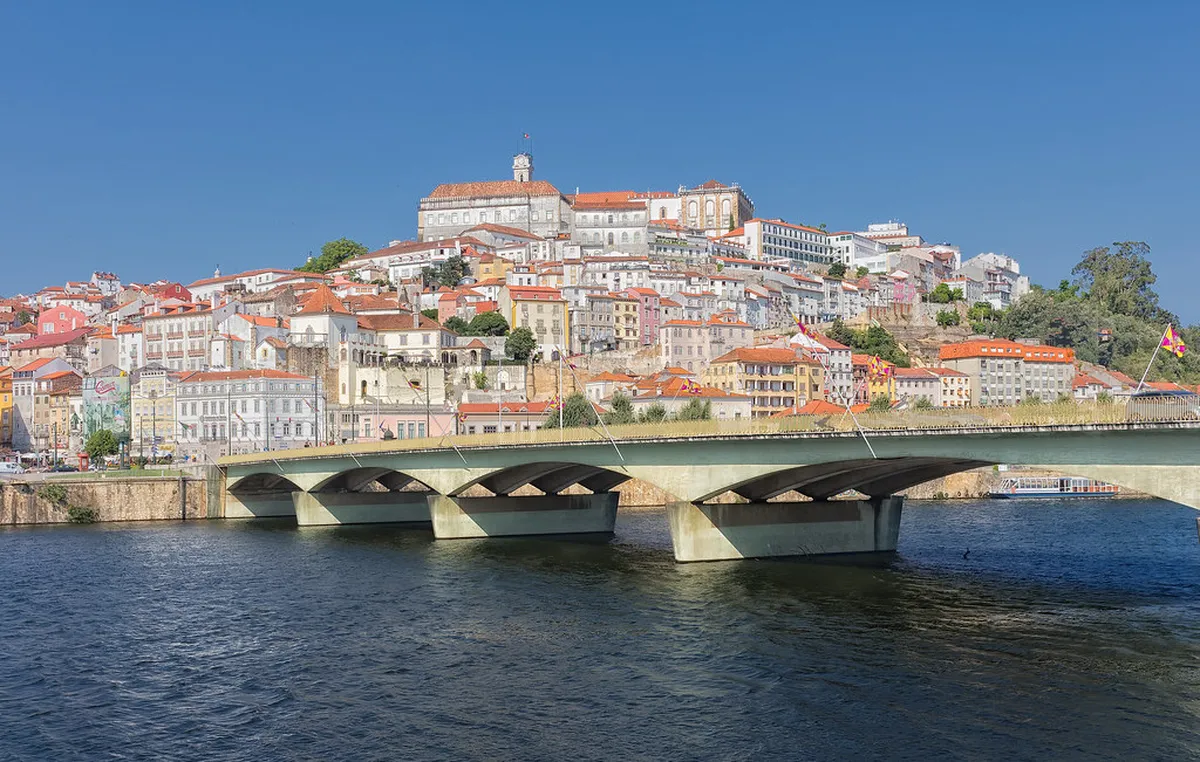
The region later fell under Visigothic rule. They established a bishopric in the area. Moorish invaders conquered Coimbra in the 8th century. They called the city "Kulūmriyya."
Moorish influence shaped the city for centuries. They introduced new agricultural techniques. This period also saw significant architectural developments. Coimbra became a thriving cultural center.
Christian forces eventually reconquered Coimbra. This happened during the Reconquista. The city was key in the formation of Portugal. Its strategic location on the Mondego River was vital.
Portugal's Medieval Royal Capital: Coimbra
Coimbra held great significance in early Portuguese history. It served as the capital of Portugal. This lasted for over a century. From 1139 to 1255, it was the royal seat.
Afonso Henriques, Portugal's first king, was born here. He chose Coimbra as his kingdom's capital. Many important decisions were made within its walls. The city became a center of power.
The Royal Palace stood prominently in Coimbra. It housed the early monarchs. This palace later became part of the university. You can still visit its historic grounds today.
This period saw the construction of major landmarks. The Old Cathedral (Sé Velha) dates from this era. It stands as a testament to medieval grandeur. Explore more about Sé Velha Coimbra history on your trip.
The World-Renowned University of Coimbra
The University of Coimbra is one of Europe's oldest. It was founded in 1290 in Lisbon. King Dinis established this prestigious institution. It moved to Coimbra permanently in 1537.
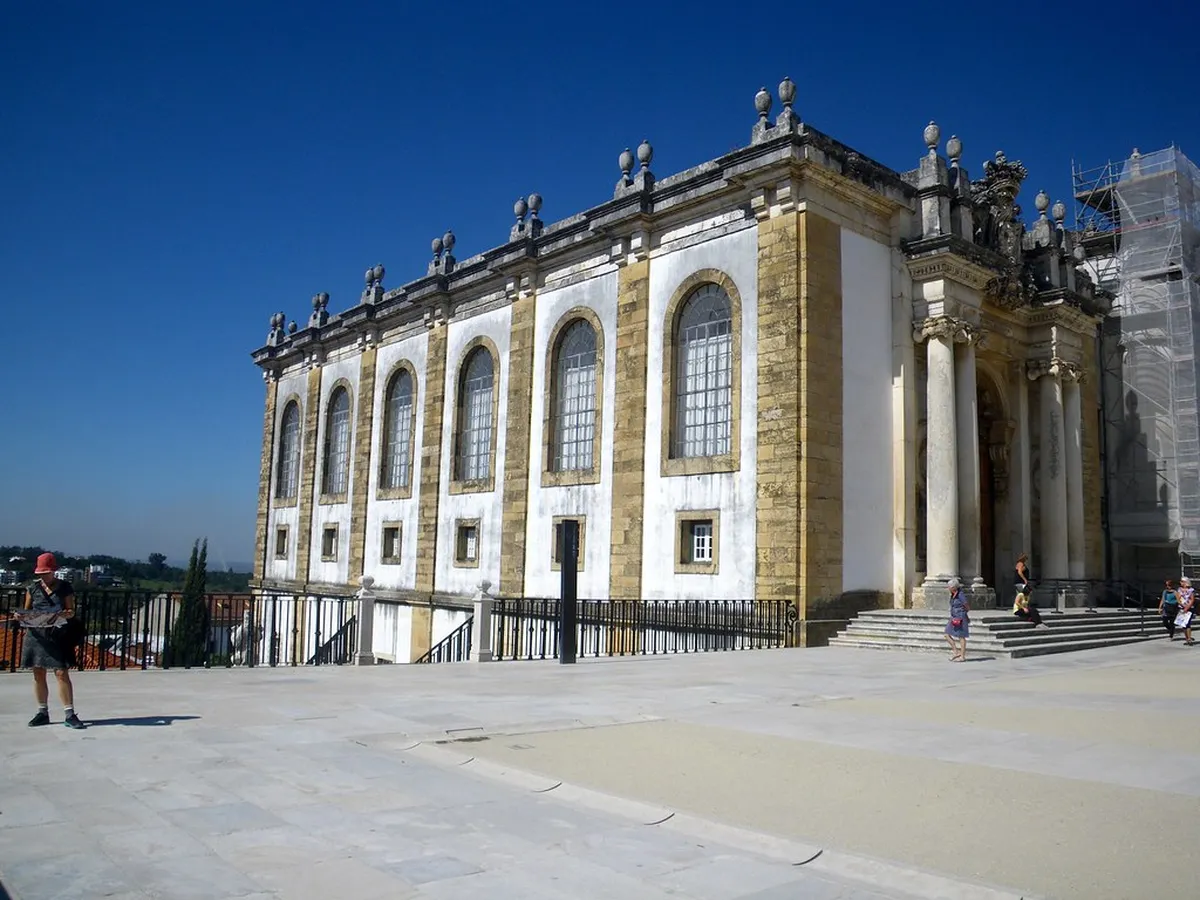
This move transformed Coimbra into a university town. Students flocked from across the globe. The university's presence shaped the city's identity. Its traditions are deeply ingrained.
The university's main campus sits on Alta (High Coimbra). It is a UNESCO World Heritage site. Visitors can explore its stunning Baroque library. The Joanina Library is truly magnificent.
Student life brings unique traditions. Fado de Coimbra is a specific musical style. Students wear traditional black capes. These customs are integral to the city's charm. Discover the University Hill history during your visit.
The University of Coimbra's main campus — a UNESCO World Heritage site since 2013 — was founded in 1290 and permanently relocated to Coimbra in 1537. Entry to the Joanina Library is included in the general university ticket and is well worth booking in advance, as visitor numbers are tightly controlled.
Iconic Historical Sites and Landmarks
Coimbra is home to many unforgettable historical sites. The Old Cathedral (Sé Velha) is a must-see. This Romanesque fortress-church dates from the 12th century. Its robust architecture is very striking.
Another significant site is the Monastery of Santa Cruz. It houses the tombs of two Portuguese kings. Afonso Henriques and Sancho I rest here. The monastery boasts stunning Manueline architecture.
Wander through the Coimbra Old Town to find hidden gems. The city's narrow medieval streets are captivating. They lead to charming squares and historic buildings. Each corner reveals a piece of the past.
Don't miss the New Cathedral (Sé Nova). It was originally a Jesuit church. This cathedral showcases impressive Baroque design. Compare its style to the older Sé Velha for a fascinating contrast.
Coimbra's Enduring Cultural and Literary Legacy
Coimbra holds a significant place in Portuguese culture. It has inspired countless writers and artists. The city's academic environment fostered creativity. Many prominent figures studied here.
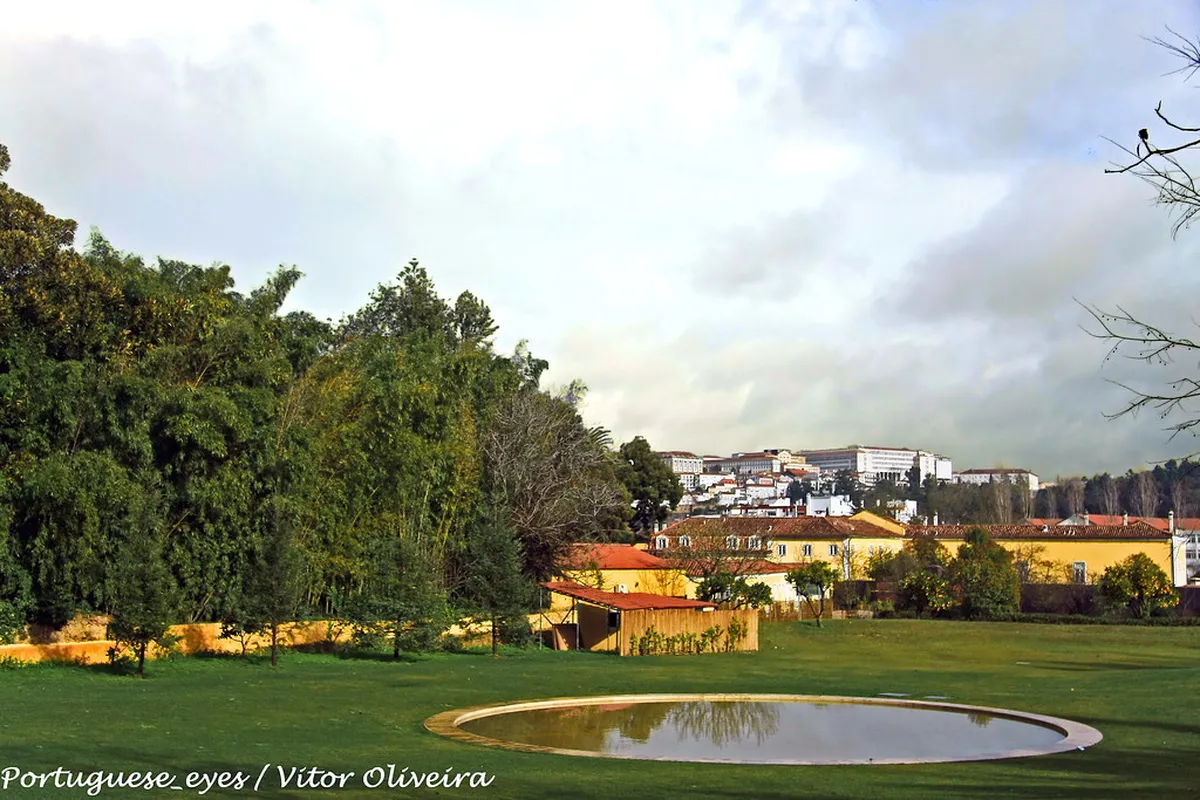
The tragic love story of Pedro and Inês de Castro occurred here. This medieval tale is central to Portuguese folklore. Their story adds a romantic, yet somber, layer to Coimbra's past. Visit the Quinta das Lágrimas, linked to their tale.
Fado de Coimbra is distinct from Lisbon's Fado. It is traditionally sung by male students. The songs often focus on academic life and love. You can experience this unique music live in 2026.
The city's historical depth is truly profound. From Roman times to its university traditions, Coimbra captivates visitors. Prepare to be enchanted by its rich past. Learn more fascinating historical facts about Coimbra. Consider a guided walking tour to maximize your experience.
The tragic story of Inês de Castro is commemorated at Quinta das Lágrimas, but the garden is on private estate grounds — check opening hours and entry fees before visiting, as access is not always guaranteed year-round.
Frequently Asked Questions
What is Coimbra famous for historically?
Coimbra is most famous for its ancient university. The University of Coimbra is one of the oldest globally. It also served as Portugal's first capital. The city's rich medieval history is truly notable.
Was Coimbra the capital of Portugal?
Yes, Coimbra was indeed Portugal's capital city. It held this status from 1139 to 1255. Portugal's first king, Afonso Henriques, chose it. This period shaped much of its historical identity.
What Roman history can I find in Coimbra?
Coimbra has significant Roman roots. It was a Roman town called Aeminium. You can find archaeological remains throughout the city. The Cryptoporticus of Coimbra is an impressive example. These ancient structures offer a glimpse into its past.
Which kings are buried in Coimbra?
Two early Portuguese kings are buried in Coimbra. Afonso Henriques and Sancho I rest at the Monastery of Santa Cruz. Their tombs are important national treasures. Visiting the monastery is highly recommended. You can explore Santa Cruz Monastery Coimbra for more details.
Coimbra stands as a living museum of Portugal's past. Its Roman foundations, royal legacy, and academic prowess are captivating. Exploring its historical facts offers a unique journey. Plan your 2026 trip to Coimbra. Immerse yourself in this city's incredible story today.
Key Takeaways
- Coimbra was Portugal's capital from 1139 to 1255.
- The University of Coimbra is one of Europe's oldest institutions.
- Discover Roman ruins and Moorish influences throughout the city.
- Visit the Sé Velha and Santa Cruz Monastery for medieval history.
- Experience unique Coimbra Fado traditions from students.
Continue exploring Coimbra's historic quarter
 Fascinating Coimbra Historical Facts for 2026 VisitorsDecember 13, 2025
 Coimbra's Key Historical Events: A Journey Through TimeDecember 13, 2025
- Uncovering Coimbra Historical Facts for Your 2026 VisitDecember 12, 2025
 Coimbra Portugal: An Ancient History Timeline Guide 2026December 11, 2025
 Aveiro Day Trip from Coimbra: 2026 GuideJune 6, 2026