
Coimbra's Key Historical Events: A Journey Through Time

Table of Contents
Coimbra, Portugal, boasts a rich and layered past. Its history spans millennia, shaping the city we see today. Exploring Coimbra's key historical events reveals its deep cultural importance. This ancient city offers fascinating stories at every turn.
From Roman settlements to royal reigns, Coimbra has witnessed much. Understanding these pivotal moments enhances any visit. Prepare to journey through centuries of captivating history. Learn about this resilient and vibrant Portuguese gem.
Ancient Roots: Roman Aeminium to Visigothic Rule
Coimbra's story begins with the Romans. They established Aeminium in the 1st century AD. This thriving settlement grew on the Mondego River. Roman infrastructure laid the foundation for future development.
After Roman decline, Visigoths took control. They renamed the area Conímbriga, nearby. Later, the settlement moved to the current city's location. This era set the stage for Coimbra's emergence.
Archaeological finds still reveal this early history. Remnants of Roman roads and structures exist. These artifacts provide clues to ancient life. They connect modern Coimbra to its distant past.
Moorish Conquest and the Christian Reconquest
The Moors conquered Coimbra in the 8th century. They brought new culture and architecture. The city prospered under Islamic rule. It became a significant trading center in the region.
Christian forces eventually reclaimed Coimbra. This happened in 1064, a pivotal moment. Ferdinand I of León and Castile led the reconquest. The city then played a crucial role in Christian expansion.
Coimbra's strategic location made it important. It served as a frontier city for centuries. This era of conflict shaped its defenses. Strong walls protected its inhabitants and heritage.
Portugal's First Capital: A Royal Legacy
Coimbra became Portugal's first capital city. This occurred in the 12th century, a time of formation. Kings like Afonso Henriques resided here. He was Portugal's first king, born in Coimbra.
The city served as the royal seat for over a century. Many significant political decisions were made here. Royal events and ceremonies filled its streets. This period established Coimbra's royal prominence.
The old Cathedral, Sé Velha, exemplifies this era. Its Romanesque architecture reflects royal power. You can explore these historic Coimbra neighborhoods today. They echo with centuries of regal history.
The Esteemed University of Coimbra: A Global Hub
The University of Coimbra arrived in 1537. King John III moved it permanently from Lisbon. This marked a profound shift for the city. It transformed Coimbra into a center of learning.
The university quickly gained international renown. Scholars from across Europe flocked to its halls. Its influence shaped Portuguese culture and education. The institution became a beacon of knowledge.
Today, the University of Coimbra is a UNESCO site. Its iconic library, the Biblioteca Joanina, is stunning. The university continues its legacy in 2026. It remains a vibrant part of Coimbra's identity.
The University of Coimbra's Biblioteca Joanina is one of Europe's most ornate 18th-century libraries. Entry requires a timed ticket — book in advance online to avoid long queues, especially in summer.
Religious and Architectural Flourishing
Coimbra saw a boom in religious foundations. Monasteries and convents proliferated over centuries. Santa Cruz Monastery holds immense historical weight. It houses the tombs of Portugal's first two kings.
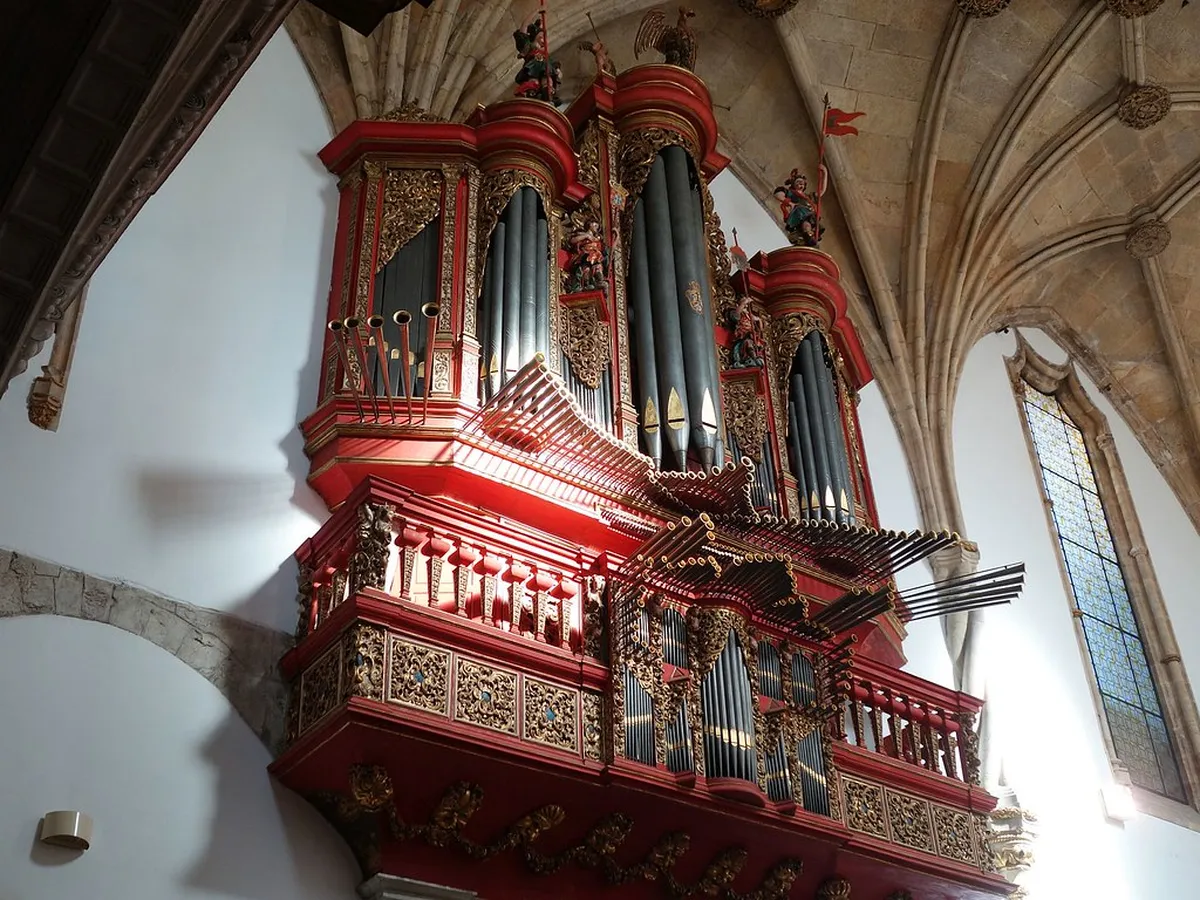
The city's architecture reflects these religious influences. Churches and chapels dot the landscape. They showcase diverse styles, from Romanesque to Baroque. These buildings tell stories of faith and art.
The Se Nova, or New Cathedral, represents a later era. It replaced the older Sé Velha in importance. Visitors can admire its grand Jesuit design. These structures are integral to Coimbra's top attractions.
Santa Cruz Monastery is still an active religious site. Dress modestly (covered shoulders and knees) before entering — visitors who do not meet the dress code may be turned away at the door.
| Era | Period | Key Event | Lasting Legacy |
|---|---|---|---|
| Roman | 1st century AD | Establishment of Aeminium on the Mondego River | Roman roads and archaeological remains still visible |
| Visigothic | 5th–8th century | Visigoths rename the region; settlement shifts to current city site | Foundation of the urban layout |
| Moorish | 714–1064 | Moorish conquest; Coimbra becomes a trading centre | Cultural exchange, architectural influence |
| Christian Reconquest | 1064 | Ferdinand I of León and Castile reclaims the city | Coimbra becomes a Christian frontier stronghold |
| Portugal's Capital | 1139–1255 | Afonso Henriques makes Coimbra the royal seat | Sé Velha cathedral; tombs of early kings at Santa Cruz |
| University Era | 1537–present | King John III permanently relocates the university from Lisbon | UNESCO World Heritage site; Biblioteca Joanina |
Frequently Asked Questions
What are the most significant historical periods in Coimbra?
Coimbra's history features several key periods. Roman rule established its initial settlement. The Moorish era brought cultural exchange. Its time as Portugal's capital was formative. The establishment of the University of Coimbra forever changed its trajectory.
When did Coimbra become Portugal's capital city?
Coimbra served as Portugal's capital from 1139 to 1255. This period lasted over a century. King Afonso Henriques made it the royal seat. It held significant political power during this time.
Is the University of Coimbra historically important?
Yes, the University of Coimbra is highly significant. It is one of Europe's oldest universities. It shaped Portuguese intellectual life for centuries. Today, it is a recognized UNESCO World Heritage site.
Coimbra's key historical events paint a vivid picture. From ancient settlements to a university city, its journey is unique. Every street and building tells a story. We hope this guide helps you appreciate its deep heritage.
Plan your trip to Coimbra in 2026. Discover these captivating historical facts firsthand. Immerse yourself in the city's incredible past. Coimbra awaits your exploration and wonder.
Key Takeaways
- Coimbra was Portugal's first capital city in the 12th century.
- The University of Coimbra, established in 1537, is a UNESCO World Heritage site.
- Explore the Sé Velha and Santa Cruz Monastery to connect with medieval history.
Related reads: historicquarters.com.
Continue exploring Coimbra's historic quarter
 Fascinating Coimbra Historical Facts for 2026 VisitorsDecember 13, 2025
- Coimbra's Key Historical Events: A Journey Through TimeDecember 13, 2025
 Uncovering Coimbra Historical Facts for Your 2026 VisitDecember 12, 2025
 Coimbra Portugal: An Ancient History Timeline Guide 2026December 11, 2025
 Aveiro Day Trip from Coimbra: 2026 GuideJune 6, 2026