
Coimbra Portugal: An Ancient History Timeline Guide 2026
Table of Contents
Coimbra, Portugal, offers a deep dive into ancient history. This vibrant city holds tales from millennia past. Exploring Coimbra Portugal ancient history timeline reveals its Roman origins. It showcases Moorish influences and medieval grandeur. Prepare to journey through time in 2026.
This guide uncovers key historical facts. You will learn about its transformation over centuries. Discover the city's enduring legacy. Let's explore the foundations of this remarkable Portuguese treasure.
Roman Roots: Aeminium's Legacy in Coimbra
Coimbra's story begins with the Romans. They founded Aeminium around the 1st century AD. This Roman settlement thrived along the Mondego River. It became an important administrative center.
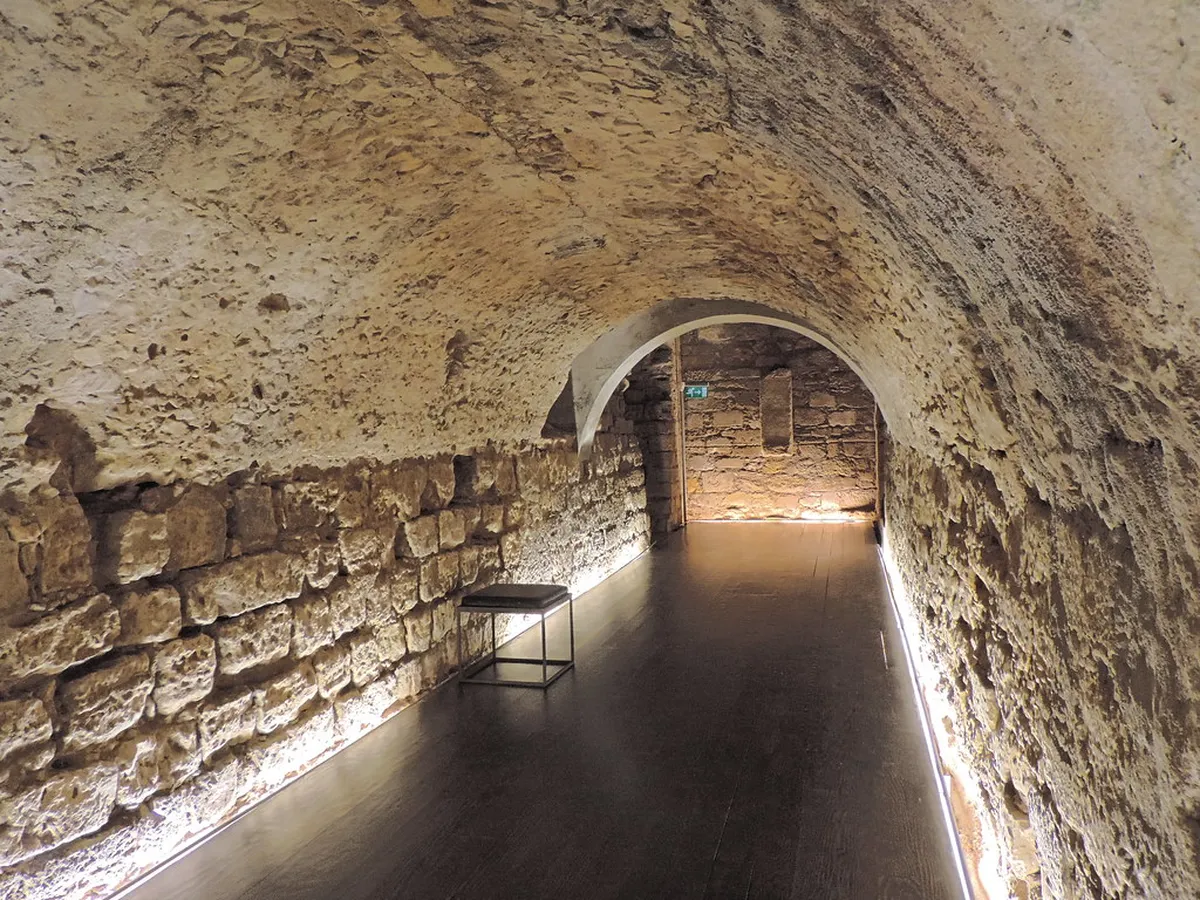
Archaeological evidence confirms its Roman past. You can find traces near the city's historical center. The cryptoporticus of the Roman Forum is a must-see. It lies beneath the Machado de Castro National Museum. Visiting costs around €6-€8 per adult in 2026.
Aeminium was strategically important. It connected major Roman roads. Roman villas and infrastructure dotted the landscape. This era established Coimbra's first urban layout.
The Roman presence shaped the region significantly. Their engineering skills were impressive. They left a lasting cultural imprint. This foundation set the stage for future developments.
Moorish Rule and Reconquista: Coimbra's Shifting Tides
The Roman Empire's decline brought new rulers. Visigoths took control in the 5th century. They renamed Aeminium to Colimbria. The city endured periods of change.
In the 8th century, Moorish forces arrived. They captured Colimbria in 711 AD. The city flourished under Islamic rule. It became a significant cultural and commercial hub.
Moorish Coimbra was a center of learning. Its markets buzzed with activity. Many architectural styles reflect this period. Some city structures show Moorish design elements.
The Christian Reconquista reclaimed Coimbra in 1064. Ferdinand I of León conquered the city. This marked a pivotal moment. Coimbra became an important Christian stronghold.
Medieval Majesty: Portugal's Early Capital
After the Reconquista, Coimbra gained prominence. It became the capital of the County of Portugal. This role was crucial for early Portuguese identity. The city grew in power and influence.
Afonso Henriques was born in Coimbra. He became Portugal's first king. Coimbra served as the capital until 1255. Lisbon then took its place.
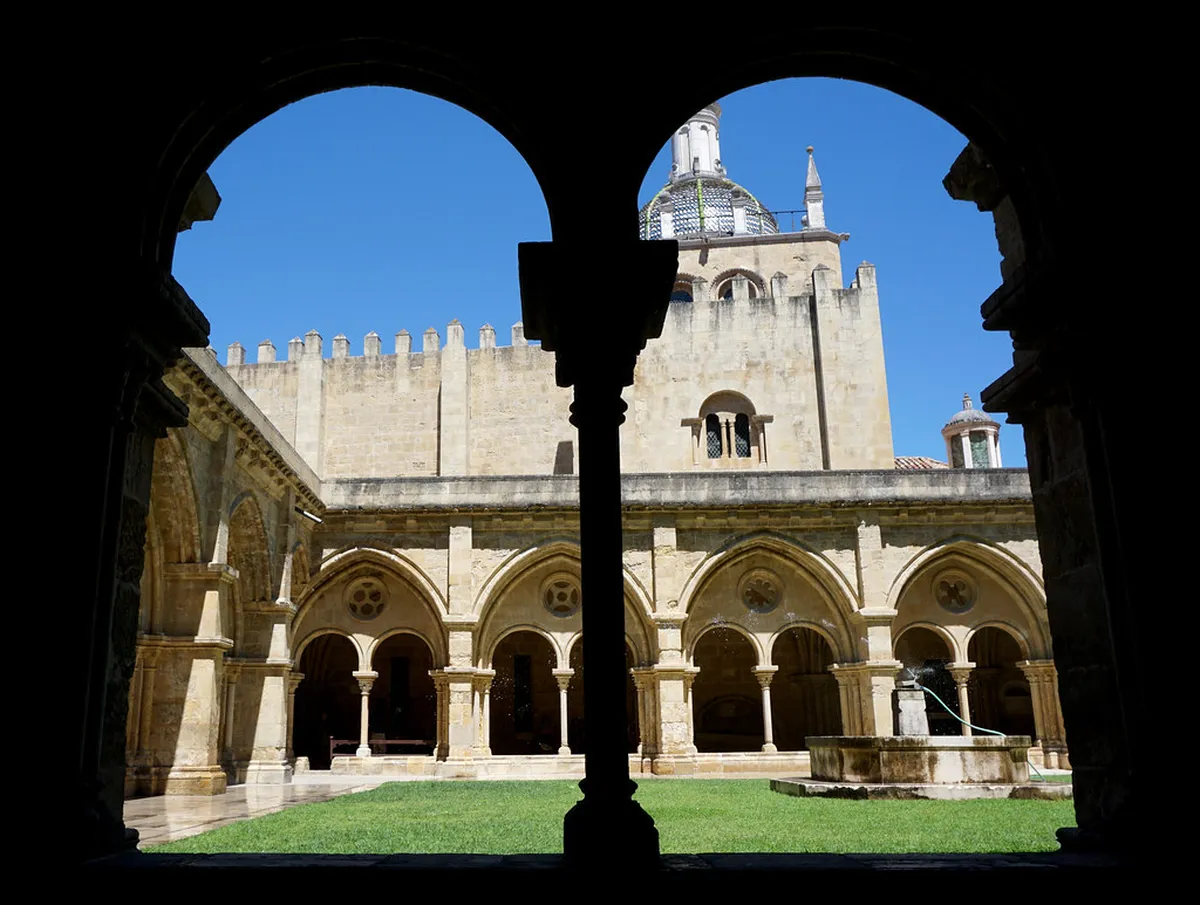
The medieval period saw great construction. The Old Cathedral of Coimbra (Sé Velha) stands today. It dates back to the 12th century. Its Romanesque architecture is truly stunning. Explore the rich history of Sé Velha, a true medieval marvel.
Walking Coimbra's medieval streets is enchanting. You can imagine life from centuries ago. Many narrow alleys and ancient buildings remain. This area offers a unique historical ambiance. Visiting these sites costs around €2.50 for the Sé Velha in 2026.
The Rise of Academia: Coimbra's University Era
Coimbra's greatest legacy emerged in the Middle Ages. The University of Coimbra was founded in 1290. It began in Lisbon but moved to Coimbra permanently in 1537. This institution transformed the city.
The university became a center of excellence. It attracted scholars from across Europe. Its influence reshaped the city's character. Coimbra became known as 'the city of students'.
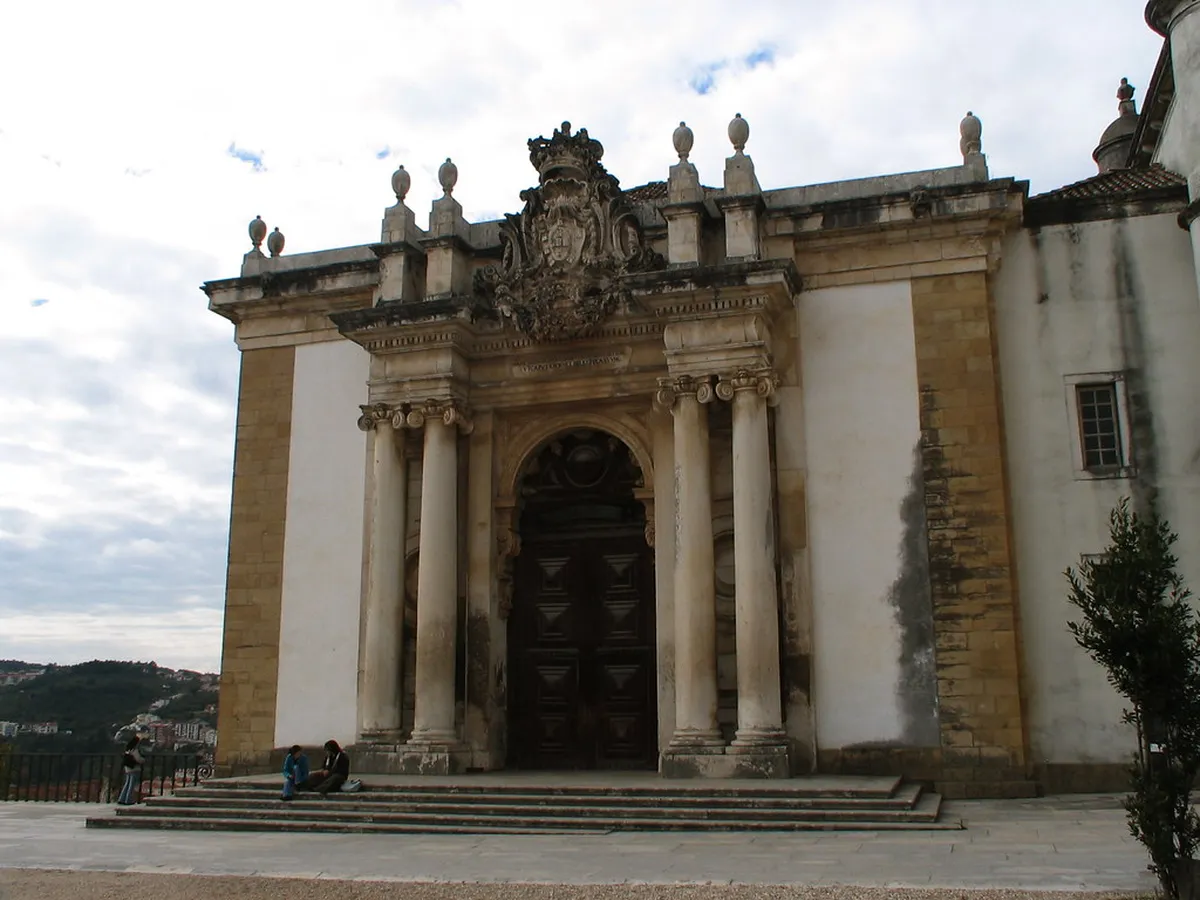
The university's historical buildings are magnificent. The Joanina Library is a Baroque masterpiece. Its opulent design is breathtaking. Admission typically costs €12.50-€15.00 in 2026. Booking tickets in advance is highly recommended.
The Joanina Library has strictly limited daily entry slots. Book your tickets online well in advance — same-day walk-up availability is rare, especially during summer months and academic events.
Many traditions stem from this academic past. Students wear black capes (capa e batina). This long-standing custom persists today. The university's history is deeply woven into Coimbra's fabric.
Exploring Ancient Coimbra Today: Sites and Stories
Visitors in 2026 can easily explore ancient Coimbra. Start at the Upper City (Alta). This area holds the university and Sé Velha. These sites offer profound historical insights.
Descend to the Lower City (Baixa) afterwards. This district was once the commercial hub. It still retains much of its historic charm. You can find remnants of ancient fortifications here.
Consider a guided walking tour. Local experts provide valuable context. They bring the city's past to life. Tours usually cost €15-€30 per person.
The Roman cryptoporticus beneath the Machado de Castro National Museum is only accessible as part of the full museum ticket (€6–€8). The underground galleries have low ceilings and uneven stone floors — not suitable for visitors with limited mobility.
| Historical Site | Era | Entry Cost (2026) | Advance Booking |
|---|---|---|---|
| Roman Cryptoporticus (Machado de Castro Museum) | 1st century AD | €6–€8 | Not required |
| Old Cathedral (Sé Velha) | 12th century | €2.50 | Not required |
| Joanina Library (University of Coimbra) | 18th century (Baroque) | €12.50–€15.00 | Strongly recommended |
| Guided Walking Tour | All eras | €15–€30 | Recommended |
Look for subtle historical details everywhere. Ancient stone walls tell silent stories. Coimbra's enduring spirit is palpable. Every corner offers a glimpse into its long past.
Frequently Asked Questions
What are Coimbra's oldest historical sites to visit?
Coimbra boasts several ancient historical sites. The Roman cryptoporticus beneath the Machado de Castro National Museum is oldest. The Old Cathedral (Sé Velha) dates to the 12th century. The Santa Cruz Monastery is also medieval. It houses Portugal's first two kings.
How did the Romans influence Coimbra's early development?
The Romans founded Aeminium, Coimbra's predecessor. They established its initial urban layout. Their infrastructure included roads and a forum. This laid the groundwork for future growth. Roman culture and governance deeply impacted the region.
When did Coimbra serve as Portugal's capital city?
Coimbra was Portugal's capital for a significant period. It held this status from 1139 to 1255. This was during the early days of the kingdom. It played a crucial role in nation-building.
What role did the University of Coimbra play in its history?
The University of Coimbra profoundly shaped the city. It moved to Coimbra permanently in 1537. This established Coimbra as a vital academic center. It influenced architecture, culture, and social life. You can learn more about the history of University Hill.
Coimbra, Portugal, offers an unparalleled historical journey. Its ancient timeline stretches from Roman Aeminium to medieval glory. Each era left indelible marks on the city. Visiting in 2026 connects you to centuries of stories.
Explore its Roman ruins and medieval cathedrals. Wander through Moorish-influenced streets. Coimbra's past is a living presence. Plan your trip to discover its profound history today.
Key Takeaways
- Coimbra's history dates back to Roman Aeminium (1st century AD).
- The city was Portugal's capital from 1139 to 1255 AD.
- The University of Coimbra, established in 1290, significantly shaped its identity.
- Visit the Roman cryptoporticus and Sé Velha for ancient insights.
Continue exploring Coimbra's historic quarter
 Fascinating Coimbra Historical Facts for 2026 VisitorsDecember 13, 2025
 Coimbra's Key Historical Events: A Journey Through TimeDecember 13, 2025
 Uncovering Coimbra Historical Facts for Your 2026 VisitDecember 12, 2025
- Coimbra Portugal: An Ancient History Timeline Guide 2026December 11, 2025
 Aveiro Day Trip from Coimbra: 2026 GuideJune 6, 2026