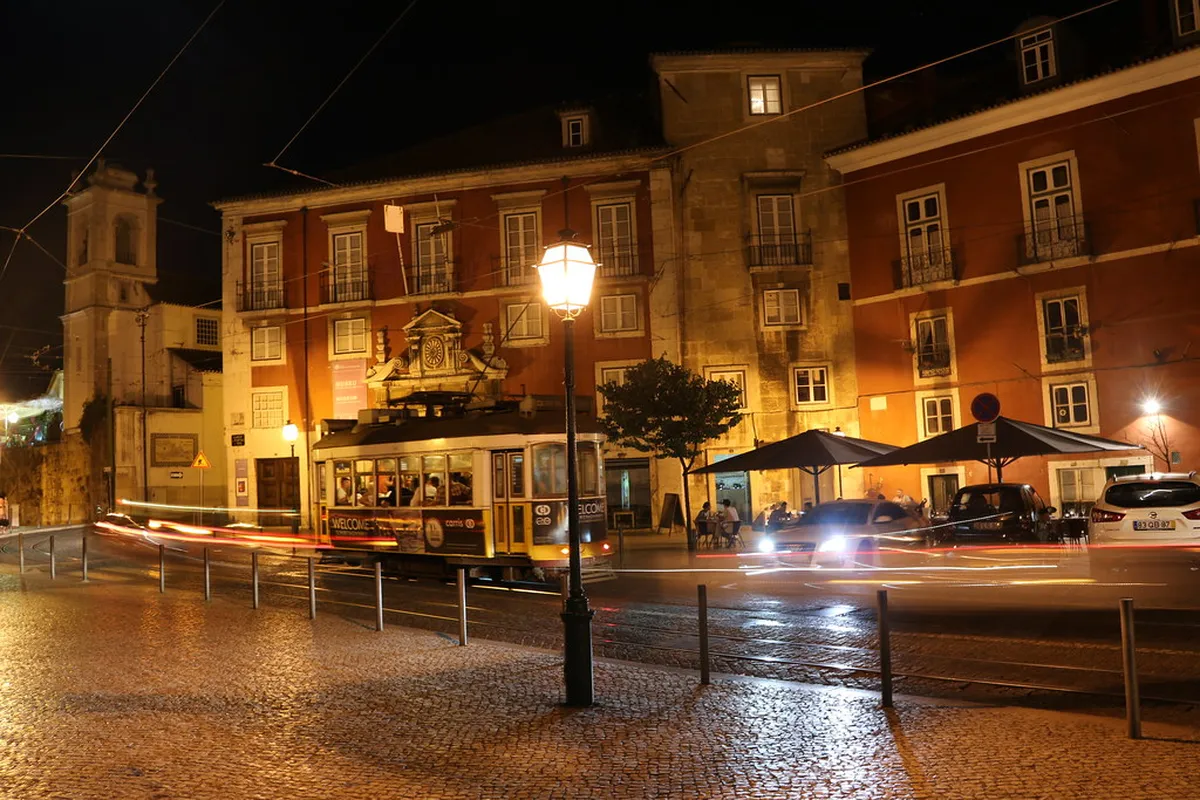
Riding the historic yellow tram is one of Lisbon's most iconic experiences, but the reality for families and visitors with mobility needs is more complicated than the postcards suggest. These 1930s Remodelado carriages were built for a different era and a different city, and their wooden steps, narrow aisles, and packed interiors create real challenges for anyone traveling with young children or limited mobility. Getting this right in 2026 means knowing what to expect before you board, not after.
This guide is written without the usual tourist-brochure gloss. The E28 line connects Martim Moniz to Prazeres via Alfama, Baixa, and Estrela — neighborhoods where the hills are steep and the cobblestones are uneven. Whether you are planning to ride with a toddler, manage a stroller, or assess whether the route is even viable for a wheelchair user, the information below will help you make the right decision for your family's specific needs.
The Reality of Tram 28: Kids and Accessibility Overview
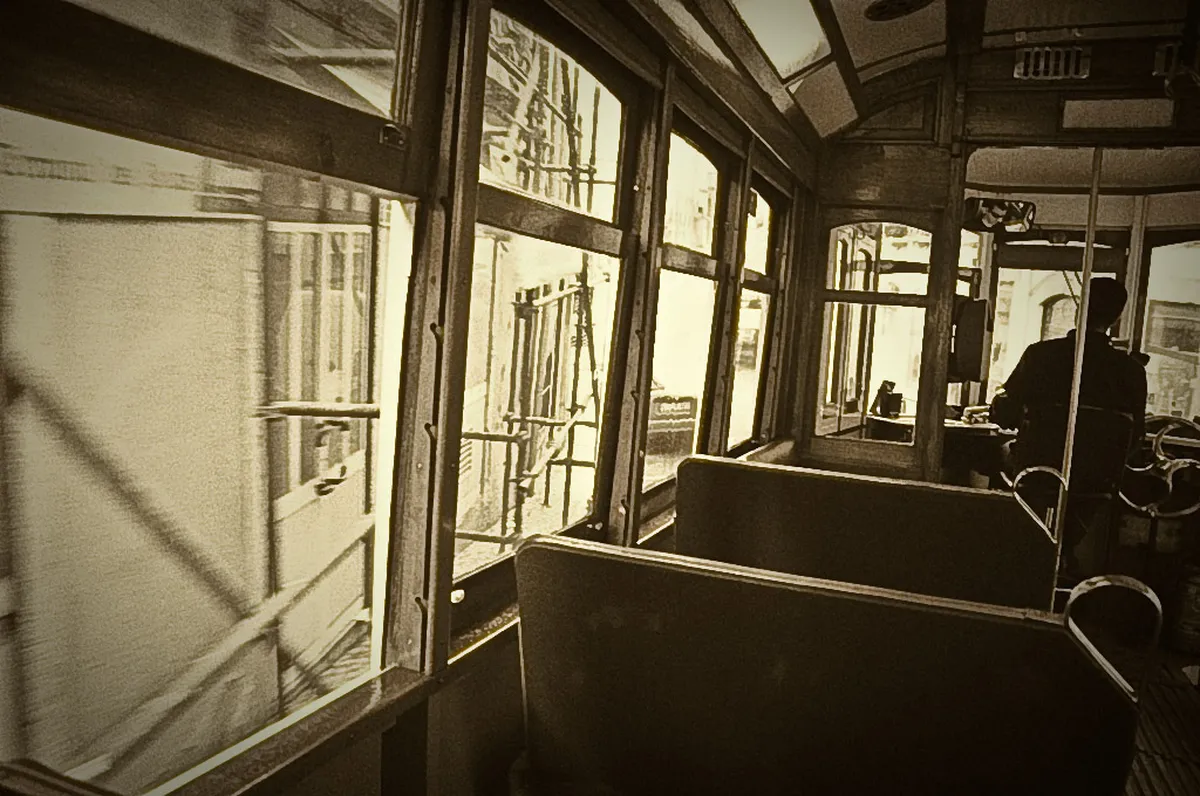
The Remodelado trams running on the E28 line date to early twentieth-century design standards, and Carris has preserved them deliberately. Their original polished wood interiors, brass fittings, and narrow central gangways are part of the appeal — but also part of the problem. Entry requires stepping up onto a high running board from street level, then climbing a second step into the cabin. There are no handrails positioned at the right height for small children or adults with limited grip strength.
Interior space is the other constraint. The central aisle is roughly 45–50 cm wide, which rules out any pushchair or wheelchair that is not folded flat. Rows of wooden bench seats run along both sides with a walkway between them. When the tram is full — which it nearly always is between 09:00 and 19:00 — passengers stand in that aisle, and movement through the carriage becomes impossible. A family with young children boarding mid-route during peak hours will often find no seats available and no space to stand safely.
On the historic Tram 28 Lisbon route, expect frequent sharp jolts as the tram navigates the uneven tracks and tight corners through Alfama. The ride is genuinely bumpy — a feature, not a flaw, from the tourist's perspective, but a genuine concern for parents holding toddlers or for anyone with back or balance issues. The tram also lacks air conditioning, which makes summer midday rides uncomfortable for adults and actively unpleasant for small children.
The honest summary: Tram 28 is feasible for families with older children who can hold on and walk independently. For toddlers, a carefully timed early-morning ride is possible with the right preparation. For wheelchair users, the tram is not an option — but accessible alternatives exist and in some cases offer a better experience anyway.
Navigating Tram 28 with Strollers and Young Children
The rule is simple and non-negotiable: no open strollers on Tram 28. Drivers will not allow any pushchair that has not been fully folded before boarding. The central gangway must stay clear for passenger movement and emergency exit, so even a compact inline stroller becomes a hazard if left open. This is enforced at the door — you will be waved off if you approach with an unfolded buggy.

The practical implication is that only an umbrella-style stroller small enough to fold in under five seconds is worth bringing on board. A baby carrier is a better choice in most cases: it keeps the child secure on sharp turns, leaves your hands free for grabbing the wooden overhead straps, and eliminates the boarding rush entirely. Many families visiting Alfama use carriers specifically for the tram and then unfold their pushchair once off for the flatter sections near Baixa.
For boarding with a young child, terminal stations are the only sensible entry points. Martim Moniz (the eastern terminal) and Campo de Ourique/Prazeres (the western terminal) are where the tram starts its run, meaning you board an empty carriage and can choose your seat. Review the full stop list in the where to board Tram 28 Lisbon guide for platform details at each end. At mid-route stops like Alfama or Graça, you are boarding a tram that is often already at capacity.
Once seated, place children near the window on the side away from the doors. Keep them seated throughout the ride — standing on the benches is dangerous on the inclines, and the jolts through Alfama are sharp enough to knock a standing child off balance. Seats at the very front or rear of the carriage tend to have slightly more stability than those in the middle. Snacks and a distraction help on the longer uphill stretches, which can feel slow and claustrophobic in a full tram.
Age matters here. Children under three rarely enjoy the experience: the noise is loud, the movement is unpredictable, and the crowds are overwhelming. Children from around five upward typically love it. Between three and five is genuinely variable — some are thrilled, some are not, and there is no way to exit mid-journey at a convenient point if it goes wrong.
A baby carrier is the easiest way to travel on Tram 28 with a young child. It keeps the child secure on sharp turns, leaves your hands free for the overhead straps, and eliminates the stroller-folding rush at the door entirely.
Wheelchair Accessibility: What You Need to Know Before Boarding
Tram 28 is not wheelchair accessible and has no plan to become so. The historic Remodelado fleet is protected as cultural heritage, which means no structural modifications for ramps or lifts. The entry step height is approximately 30 cm from street level to running board, and the internal aisle width of 45–50 cm is narrower than any standard manual or power wheelchair. Even a folding companion chair requires being physically lifted on board, and the interior provides no space to position it safely once inside.
The cobblestone streets surrounding the most famous E28 stops compound the difficulty. Alfama — the neighborhood most tourists want to see — has steep grades and polished limestone paving that is slippery when wet and deeply uneven throughout. The streets around the Sé Cathedral stop and São Jorge Castle approach are among the most inaccessible in the city for wheeled mobility. For detailed first-hand guidance on Lisbon's accessibility landscape, the Lisbon Wheelchair Access Guide from Wheelchair Travel remains the most comprehensive independently verified resource available in 2026.
The better strategy for wheelchair users who want to see the E28 corridor is a combination of Uber and selective stops. Uber is widely available in Lisbon, drivers are generally helpful with folding chairs, and the cost is low. Booking a private tuk-tuk with an accessible transfer setup allows you to cover the Alfama and Estrela sections from the street level, where the views of the yellow trams passing are actually more photogenic than the view from inside them. The Belém neighborhood — accessible via the modern Tram 15E — offers more monuments and more space than Alfama and is significantly easier to navigate by wheelchair.
One specific accessibility distinction that most guides miss: the western end of the E28 line, around Estrela and Campo de Ourique, is noticeably flatter and less cobblestoned than Alfama. If a wheelchair user wants to experience the atmosphere of the tram neighborhood on foot or by chair, the streets around Estrela Basilica and Jardim da Estrela are far more manageable than anything in the Alfama section. The tram itself remains inaccessible regardless of which end you are at, but the surrounding area at the Estrela stop provides a much more pleasant accessible street environment.
Tram 28 is not wheelchair accessible and has no plan to become so. The historic Remodelado fleet is protected as cultural heritage, meaning no ramps or lifts will be added. The entry step is approximately 30 cm high, and the internal aisle (45–50 cm) is narrower than any standard manual or power wheelchair.
Best Times to Ride to Avoid the Crowds
The single most effective tactic for families is an early start. Before 08:30, Tram 28 is a local commuter service. The passengers are Lisbon residents heading to work, the carriages have empty seats, and the atmosphere is completely different from the midday tourist rush. After 09:00, the dynamic shifts rapidly — by 10:00 the tram is typically at standing capacity, and by 11:00 it is not uncommon to see families unable to board because there is simply no room.

The specific window that makes the most difference is 07:00–08:30 from the Graça or Martim Moniz end. Boarding at Graça at 07:15 puts you on a tram with commuters, not tourists. You will find the best time to ride Tram 28 Lisbon covered in detail in a dedicated guide, but the operational reality is that this window is narrower than most articles suggest — by 08:45, the crowds have already arrived at the popular eastern stops. Set your alarm accordingly.
The early morning light also falls differently on the city at this hour. The tiles on the facades along the Alfama section catch the low angle, and the laundry lines and narrow streets are quieter. Photography is better, the driver has time to acknowledge passengers, and children pick up on the calmer energy. It is not the same city as the one you experience at noon.
Late evenings provide a second viable window for families with older children. After 20:00, most tourists have moved to dinner, and the tram runs with far fewer passengers. The light is warm and low, the city feels different, and there is usually room to sit. Check the official Carris schedule before committing to an evening ride to confirm the last departure from each terminal — the final westbound service typically leaves Martim Moniz by 22:00. Missing the last tram in Alfama at night is not a crisis, but it is inconvenient with children in tow.
The absolute worst times to ride with children are Saturday and Sunday between 10:00 and 18:00 during the spring and summer months. Weekend tourists plus families means maximum loads, maximum wait times at stops, and maximum heat inside the unventilated carriages. If the only time your schedule allows is a weekend midday, the alternatives described in the next section are a genuinely better experience.
Alternative Accessible Tram and Bus Routes in Lisbon
Tram 15E to Belém is the best accessible alternative for families and wheelchair users. These Articulado trams are modern, low-floor, and fitted with ramps and dedicated spaces for wheelchairs and open strollers. The route runs from Praça da Figueira through Cais do Sodré and out to Belém, passing the waterfront the entire way. Compared to Tram 28, the ride is smooth, air-conditioned, and spacious. The contrast is striking: boarding a 15E after watching Tram 28 pass feels like stepping between centuries.
Belém itself is arguably a better destination for families than Alfama in terms of walkability and space. The Jerónimos Monastery, the Monument to the Discoveries, and the Torre de Belém are all within a flat riverside walk of each other. The Pastéis de Belém pastry shop — serving custard tarts from the same recipe since 1841 — is around the corner. The full comparison of Tram 28 versus 15E and other options is covered in the Tram 28 vs other Lisbon trams guide, including route maps and journey times.
Tram 12 is an alternative that many families discover by accident and end up preferring to Tram 28. It runs a loop from Praça da Figueira through the lower parts of Alfama — the same yellow Remodelado carriages, the same narrow streets, but consistently half the passenger load of the E28. The route does not reach Estrela or Graça, so it covers less ground, but the atmosphere is similar with far less competition for seats. It is particularly useful if you want the Remodelado experience without the wait and the crush.
For hilly neighborhoods inaccessible by modern tram, bus route 737 serves the castle area with hydraulic kneeling entry. Bus 737 connects Praça da Figueira to Castelo, which means São Jorge Castle is reachable by accessible bus without any Alfama cobblestone navigation. The metro system adds another layer: most central stations now have elevators, though maintenance gaps mean checking the Carris app for current lift status before committing to a route that depends on them.
| Feature | Tram 28 (E28) | Tram 15E |
|---|---|---|
| Wheelchair access | None — inaccessible | Full ramp + dedicated space |
| Stroller (open) | Not permitted | Permitted |
| Air conditioning | No | Yes |
| Scenery | Alfama, Baixa, Estrela | Waterfront to Belém |
| Crowd level (peak) | Very high — standing only | Moderate |
| Kid-friendliness | Challenging under 5 | Easy for all ages |
Fares, Tickets, and Practical Boarding Tips
The ticket price gap between buying on board and using a Viva Viagem card is significant. A single journey purchased directly from the driver costs €3.10 in 2026. The same journey with a pre-loaded Viva Viagem card costs €1.65. The Viva Viagem card itself costs €0.50 and is available at any metro station or Carris ticket office. For a family of four making two tram trips, the card saves over €11 compared to paying the driver. The Carris 24-hour unlimited pass — which covers trams, buses, and the metro — is priced at €6.90 per adult and is worth it from the second journey onward.
Children's fares in 2026: children under four travel free on all Carris transport when accompanied by an adult. Children aged four to twelve pay a reduced fare on the Viva Viagem card. A Carris 24-hour pass is generally the most cost-efficient option for families with children over four who plan to use multiple lines. Check the Carris Official Site for the current fare schedule — prices are updated periodically, and 2026 prices may differ from 2026 figures you find on other sites.
The Tram 28 tickets guide covers the full range of pass options, but the practical advice for families is this: load the Viva Viagem card before you arrive at the tram stop. Buying on board slows boarding for everyone behind you, and drivers on a crowded morning run do not have patience for fumbling with change. Validate the card by tapping the yellow electronic reader immediately inside the door — inspectors do board, and travelling without a valid validated ticket results in a fine that is not worth the story.
Regarding Tram 28 pickpocket safety tips: the E28 is one of the most targeted routes in the city because it combines crowded standing conditions with distracted tourists managing children or luggage. The standard advice applies — bags in front, zips facing outward, phones in inside pockets — but the specific risk moment is boarding and alighting, when the crowd compresses and hands can move undetected. Keep children ahead of you when boarding so that you are at the rear of your group and facing the crowd behind you rather than turned away from it.
| Ticket option | Price (2026) | Notes |
|---|---|---|
| Single journey (bought from driver) | €3.10 | Most expensive per-trip option |
| Single journey (Viva Viagem card) | €1.65 | Pre-loaded card; validate at door |
| Viva Viagem card (one-off card cost) | €0.50 | Available at metro stations and Carris offices |
| Carris 24-hour unlimited pass | €6.90 per adult | Covers trams, buses, and metro; worth it from second journey |
| Children under four | Free | When accompanied by an adult |
Frequently Asked Questions
Can I bring a double stroller on Tram 28?
No, double strollers are too wide for the narrow aisles and cannot be accommodated on Tram 28. You must use a single, compact umbrella stroller that can be fully folded before you board the carriage. This rule ensures the central walkway remains clear for all passengers and the driver.
Do children need a ticket for the Lisbon tram?
Children under the age of four travel for free on all Carris transport when they are accompanied by an adult. For older children, you should purchase a Viva Viagem card and load it with a 24-hour pass. This provides the best value for families planning to use multiple transit lines in one day.
Is Tram 28 wheelchair accessible?
Tram 28 is not wheelchair accessible because it uses historic Remodelado carriages with high steps and narrow doors. There are no ramps or lifts available on this specific route. For an accessible experience, use the modern Tram 15E which features low-floor entry and dedicated mobility spaces.
What is the best stop to board with kids?
The best stops to board with kids are the terminals at Martim Moniz or Campo de Ourique. Starting at these points gives your family the highest chance of securing a seat before the tram fills up. Avoid boarding at mid-route stops like Baixa or Alfama where the carriages are usually already packed.
The core question for families and accessibility travelers is not whether Tram 28 is worth seeing — it is — but whether boarding it is the right decision for your group. For wheelchair users the answer is straightforwardly no, and the Tram 15E to Belém is the right alternative. For families with children under three, the crowds and noise are often not worth the experience, and Tram 12 offers the same vintage atmosphere with far less friction. For families with older children who can hold on and stay seated, an early-morning E28 ride from Martim Moniz remains one of the best urban transport experiences in Europe.
Plan around the 07:00–08:30 window, load your Viva Viagem card in advance, carry your bags in front, and start at a terminal. Those four adjustments resolve the majority of problems families encounter on this route. Lisbon rewards the prepared traveler, and the yellow tram is no exception.