
Mouraria is Lisbon's oldest surviving neighborhood and one of the most layered places in Portugal for understanding how a city changes across centuries.
Its history begins before the 1147 Christian conquest, runs through its role as a Moorish ghetto, passes through the birth of Fado music in the 19th century, survives the 1755 earthquake that destroyed much of the lower city, and arrives today as one of Lisbon's most genuinely multicultural districts.
This guide walks through each phase of that history with specific sites, practical advice, and the context you need to read the neighborhood on foot rather than just walking through it.
Mouraria Before 1147: The Islamic City
Lisbon entered Islamic rule in the early 8th century as part of the expanding al-Andalus, and the fortified hilltop settlement known as Lishbuna became a functioning city with a castle, markets, defensive walls, and a dense residential quarter spread across the slopes toward the Tagus.
Mouraria does not survive from that period as a preserved Islamic site, but its street pattern does. The tight lanes, abrupt stairways, sudden small squares, and buildings set at odd angles to each other still follow the medieval logic of slope, shade, defense, and neighborhood life. That irregular grain is the strongest legible trace of the pre-conquest city, and it contrasts sharply with the rational Pombaline grid rebuilt in Baixa after 1755.
The defensive walls from that era shaped the district's geography permanently. To understand what stood here, begin with the Moorish walls of Lisbon history before climbing toward the castle — the wall system defined which areas became Mouraria and which became the castle citadel above it.
Martim Moniz metro on the green line gives you the easiest lower entrance into Mouraria. From there the main lanes fan out uphill toward the castle — wear shoes with grip because the cobblestones are steep and uneven.
The 1147 Reconquest and the Moorish Ghetto
The decisive break in Mouraria's history came in 1147 when Afonso Henriques and crusader forces captured Lisbon after a prolonged siege. Surviving Muslim residents were compelled to live outside the main Christian-held walls, in the area north of the castle slope. That enforced relocation created the Moorish quarter — the Mouraria — and fixed the district's name in the city's memory for the next nine centuries.
This was not a tolerant multicultural arrangement in the modern sense. It was a segregated community shaped by Christian rule, legal restrictions on movement and occupation, and gradual conversion pressure. Muslim craftsmen, builders, and traders still mattered economically to the growing Christian city, but their position was controlled and subordinate.
The district's position explains one of the clearest patterns in Lisbon's oldest neighborhoods facts today. Alfama, Graça, and Mouraria all survived the 1755 earthquake on their hillside locations, but Mouraria carries the most direct memory of where the defeated Islamic community continued to live after the Reconquest. Its importance is social and historical as much as architectural.
Fado Birthplace: Maria Severa and the 19th Century
Mouraria's most culturally significant later chapter is its role in the birth of Fado. The music developed in the early 19th century among working-class taverns, lodging houses, sailors, and street life in Lisbon's poorer quarters, and the strongest single figure to emerge from Mouraria was Maria Severa Onofriana.
Maria Severa lived and performed in Mouraria before her death in 1846. She became the first widely celebrated Fado singer and her life entered legend because she connected street music with aristocratic attention, helping Fado move from a marginal neighborhood sound toward a recognized Portuguese art form. Around Rua do Capelão and Largo da Severa, the district still marks that memory with street art, plaques, and small performance venues.
Later singers extended the connection. Fernando Maurício became known as the King of Mouraria Fado, and the neighborhood's social world kept producing performers who brought genuine feeling to the music rather than polished stage productions. For the broader history of Fado across both Mouraria and Alfama, the Mouraria Fado history guide covers the competing origin stories and where to hear authentic performances today.
Not every doorway with audible guitar and singing in Mouraria is open to walk-in visitors. Some Fado gatherings happen in private association spaces or home settings — ask politely before entering, accept that a room may be private or full, and book a recognized small venue in advance if you specifically want a Fado evening.
Surviving the 1755 Earthquake
The 1755 earthquake, tsunami, and fires destroyed the lower commercial city almost completely. Mouraria survived more intact because it sits on the rockier hillside north of the castle rather than on the exposed sandy ground and riverfront zones that absorbed the worst damage. Its higher elevation and denser medieval layout helped preserve sections of the pre-modern urban fabric that disappeared everywhere below.
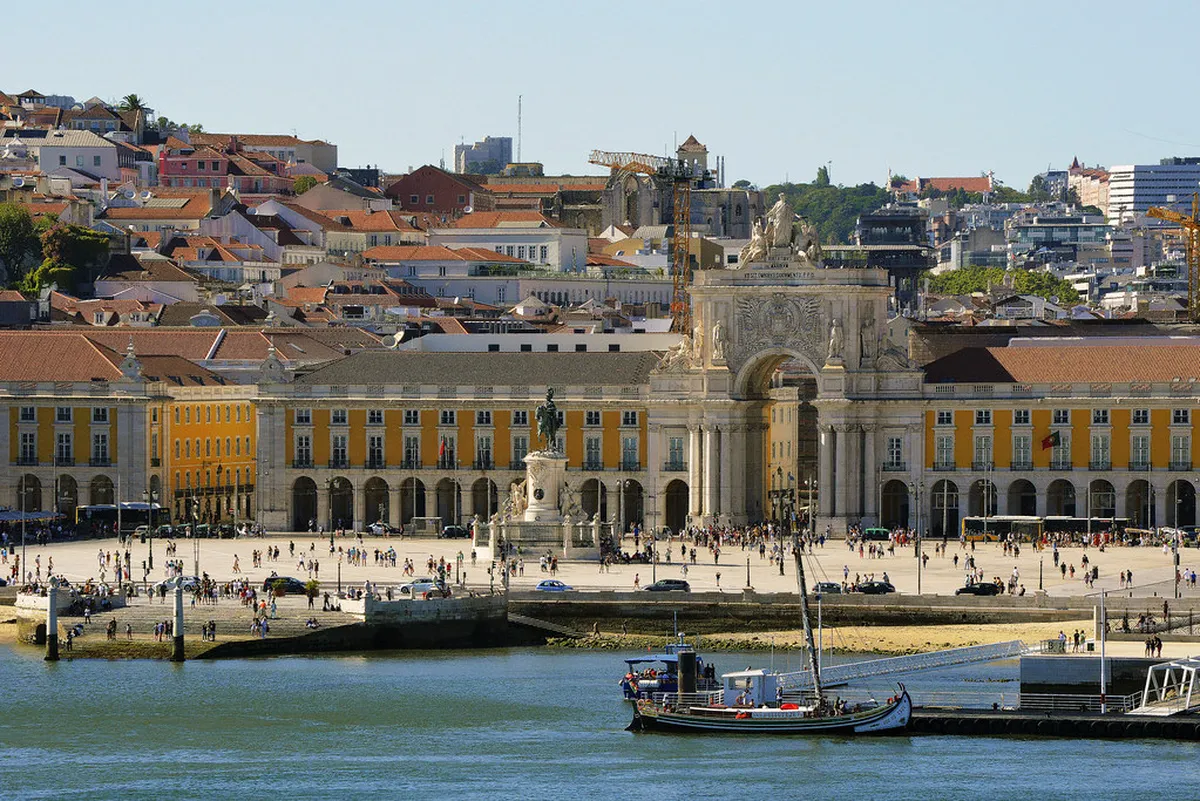
That survival explains the most useful contrast for understanding Lisbon's structure. Baixa was rebuilt from rubble with broad Pombaline streets, standardized building blocks, and a rational earthquake-conscious plan. Mouraria kept its stairs, bends, small courtyards, and older building lines because no wholesale demolition and reconstruction ever forced a new grid onto the hill. The two areas sit minutes apart but read like different cities from different centuries.
The Lisbon 1755 earthquake guide covers the geology and reconstruction decisions that produced this split. Standing in Mouraria's narrow lanes while looking down toward the Pombaline grid below is one of the clearest ways to understand what that earthquake meant for the city's shape.
Do not treat every irregular wall as untouched medieval fabric. Buildings in Mouraria have been repaired, divided, and reinforced many times across centuries. What survives is the street pattern and parcel logic — the tight plots, sloped routes, and abrupt changes in scale that predated the earthquake reconstruction and were never overridden by it.
| Era | Event | Impact on Mouraria |
|---|---|---|
| 8th century | Islamic conquest of Lisbon | District formed as part of the al-Andalus city of Lishbuna |
| 1147 | Christian Reconquest (Afonso Henriques) | Muslim residents confined to this quarter outside the new Christian walls |
| Early 19th century | Birth of Fado in working-class taverns | Maria Severa becomes first famous Fado singer; Mouraria named birthplace |
| 1755 | Lisbon earthquake, tsunami, and fires | Hillside location spares the district; pre-Pombaline street plan preserved |
| 2009 | Urban renewal programme | Squares renovated, safety improved, multicultural character formally embraced |
| 2026 | Present day | Residential neighborhood with communities from Bangladesh, India, Pakistan, Mozambique, and Cape Verde alongside Portuguese residents |
Modern Mouraria: Multicultural Renewal Since 2009
Modern Mouraria is no longer defined only by its Moorish past. Since the 2009 urban renewal programme, it has become one of Lisbon's most genuinely diverse districts, with communities connected to Bangladesh, India, Pakistan, China, Mozambique, Cape Verde, and other countries layered alongside longstanding Portuguese residents.
The area around Martim Moniz makes that change most visible through grocery shops, cafes, languages heard on the street, and the mix of lunch menus chalked on boards in three or four languages at once. Before the redevelopment, Mouraria had a rougher reputation among Lisbon residents and a number of neglected buildings. Public investment, cultural projects including street art commissions, renovated squares, and increased visitor traffic changed the texture of the neighborhood substantially.
The informal dining scene deserves specific mention. Some of the most interesting food in Mouraria operates from small rooms, association spaces, or semi-private settings rather than from obvious restaurant fronts with menus in the window. Look for handwritten boards, lunch-hour groups gathered at tables visible from the street, or recommendations from nearby shopkeepers. Bring cash in small notes because informal places rarely take cards, do not photograph diners through windows, and understand that a place may simply not be open to walk-ins on a given day.
Key Sites to Visit in Mouraria
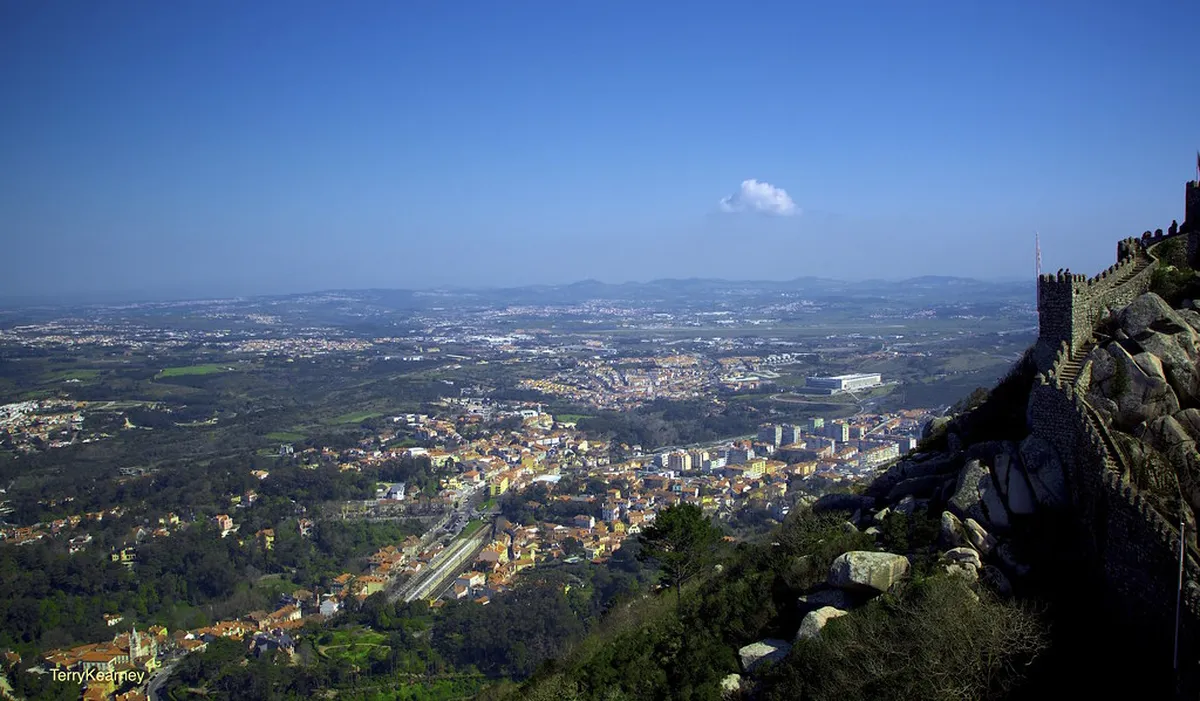
Castelo de São Jorge is the natural starting point. The castle explains why this hill mattered to successive rulers across twelve centuries and its viewpoint helps you see Mouraria's position north of the old citadel. Without that geography, the district can feel like a maze rather than a shaped defensive and social landscape. The castle's archaeological excavations also show Islamic-era house foundations, patios, and objects that give concrete scale to the pre-1147 city. For the full context, the Castelo de São Jorge medieval history guide covers the site's full sequence from Roman-era through modern use.
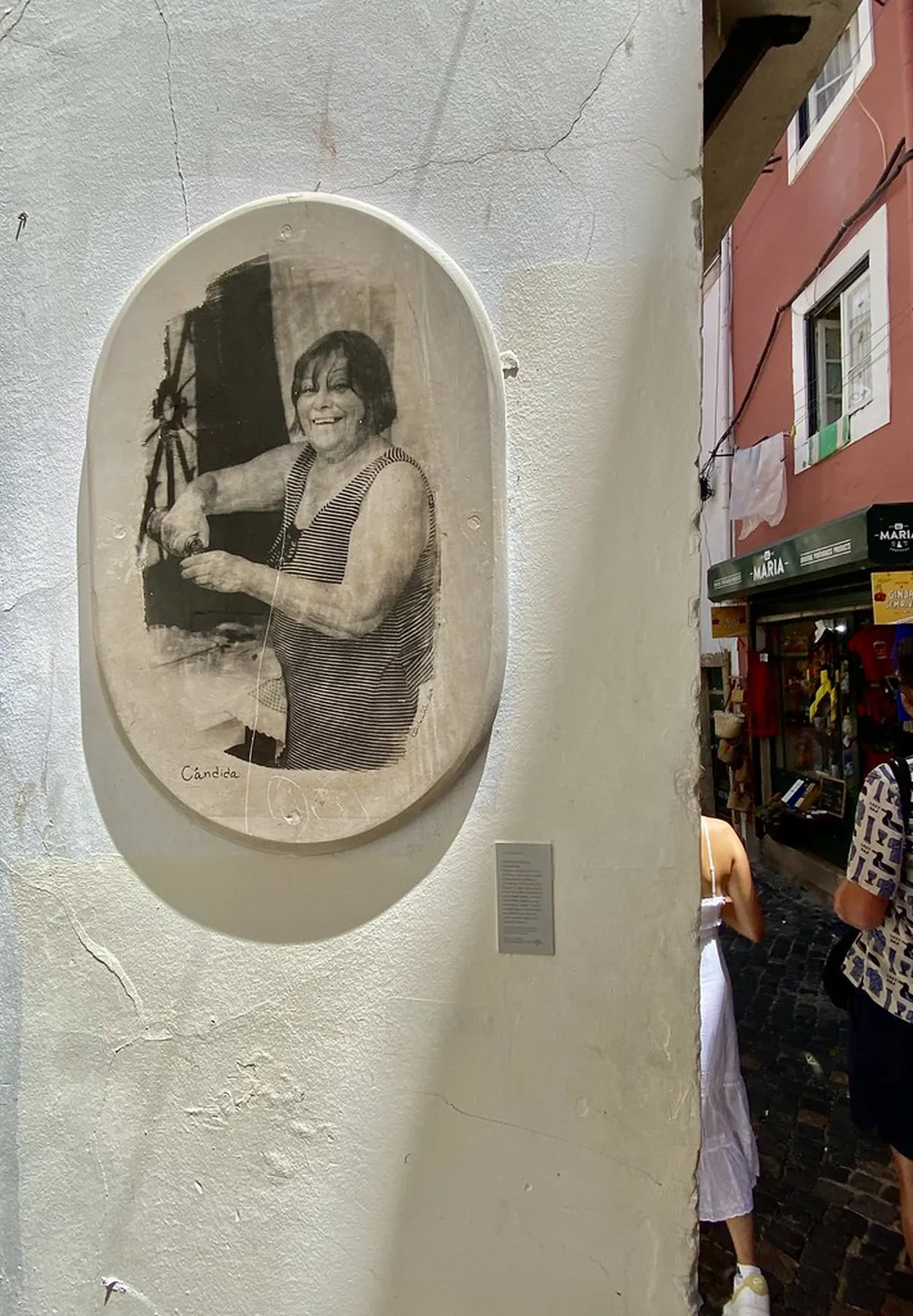
Largo da Severa and Rua do Capelão mark the Fado memory zone. Street art portraits of Maria Severa and later singers cover several walls, and small venues near the square host performances that feel genuinely local rather than staged for tourism. Beco das Farinhas is a short lane covered with photographic portraits of neighborhood residents by artist Camilla Watson, turning the alley into an open-air memory project that connects present faces to the historic quarter.
Largo da Achada sits behind the Church of São Cristóvão in one of the calmer parts of the district. The square gives a sense of how much pre-1755 Lisbon survives here — surrounding buildings show older proportions and materials that mark the contrast with reconstructed Baixa clearly.
For a broader loop, combine Mouraria with Graça above and Alfama below. A descent from Graça hilltop through Mouraria toward the castle edge gives the most natural sense of slope, viewpoint changes, and neighborhood transitions. Casa dos Bicos and the Sé then connect the old wall story to the Christian Lisbon riverfront at the bottom.
Practical Tips for Visiting Mouraria in 2026
Mouraria is compact but the slopes are real. Wear shoes with good grip, carry water in warm months, and expect stairs rather than smooth pavements throughout. If mobility is a concern, approach from Martim Moniz for the lower and flatter streets, because climbing from Baixa directly can be tiring on an uneven surface.
Choose Mouraria when you want multicultural Lisbon, Fado memory, street art, informal food, and a less polished neighborhood atmosphere. Choose Alfama's oldest neighborhood when you want more viewpoints, the Fado Museum, easier souvenir browsing, and a route that feels more established for first-time visitors. The best half-day combines both, with Mouraria first and Alfama after the castle or the Sé.
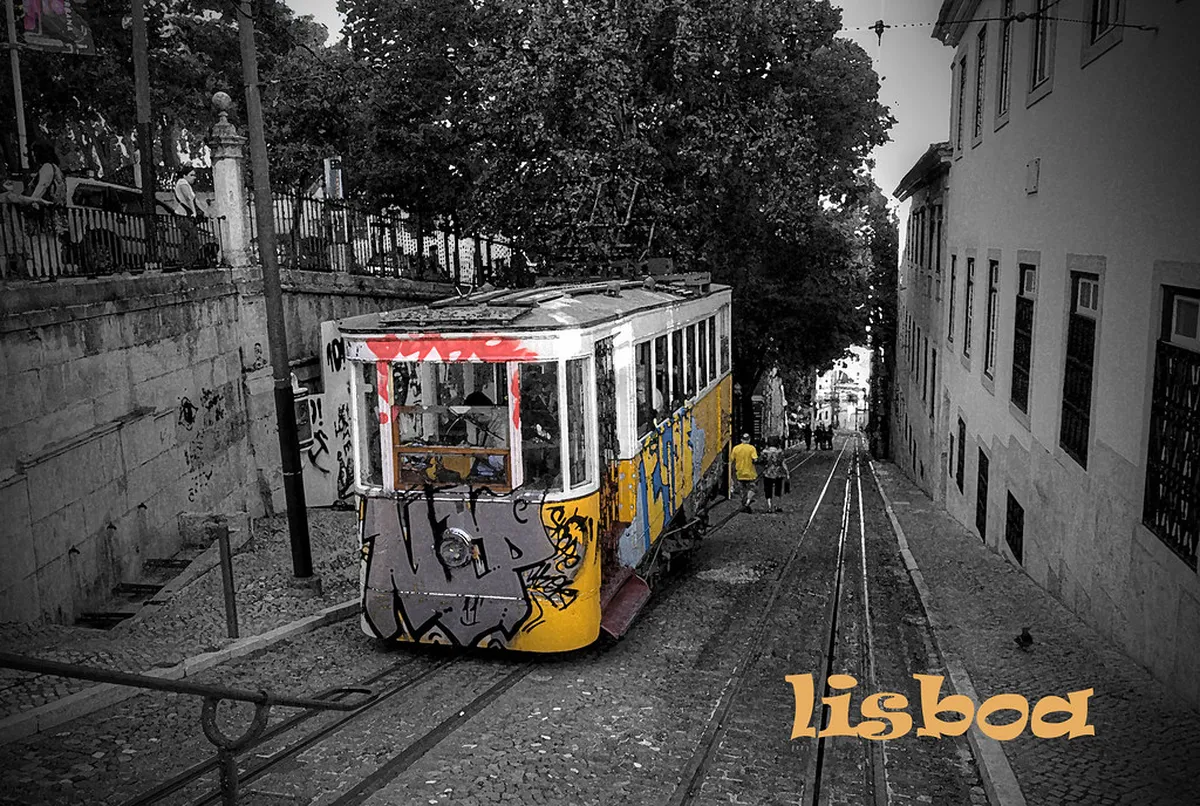
Security in 2026 is generally fine across the main visitor areas during the day and early evening. Use standard Lisbon precautions: keep phones and wallets secure on Tram 28 and around crowded viewpoints, avoid empty stairways late at night, and do not follow strangers into private buildings for a promised restaurant or performance. The neighborhood is welcoming but residential, with uneven foot traffic and private courtyards that are not public viewing spaces.
- Use Martim Moniz metro (green line) for the easiest entrance into the lower part of Mouraria.
- Visit late afternoon for better light, then stay for dinner only if you have a specific place in mind.
- Book a recognized Fado venue in advance rather than relying on walk-in access to informal sessions.
- Bring cash for small cafes, tascas, and any informal meal stops.
- Treat residential stairways, laundry areas, and inner courtyards as private unless they are clearly signed as public access.
Frequently Asked Questions
Why is Mouraria called the Moorish Quarter?
Mouraria earned its name after the 1147 Reconquest when Muslim residents were forced to live in this specific area outside the new Christian walls. That relocation created a Moorish enclave whose name has stayed attached to the neighborhood for nearly nine centuries. You can explore the broader context in our Lisbon oldest neighborhoods guide.
Is Mouraria safe to visit in 2026?
Yes. The 2009 urban renewal programme significantly improved both safety and public infrastructure in Mouraria. The district is welcoming during the day and early evening. Apply normal Lisbon precautions — keep valuables secured, avoid empty stairways late at night, and be aware of pickpocketing in crowded entry points like Martim Moniz square.
Why did Mouraria survive the 1755 earthquake?
Mouraria sits on the rocky hillside north of Castelo de São Jorge rather than on the sandy low ground and riverfront zones that absorbed the worst earthquake and tsunami damage. Its elevated, denser medieval layout protected it while the lower city was destroyed and subsequently rebuilt on a new Pombaline plan.
Who was Maria Severa and why does she matter to Mouraria?
Maria Severa Onofriana was a Mouraria-born singer who died in 1846 and became the first widely celebrated Fado performer. Her life connected street music from a marginal neighborhood to aristocratic attention, helping Fado gain recognition as a distinctly Portuguese art form. Rua do Capelão and Largo da Severa in Mouraria still mark her memory with street art and plaques.
How long does it take to explore Mouraria on foot?
A focused walk through the main lanes, key squares, and street art takes about 90 minutes. Allow a half-day if you want to combine Mouraria with the castle, stop for a meal, and continue into Alfama below. The district is compact, but the slopes and cobblestones slow the pace considerably compared to flat Lisbon.
Mouraria's history is not a single story — it is a sequence of communities that each left a different layer in the same compact hillside neighborhood.
The street plan came from Islamic Lisbon. The name came from the 1147 Reconquista. Fado came from 19th-century working-class life and the specific figure of Maria Severa. The earthquake of 1755 preserved the pattern by sparing the hill. The 2009 renewal brought the modern multicultural identity that defines the district today.
Walking Mouraria in 2026 means reading all of those layers at once — which is exactly what makes it worth the climb.